
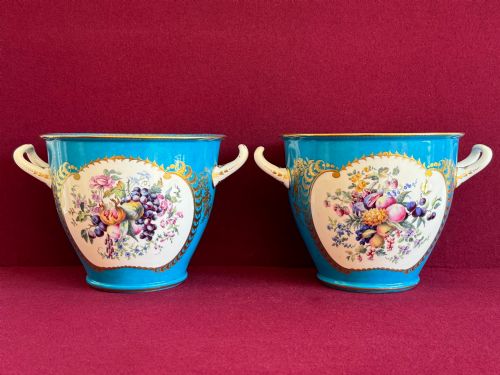
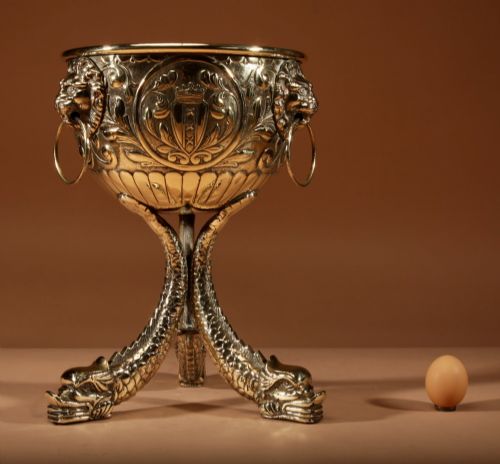


Decorative Wine Cooler
These decorative antique wine cooler examples bring historic craftsmanship and rich metal or timber patination straight to your entertaining spaces.
Decorative Wine Cooler
A decorative antique wine cooler serves as a historic vessel originally designed to chill wine or hold bottles at the dining table. When exploring decorative antique wine cooler options, you will encounter diverse forms ranging from coopered timber buckets to pierced brass cylinders.
The pieces on this page span several centuries, including Victorian, Georgian, and Regency eras alongside later twentieth-century interpretations. Materials shift between warm mahogany, oak, walnut, gleaming silver plate, brass, earthenware, and japanned tin-ware.
Beyond traditional bottle housing, many items double as planters, jardinières, or footbaths, reflecting how past households repurposed grand vessels. This multifunctionality means you can easily display large house plants or floral arrangements within the same historic container.
How they were made
Coopering remains a primary method for timber vessels, utilising narrow staves of mahogany, oak, pine, or teak bound tightly by metal hoops. Cabinetmakers shaped these staves with precision so the interior could safely hold ice and liquid without leaking.
Metalworking techniques define the brass, copper, and silver-plated items through embossing, casting, piercing, and japanning. Artisans hammered, chased, or turned the metal surfaces to create rich textures and polished finishes.
Ceramic and earthenware examples rely on traditional pottery methods, finished with distinctive glazes or transfer printing. These diverse construction methods ensured that each material could withstand the damp conditions of chilling wine.
What varies in quality
The caliber of a decorative antique wine cooler rests upon the crispness of its cast ornament and the tightness of its timber joints. Finely cast brass mounts and hand-cut dovetails or staves separate standard utilitarian vessels from exceptional high-status commissions.
Material thickness and weight heavily influence a piece's durability and overall presence in a room. Heavier gauge metals and dense, well-figured timbers like mahogany or walnut retain their structural integrity far better over generations.
The integrity of surface patination dictates visual appeal, with honest signs of age enhancing the character of the metal or wood. Original linings, whether metal inserts or lead liners, add significant merit to surviving examples.
Spode
The Decorative Wine Cooler Glossary
- Coopered
- Constructed from wooden staves fitted together and bound by metal hoops, much like a traditional barrel. This technique provided the strength needed to hold heavy liquids.
- Jardiniere
- A decorative pot or stand designed to hold a plant or floral display indoors. Many historic wine coolers were later adapted for this domestic purpose.
- Pontypool type
- Refers to tin-ware decorated with japanned finishes, imitating oriental lacquer work. This technique produced glossy, durable surfaces on metal vessels.
- Silver plate
- A thin layer of silver applied to a base metal such as copper or brass. It offered the appearance of solid silver at a more accessible cost for dining accessories.
- Dinanderie
- An umbrella term for various objects made of brass, copper, or bronze, often embossed or cast. It originates from the Belgian town of Dinant, famous for metalwork.
Decorative Wine Cooler: Frequently Asked Questions
How were antique wine coolers used?
Historic households filled these vessels with ice and water to chill wine bottles before and during dinner service. Servants placed them on the floor or on dedicated stands near the dining table.
Over time, many of these containers transitioned into decorative roles, holding large plants, firewood, or floral arrangements as interior fashions shifted.
Can I still use these for chilling wine?
Many solid wood and metal examples retain their waterproof qualities, especially those with original metal liners. You can safely fill them with ice to keep champagne magnums or wine bottles cold during gatherings.
It is wise to check the interior condition and test for leaks before exposing antique timbers to prolonged moisture.
How do I clean and maintain them?
Dust timber surfaces regularly and apply a suitable wax occasionally to nourish the wood and preserve the natural patination. Avoid harsh chemical cleaners that can strip historic finishes.
For brass and copper, gentle cleaning with a specialist metal polish helps maintain the lustre without wearing down delicate chased details.
How do I tell different periods apart?
Georgian and Regency pieces often feature formal classical proportions with fine mahogany veneers and crisp brass lion-paw feet. Victorian examples frequently embrace bolder ornamentation, including heavy embossing and Renaissance Revival motifs.
Twentieth-century items introduce cleaner lines, Art Nouveau copper elements, or simpler coopered profiles suited to eclectic interiors.