








Decorated Side Table
A decorated side table brings surface pattern and form together, offering a functional stage for lamps, books, or plants.
Decorated Side Table
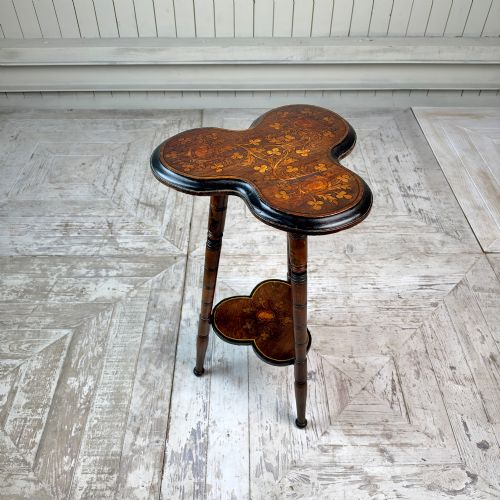
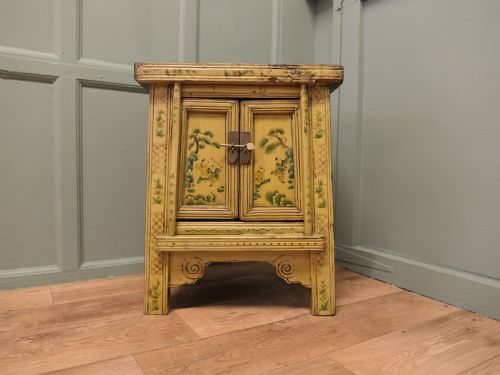
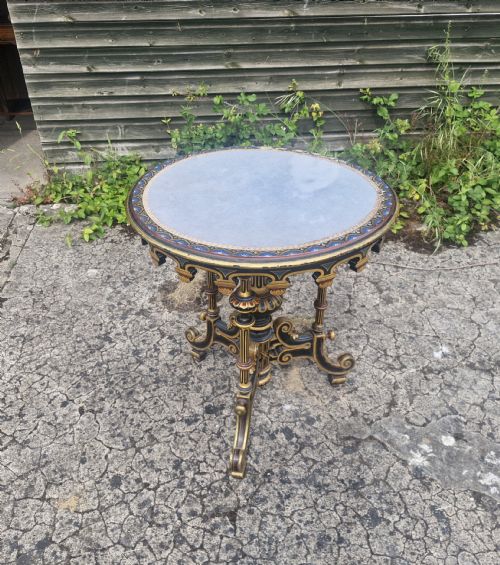
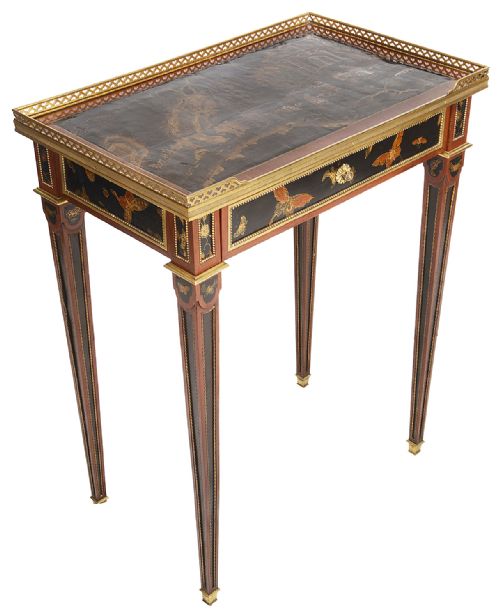
A decorated side table encompasses forms like occasional tables, nests of four, lamp tables, and small cabinets produced across periods spanning the Georgian era, the Victorian age, and into the early twentieth century. Buyers seeking this phrase encounter pieces dressed in lacquer, paint, and ink work rather than plain timber surfaces. Edwardian Chinoiserie examples and nineteenth-century occasional tables appear frequently among the diverse offerings.
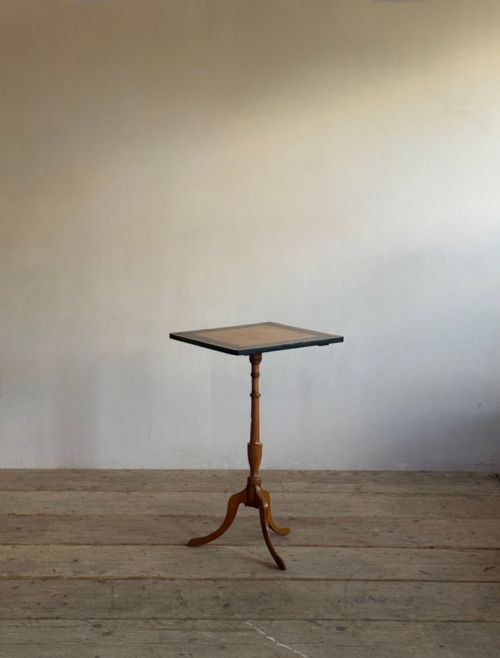
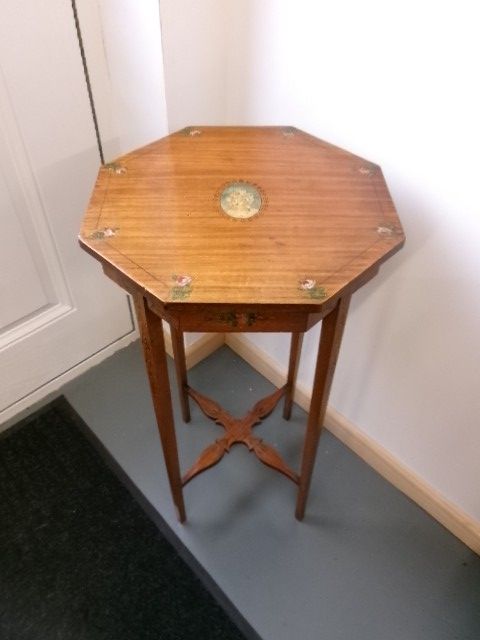
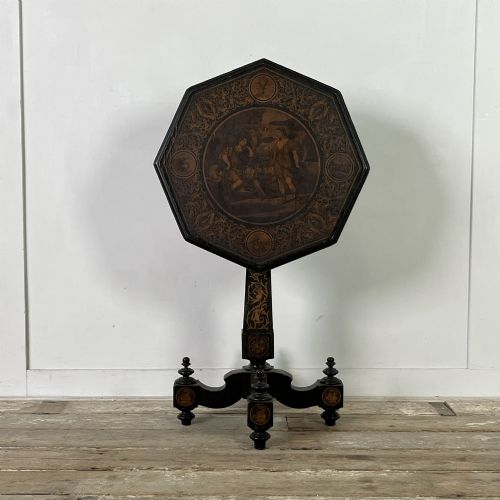
The assortment on this page ranges from small octagonal satinwood tables and tripod pedestal designs to sets of nested tables and side cupboards. Stylistic influences draw heavily on Chinoiserie motifs, Regency styling, and Louis XV Revival forms. These compact items suit sitting rooms and halls where surface space and visual interest are both required.
Materials and construction
Wood provides the structural foundation, utilising timber varieties such as satin walnut, satinwood, and general hardwoods shaped into occasional tables, nest sets, and tripods. Craftspeople applied surface decoration directly onto these timber bases using oil paint, ink, and lacquer. Brass hardware and gilt or gold leaf accents frequently complete the detailing on period items.
Specialised techniques distinguish the surface finishes, including intricate penwork, ink work, and multi-layered lacquer applications. Certain items incorporate porcelain plaques or parquetry inlay into the wooden structure. Later painted additions also occur on nineteenth-century tripod pedestals, adapting earlier foundational furniture to suit changing decorative tastes.
Decorated Side Table Retail Price Guide 2026
Typical asking prices for decorated side table among the pieces listed under this phrase on Sellingantiques today, from the lower quarter to the upper quarter. They describe what is for sale here now, not the wider market.
One fortunate table arrived bearing the title lucky, proving that nineteenth-century furniture occasionally requires a positive outlook.
Assessing quality
Quality rests in the precision and durability of the surface artistry, distinguishing finely brushed lacquer and detailed penwork from simpler applications. The crispness of inlaid geometric parquetry and the stability of joinery in nested sets or tripod tables define the upper tier of manufacture. Superior examples maintain the integrity of their original painted or inked ornamentation across decades of use.
The integration of materials such as porcelain plaques, gilt accents, and select hardwoods marks the distinction between standard utilitarian items and finer decorative works. Balance in structural forms like pedestals and multi-tiered tables indicates careful workshop production. Originality of the decorative scheme remains a primary determinant of standing within the broader range.
The Decorated Side Table Glossary
- Chinoiserie
- European artistic interpretation of Chinese and East Asian decorative styles, commonly featuring figures, landscapes, and pavilions rendered in lacquer or paint.
- Penwork
- A meticulous surface decoration technique utilising fine ink lines to create intricate pictorial or geometric designs upon wood.
- Lacquer
- A durable resin finish applied in multiple layers and polished to create a smooth, glossy surface often associated with Asian-inspired furniture.
- Parquetry
- Geometric wood inlay work arranged in repeating patterns to form decorative surfaces on tabletops and cabinets.
- Torchere
- A tall, slender stand designed to support a lamp or decorative object, frequently produced during the Victorian and Edwardian periods.
Decorated Side Table: Frequently Asked Questions
How do I use a decorated side table?
These tables function well beside seating to hold lighting, books, or decorative objects while adding pattern to a room.
Smaller formats like nests or tripod tables move easily between spaces as functional surface areas.
What periods do these tables come from?
The selection includes pieces from the Georgian and Victorian eras, alongside Edwardian and early twentieth-century examples.
Revival styles from the nineteenth and early twentieth centuries also reinterpret earlier aesthetic traditions.
How is Chinoiserie decoration applied?
Makers used painted motifs, lacquer finishes, and ink work to depict scenes and figures across wooden surfaces.
These techniques created durable, highly ornamental finishes popular in British interior decoration.
Are nested tables stable?
Quality nested sets are constructed so that smaller tables slide smoothly beneath the largest frame without binding.
Their sturdy timber construction allows them to separate for use or stack compactly to save space.