




Deco Wall Mirror
A deco wall mirror brings sharp geometric lines and distinct period glamour into a room.
Deco Wall Mirror
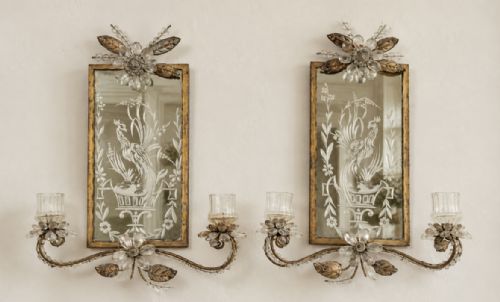
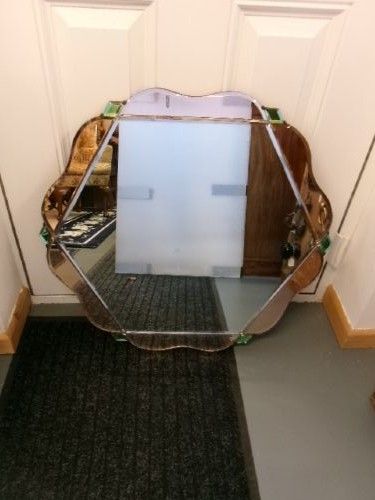
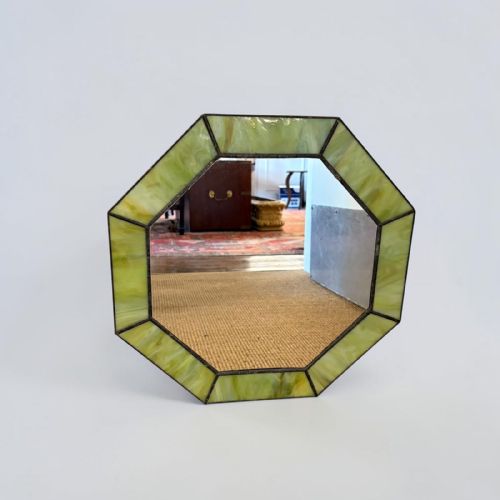
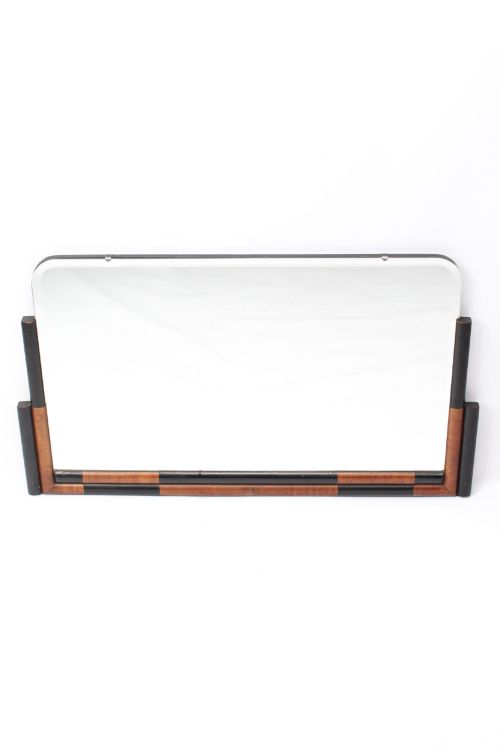
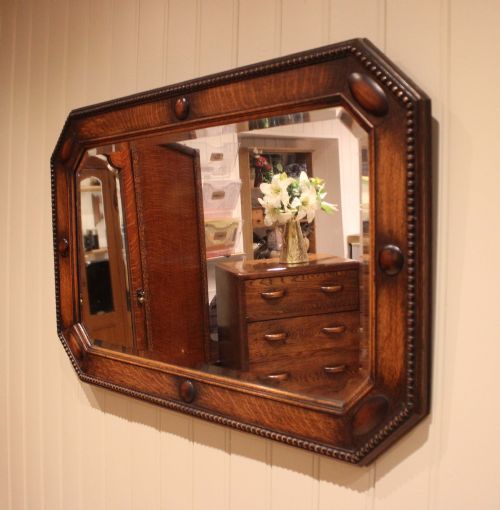
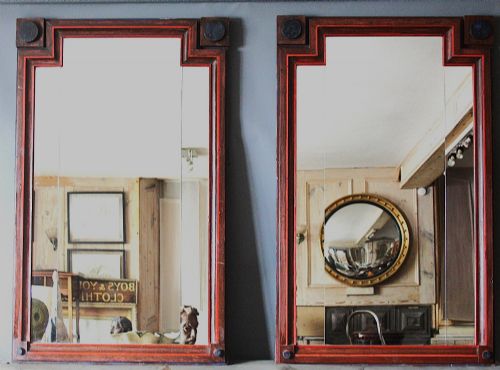
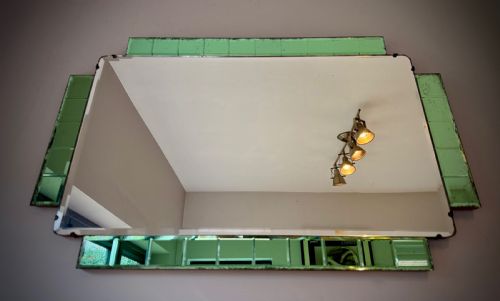
A deco wall mirror captures the characteristic geometric forms, clean lines, and distinct ornamentation associated with the 1920s and 1930s. Buyers searching for a deco wall mirror most frequently encounter pieces featuring multi-tone glass, stepped frames, or octagonal shapes originating from French and English workshops.
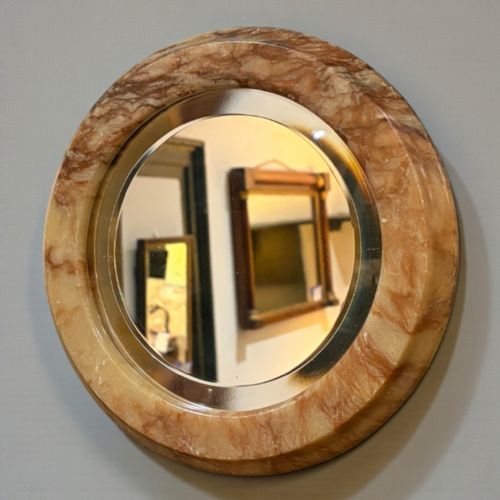
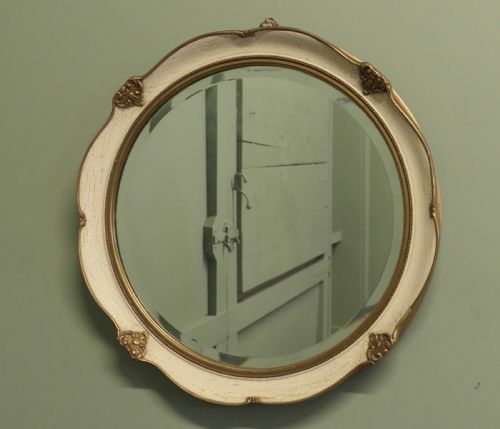
The selection extends from simple frameless designs with shaped edges to substantial overmantel mirrors intended for principal rooms. Pieces range across various formats including round, rectangular, and diamond profiles, often integrating functional elements like shelves or integrated lighting.
While the majority of examples date from the interwar period, related variations stretch from late Victorian and Edwardian antecedents through to mid-century interpretations. These objects served diverse domestic functions, appearing in hallways, bathrooms, and principal reception spaces.
Materials and Construction
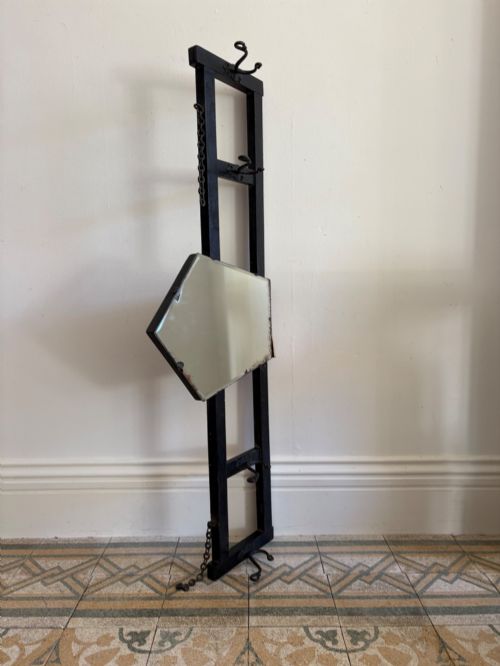
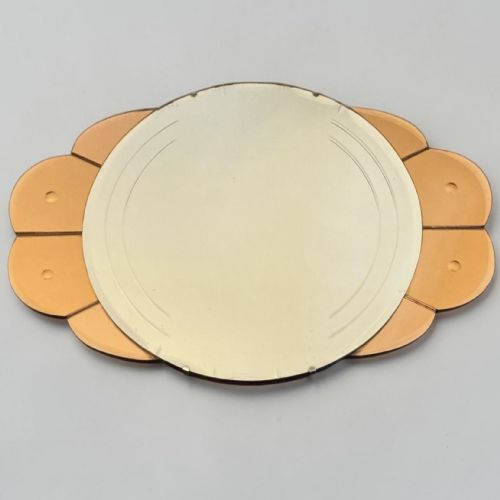
Makers utilised a diverse palette of materials, combining traditional timber frames in oak, walnut, and ebonised wood with modern industrial elements like chrome, brass, and wrought iron. Glass selection was equally varied, incorporating peach glass, blue glass, emerald green panels, and standard mirrored glass.
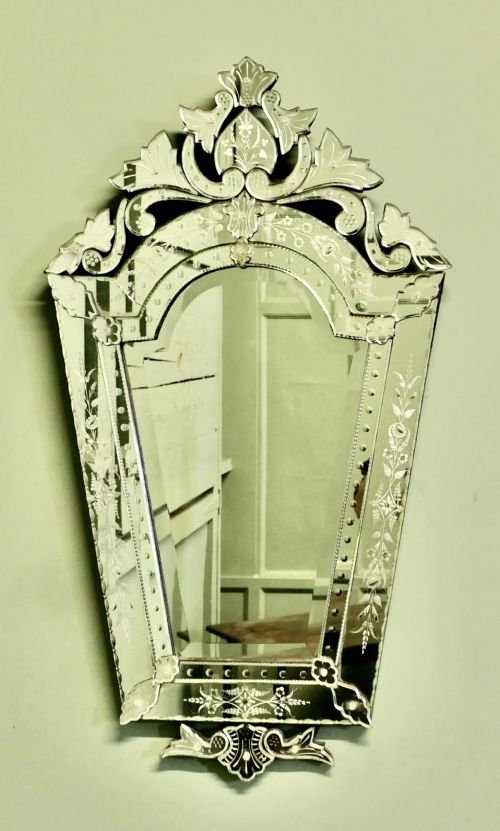
Techniques relied heavily on bevelling, etching, and layering distinct coloured glass sections to create depth and pattern. Frames frequently employed applied leather, velvet coverings, alabaster, or carved wood finished in gilt, cream, and silver.
Deco Wall Mirror Retail Price Guide 2026
Typical asking prices for deco wall mirror among the pieces listed under this phrase on Sellingantiques today, from the lower quarter to the upper quarter. They describe what is for sale here now, not the wider market.
One exceptionally unusual wall mirror design incorporates a sculpted soldier figure standing guard beside the glass.
Assessing Quality
Distinction across the range rests on the complexity of the glasswork and the integrity of the materials. Pieces exhibiting multi-tone assemblies, precise etching, and specialised tinted plates demonstrate superior manufacturing ambition compared to standard single-plate designs.
The sophistication of the framing materials further separates examples, with heavy bamboo, specialist marquetry, or wrought iron work indicating finer craftsmanship. Original backing boards, secure structural mounts, and intact decorative panels preserve the historical authenticity of the piece.
A.J Rowley
The Deco Wall Mirror Glossary
- Bevelling
- The practice of angling the outer edge of a mirror plate to create a sloping border that catches the light. This technique adds refinement to the perimeter of the glass.
- Overmantel mirror
- A large horizontal mirror designed specifically to hang above a fireplace mantelpiece. These pieces often anchor the decorative scheme of a principal room.
- Girandole
- A decorative wall mirror that incorporates attached candle sconces or light branches directly into the frame. The reflective glass amplifies the candlelight.
- Marquetry
- The art of applying small pieces of veneer to a structure to form decorative patterns or pictorial scenes. This technique appears on specialised frames from the period.
- Mercury mirror
- A mirror produced using a mercury-tin amalgam backing technique rather than modern silvering. This method yields a distinctive speckled and deep reflective quality.
Deco Wall Mirror: Frequently Asked Questions
Where should I place a deco mirror?
These pieces suit placement above living room mantelpieces, in entrance hallways, or opposite windows to maximise natural light. Their distinct geometric shapes allow them to function as focal points in modern or traditional interiors.
Consider the surrounding wall space to let the stepped lines and coloured glass panels stand out. Smaller octagonal or circular variants work well in bathrooms and dressing areas.
How do I clean vintage mirror glass?
Use a soft microfiber cloth and a mild, ammonia-free cleaning solution sprayed onto the cloth rather than directly onto the glass. This prevents moisture from seeping behind the silvering or into the frame joints.
Avoid harsh abrasive pads that can scratch the surface or damage etched designs. Take care around the edges where the backing material may be exposed.
What defines an Odeon style mirror?
Odeon mirrors draw inspiration from the grand cinema architecture of the 1930s, featuring sweeping curves and stepped architectural tiers. They often utilise layered glass plates to create a dramatic sense of depth.
This style emphasises theatrical symmetry and bold proportions suited to prominent interior spaces. The aesthetic merges clean modernist lines with decorative luxury.