



Deco Wall Lamps
Deco wall lamps bring geometric discipline and industrial shine to an interior, offering practical illumination through sculptural forms.
Deco Wall Lamps
Deco wall lamps encompass wall brackets, sconces, and exterior fixtures originating primarily from the nineteen-thirties, alongside related pieces spanning the nineteenth century through to nineteen-forty. These fixtures provide functional illumination while serving as sculptural elements on domestic and commercial walls.
Materials and construction
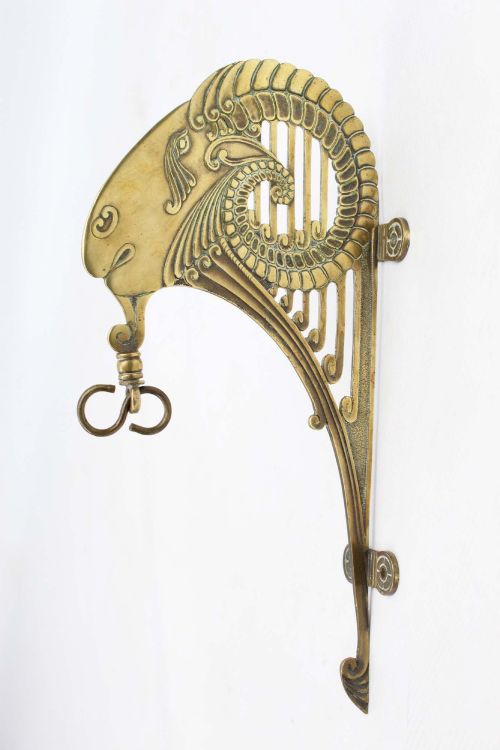
Makers utilised chrome, brass, bronze, and wrought iron to form the structural mounts and backplates of these fixtures. These metallic elements provide rigid support and introduce contrasting reflective or matte finishes to the wall.
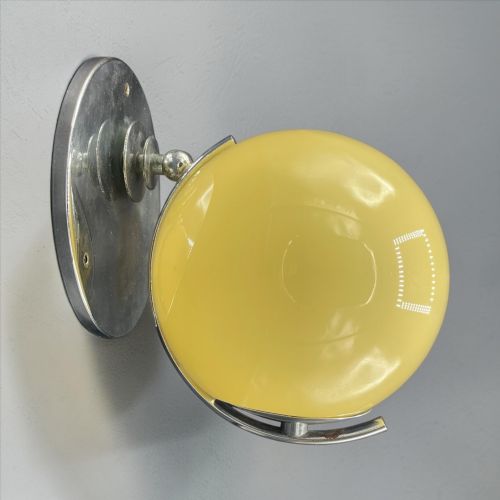
Lighting components incorporate frosted, moulded, or coloured glass, including specialised shades such as clam shell, cloud-shaped, trumpet, and skyscraper forms. These glass elements diffuse the electrical illumination evenly across the room.
Deco Wall Lamps Retail Price Guide 2026
Typical asking prices for deco wall lamps among the pieces listed under this phrase on Sellingantiques today, from the lower quarter to the upper quarter. They describe what is for sale here now, not the wider market.
Materials represented include chrome, brass, wrought iron, fabric, bakelite, and frosted glass.
Judging quality
Quality rests in the weight of the metal framework and the precision of the glass moulding, where thicker components yield a more substantial presence on the wall. Pieces featuring named glass makers or specific regional workshops demonstrate superior artistry.
The integrity of the original surface finishes, whether polished chrome, patinated bronze, or hand-chased copper, dictates the visual success of the piece. Matching sets maintain consistent patination and uniform glass characteristics across every individual lamp.
Dugué·Lalique
The Deco Wall Lamps Glossary
- Sconce
- A wall-mounted lighting fixture designed to project illumination into a room. These units attach directly to vertical surfaces without floor support.
- Frosted glass
- Glass treated to diffuse light evenly and soften harsh glares. This technique appears frequently across nineteen-thirties lighting design.
- Amsterdam School
- A twentieth-century architectural and design movement known for expressive brickwork and dynamic metalwork. Pieces from this tradition utilise hand-chased copper surfaces.
- Lucite
- A transparent thermoplastic material utilised as a shatter-resistant alternative to glass in certain mid-century lighting fixtures. It offers distinct optical clarity.
- Backplate
- The structural metal plate that attaches directly to the wall surface and supports the lamp holder and shade. It anchors the entire fixture securely.
Deco Wall Lamps: Frequently Asked Questions
How do I wire deco wall lamps?
These wall lamps connect directly to standard domestic electrical circuits through the rear mounting bracket. Professional installation ensures compliance with modern safety regulations.
Qualified electricians can adapt older internal wiring components to accept contemporary bulbs while preserving the original metal and glass exterior.
Where should I position wall sconces?
Mount these fixtures at eye level to flank mirrors, sideboards, or architectural focal points in living rooms and hallways. Symmetrical pairs create balanced illumination across a wall space.
Consider the projection of the bracket so the fixture clears surrounding furniture and foot traffic comfortably.
How do I clean frosted glass shades?
Remove the glass elements from the metal frame and wash them gently in lukewarm water with mild soap. Avoid abrasive cleaners that might damage textured surfaces.
Dry the glass thoroughly before reassembling the fixture and restoring power to the unit.
Are these lamps suitable for outdoor use?
Specific listings designate exterior wall lights engineered to withstand weather conditions. These robust fixtures utilise durable metals and sealed housings.
Interior boudoir or indoor sconces lack exterior weather protection and must remain inside dry environments.