


Deco Desk Lamp
A deco desk lamp brings sculptural form and functional light to a workspace, combining period materials with industrial utility.
Deco Desk Lamp
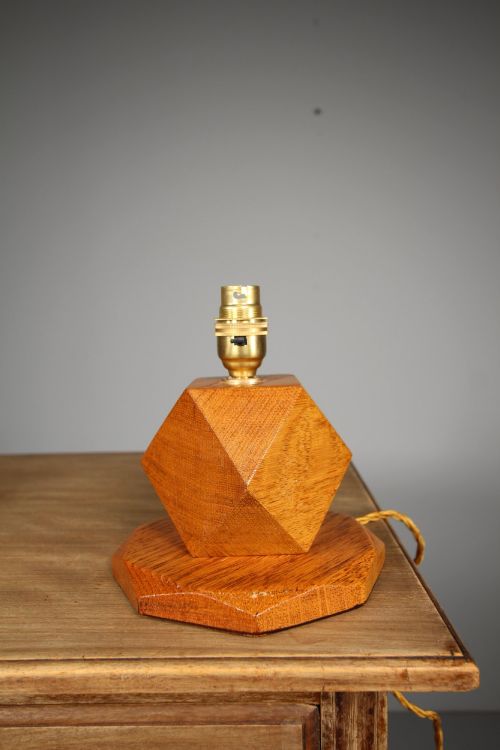
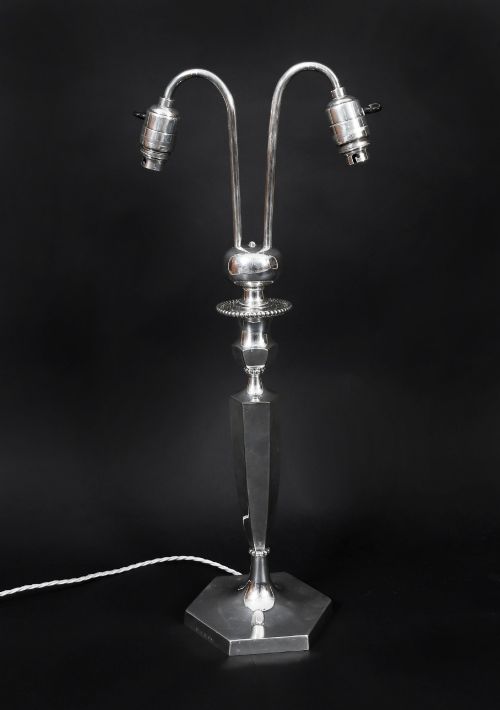
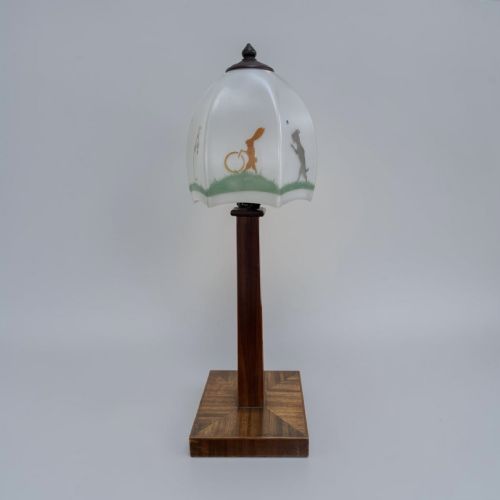
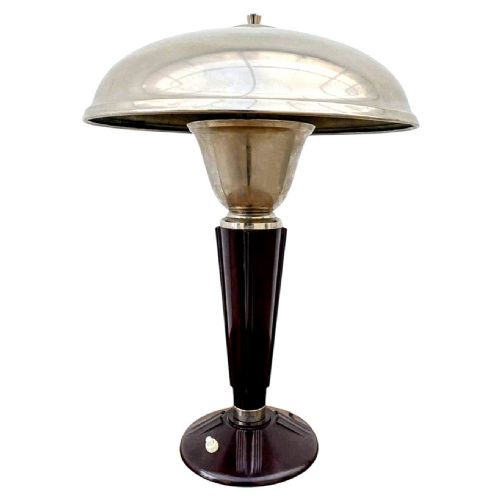
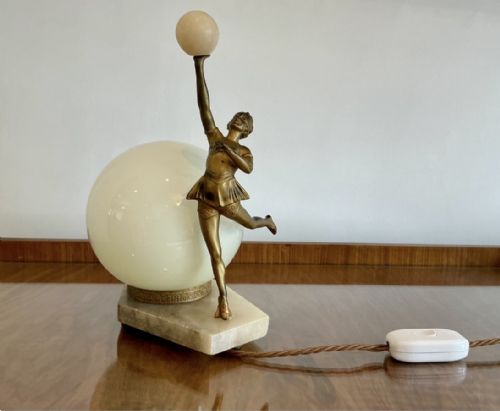
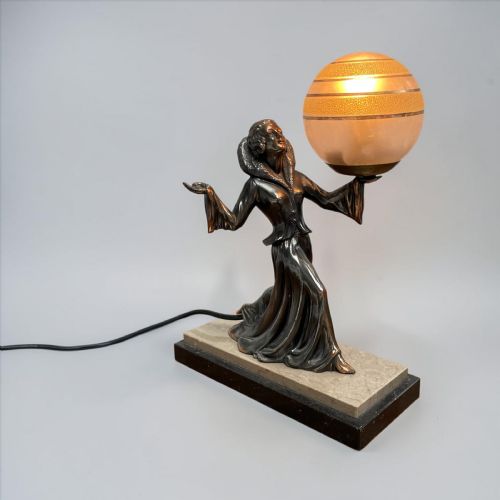
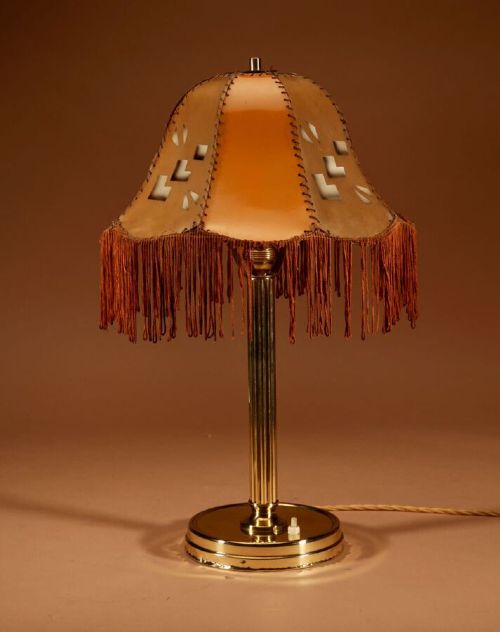
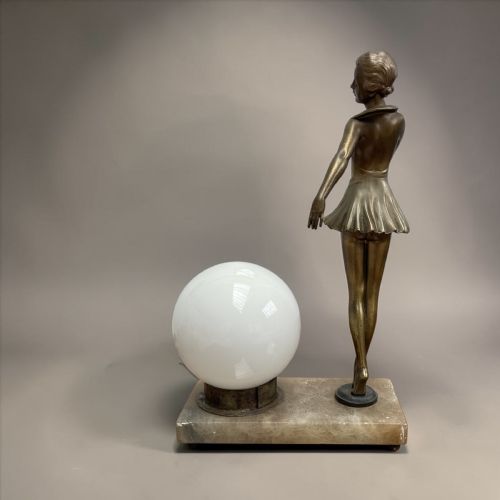
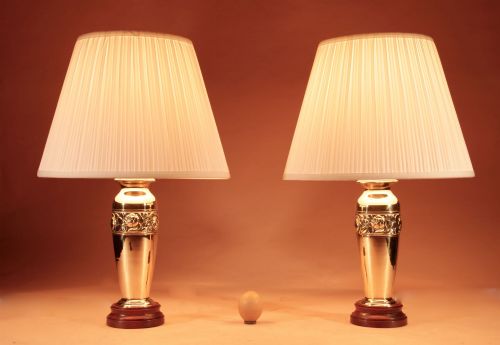
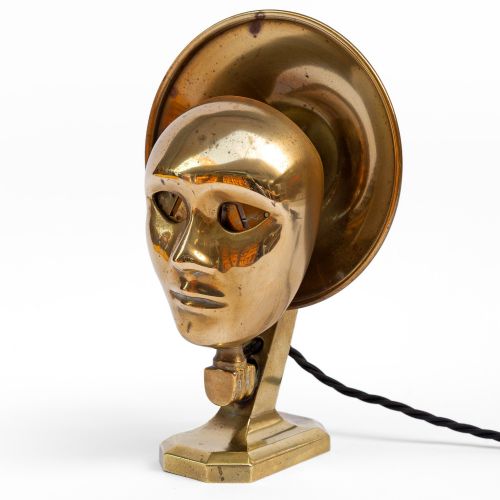
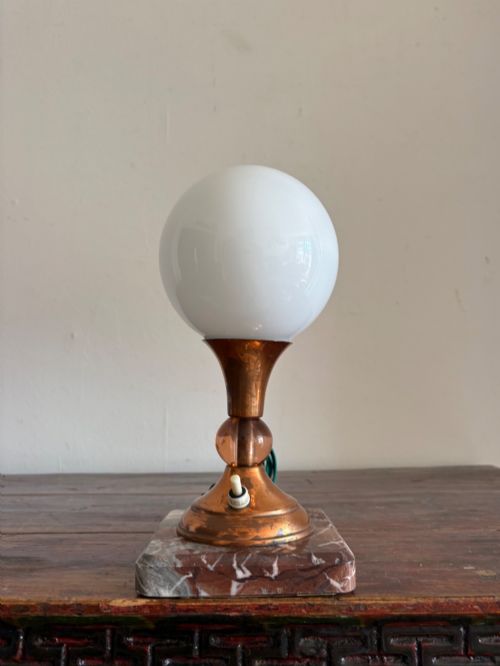
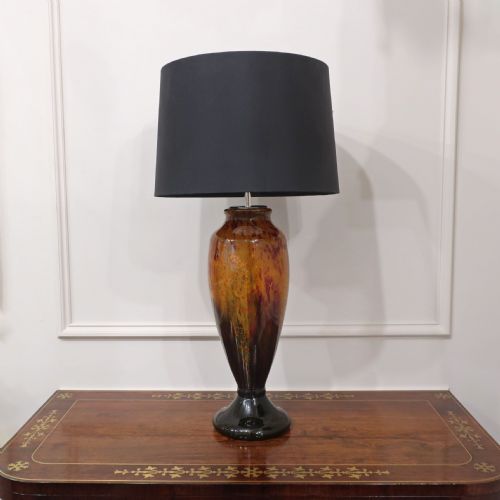
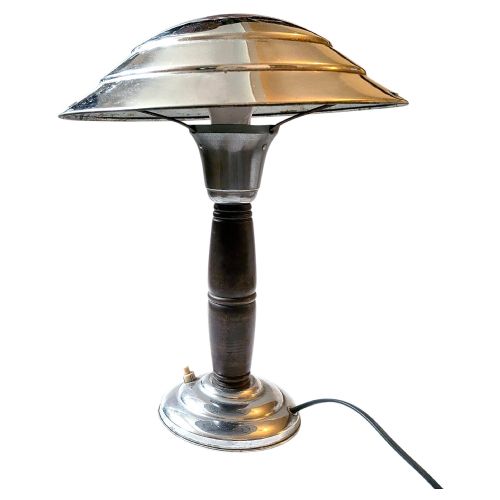
A deco desk lamp spans utilitarian workspace lighting and decorative sculptural forms originating primarily from the early to mid-twentieth century. The selection ranges from adjustable brass and chrome task fixtures to figural lamps incorporating spelter, marble, and glass.
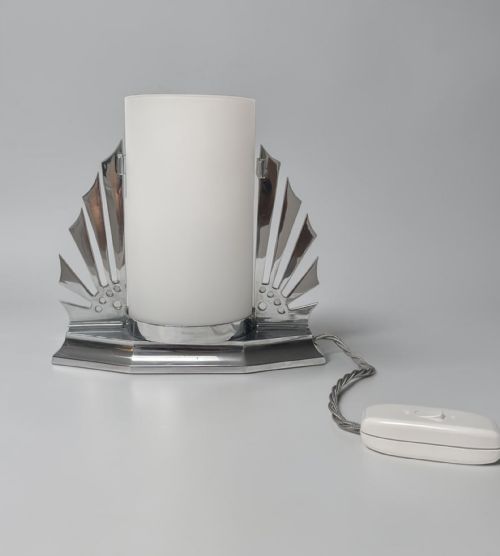
Makers and designers from this era utilised diverse regional vocabularies, visible in French wrought iron pieces, Amsterdam School metalwork, and Machine Age chrome designs. Buyers frequently encounter adjustable bankers lamps alongside figural subjects and geometric forms.
The materials reflect the technological and aesthetic shifts of the period, pairing industrial metals with organic stone bases and coloured glass shades. These objects served both domestic desks and commercial offices, uniting practical illumination with distinct stylistic markers.
Materials and Construction
Metal fabrication forms the structural backbone of these pieces, employing brass, copper, chrome, patinated metal, and wrought iron. Artisans shaped these metals through casting, spinning, and articulation to create adjustable arms and solid bases.
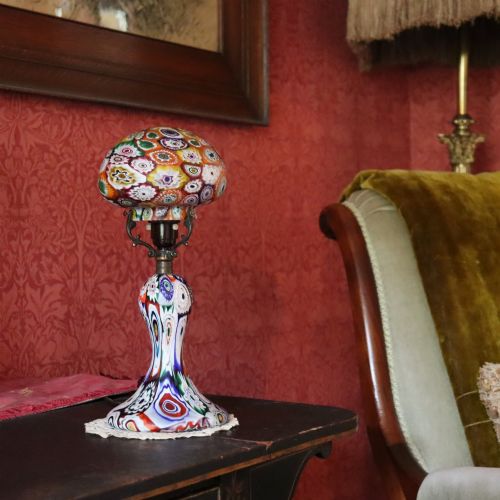
Glass and stone provide weight and optical contrast, utilising marble, onyx, alabaster, and frosted, opaline, or mottled glass shades. Bakelite and porcelain also appear in specific switchgear and sculptural bodies, adding tactile variety to the constructions.
Deco Desk Lamp Retail Price Guide 2026
Typical asking prices for deco desk lamp among the pieces listed under this phrase on Sellingantiques today, from the lower quarter to the upper quarter. They describe what is for sale here now, not the wider market.
The listings span from nineteen hundred to nineteen forty, incorporating brass, marble, chrome, and frosted glass across diverse international styles.
Assessing Quality
Quality rests in the integrity of the materials and the precision of the mechanical joints in articulated arms. Heavier metal castings and substantial marble or onyx bases separate superior examples from lighter, purely decorative items.
The refinement of the shade, whether moulded glass, opaline, or cut crystal, dictates the overall execution. Original surface patination and maker attribution further distinguish exceptional examples from standard production pieces.
Elkington·Fratelli Toso·Eileen Grey·Charles Schneider·Herbert Terry·Stuart Crystal
The Deco Desk Lamp Glossary
- Spelter
- A zinc alloy frequently used as a substitute for bronze in decorative figures and lamp bases. It takes patination well and was widely utilised for figural bases.
- Opaline glass
- A milky, translucent glass developed in the nineteenth century and continued through the twentieth century for soft light diffusion. It appears frequently in shades.
- Bakelite
- An early synthetic thermosetting plastic prized for its durability and rich dark tones. It is commonly found on switches and specific modernist bodies.
- Machine Age
- A design aesthetic celebrating industry, technology, and streamline forms. Chrome and polished steel dominate objects from this movement.
- Amsterdam School
- An architectural and design style defined by expressionist brickwork, rounded forms, and elaborate metalwork. Brass and patinated copper are typical mediums.
Deco Desk Lamp: Frequently Asked Questions
How do I identify a genuine period piece?
Examine the construction methods, wiring channels, and metal casting quality. Period pieces typically utilise heavy brass, cast iron, or patinated metal rather than modern lightweight alloys.
Look for period-appropriate switches, fabric-covered cords where original, and authentic glass shades that match the manufacturing techniques of the early twentieth century.
Were these lamps used in offices?
Many examples served professional environments, particularly articulated brass bankers lamps and adjustable chrome task lights. These were designed for focused illumination on writing surfaces.
Other variants, such as figural or marble-based pieces, functioned more as decorative mood lighting in domestic libraries and studies.
How do I care for marble and metal?
Clean brass and copper surfaces with a soft dry cloth to preserve natural patination, avoiding harsh chemical polishes that strip historical character. Marble and onyx bases require gentle wiping with mild soap and water.
Ensure stone is dried immediately to prevent water marks, and check electrical components periodically for safety.
Can I replace the electrical cord?
Rewiring is common and often necessary for safe daily use, provided the exterior aesthetic and original fittings are preserved. Professional rewiring ensures compliance with modern standards while maintaining the vintage integrity.
Retain original switches and lamp holders whenever possible during any restoration work.