


Dark Wood Tub Chair
A dark wood tub chair brings curved, enveloping timber and grounded seating into a room, offering both sturdy everyday comfort and traditional presence.
Dark Wood Tub Chair
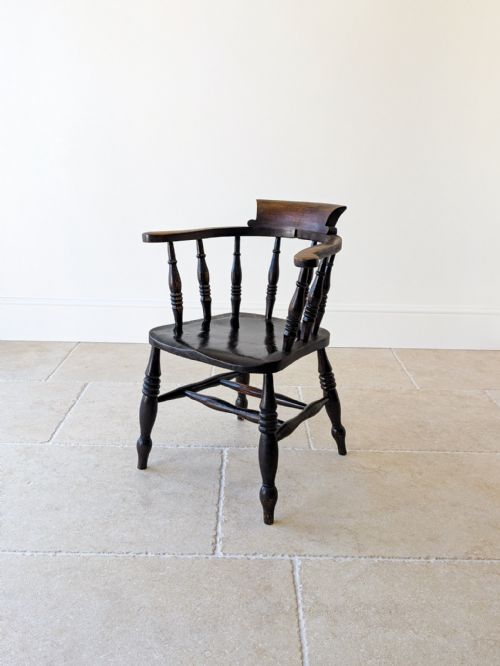
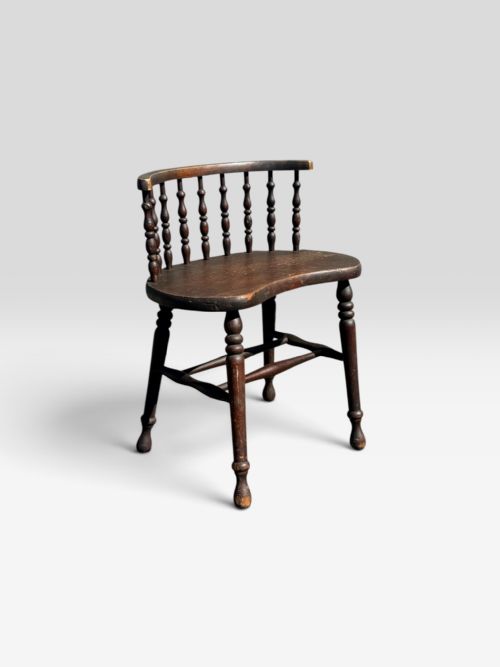
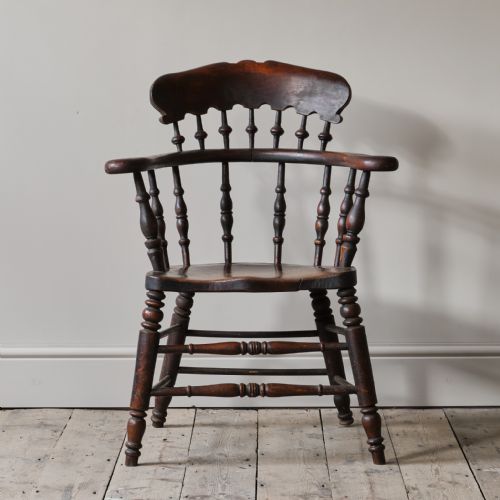
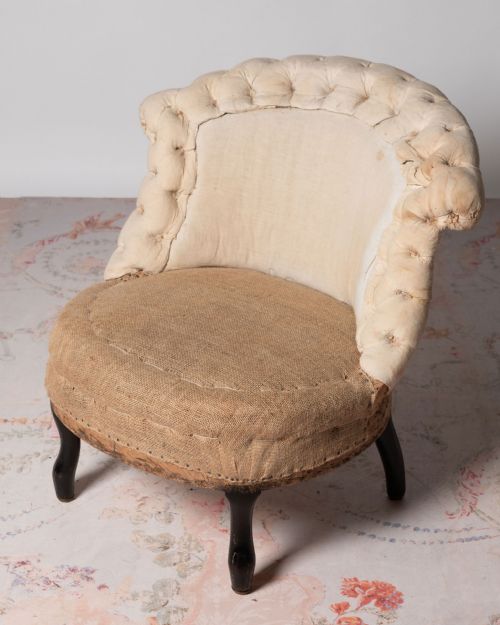
A dark wood tub chair is defined by its rounded, semi-circular backrest that flows continuously into the arms, providing a sheltered and supportive seat. When searching this phrase, buyers encounter various interpretations spanning the nineteenth and early twentieth centuries, from formal library seating to vernacular country forms.
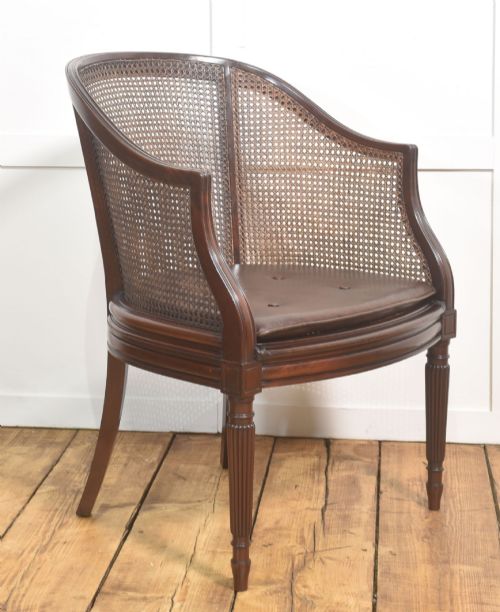
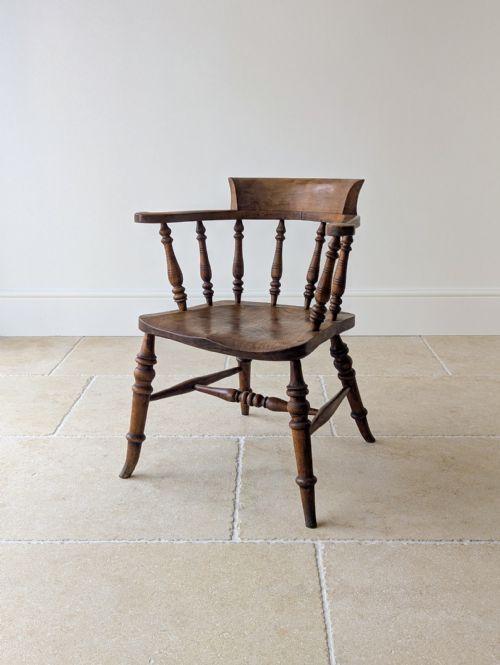
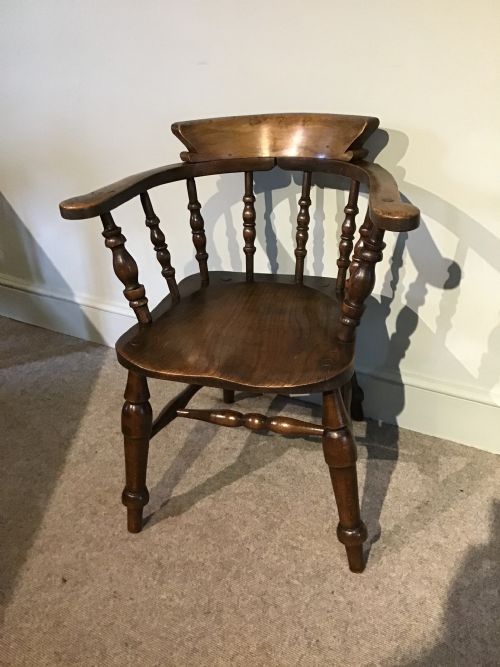
The versions most commonly met on this page include robust captains chairs, smokers bows, and refined mahogany or elm armchairs originating from the Victorian and Edwardian periods. These pieces serve equally well as desk chairs, library seating, or occasional chairs in a bedroom or hallway.
Materials and Construction
Makers utilised a combination of hardwoods and native timbers, frequently employing mahogany, elm, beech, and ash for their strength and grain. Turned spindles, curved wooden backs, and steam-bent components allowed craftsmen to achieve the characteristic rounded tub and hoop forms without compromising structural integrity.
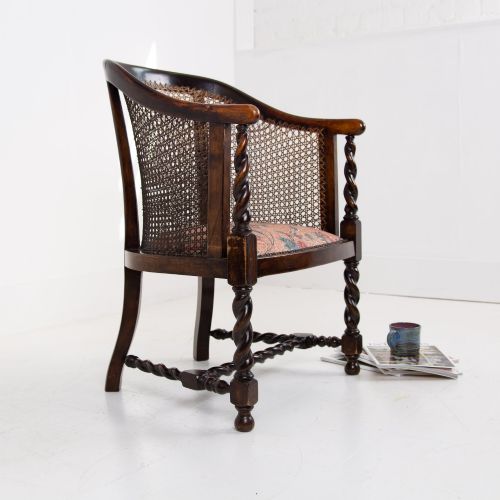
Upholstery, leather inserts, cane panels, and marquetry inlays were added to provide surface pattern and softer seating. Brass details and ebonised finishes occasionally completed the woodwork, adding subtle contrast and decorative depth to the frame.
Smokers bows earned their name because gentlemen sat in them while enjoying a pipe, knowing the sturdy spindles would survive the clubroom.
Distinctions in Quality
Quality in these chairs rests upon the selection of timber and the precision of the joinery, particularly where the curved backrest joins the seat and supports. A superior piece displays tight, seamless joints and timber with a rich, natural grain rather than an applied mask.
The refinement of the turning on spindles and legs, alongside the condition of integrated cane work or structural framework, distinguishes standard vernacular pieces from finer library and desk chairs.
The Dark Wood Tub Chair Glossary
- Tub chair
- An armchair featuring a continuous curved back and armrest shaped like a deep basin. This design wraps around the sitter for added enclosure and support.
- Smokers bow
- A sturdy vernacular wooden armchair with a low, curved back and thick spindles, closely related to Windsor seating traditions. They were commonly found in inns and domestic parlours.
- Bergere
- An enclosed armchair with cane or wicker panels set into a wooden frame. The technique creates a lighter visual weight while maintaining structural support.
- Marquetry
- Decorative inlay work using various tinted wood veneers to create geometric or pictorial patterns on the surface. It is frequently found on Edwardian and Georgian mahogany frames.
- Bentwood
- Wood that has been heated with steam to make it pliable, allowing craftsmen to bend it into smooth, continuous curves. This technique produced light yet resilient chair frames.
Dark Wood Tub Chair: Frequently Asked Questions
What is a tub chair?
A tub chair is an armchair characterised by a low, rounded back that curves around to form the arms in one continuous line. This enclosed shape provides a snug and supportive seat.
Originally designed for comfort and draught reduction in nineteenth-century interiors, these chairs function well today as occasional seating in studies, bedrooms, and living spaces.
How do I date a wooden armchair?
Dating involves examining the timber species, construction methods, tool marks, and stylistic clues such as inlay or leg turning. Victorian and Edwardian pieces often display machine assistance, whereas earlier Georgian examples show hand-cut joinery.
Comparing the specific form and wood to documented examples from the nineteenth century helps narrow down the decade of manufacture.
Where should I place a desk chair?
These compact armchairs suit traditional writing desks, dressing tables, or library tables where a supportive, curved back is beneficial. Their enclosed proportions allow them to sit neatly under or near surfaces without dominating a room.
Ensure the seat height matches your table or desk before placing the chair into daily service.
How do I care for antique wood?
Maintain the timber by keeping it away from direct heat sources and sudden humidity changes to prevent the wood from drying out or splitting. Regular dusting with a soft, dry cloth preserves the finish.
Apply a traditional beeswax polish occasionally to nourish the grain and maintain a natural sheen without building up heavy chemical layers.