

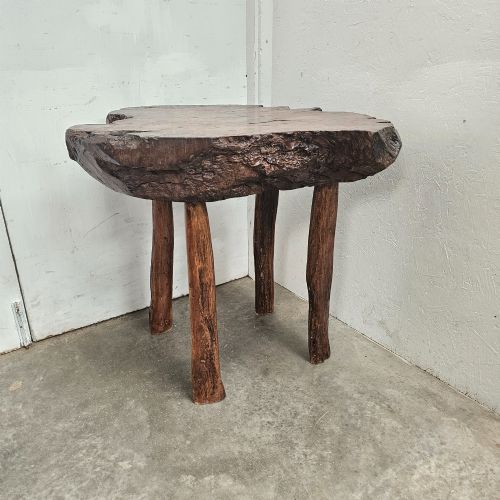
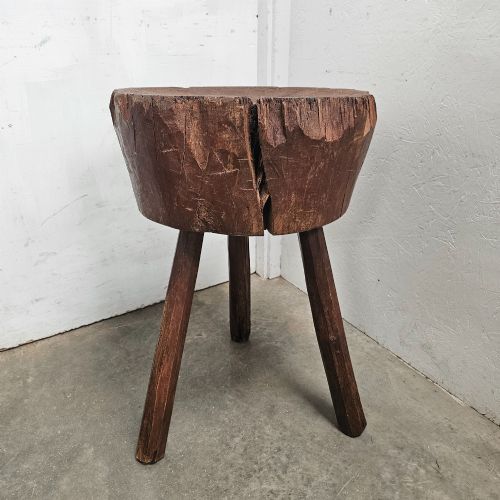


Dark Wood Primitive Stool
A dark wood primitive stool offers honest, functional character through simple construction and rich timber tones.
Dark Wood Primitive Stool
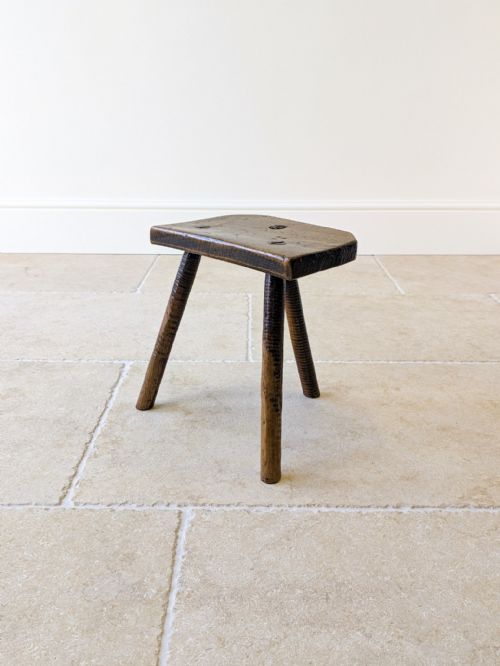
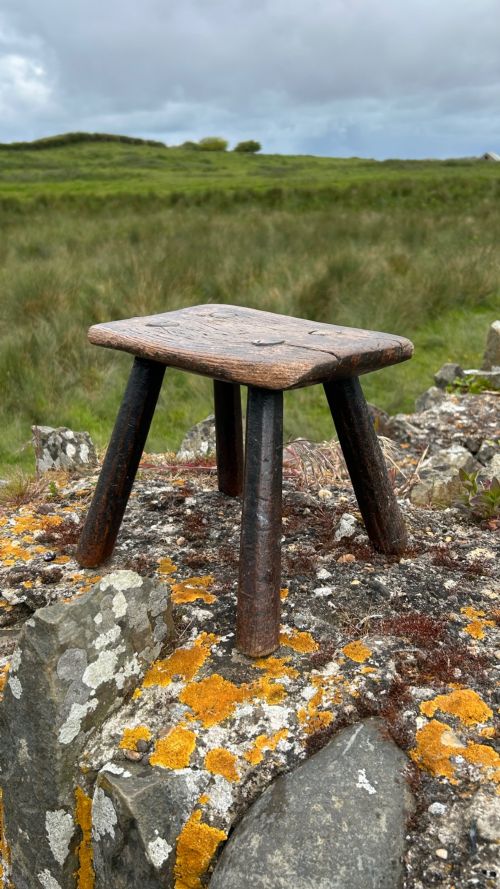
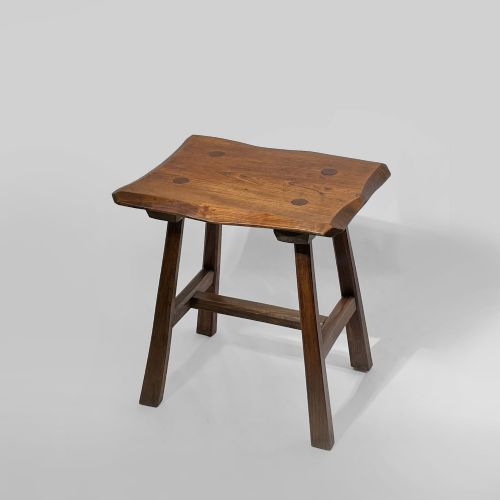
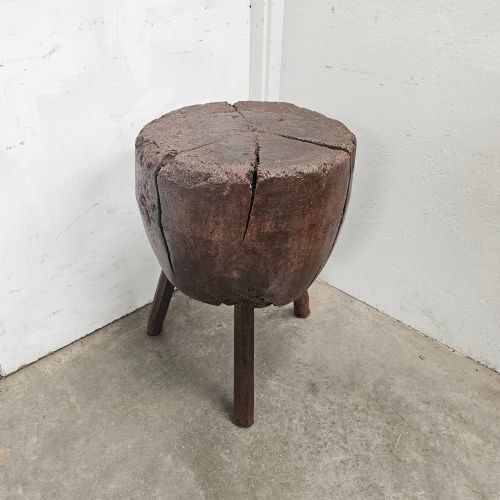
When you search for a dark wood primitive stool, you look at utilitarian furniture shaped by necessity rather than courtly fashion. These pieces include low seating forms, small tables, and chopping blocks fashioned for daily labour.
The most common versions met on this page date from the nineteenth century down to the Edwardian period, often reflecting regional vernacular traditions.
Makers utilised available timbers to produce sturdy objects designed to endure decades of heavy use in workshops, kitchens, and homesteads.
How they were made
Constructed from solid woods such as elm, beech, and oak, these pieces rely on straightforward joinery and thick timber tops. Turnings and shaped seats show the hand of the local carpenter working with simple lathes and drawknives.
Hardwoods and burr timbers bring natural grain variation to the surface, finished simply through use and occasional waxing rather than heavy varnishing.
Dark Wood Primitive Stool Retail Price Guide 2026
Typical asking prices for dark wood primitive stool among the pieces listed under this phrase on Sellingantiques today, from the lower quarter to the upper quarter. They describe what is for sale here now, not the wider market.
Object forms span stools, game blocks, chopping blocks, and occasional tables from various regional traditions.
What varies in quality
The distinction between ordinary utility and exceptional charm lies in the depth of the timber's patina and the boldness of the sculptural form. A well-worn seat with deeply rounded contours shows greater character than a plain replacement.
Proportions also govern quality, as diminutive or unusual footprints command attention for their sculptural presence in a modern interior.
The Dark Wood Primitive Stool Glossary
- Vernacular
- Everyday furniture made by local craftspeople for regional use rather than following metropolitan style. These pieces prioritise function over decorative convention.
- Patina
- The surface sheen and colour developed by timber over decades of handling and polishing. It serves as a visual record of age and use.
- Elm
- A tough, interlocking hardwood frequently chosen for stool seats because it resists splitting under pressure. Its distinctive grain adds visual movement to plain surfaces.
- Primitive
- Descriptive of items made without academic or classical design training, relying instead on direct, traditional methods. This quality gives rustic items their direct appeal.
Dark Wood Primitive Stool: Frequently Asked Questions
What is a dark wood primitive stool?
It is a utilitarian seat fashioned from local timber by traditional craftspeople, designed for practical tasks rather than formal display.
Such objects often exhibit straightforward joinery and thick wooden tops shaped by decades of human interaction.
How were these stools used?
They served working functions in kitchens, workshops, and homesteads where reliable, low seating was required for daily chores.
Their compact size allowed them to be easily moved around cramped working spaces or tucked beneath counters.
How do I live with primitive stools?
These pieces fit naturally into modern interiors as side tables, plant stands, or minimalist seats that anchor a room with tactile warmth.
Their dark wood tones contrast effectively against neutral walls and contemporary textiles.
How can I tell the age of these pieces?
Age is judged by tool marks, timber shrinkage, and the depth of the surface wear rather than explicit maker's marks.
Nineteenth-century examples often display the characteristic texture of hand-sawing and primitive lathe work.