





Dark Wood Panel Artwork
Dark wood panel artwork brings centuries of painted, carved, and textile heritage onto your wall, offering rich textures and deep historical resonance.
Dark Wood Panel Artwork
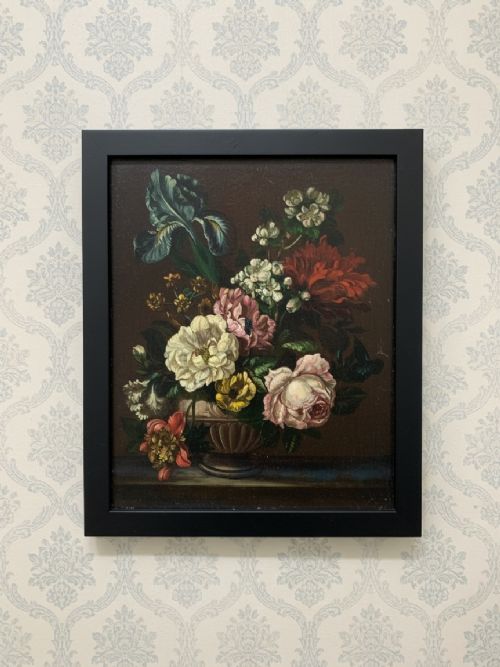
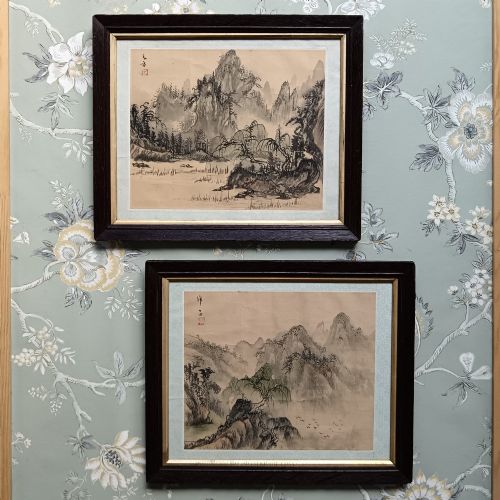
When searching for dark wood panel artwork, you encounter a diverse array of items grounded in centuries past, from oil paintings on solid timber supports to carved relief panels and framed textiles. These works span European schools, Dutch interiors, and provincial folk art alongside traditional Chinese and Indian decorative carvings.
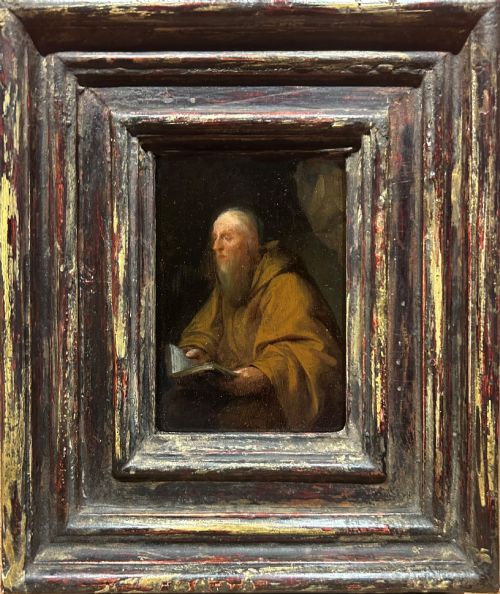
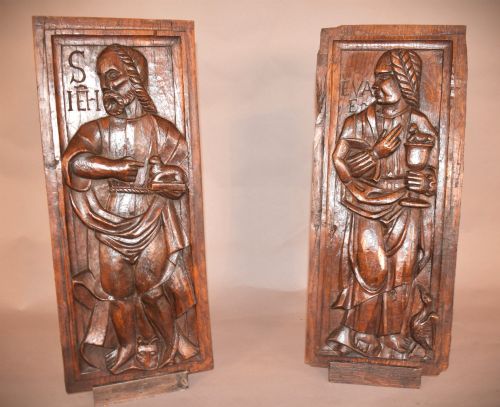
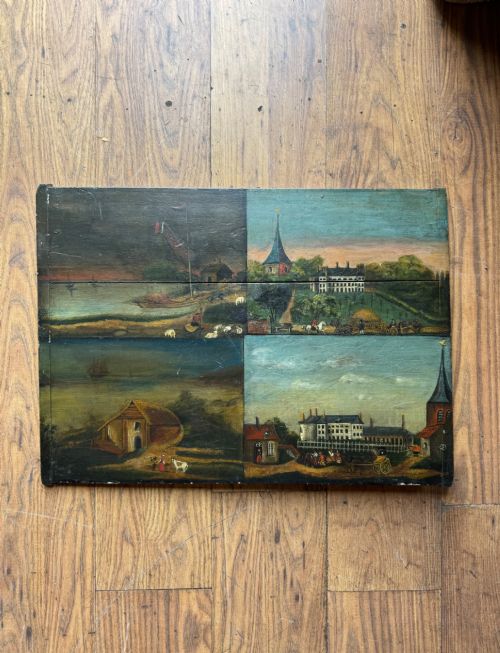
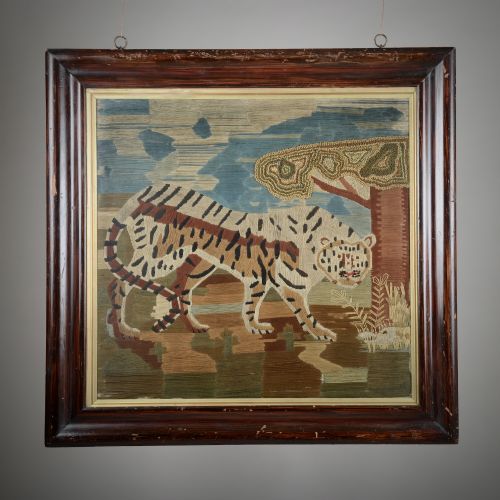
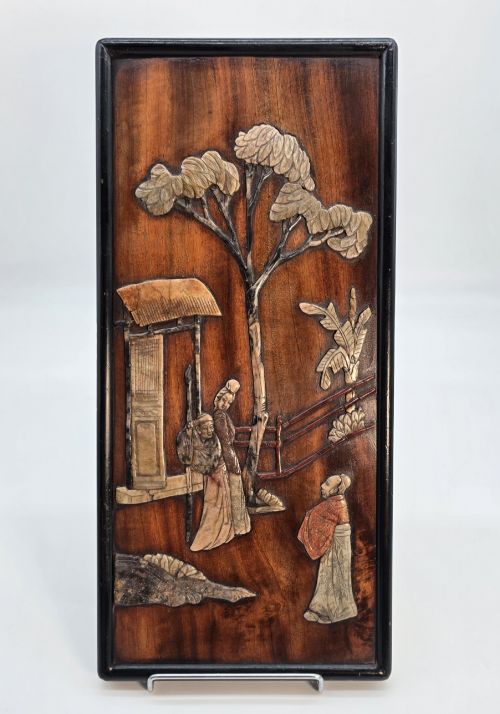
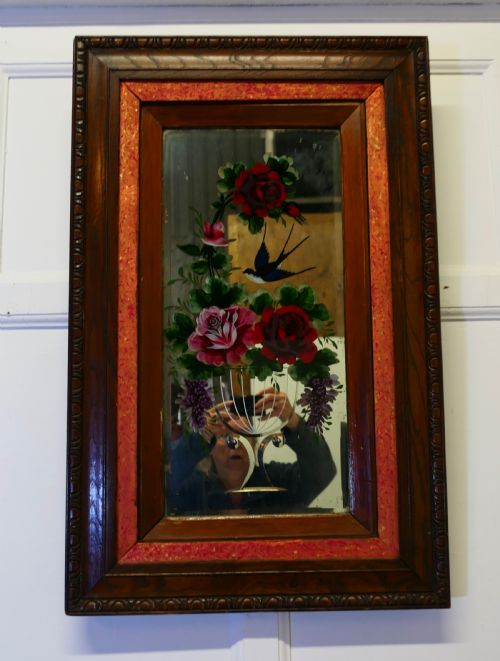
The objects most frequently met on this page are oil paintings executed directly onto wood panels, dating from the seventeenth through the nineteenth centuries, often set within heavy period frames. Alongside these paintings appear carved hardwood panels, religious icons, needlework pictures, and reverse-painted glass or mirror pieces.
Originating across Britain, continental Europe, and Asia, these dark wood panel artworks serve primarily as wall art, capturing intimate portraits, still lifes, hunting scenes, and domestic interiors. Their enduring appeal lies in the combination of a robust wooden support and the patinated depth of age-old pigments.
How they were made
Makers utilised seasoned timber supports such as oak, walnut, and various hardwoods, preparing the panel surface to receive oil paint, gold leaf, or enamel. Artists applied pigments in layers, sometimes building rich chiaroscuro effects where figures emerge from deep shadows.
Alternative techniques recorded in the listings include intricate hand-carving into hardwood, reverse painting on glass or mirror plates, and detailed needlework or silk painting mounted within timber or stone frames. Each method relies on the structural stability of the underlying wood, textile, or glass to preserve the composition over centuries.
Dark Wood Panel Artwork Retail Price Guide 2026
Typical asking prices for dark wood panel artwork among the pieces listed under this phrase on Sellingantiques today, from the lower quarter to the upper quarter. They describe what is for sale here now, not the wider market.
Listings feature wood panel artwork spanning from the seventeenth century through the Edwardian era, incorporating oil paint, gold leaf, and carved timber.
What varies in quality
The distinction between ordinary and exceptional pieces rests upon the finesse of the execution, whether in the delicate brushwork of an oil portrait, the depth and undercut of carved foliage on a hardwood panel, or the crispness of detail in a needlework picture. Superior works demonstrate a confident hand in capturing light, expression, and texture without hesitation.
Preservation of the original surface, including the integration of period timber frames and the stability of the wood panel itself, dictates the standing of a piece. Works retaining their original untouched patination and framing command greater appreciation than those with extensive later interventions.
Cornelius Johnson·Théophile Emmanuel Duverger·Jan van Staveren·Francesco Renaldi·Jan Steen
The Dark Wood Panel Artwork Glossary
- Oil on panel
- A painting technique where oil paint is applied directly to a prepared wooden board rather than canvas. This solid support often yields a smooth finish and remarkable durability over centuries.
- Chiaroscuro
- An artistic effect characterised by strong contrast between light and dark, giving a volumetric sense of three-dimensional volume to figures within a painting. This method is frequently seen in seventeenth-century domestic and religious scenes.
- Toile de Jouy
- A traditional fabric featuring a repeating printed pastoral design depicting complex historical or botanical scenes. Fragments of these textiles are occasionally framed as wall art.
- Naive folk art
- Artwork created by self-taught makers working outside the formal academic traditions of their period. These pieces are valued for their direct observation and unpretentious charm.
- Limoges enamel
- Glass fused to a metal plate through firing, creating a glossy, durable image with vibrant colouration. These plaques reflect meticulous craftsmanship originating from French workshops.
Dark Wood Panel Artwork: Frequently Asked Questions
How do I care for wood panel art?
Keep wooden panels away from direct sunlight and fluctuating heat sources to prevent the timber from warping or splitting over time. Dust the surface gently with a dry, soft cloth and avoid chemical cleaning agents.
Ensure the hanging environment maintains stable humidity levels. This protects both the wooden support and any applied oil paint or gold leaf from environmental stress.
Are these panels heavy to hang?
Many pieces utilise solid oak, walnut, or dense hardwoods, often combined with thick period frames or stone surrounds, which adds substantial weight. Secure fixings suited to your wall type are essential for safe display.
Consult a professional framer if the piece lacks adequate hanging hardware. Proper weight distribution prevents strain on the original timber construction.
How do I identify the period?
Examine the preparation of the wood, the tool marks on the reverse, and the style of the framing or pigment application. Seventeenth-century panels often show distinct hand-tooling on the back, while nineteenth-century works display different preparation grounds.
Comparing the attire, subject matter, and artistic conventions with documented examples helps narrow down the date of execution. Subtle clues in the stretcher or panel construction provide further confirmation.
What is the difference between oil on panel and canvas?
Wood panels provide a rigid, unyielding surface that allowed artists to work with minute detail and smooth blending during the early modern period. Canvas, by contrast, is flexible and responds differently to atmospheric changes.
Panels tend to be heavier and less prone to sagging than canvas, though they require careful monitoring for timber movement. Both supports have been utilised across different centuries depending on regional preference and availability.