


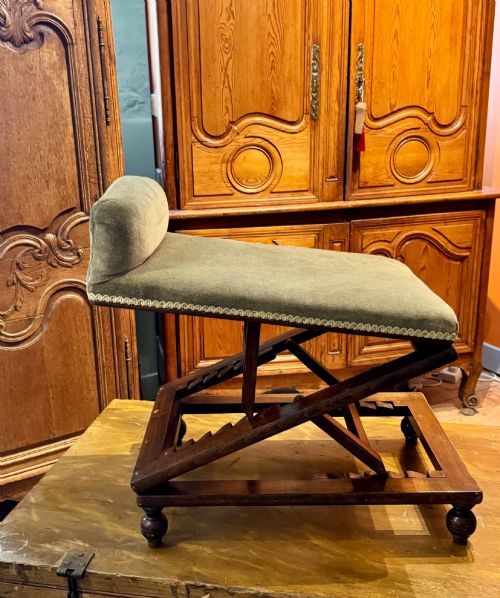
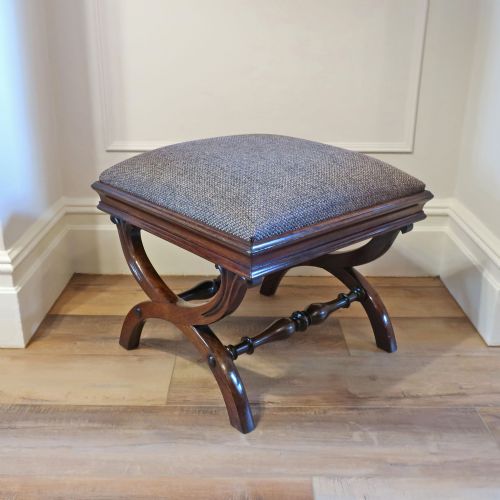


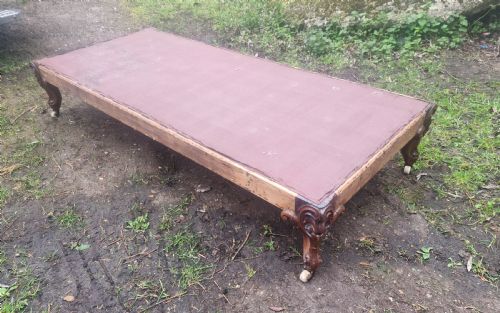
Dark Wood Ottoman Stool
These dark wood ottoman stool pieces offer sturdy timber frames and upholstered tops, bringing practical comfort and period character to any room.
Dark Wood Ottoman Stool
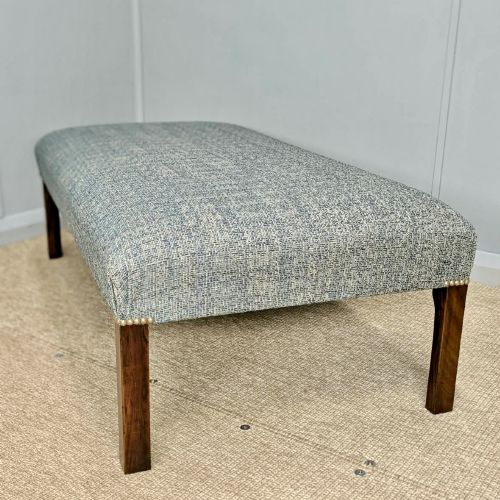
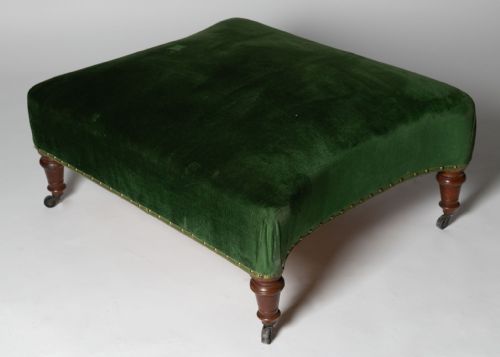
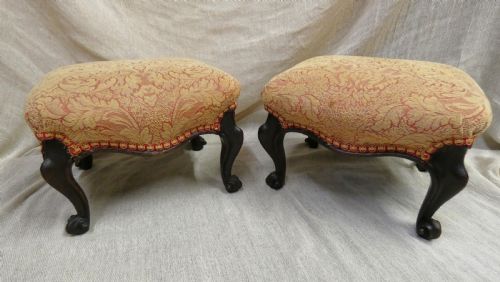
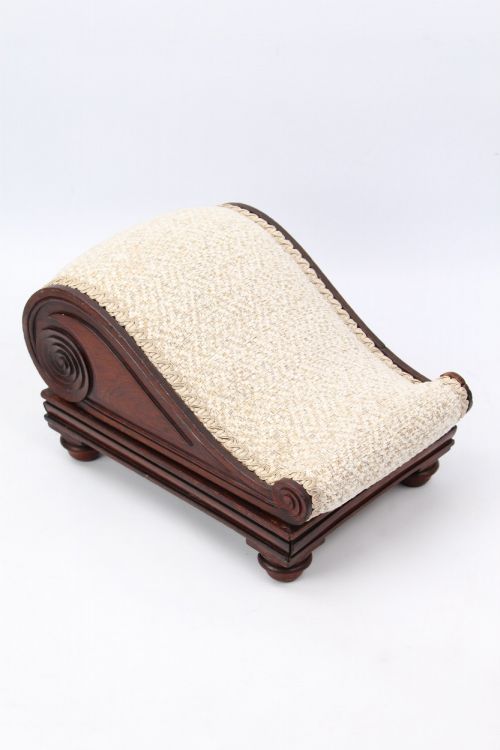
The selection ranges from compact footstools to large Anglo-Indian coffee table stools and long benches. Many pieces feature upholstered surfaces in fabric, velvet, or needlework tapestry.
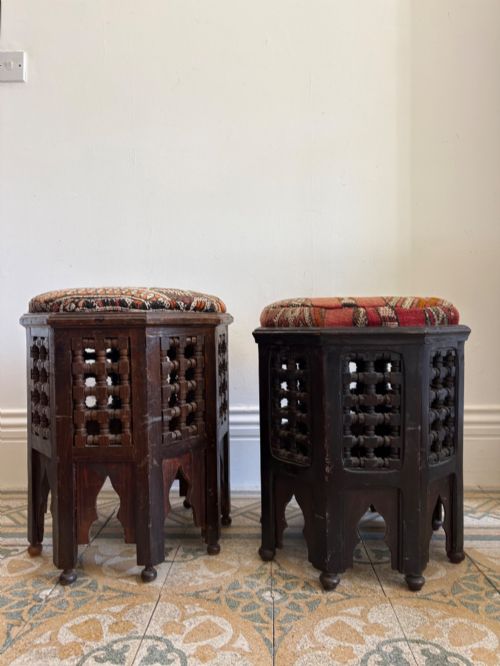
Makers drew on diverse regional styles, spanning from Georgian and Regency forms to Chippendale revivals and Moorish octagonal designs. These varied uses served drawing rooms, music rooms, and country houses alike.
How they were made
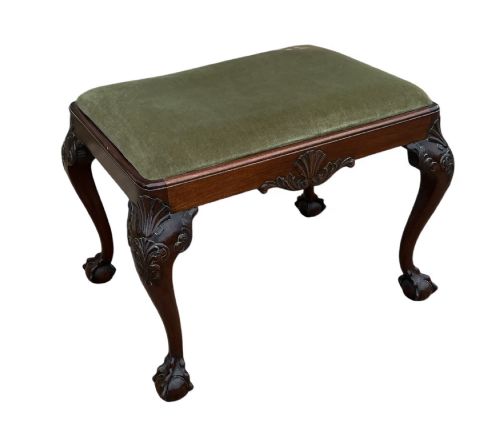
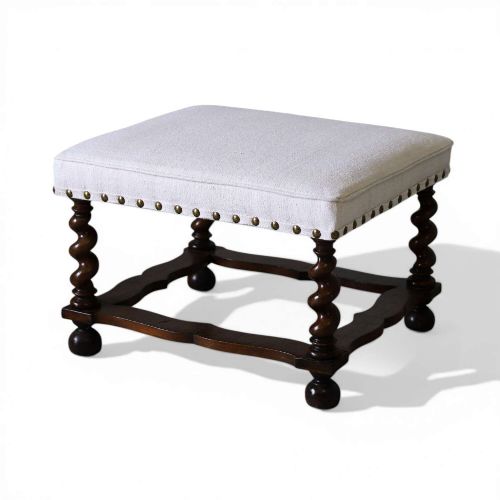
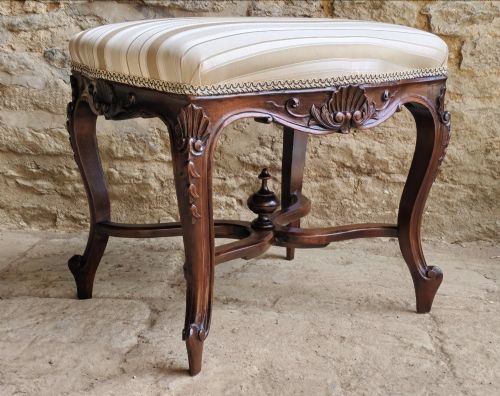
Craftsmen utilised dense timbers such as mahogany, rosewood, elm, and stained beech to build the structural frames. These woods were frequently carved with cabriole legs, ball and claw details, or barley-sugar turns.
Upholstery was applied over webbing and stuffing, utilising textiles, velvet, needlework, and kilim seat covers. Brass hardware and pearl inlay occasionally accented specific regional or revival pieces.
Dark Wood Ottoman Stool Retail Price Guide 2026
Typical asking prices for dark wood ottoman stool among the pieces listed under this phrase on Sellingantiques today, from the lower quarter to the upper quarter. They describe what is for sale here now, not the wider market.
Listings feature woods such as mahogany, rosewood, and elm alongside textiles like velvet, needlework, and tapestry.
What varies in quality
The refinement of the timber carving sets superior examples apart, particularly where detailed foliage or complex leg profiles show skilled hand work. High-end pieces often employ solid rosewood or finely figured mahogany rather than secondary woods.
Proportion and structural integrity define the maker's success, with balanced frames and robust joinery surviving centuries of use. The choice of upholstery materials, from simple fabric to intricate antique tapestry, further distinguishes the tier of the piece.
The Dark Wood Ottoman Stool Glossary
- Cabriole leg
- A furniture leg that curves outward at the knee and tapers inward to an ankle, terminating in a foot such as a ball and claw. This form became popular during the eighteenth century and later revival periods.
- Stretcher
- A horizontal timber connecting the legs of a stool to provide structural stability. Earlier pieces often incorporated turned or shaped stretchers for extra rigidity.
- Needlework
- Hand-stitched textile used for upholstery, frequently seen on nineteenth-century footstool covers. It adds patterned colour and texture to the timber frame.
- Metamorphic
- Describing furniture designed to transform its function or shape. An example is a gout stool with adjustable angles for resting a foot.
- X-framed
- A stool construction featuring intersecting diagonal legs forming an X shape when viewed from the side. This regal form appeared in notable Irish and continental designs.
Dark Wood Ottoman Stool: Frequently Asked Questions
What is a dark wood ottoman stool used for?
These pieces serve primarily as footrests, low seats, or improvised coffee tables in living spaces. Their sturdy timber frames and padded tops provide both functional support and decorative presence.
Historically, specific variants accommodated musicians or individuals requiring elevated leg support during the nineteenth century. Today, they integrate easily beside armchairs and sofas as versatile accent furniture.
How do I date a dark wood stool?
Dating relies on examining the timber species, leg geometry, and construction methods characteristic of different eras. Georgian and Regency pieces display restrained classical lines, whereas Victorian examples often feature heavier carved rosewood or mahogany.
Revival styles from later decades frequently imitated earlier centuries, requiring careful observation of joinery wear and material ageing. Comparing the carved details against documented period forms helps clarify the approximate decade of manufacture.
Are these stools suitable for daily use?
Most antique stools possess robust hardwood frames built to withstand regular seating and resting. However, vintage upholstery may require reinforcement or complete reupholstering to endure modern daily wear.
Selecting a piece with a solid mahogany or rosewood structure ensures long-term durability. Routine care involves protecting the dark wood finish and treating antique textiles with appropriate gentleness.
How do I maintain the wood finish?
Maintaining dark wood requires keeping the timber away from direct sunlight and excessive moisture fluctuation. Occasional dusting with a soft cloth preserves the natural lustre of mahogany and rosewood.
Avoid harsh chemical polishes that can degrade historical finishes over time. Natural wax formulas applied sparingly help nourish the grain without buildup.