




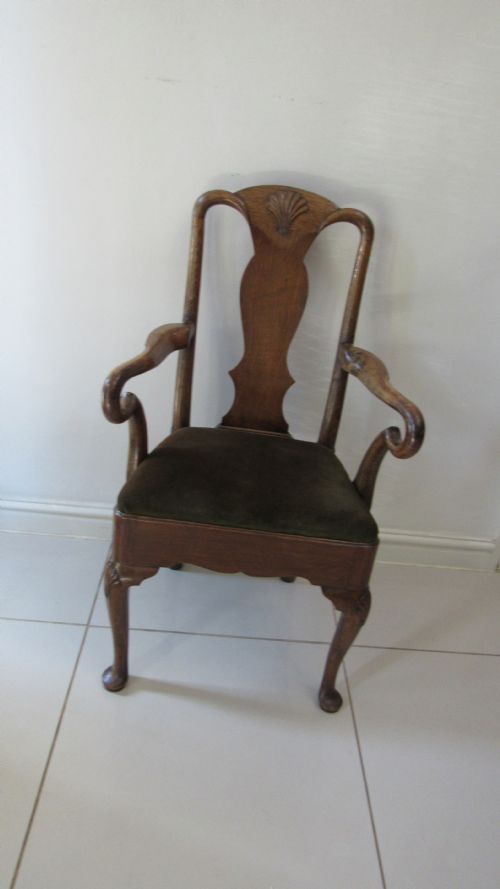


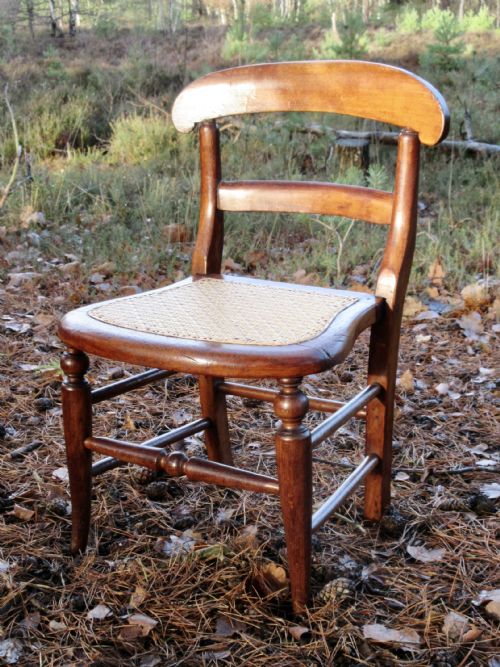
Dark Wood Miniature Chair
A dark wood miniature chair offers timeless appeal, capturing full-scale cabinet-making in miniature form for collectors and interior displays.
Dark Wood Miniature Chair
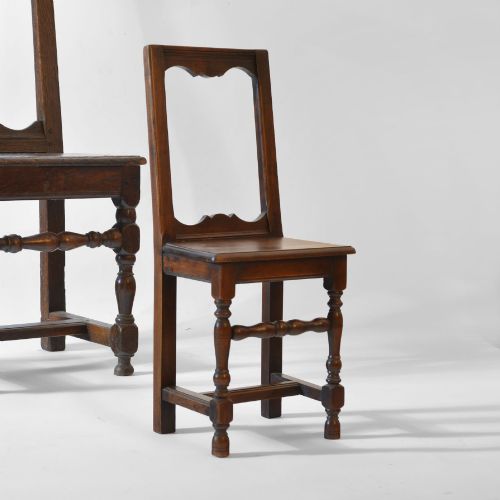
When you search for a dark wood miniature chair, you encounter a delightful variety of historic seating made for children, apprentices, or display. These diminutive pieces span several centuries, encompassing humble vernacular forms alongside formal revival styles.
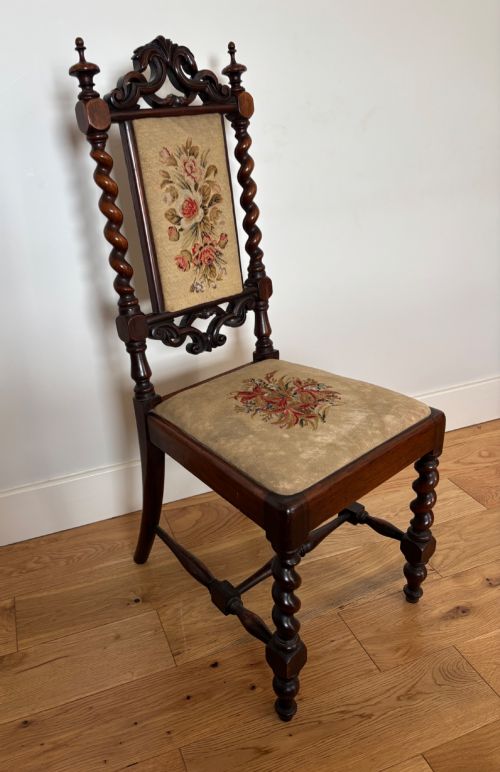
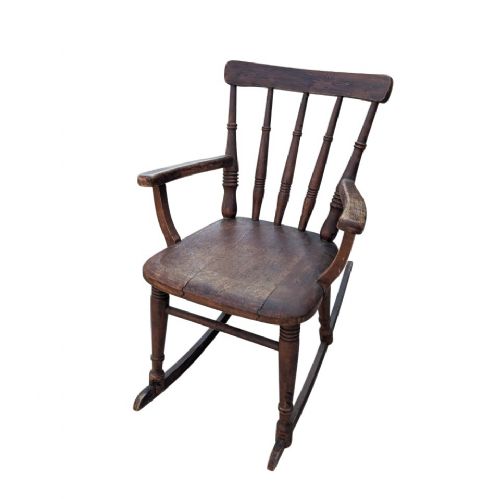
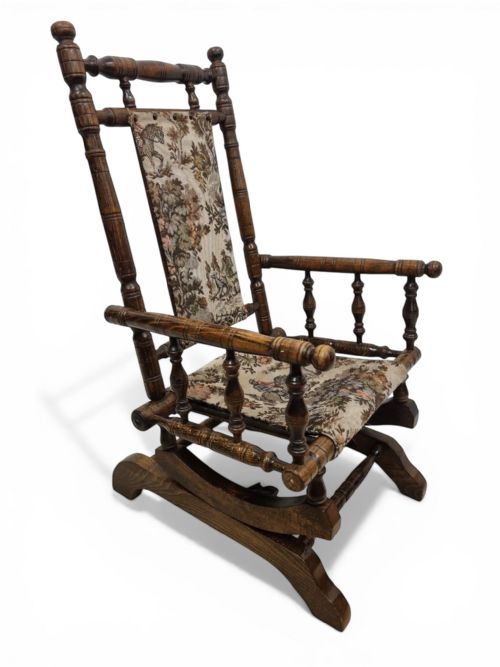
The most common examples you meet on this page are child's chairs and rocking chairs originating from the Georgian and Victorian eras. These range from robust Windsor armchairs in elm and ash to elegant rosewood and mahogany occasional seating.
Makers produced these smaller seats using the same construction methods applied to adult furniture. This category also includes apprentice pieces created to demonstrate a joiner's mastery of specific details like Chippendale splats.
How they were made
Craftsmen built these small chairs using solid timbers such as mahogany, rosewood, ash, elm, and beech. Cabinet-makers selected native hardwoods for their strength, turning spindles and steaming wood to shape curved components.
Many examples feature traditional joinery alongside steam-bent framing. Seating surfaces often incorporate woven cane, rush, solid planking, or detailed tapestry upholstery fixed with small brass tacks.
Dark Wood Miniature Chair Retail Price Guide 2026
Typical asking prices for dark wood miniature chair among the pieces listed under this phrase on Sellingantiques today, from the lower quarter to the upper quarter. They describe what is for sale here now, not the wider market.
Forms range from rocking chairs and Windsor armchairs to hall chairs and occasional side seating.
What varies in quality
The distinction between ordinary and exceptional pieces lies in the precision of the timber selection and the fidelity of the proportions. Superior examples display careful grain matching and finely turned spindles rather than crude reduction.
Original surface patina and untouched structural joinery elevate certain specimens above heavily restored counterparts. The presence of intricate hand carving, such as pierced splats on Chippendale revival forms, marks out the superior workshop production.
The Dark Wood Miniature Chair Glossary
- Apprentice piece
- A small-scale item created by a trainee to prove skill to a guild. These objects display the same intricate details found on full-sized furniture.
- Windsor chair
- A wooden seat constructed with a solid sculpted wooden seat saddle into which upright legs and back spindles are wedged. This form appears frequently in ash and elm.
- Bergere
- An enclosed upholstered armchair with cane work panels on the sides and back. Georgian versions utilise fine natural cane weaving.
- Splats
- The central vertical slat of wood within a chair back. Elaborate designs often reference specific cabinet-making styles like Chippendale.
Dark Wood Miniature Chair: Frequently Asked Questions
How do I date a miniature chair?
Dating relies on examining the timber species, construction techniques, and stylistic markers present in the design. Georgian pieces often show vernacular Windsor framing or refined mahogany cabriole legs.
Victorian and later examples introduce bentwood techniques, rosewood veneers, or specific upholstery materials. Tool marks and fastener types further help narrow down the period of production.
Are these chairs suitable for children?
While originally built for children to sit on, antique miniature chairs are now treated primarily as decorative historic objects. Their historic construction and fragile antique surfaces mean they require careful handling rather than daily juvenile use.
Collectors generally place them in protected interior environments away from heavy physical wear. Sound structural frames can still support light placement, but most owners prefer to admire them as works of art.
What is an apprentice piece?
An apprentice piece is a meticulous miniature created by a craftsman in training to demonstrate mastery of a specific discipline. Passing this test allowed the maker to join a professional guild as a full master.
These objects mirror every detail of adult furniture down to the exact joinery methods. Their high level of finishing distinguishes them from ordinary children's toys or simple scale models.