


Dark Wood Linen Cabinet
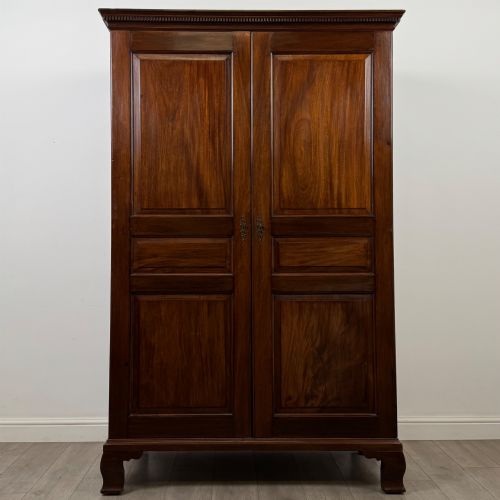
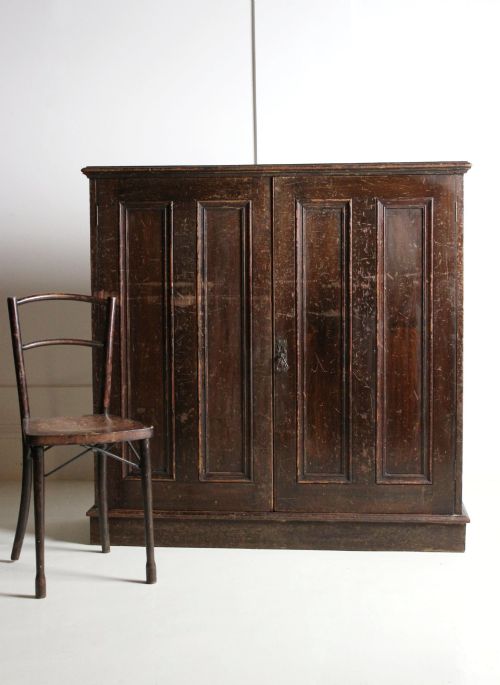
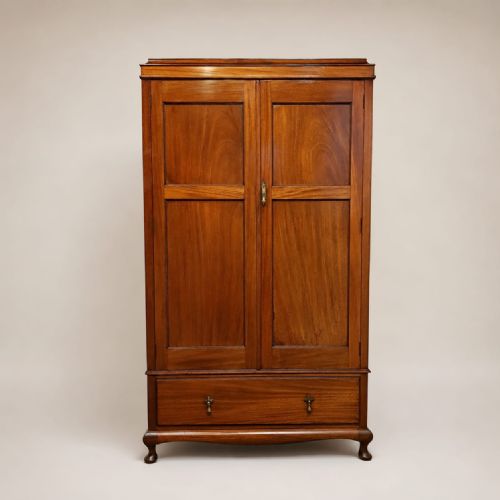
A dark wood linen cabinet provides deep storage with period presence, constructed from timbers that gain rich character over time.

Dark Wood Linen Cabinet
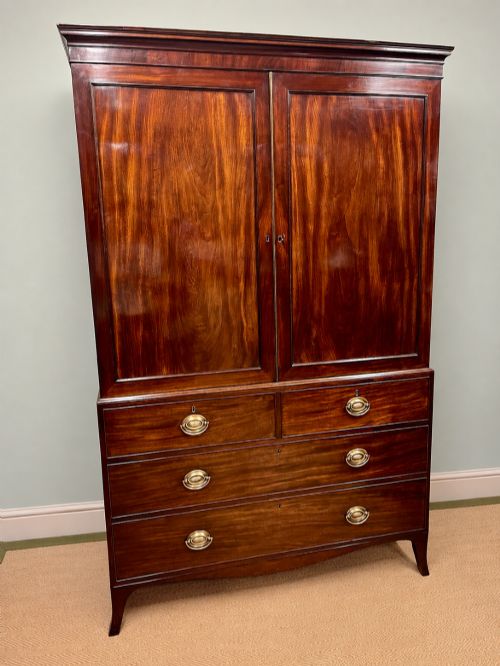
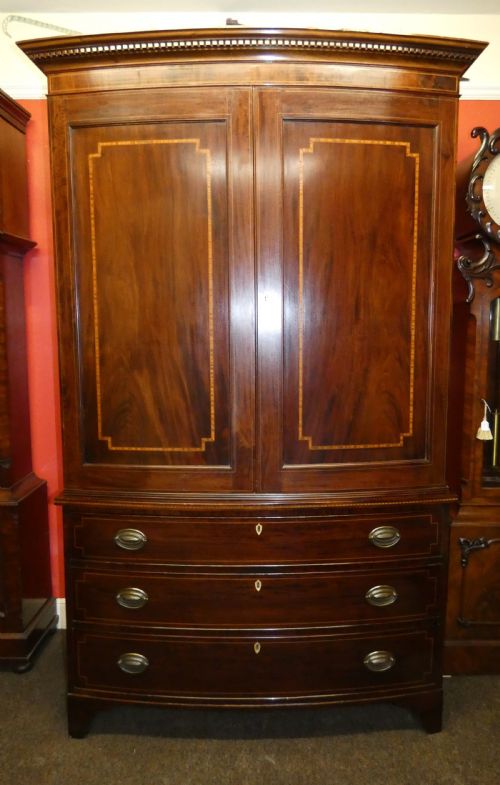
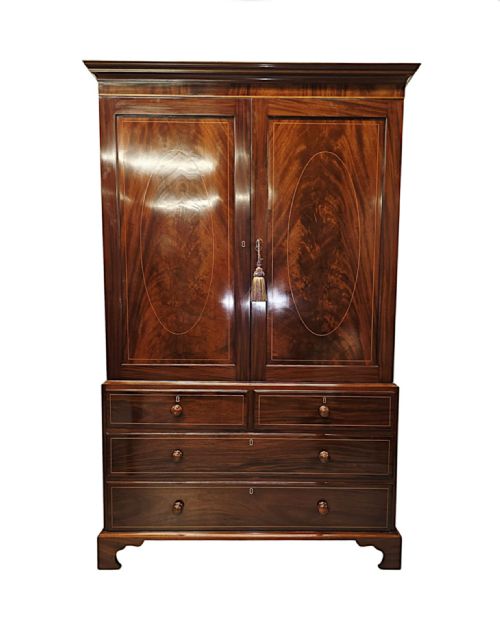
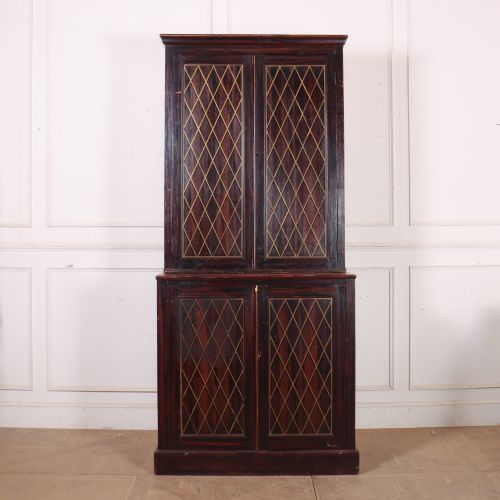
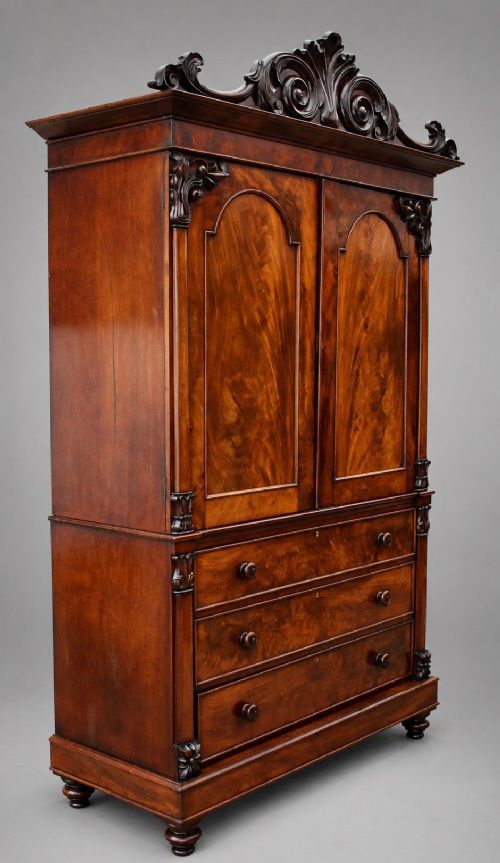
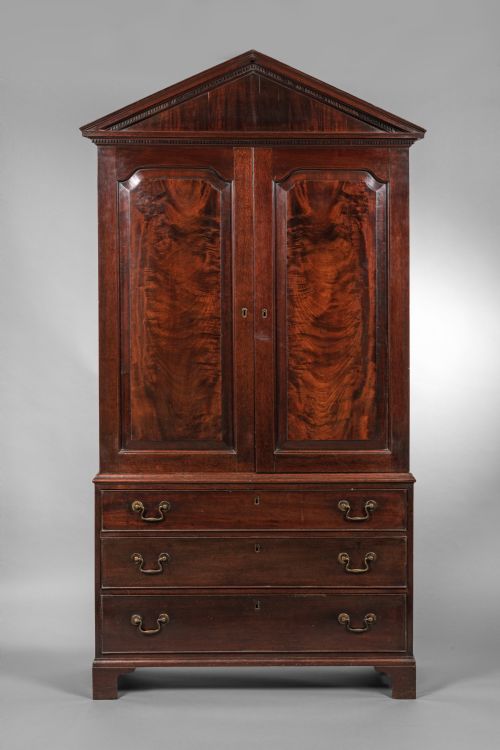
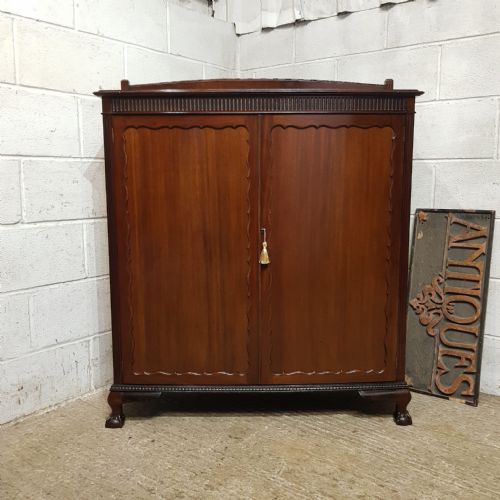
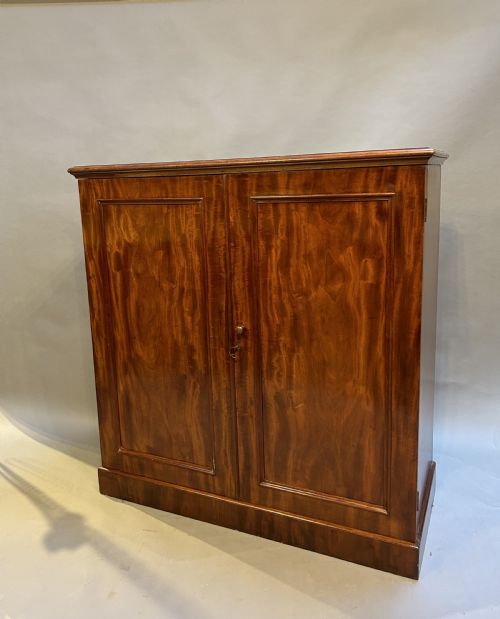
A dark wood linen cabinet spans several centuries of furniture design, originating primarily as utilitarian storage for household textiles and garments. When searching for a dark wood linen cabinet, buyers encounter robust forms built from dense hardwoods like mahogany and oak. These pieces range from compact dwarf cupboards to substantial Georgian and Regency presses featuring panelled doors and upper storage sections.
The versions most frequently seen on this page date from the eighteenth and nineteenth centuries, reflecting classical styles such as Georgian, Regency and Edwardian. Many examples incorporate upper sections with sliding trays or shelves above drawer bases, designed to keep linens flat and protected. Makers utilised dark timbers to project authority and elegance in bedrooms and dressing rooms.
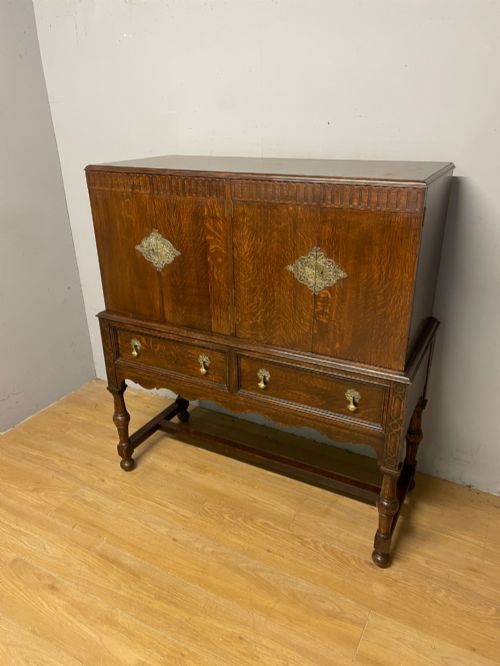
Beyond traditional British workshops, related formats include French provincial commodes, Anglo-Indian cabinets and Scandinavian cupboards in similar dark tones. Each piece demonstrates the enduring demand for substantial timber storage that organises domestic spaces while anchoring a room with deep, polished grain.
Materials and construction methods
Makers constructed these cabinets using solid timbers such as mahogany, oak and rosewood, often enhanced with flame mahogany veneer or satinwood crossbanding to add visual depth. Carpenters employed traditional mortise and tenon joints for structural frames, ensuring the heavy timber doors and internal shelving remained stable across changing seasons. Drawer boxes utilise hand-cut dovetail joints, indicating meticulous bench joinery that sustains daily use.
Surface finishing involved hand-applied polish, wax or shellac to seal the wood while accentuating natural grain patterns and deep colour variation. Brass hardware, including drop handles, escutcheons and working locks, provided both functional operation and decorative contrast against the dark surfaces. Iron fixings occasionally reinforced internal frames and heavy door hinges on utilitarian pieces.
Listings feature pieces spanning the Georgian, Regency, Edwardian and Victorian periods, constructed primarily from mahogany and oak with occasional brass and iron hardware.
Distinctions in craftsmanship and materials
Quality in these cabinets rests upon the selection of timber and the precision of decorative details like inlay, crossbanding and carving. Superior pieces display book-matched flame mahogany veneers and crisp mouldings that demonstrate advanced cabinet-making skill rather than standard production work. Original brass hardware, intact interior sliding trays and functioning locks further elevate an example.
Proportion and structural integrity distinguish finer workshops from simpler provincial output. Well-balanced cornices, tight joinery at carcass corners and evenly patinated surfaces separate exceptional examples from later or heavily restored alternatives. The depth of the timber's grain and the crispness of executed details reveal the true tier of craftsmanship.
Thomas Chippendale·Francis Brodie·Heals
The Dark Wood Linen Cabinet Glossary
- Linen Press
- A tall piece of furniture featuring upper doors enclosing shelves or sliding trays above a chest of base drawers. This form was traditionally used to store household linens and folded garments.
- Crossbanding
- A decorative border of veneer laid around the perimeter of a panel or drawer front with the grain running perpendicular to the centre. This technique creates a contrasting frame effect.
- Flame Mahogany
- A figured timber veneer cut from the branch junction of the mahogany tree, displaying a distinctive flamed or swirling pattern. It was widely utilised on high-status Georgian and Regency furniture.
- Dwarf Cupboard
- A low-standing storage cabinet designed with reduced height proportions. These pieces offer surface display space while maintaining enclosed storage below.
- Escutcheon
- A protective plate surrounding a keyhole, usually fashioned from brass. It prevents the wood around the lock from sustaining wear from repeated key use.
Dark Wood Linen Cabinet: Frequently Asked Questions
What is a linen press?
A linen press is a traditional tall cabinet designed with upper doors enclosing sliding trays or shelves, positioned above a chest of drawers. This configuration kept textiles flat, organised and protected from dust before modern wardrobes became common.
Over time, many of these cabinets were converted internally to accommodate hanging garments while retaining their traditional panelled exterior doors and heavy proportions.
How do I care for dark wood?
Maintain dark wood furniture by applying natural beeswax periodically and buffing with a soft, lint-free cloth to nourish the finish. Avoid placing timber cabinets in direct sunlight or near heat sources to prevent the wood from drying out and splitting.
Keep indoor humidity stable and lift items rather than dragging them across the top surface to preserve the antique polish and structure.
How do I date an antique cabinet?
Dating relies on examining construction techniques, such as hand-cut dovetails, timber species and secondary woods used inside drawer linings. Hardware styles, cabinet proportions and design motifs characteristic of Georgian, Regency or Edwardian periods provide further chronological markers.
Comparing structural details against documented examples helps narrow down the era of production within the eighteenth and nineteenth centuries.
Where should I place a cabinet?
These substantial cabinets suit bedrooms, dressing rooms or large hallways where their deep timber tones and height create a strong visual anchor. Ensure the chosen wall space has sufficient clearance for wide doors to open fully, particularly if the interior contains pull-out sliding trays.
Allow enough room around the piece so its proportions and decorative grain patterns can be appreciated without feeling cramped by surrounding furniture.