

Dark Wood Drinks Table
A dark wood drinks table brings centuries of practical hospitality into a modern room, offering a sturdy surface for decanters and glasses.
Dark Wood Drinks Table
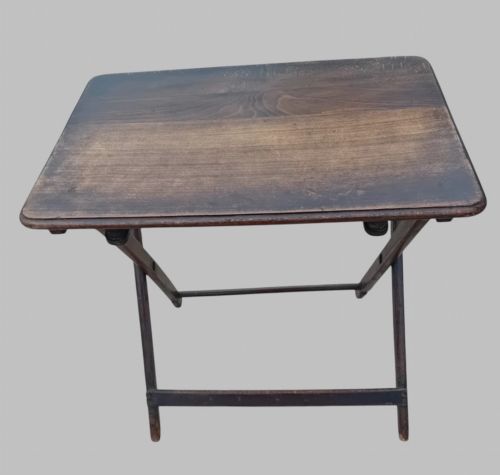
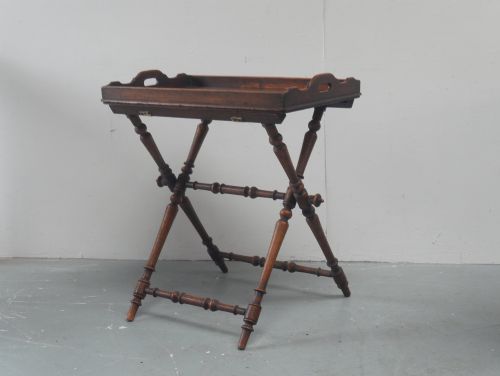
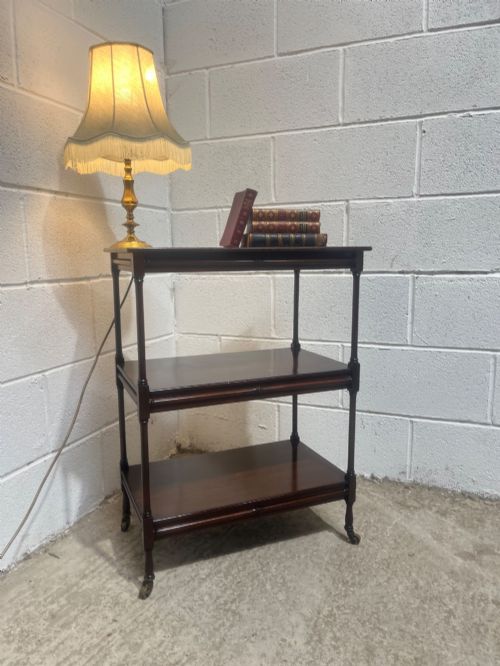
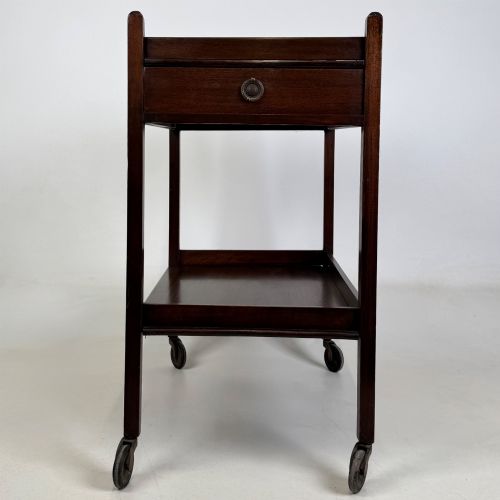
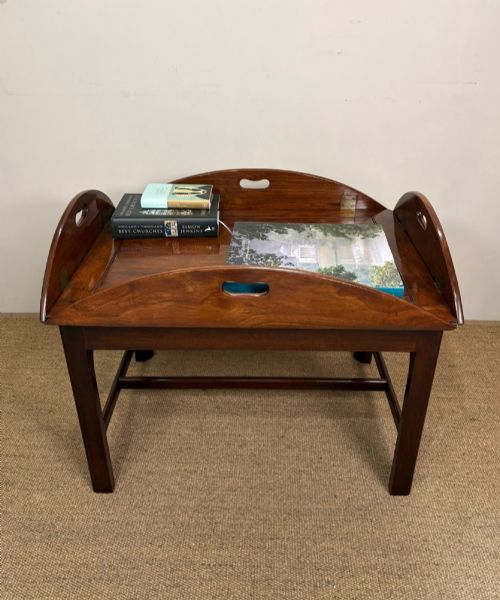
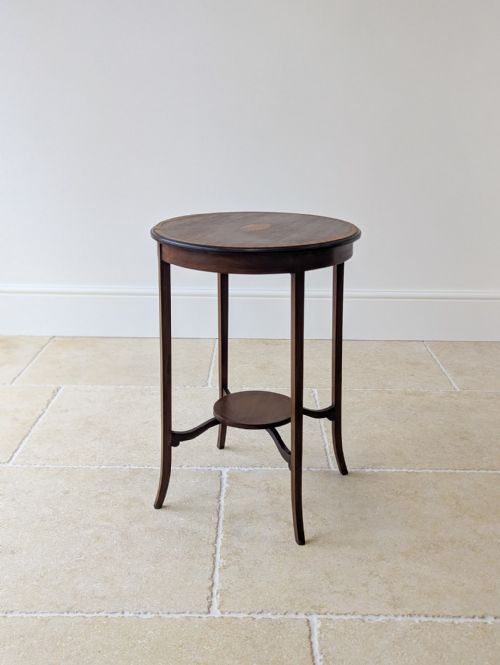
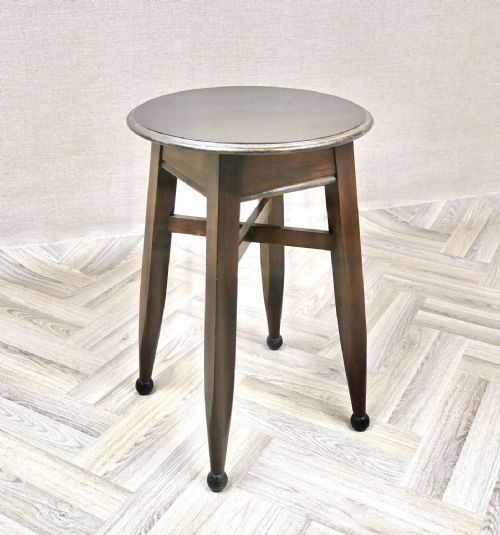
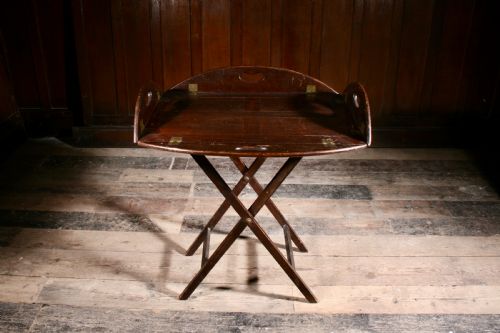
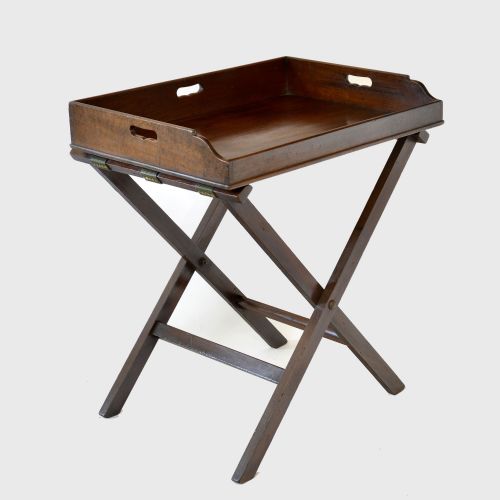
A dark wood drinks table encompasses a range of serving furniture, most frequently appearing as folding butler's trays on stands, compact wine tables, and tiered tea trolleys. These pieces emerge across the eighteenth, nineteenth, and early twentieth centuries, spanning periods from Georgian design through to Edwardian and Art Deco production.
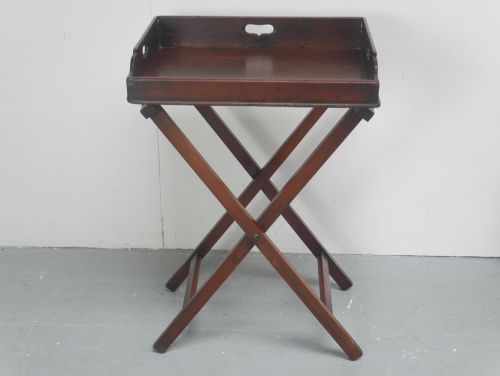
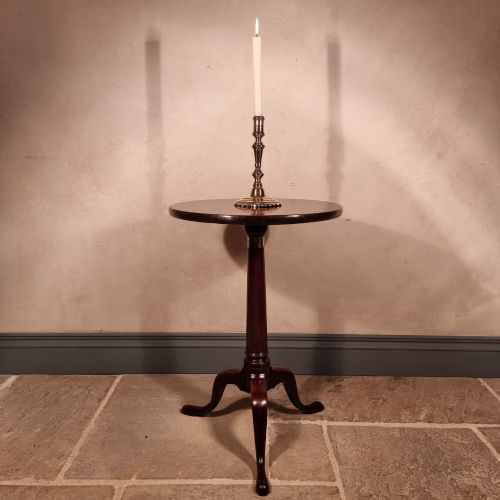
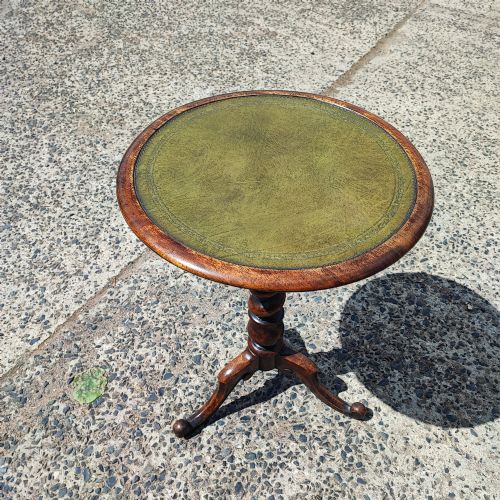
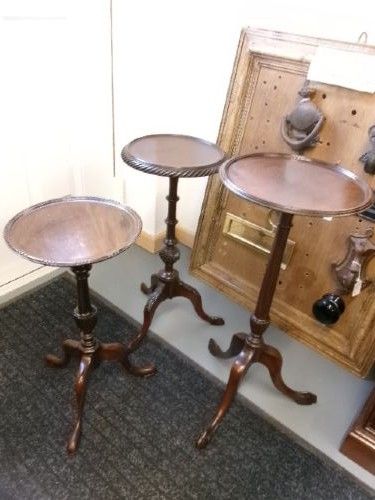
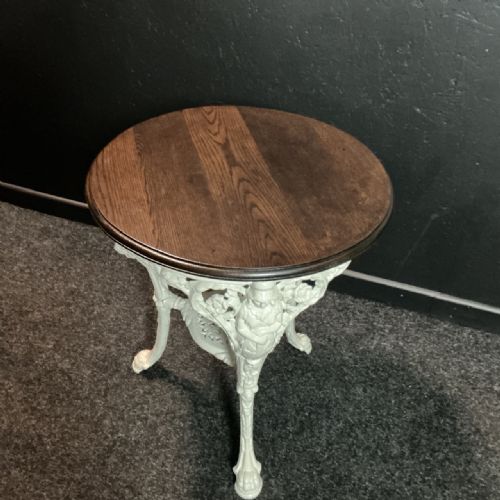
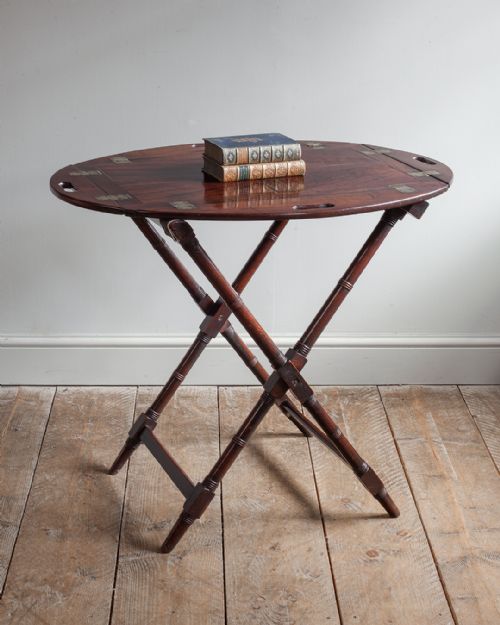
The most common formats on this page are mahogany wine tables and butler's trays supported by folding wooden stands. Buyers also encounter heavier pub tables featuring cast iron bases alongside specialised serving tables linked to campaign or colonial use.
Origins vary from traditional English workshops to Anglo-Indian production and regional public house fittings. Each variation reflects the shifting social habits of entertaining, from formal afternoon tea to evening wine service.
Materials and construction methods
Makers relied principally upon dense hardwoods such as mahogany, oak, walnut, and rosewood to withstand the daily weight of glassware and bottles. Surfaces frequently show the rich grain of polished mahogany or the durable finish of seasoned oak.
Structural integrity relied on traditional joinery, with folding models utilising hinged frames and collapsible X-stands for easy storage. Metal elements appear in cast iron pub bases and brass hardware on campaign-style trays.
Listings feature pieces spanning the eighteenth century through to the 1930s, constructed in mahogany, oak, rosewood, walnut, and cast iron.
Distinctions in craftsmanship and condition
Quality rests upon the selection of timber and the precision of the joinery, particularly in folding stands and tier joints where movement occurs. Finer examples display carefully matched wood grains and original hardware rather than replaced components.
Proportion and stability separate standard utility pieces from finer parlour furniture. Tables with solid timber tops and firmly fixed pillar supports maintain better balance when holding heavy decanters.
The Dark Wood Drinks Table Glossary
- Butler's tray
- A removable wooden tray with hinged or panelled sides, designed to sit upon a folding X-frame stand for serving. These pieces served domestic households during the Georgian and Victorian eras.
- Wine table
- A small, single-pillar occasional table with a circular top, traditionally used for holding glasses and wine bottles beside seating. They frequently date from the eighteenth and nineteenth centuries.
- Tea trolley
- A multi-tiered mobile serving cart on wheels, often featuring folding leaves or drop sides. Edwardian examples commonly use oak or mahogany construction.
- Campaign style
- Portable furniture engineered to fold or dismantle for travel, often incorporating brass corners and carrying handles. Beech and hardwood were standard materials for these pieces.
Dark Wood Drinks Table: Frequently Asked Questions
How do I use a drinks table in a modern room?
These tables function well beside armchairs or sofas to hold glasses, decanters, or small lamps. Their compact footprints allow them to fit into corners or spaces where larger side tables will not.
Folding butler's trays offer flexibility because they can be stored away when not in use or opened up during social gatherings.
How do I identify a Victorian drinks table?
Victorian examples often display heavier timber construction in mahogany or rosewood, sometimes featuring turned columns and decorative edging. Cast iron bases also appear on pub-style tables from this period.
Construction methods from the nineteenth century typically show hand-cut joinery and aged patination on the timber surfaces.
Are these tables sturdy enough for daily use?
Most pieces were built from dense hardwoods like mahogany and oak specifically to hold heavy ceramic and glassware. Proper construction ensures they remain stable for everyday placement of bottles and cups.
Checking the stability of folding stands and pillar joints helps ensure the table handles regular movement safely.