


Dark Wood Desk Organiser
A dark wood desk organiser brings order to papers and pens while anchoring a writing surface in rich, warm timber.
Dark Wood Desk Organiser
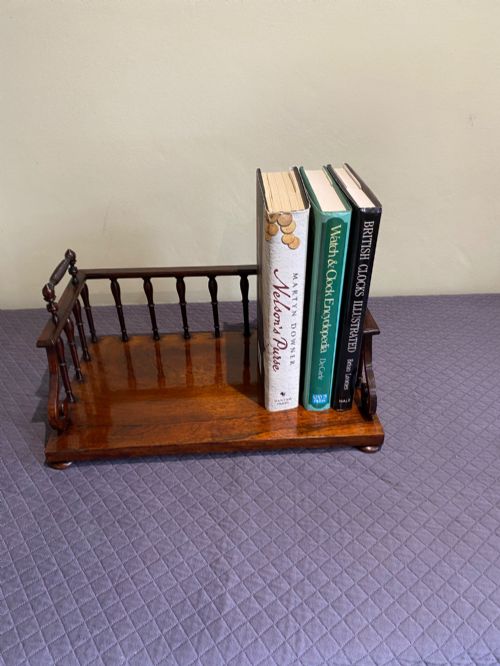
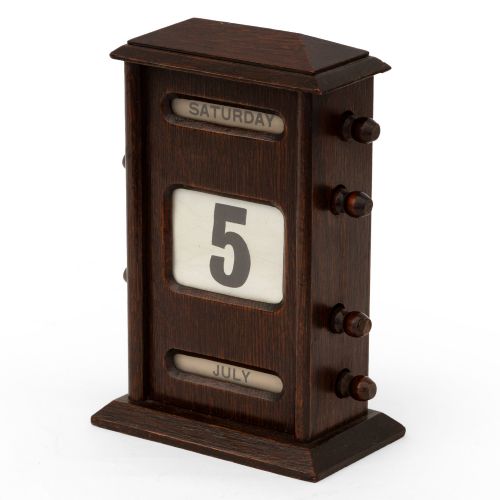
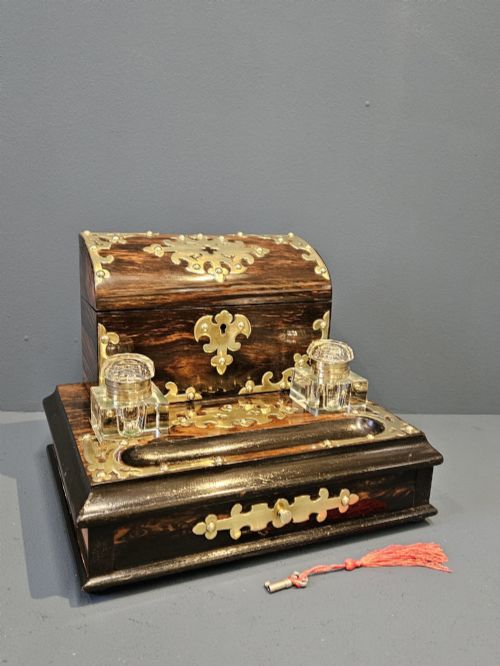
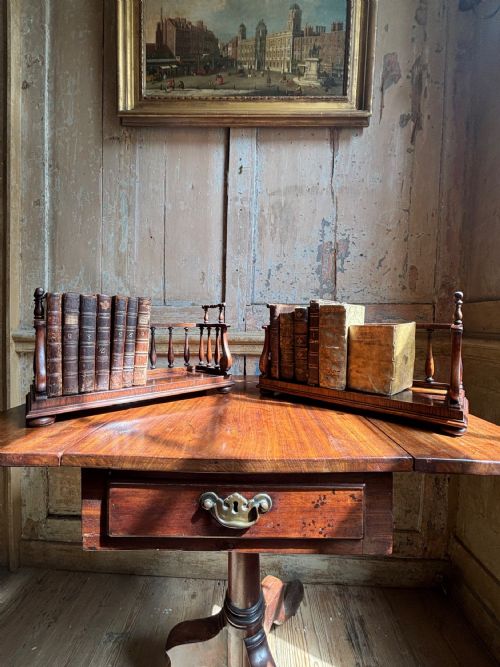
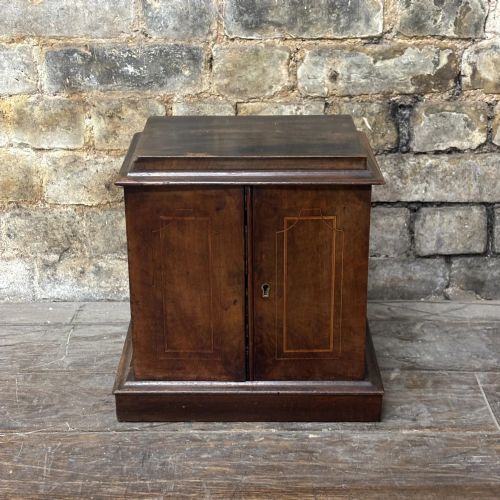
A dark wood desk organiser comprises practical tabletop furniture designed to sort correspondence, hold ink, and keep papers tidy. These pieces range from Victorian coromandel stationery cabinets to Georgian mahogany book carriers and compact banks of drawers.
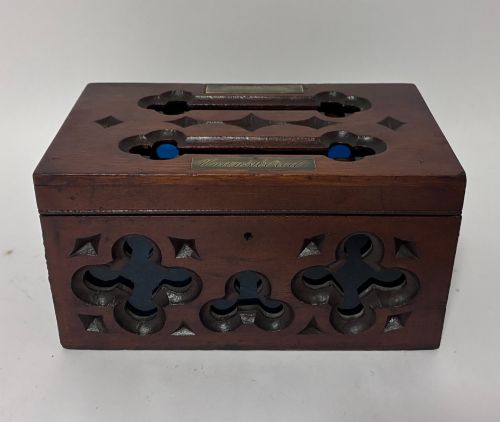
Most examples found in these listings date from the nineteenth century, including Victorian and Edwardian periods, alongside earlier Georgian items and pieces from the nineteen-twenties. Forms vary from simple desk tidies and pigeonholes to fall-front cabinets and correspondence boxes.
How they were made
Cabinet makers utilised dense hardwoods such as mahogany, rosewood, oak, and coromandel to construct these durable desktop accessories. Many surfaces feature fine carving, while brass hardware provides functional drops, handles, and hinges.
Specialised forms incorporate fitted interiors, glass inkwells, and mother of pearl inlay to elevate everyday writing equipment. Construction techniques reflect traditional joinery suited to daily desktop use.
Listings feature mahogany, rosewood, oak, and coromandel across periods from the eighteenth century to the nineteen-twenties.
What varies in quality
The distinction between standard office accessories and superior pieces lies in the choice of timber figure, such as richly grained coromandel or figured mahogany. Finer examples display meticulous hand-carving and thoughtful integration of brass mounts or pigeonholes.
Overall structural integrity and the presence of original fittings, including drop handles and interior dividers, separate basic utility items from exceptional collectors' cabinets.
The Dark Wood Desk Organiser Glossary
- Coromandel
- A dense, heavily figured tropical hardwood prized for its dark grain and used in high-end Victorian boxes.
- Correspondence box
- A lidded or hinged desktop container specifically designed to hold writing paper and envelopes.
- Pigeonholes
- Small, open compartments within a desk tidy or cabinet used for sorting letters and documents.
- Inkstand
- A fitted tray or stand holding one or more inkwells alongside pen recesses for desk use.
- Tabletop cabinet
- A miniature piece of furniture designed to sit on a desk with multiple small drawers or doors.
Dark Wood Desk Organiser: Frequently Asked Questions
What fits inside a dark wood desk organiser?
These pieces accommodate letters, envelopes, pens, and small stationery items within dedicated compartments, drawers, or slots. They were built to keep writing tools close at hand on top of a desk.
Larger versions like stationery cabinets and correspondence boxes offer deeper storage for folded papers and ledgers.
How do I maintain the timber surface?
Dust the wood regularly with a soft, dry cloth to prevent buildup in carved areas and around brass handles. Avoid placing the piece in direct sunlight or near heat sources to protect the polish.
Occasional application of appropriate wax helps preserve the natural lustre of mahogany, rosewood, or oak.
Are these pieces suitable for modern desks?
Their compact tabletop footprints allow them to sit neatly on contemporary desks or side tables while providing practical storage. They serve as functional organisers for mail, notebooks, and everyday stationery.
Using period accessories adds character and warmth to a modern workspace.
How can I tell the period of a desk organiser?
Dating relies on timber choice, construction methods, and stylistic cues such as Gothic Revival details or brass drop handles. Georgian and Victorian pieces often show distinct proportions and hand-cut joinery.
Later Edwardian and nineteen-twenties items reflect evolving office needs and manufacturing techniques.