
Dark Wood Book
A dark wood book or related piece brings warmth and structure to a room through dense timber and honest utility.
Dark Wood Book
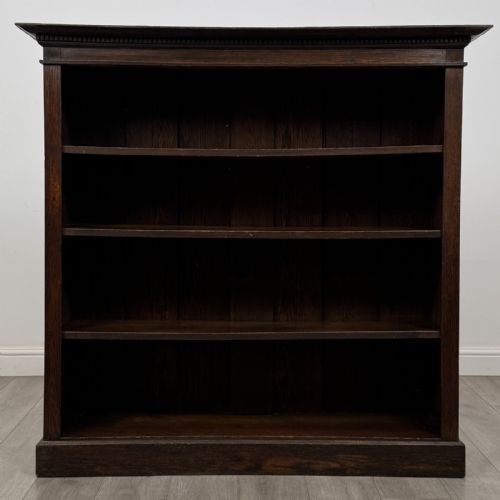
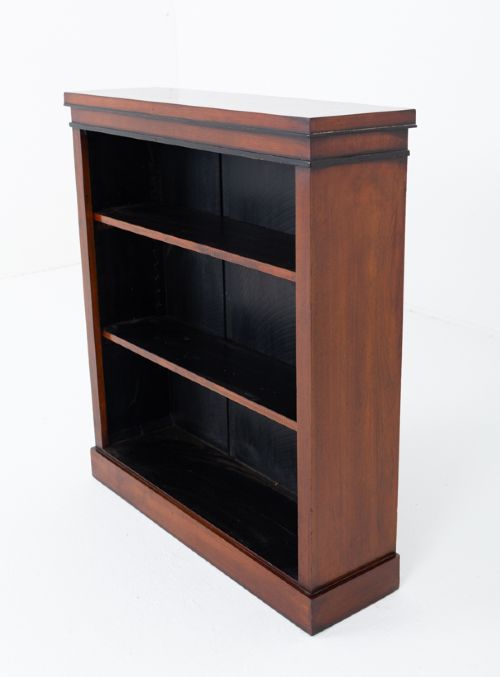
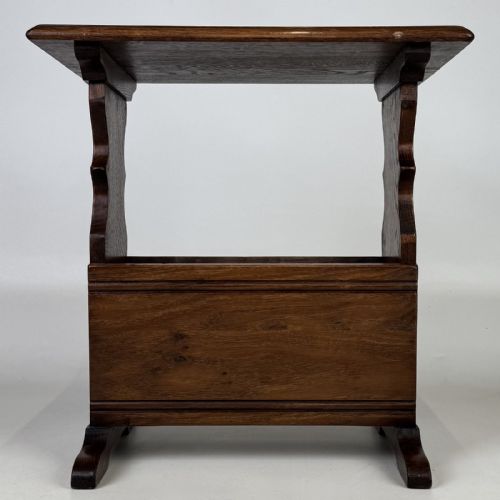
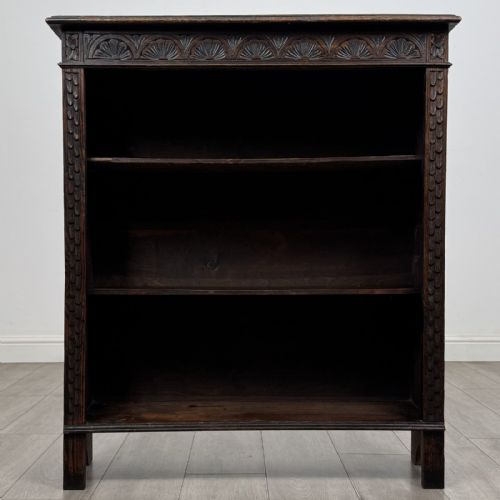
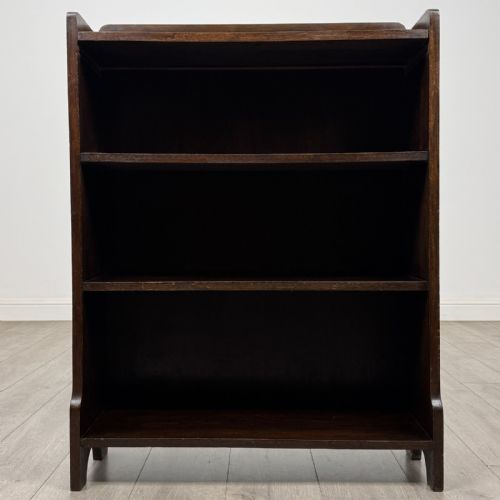
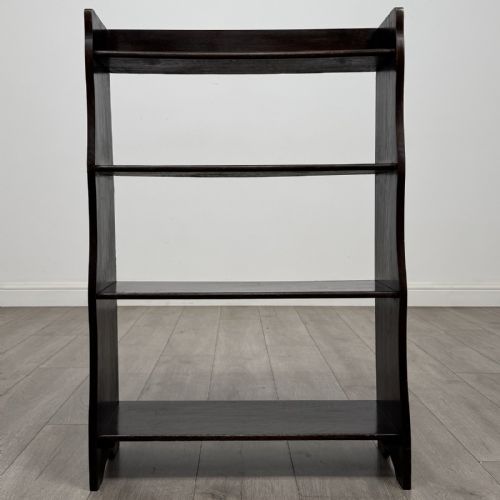
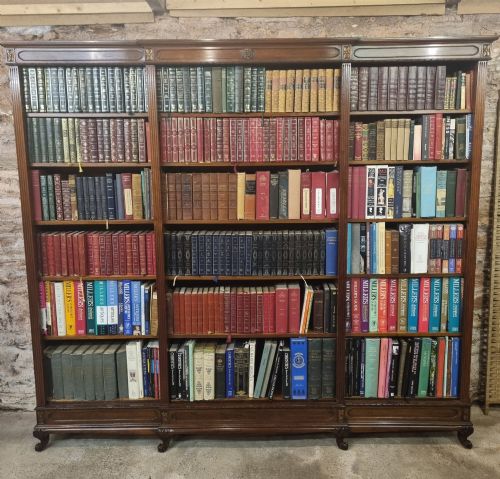
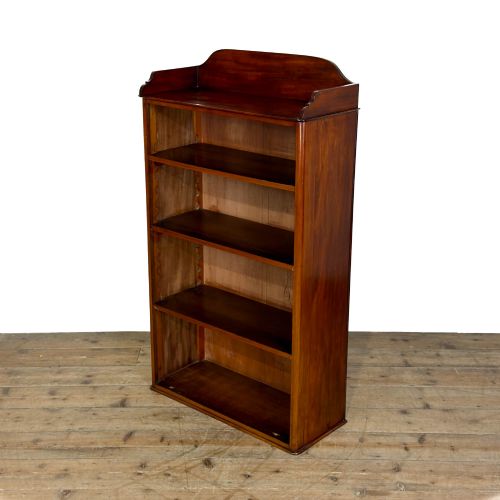
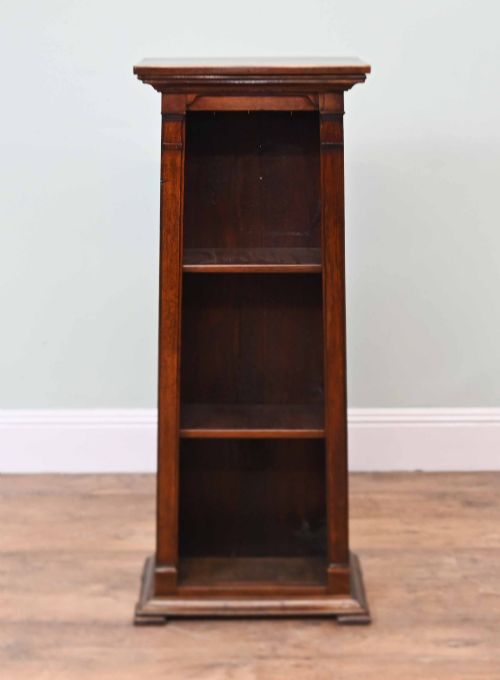
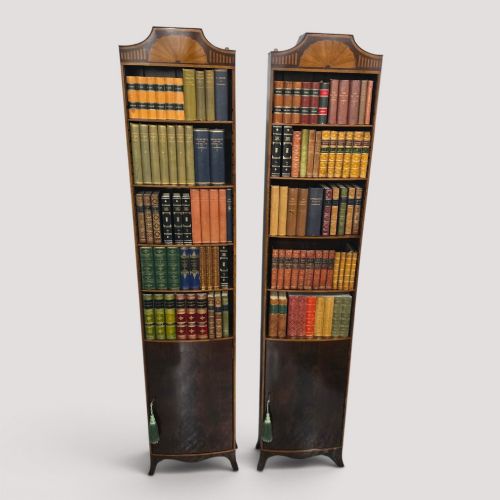
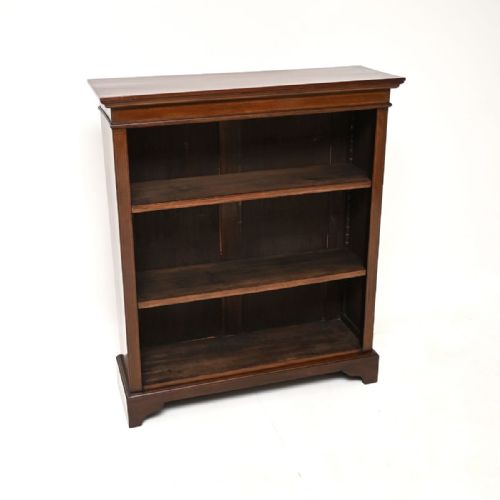
A dark wood book search typically leads you to a varied selection of bookcases, display cabinets, reading stands, and bookends spanning the nineteenth and early twentieth centuries. These items serve the practical purpose of housing volumes while introducing architectural presence into a domestic interior.
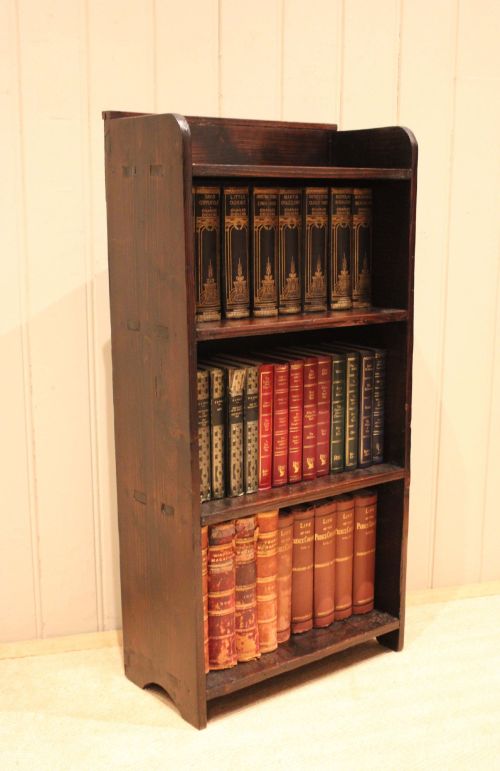
Origins stretch from formal Georgian and Regency workshops through the robust output of the Victorian era and into the simpler lines of the 1920s. Buyers encounter everything from tall glazed cabinets to small rustic shelving units suited to compact spaces.
Materials and construction methods
Cabinet makers utilised dense hardwoods such as mahogany, oak, walnut, and rosewood to build strong frames capable of supporting heavy rows of volumes. Timber selection dictated the visual weight of the furniture, with open grain oak and figured mahogany dominating the production.
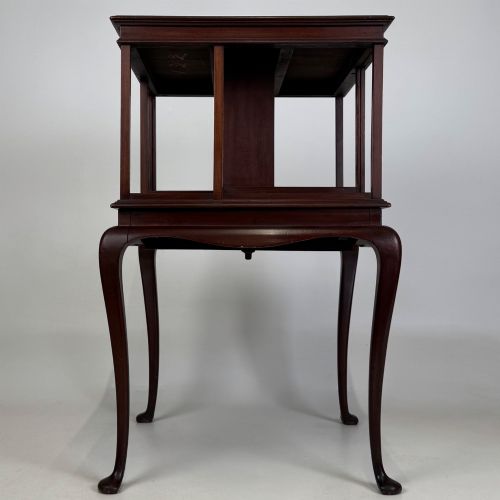
Construction techniques evolved from pegged joints and solid timber panels in earlier periods to sophisticated mechanical actions in revolving bookcases and adjustable shelf mechanisms in late Victorian iterations. Brass fittings, glass panes, and inlaid details frequently completed the structural work.
A pair of carved Black Forest owls keeps watch over the bookshelf.
The markers of finer execution
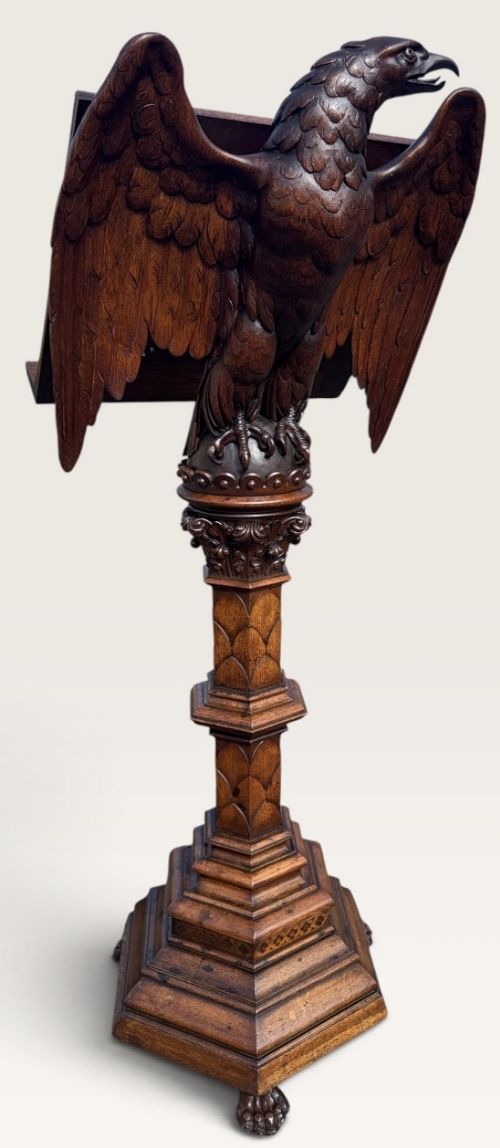
Quality rests upon the selection of timber figures, the crispness of carved details such as eagle lecterns or owl bookends, and the integrity of the joinery. Superior pieces display thoughtful proportions, balanced grain patterns, and well-executed decorative elements like raised galleries or inlaid borders.
The distinction between standard utility items and exceptional examples lies in the refinement of the secondary woods, the smoothness of revolving mechanisms, and the retention of original brass hardware. Better workshops invested greater care into internal shelving adjustments and stability.
Liberty and Co·Ercol
The Dark Wood Book Glossary
- Breakfront
- A large cabinet design where the central section projects forward from the flanking wings. This layout adds visual depth to large library furniture.
- Revolving bookcase
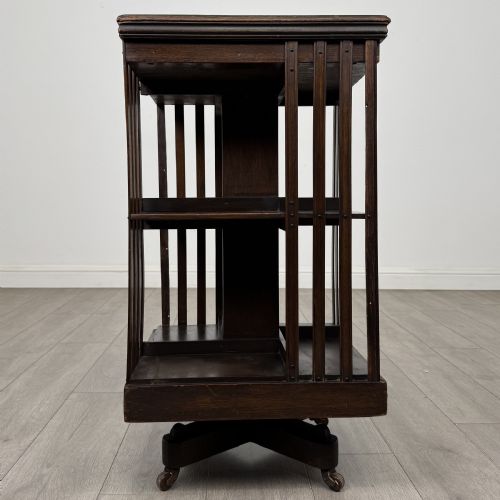
- A freestanding tiered stand mounted on a pivot base that turns to allow access to volumes from all sides. These units became popular for desk-side reference use.
- Waterfall bookcase
- A set of open shelves where each tier steps back progressively from bottom to top. The profile resembles cascading water.
- Gallery
- A small decorative rail fitted around the top edge of a cabinet or table to prevent items from sliding off. They appear frequently on Edwardian revolving pieces.
- Bookpress
- A heavy mechanical screw press used historically to flatten paper or bind volumes. These heavy timber devices predate modern pressing machinery.
Dark Wood Book: Frequently Asked Questions
How do I date a dark wood bookcase?
Dating relies on observing structural clues such as timber choices, shelf adjustment mechanisms, and decorative styles like Gothic Revival or Arts and Crafts. Earlier pieces from the Georgian and Regency eras often display hand-dovetailed joints and native mahogany.
Later Victorian and Edwardian examples introduce mass-produced brass screws, glazed doors, and revolving table bases. Comparing the specific pediment design or inlay work against known period markers clarifies the decade of manufacture.
Are revolving bookcases stable when loaded?
Well-constructed revolving bookcases utilise a heavy cruciform base and a balanced ball-bearing or iron spindle pivot to distribute weight evenly. They remain remarkably steady when populated with standard octavo volumes.
Overloading the top tiers or placing disproportionately heavy folios on one side can cause uneven wear in the internal mechanism. Regular turning prevents uneven friction on the central pivot.
How should I care for antique dark wood furniture?
Maintain a stable indoor humidity and keep timber pieces away from direct heat sources and strong sunlight to prevent the wood from splitting or fading. Gentle dusting with a dry, soft cloth preserves the polish.
Avoid silicone-based sprays, opting instead for traditional beeswax applied sparingly when the surface appears dry. Proper climate control protects both the timber panels and the historic joinery.