

Dark Wood Bed
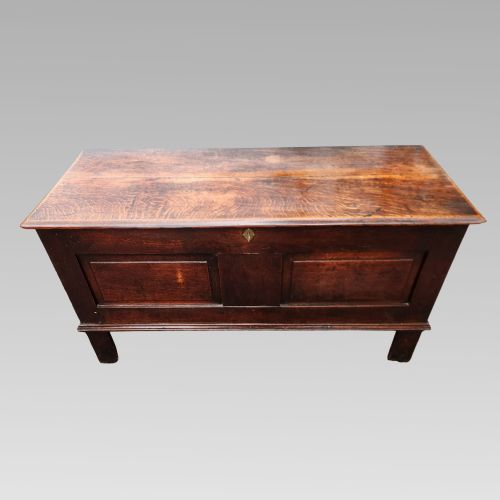
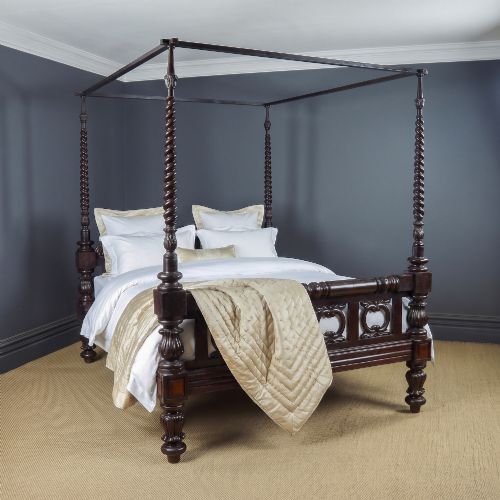
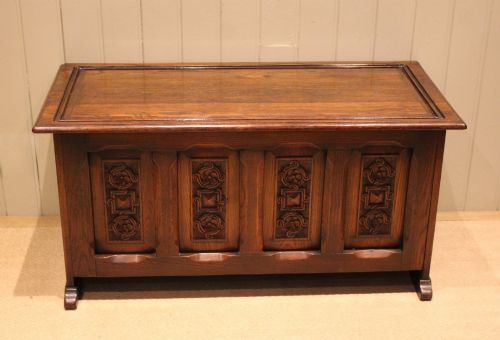
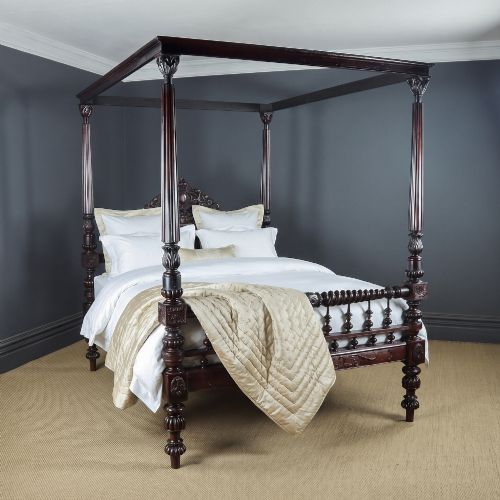
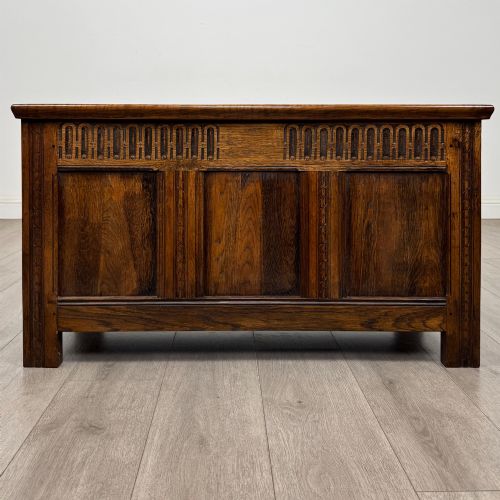
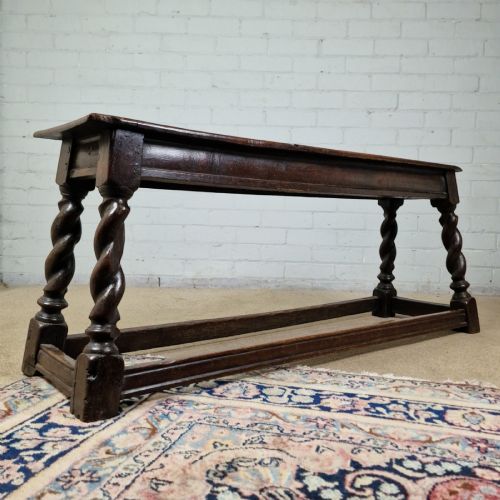
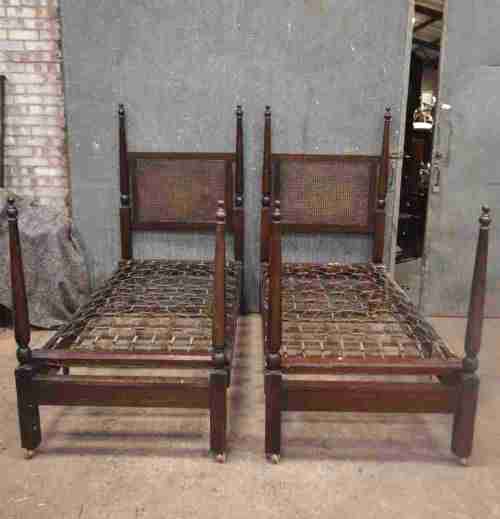
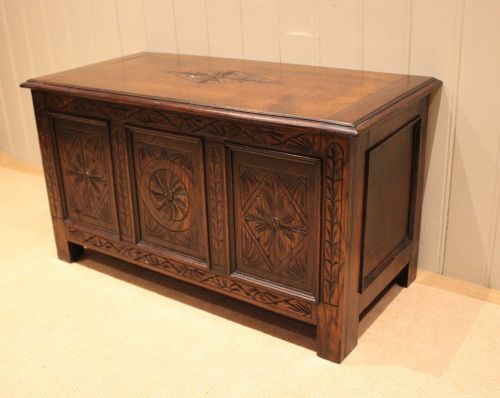
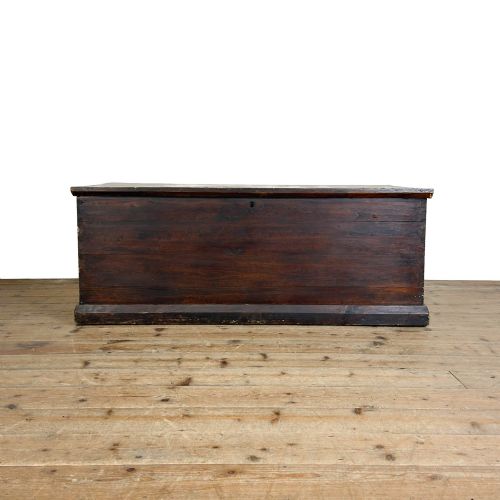
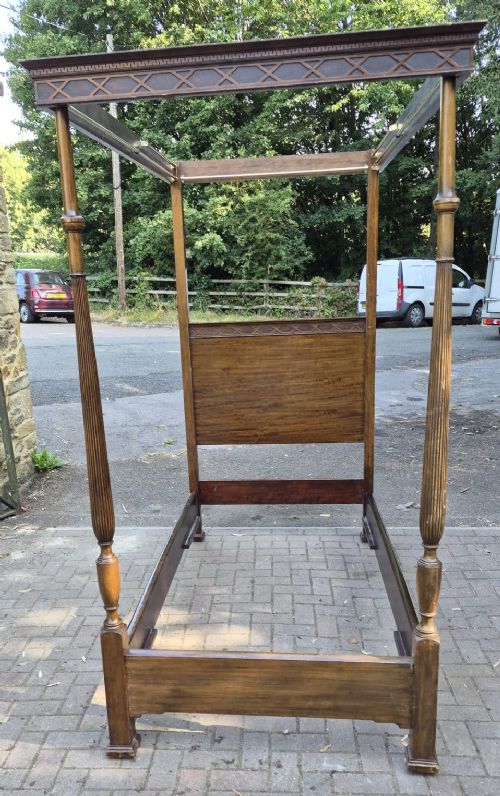
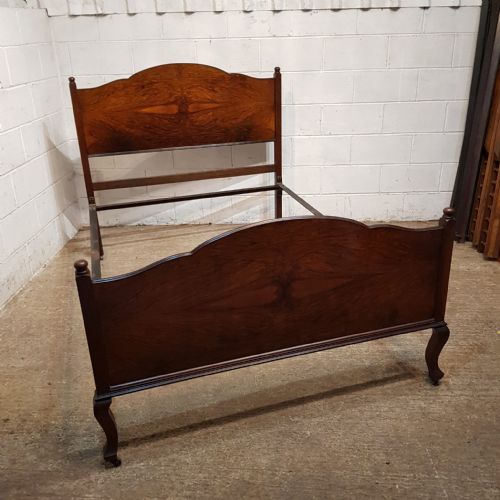
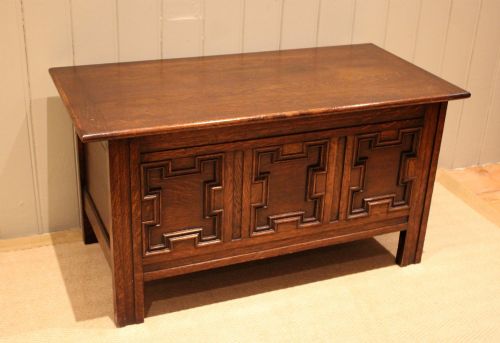
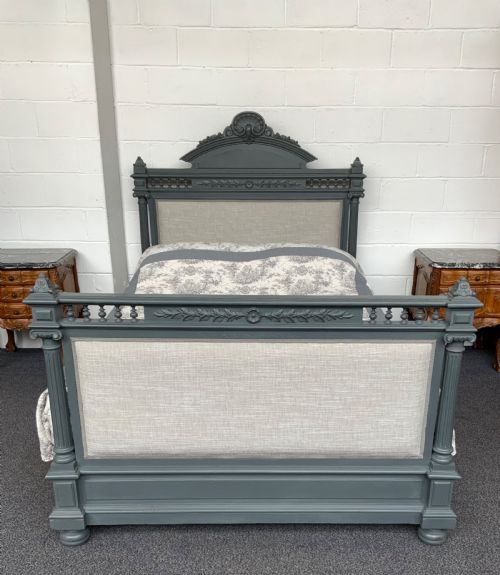
A dark wood bed anchors a room with substantial timber frames, ranging from robust oak coffers and chests to grand mahogany and walnut four-poster structures.
Dark Wood Bed
A dark wood bed encompasses substantial sleeping furniture and related structural forms built from timber such as oak, mahogany, walnut, and hardwood. These pieces appear across various periods, including the seventeenth, eighteenth, and nineteenth centuries, alongside Edwardian and Art Deco iterations.
Buyers will encounter grand four-poster and tester beds alongside occasional day beds and specific regional forms like Anglo-Indian colonial pieces. The selection frequently includes supporting bedroom items such as bedside tables, nightstands, and blanket chests that share the dark wood aesthetic.
How they were made
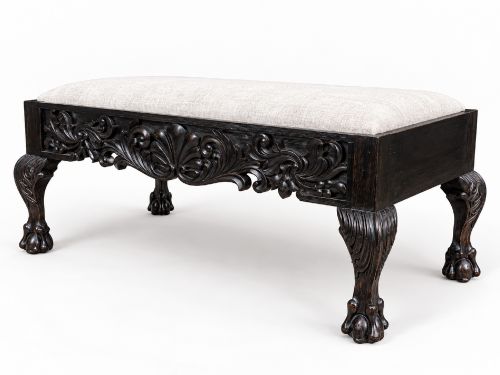
Construction relies heavily on traditional solid timbers like oak and mahogany, often enhanced by decorative elements such as hand-carved friezes, panels, and intricate bobbin turnings. Cabinetmakers utilised dense woods and burl walnut veneers to create durable frames capable of supporting elaborate tester canopies.
Joinery methods reflect the period of origin, employing pegged mortise and tenon joints in earlier oak pieces and refined framing techniques in later Victorian and Edwardian examples. Secondary materials such as brass fittings and iron hardware frequently secure the heavy structural elements.
Dark Wood Bed Retail Price Guide 2026
Typical asking prices for dark wood bed among the pieces listed under this phrase on Sellingantiques today, from the lower quarter to the upper quarter. They describe what is for sale here now, not the wider market.
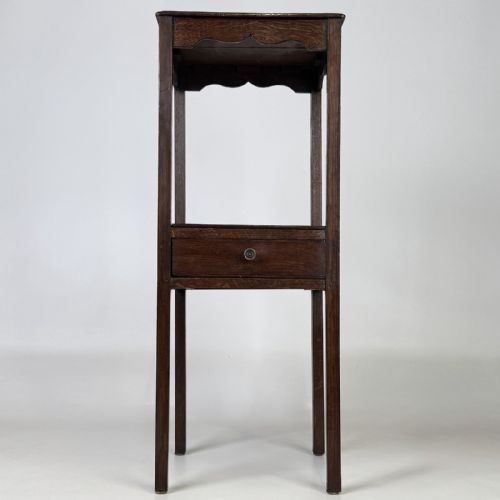
Associated bedroom furnishings span bedside tables, nightstands, blanket chests, and reading tables alongside primary bed frames.
What varies in quality
The standard of carving and surface depth separates standard regional items from exceptional examples produced by skilled workshops. Crisp detailing on lunette friezes and panels demonstrates superior craftsmanship.
The integrity of the timber selection dictates longevity, with dense grain matching and well-preserved structural framing holding more architectural weight than altered or heavily restored carcasses.
The Dark Wood Bed Glossary
- Four poster bed
- A bed with four vertical columns that support an upper canopy or tester. These grand sleeping quarters often feature elaborate carved headboards.
- Tester
- The wooden canopy or ceiling suspended above a four-poster bed frame. It frequently integrates decorative cornices or fabric hangings.
- Coffer
- A large wooden chest traditionally used for storage, constructed with heavy panels. Many surviving examples date from the seventeenth and early twentieth-century revival periods.
- Nightstand
- A small bedside table designed to hold nighttime essentials. Georgian and Victorian versions often incorporate small drawers or tambour doors.
- Bergere
- A closed upholstered armchair or a bed component incorporating woven cane panels. It appears in Edwardian and later framed furniture designs.
Dark Wood Bed: Frequently Asked Questions
What periods do these beds come from?
The pieces span multiple centuries, beginning with seventeenth-century oak frames and continuing through Georgian, Victorian, and Edwardian eras. Later examples also touch upon Art Deco designs and twentieth-century revivals.
Craftsmanship methods shifted across these periods, moving from heavy hand-carved structural oak to refined mahogany and burr walnut veneers in the nineteenth and twentieth centuries.
How do four-poster beds fit modern spaces?
Four-poster beds provide a dramatic vertical focal point in high-ceilinged rooms. Their substantial timber posts define the sleeping area.
Buyers should measure ceiling clearance carefully to accommodate the wooden tester canopy above the main mattress frame.
What matching furniture is available?
The category includes complementary bedside tables, nightstands, and reading tables designed to coordinate with the primary sleeping furniture. Blanket chests and side tables also share the dark wood aesthetic.
These pieces allow for a cohesive bedroom scheme utilising matching timbers like oak, mahogany, and walnut.
How do I identify different timber types?
Oak typically displays prominent visible grain patterns and heavy structural weight, common in seventeenth and early twentieth-century pieces. Mahogany and walnut offer smoother, darker reddish or rich brown surfaces favoured in later periods.
Hardwood and stained pine also appear, alongside exotic timbers utilised in Anglo-Indian colonial furniture.