




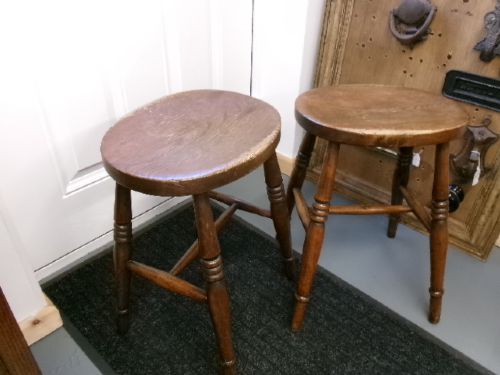
Dark Wood Bar
A dark wood bar setup brings rich grain and period character straight into a room, whether through a tall pub stool or a fitted drinks cabinet.
Dark Wood Bar
A dark wood bar search uncovers a mix of tall seating, serving furniture, and drinks storage originating from the Georgian, Victorian, and Art Deco eras.
Pub stools, tavern seating, and high workshop stools form the practical seating side of this category, often featuring turned supports or saddle seats.
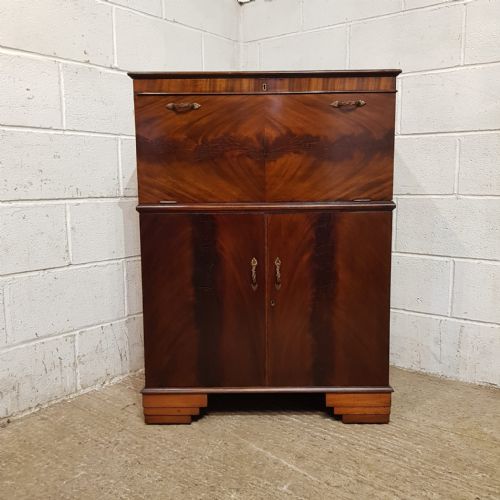
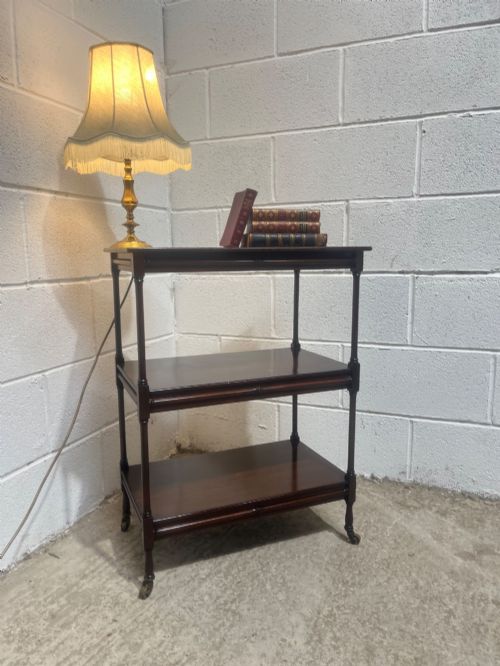
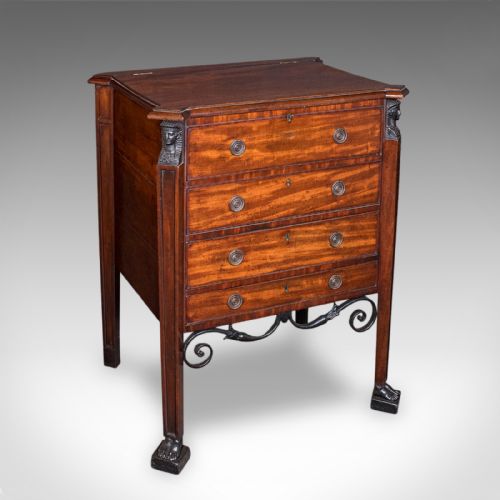
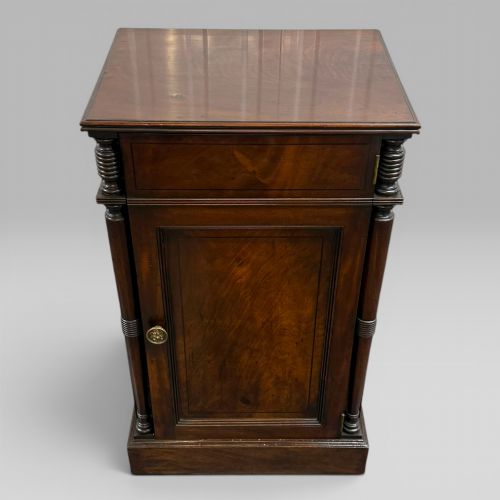
Drinks cabinets, cellarettes, and tea trolleys provide the companion storage, utilising rich timber frames to house glassware and bottles.
Materials and Construction
Mahogany, rosewood, and oak dominate these pieces, selected for their deep colour and robust structural grain.
Brass fittings, leather upholstery, and glass panels frequently accent the dense timber frames, adding utilitarian strength and contrast.
Traditional joinery methods such as mortise and tenon secure the tall frames of bar stools and multi-tiered trolleys against daily tipping and weight.
Dark Wood Bar Retail Price Guide 2026
Typical asking prices for dark wood bar among the pieces listed under this phrase on Sellingantiques today, from the lower quarter to the upper quarter. They describe what is for sale here now, not the wider market.
Pub stools come bearing generations of pub floor marks and spilled spirits, giving each tall seat its own quiet tavern history.
Evaluating the Build
Superior examples show tight, unyielding joints in tall stool frames where lesser pieces develop a wobble from heavy use.
The choice of timber grain and the crispness of turned wood or carved splats distinguish a standard workshop utility piece from a refined parlour item.
Gillows·James Reilly
The Dark Wood Bar Glossary
- Cellarette
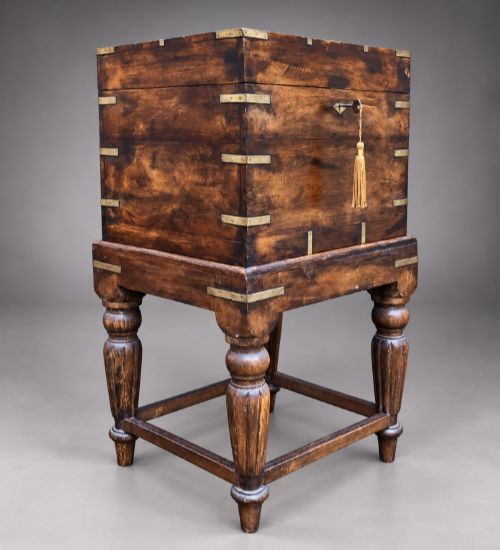
- A lockable container used for storing wine and spirits, often brass-bound and fitted with interior dividers. They sit near the dining table or serving area.
- Bar back
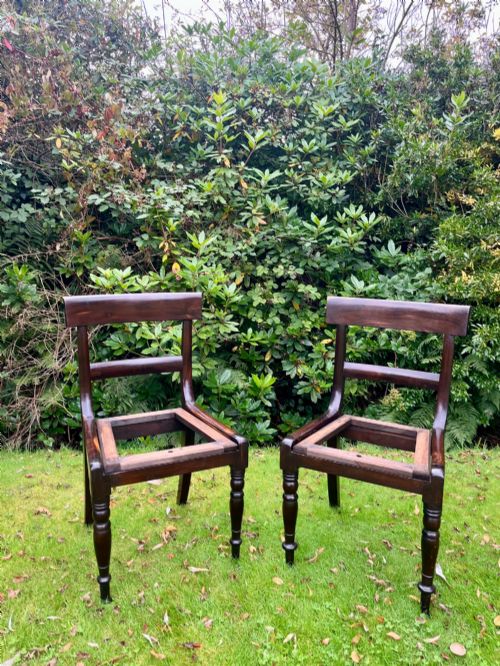
- A chair design featuring a horizontal wooden slat across the upper uprights, common in dining and tavern seating from the Regency period onward.
- Bentwood
- Wood softened by steam and bent into curved shapes, frequently utilised for lightweight and durable tall stools from the early twentieth century.
- Wellington chest
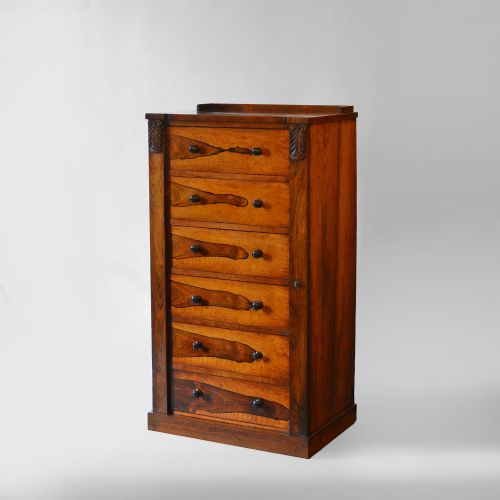
- A tall, narrow chest of drawers secured by a locking side flap that fastens over the drawer edges.
Dark Wood Bar: Frequently Asked Questions
How do I identify a tavern stool?
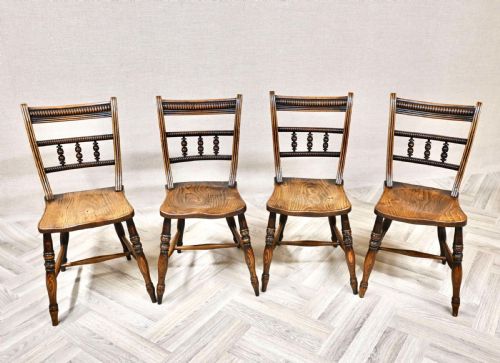
Tavern stools usually display sturdy turned legs, simple stretchers for footrests, and heavy timber tops shaped for utility. Their design prioritises hard-wearing stability above all else.
Many examples utilise elm, oak, or ash, showing the dense wear and patina expected from commercial pub environments.
Where were tea trolleys used?
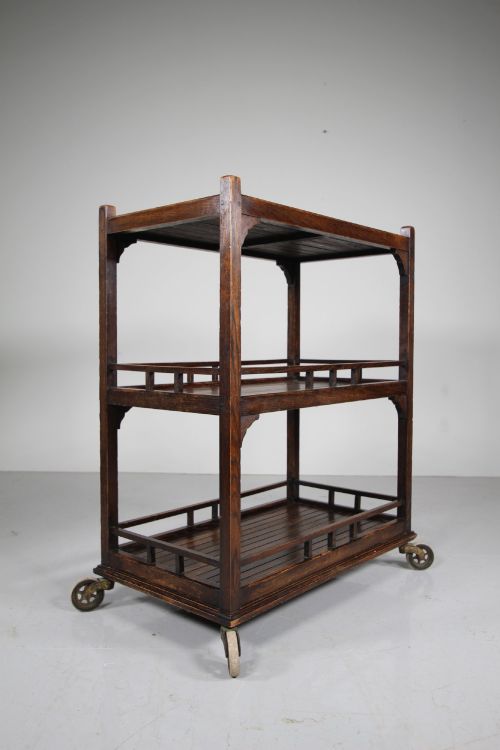
Tea trolleys served afternoon tea and drinks across multiple rooms in large period homes, utilising tiered shelves and castors for mobility. Folding tops allowed them to expand when needed.
They bridge the gap between heavy dining furniture and flexible serving pieces, appearing in mahogany, oak, and laburnum.
Are bar back chairs comfortable?
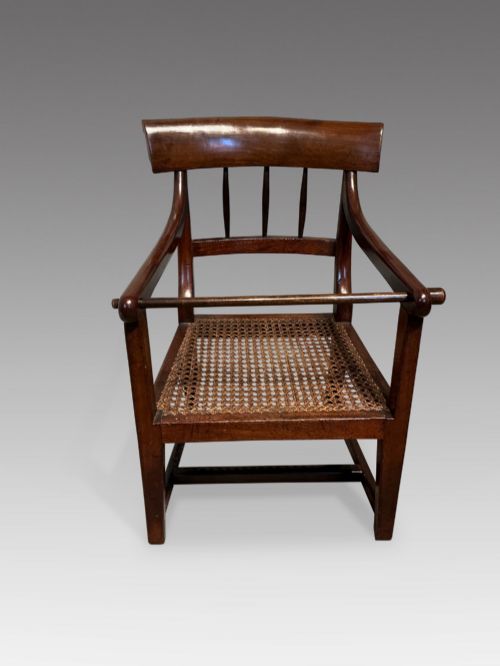
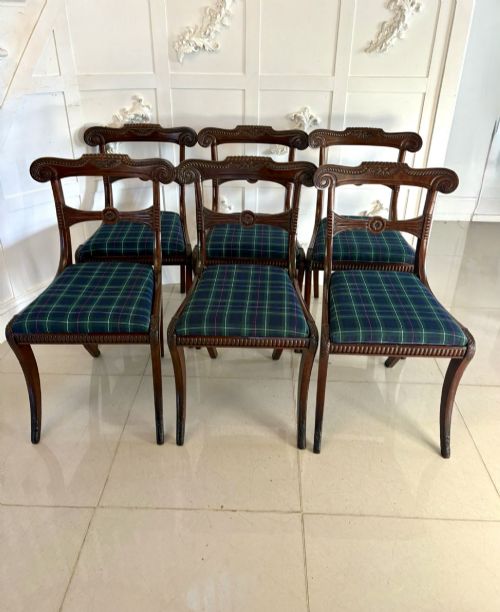
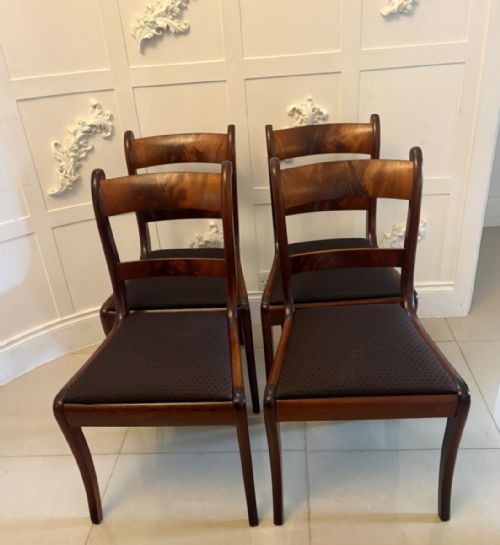
Bar back chairs provide firm lower back support through a horizontal wooden rail set between the uprights. They were designed for upright dining posture in formal rooms.
While lacking upholstery on the backrest, the shaped splats and sabre legs offer an ergonomic balance typical of Regency craftsmanship.