

Dark Walnut Furniture
Dark walnut furniture brings rich, sombre tones and dense grain to domestic interiors through centuries of skilled craftsmanship.
Dark Walnut Furniture
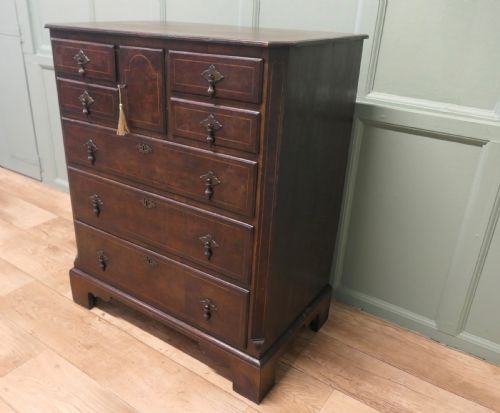
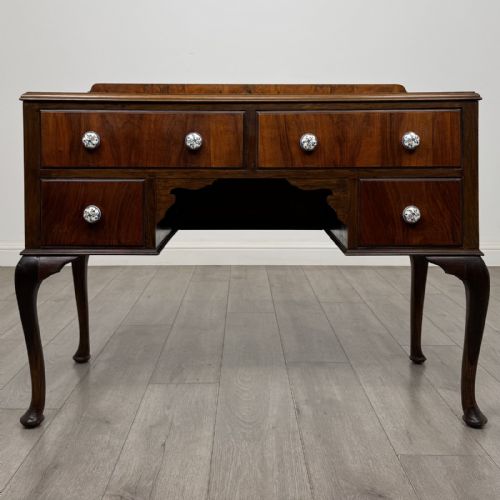
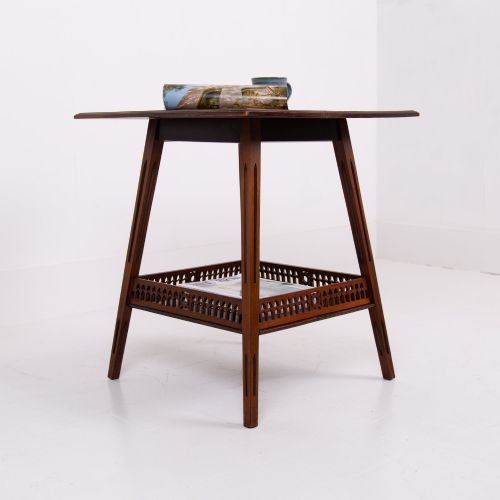
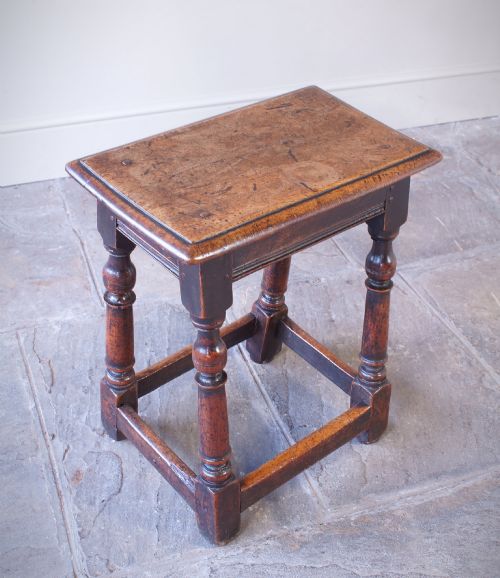
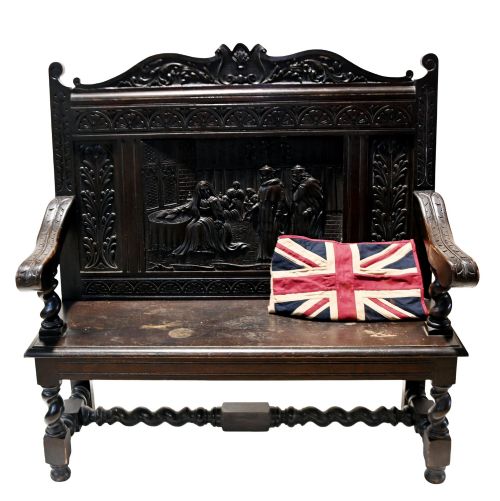
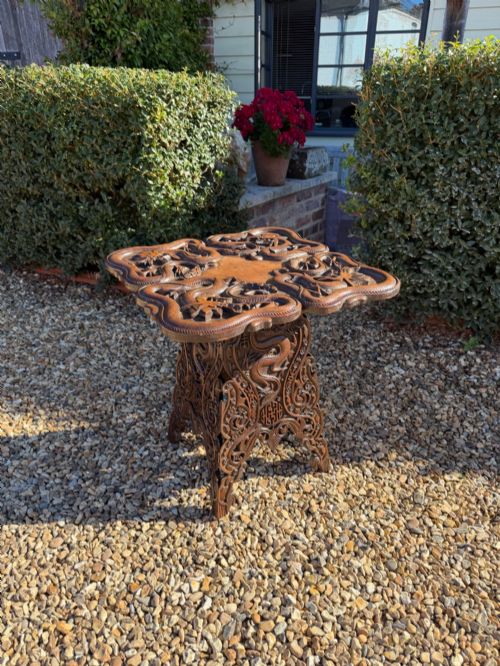
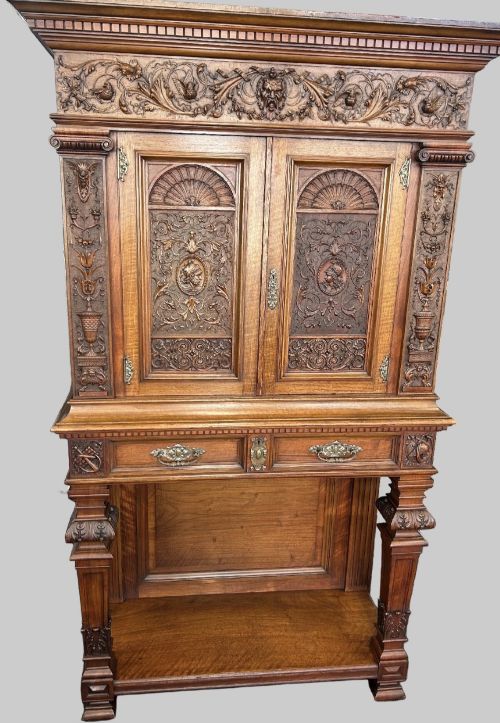
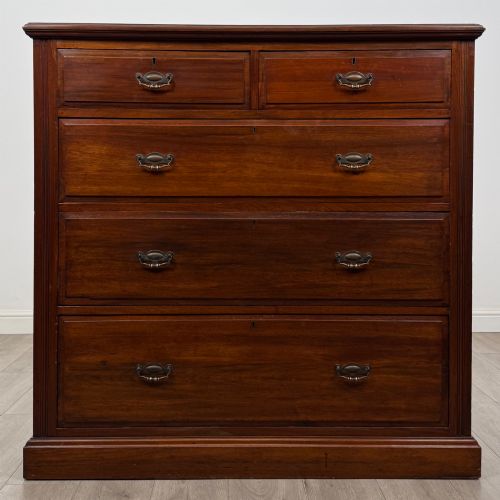
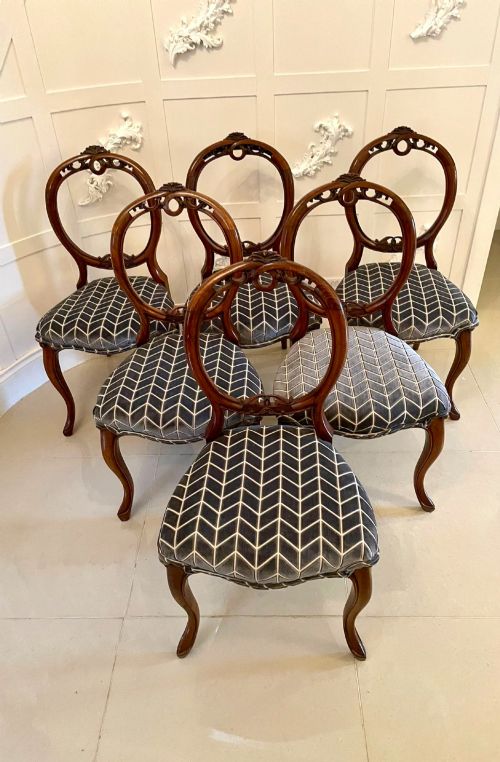
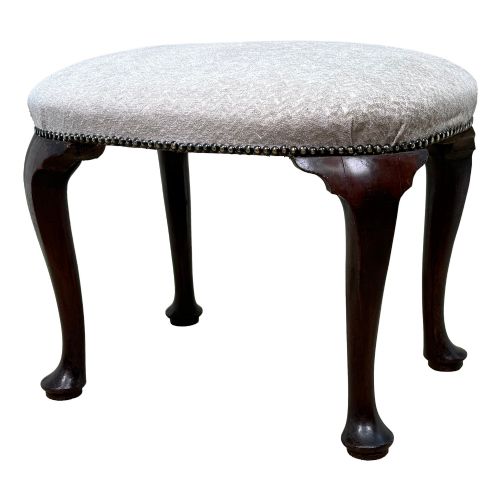
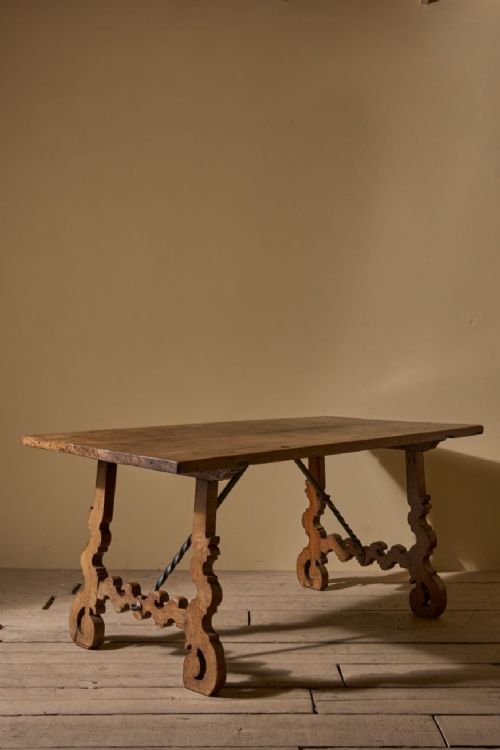
Dark walnut furniture encompasses seating, storage, and display pieces created across several centuries, from seventeenth-century baroque tables to twentieth-century art deco desks. When searching for dark walnut furniture, buyers encounter diverse forms including chests of drawers, armchairs, bookcases, and occasional tables shaped by changing domestic needs.
The material appears in solid form or as burr walnut veneers, frequently enriched with marquetry, mother-of-pearl inlay, or pewter details. Pieces span multiple stylistic revivals and original periods, linking seventeenth-century Spanish and Italian workshops with Victorian parlours and Edwardian interiors.
How dark walnut furniture was made
Cabinetmakers utilised dense walnut timber alongside burr walnut veneers to exploit the wood's deep colouration and intricate grain patterns. Secondary timbers like oak often provide structural stability within drawer carcasses and internal frames.
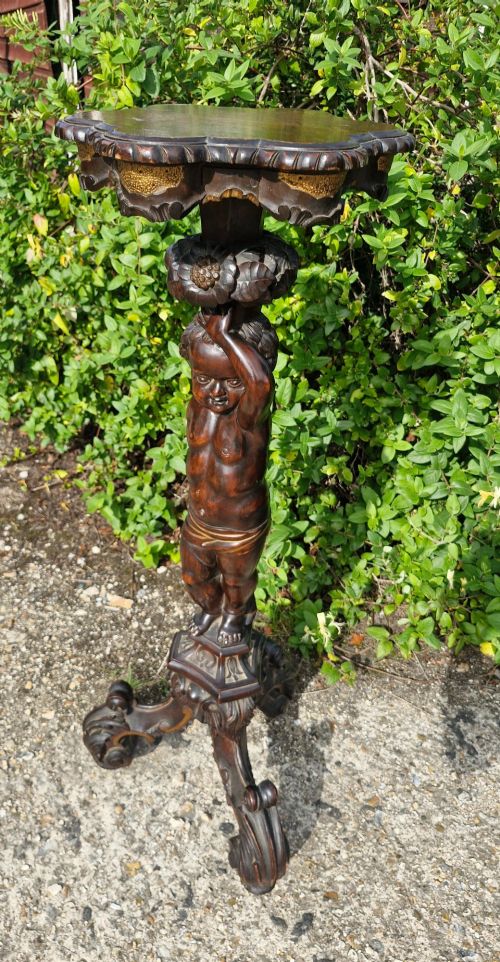
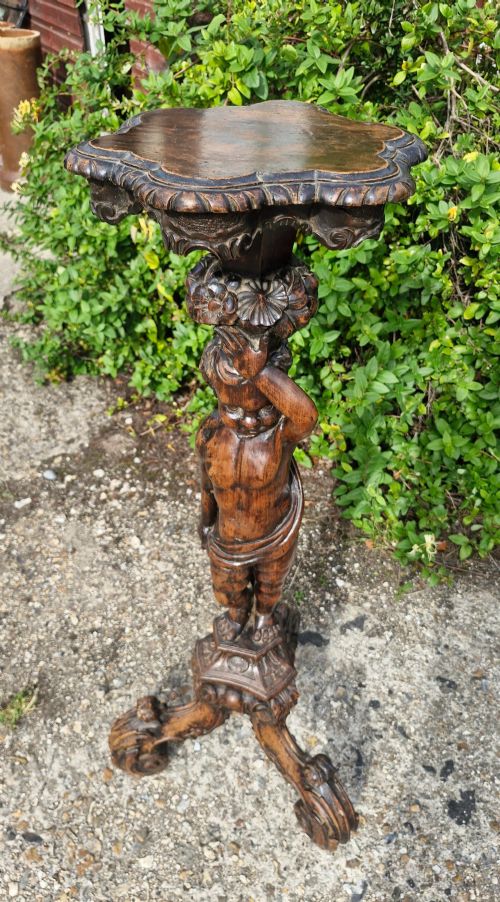
Surface decoration frequently involves intricate marquetry, geometric inlay, parcel-gilding, or mother-of-pearl work, complemented by brass handles, locks, and hinges. Finishing techniques rely on traditional polishes that accentuate the timber's natural patina over decades of handling.
Listings span seventeenth-century baroque tables to twentieth-century art deco desks, incorporating brass, glass, leather, and bone alongside walnut and oak.
What varies in quality
Quality rests upon the selection of the timber, particularly the choice of figured burr veneers and the harmony of their grain alignment across large surfaces like table tops and cabinet doors. Superior examples display restrained carving and precise marquetry that integrate seamlessly into the primary structure rather than appearing as an afterthought.
The integrity of secondary woods, the retention of original brass hardware, and the depth of the finish all determine a piece's standing. Construction methods, such as hand-cut dovetails in drawers and stable joinery in frames, separate utilitarian workshop output from master cabinet work.
Gabriel Viardot·Hindley And Sons·Liberty And Co·Betty Joel
The Dark Walnut Furniture Glossary
- Burr walnut
- A figured timber harvested from tree growths or burls, yielding complex swirl patterns prized for veneering cabinet fronts and table tops.
- Marquetry
- The art of applying decorative veneer pieces in wood, metal, or shell to form pictorial or geometric designs on a furniture surface.
- Bargueño
- A type of Spanish chest-on-chest or portable desk featuring a drop-front panel concealing numerous small drawers and compartments.
- Whatnot
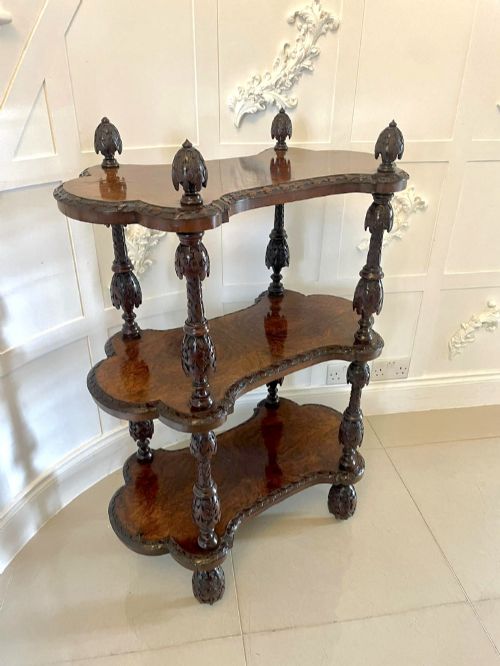
- A set of open shelves supported by pillars, designed for displaying ornaments and small objects in nineteenth-century interiors.
- Gateleg table
- A drop-leaf table featuring hinged legs that swing out to support the extended leaves when in use.
Dark Walnut Furniture: Frequently Asked Questions
How do I care for dark walnut furniture?
Maintain the timber by keeping pieces away from direct heat sources and strong sunlight which can dry out the wood and fade the rich colour. Apply occasional traditional wax polish to nourish the grain and preserve the surface sheen.
Avoid using silicone-based sprays or excessive moisture during cleaning. Dust regularly with a soft, dry cloth to protect the historic patina.
How can I tell a seventeenth-century piece from a Victorian revival?
Examine the construction methods, tool marks, and secondary timbers hidden within drawer linings and carcase backs. Seventeenth-century items often display hand- split oak or conifer timbers alongside irregular hand-cut joinery.
Victorian revival pieces typically show machine-sawn components, standardised fixings, and internal construction methods consistent with nineteenth-century industrial woodworking.
Where were these pieces originally used in the home?
Dark walnut items served formal and utility spaces alike, from grand seventeenth-century reception rooms to Victorian drawing rooms and waiting areas. Cabinets, chests, and bookcases stored household documents and valuables, while occasional tables and whatnots displayed decorative ceramics.
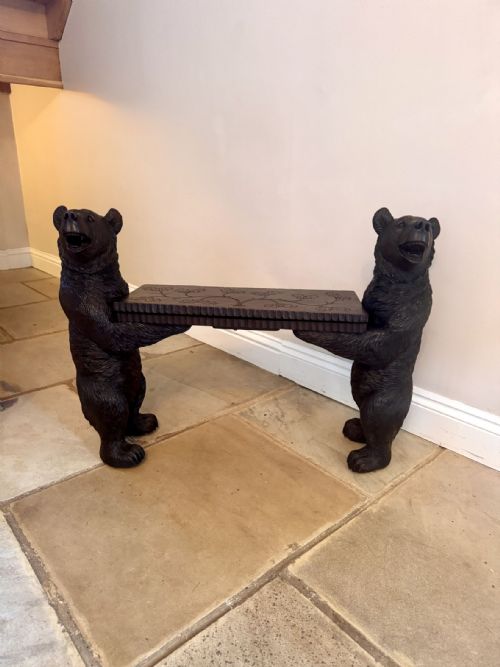
Seating ranged from heavy baroque armchairs for formal halls to slatted benches intended for communal waiting spaces.