


Dark Tone Portrait Art
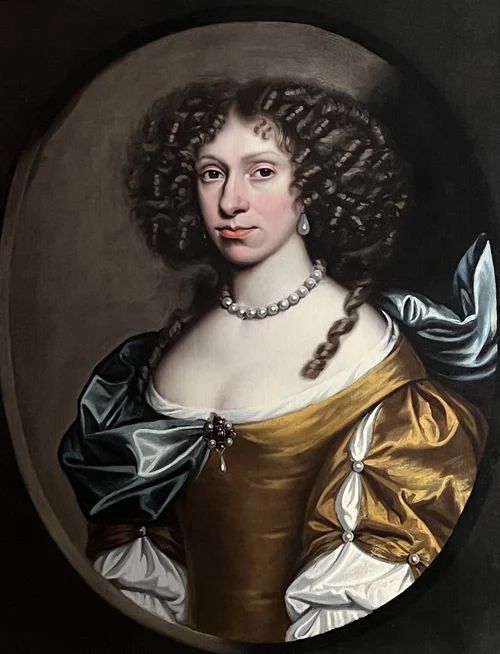
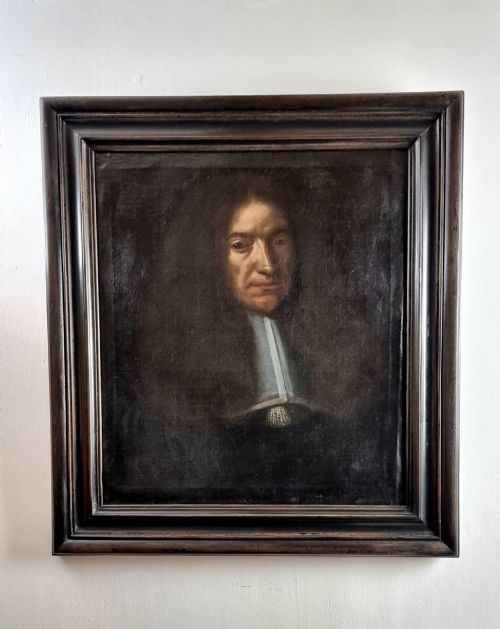
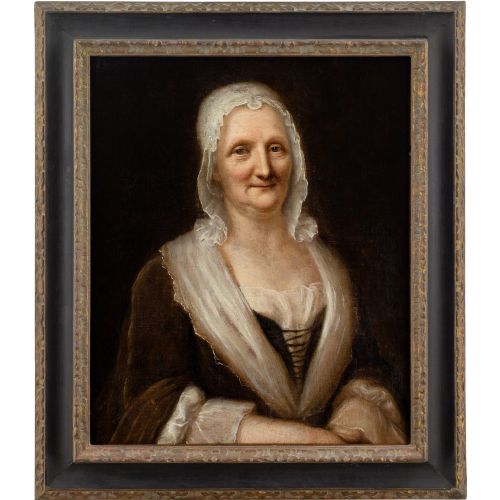
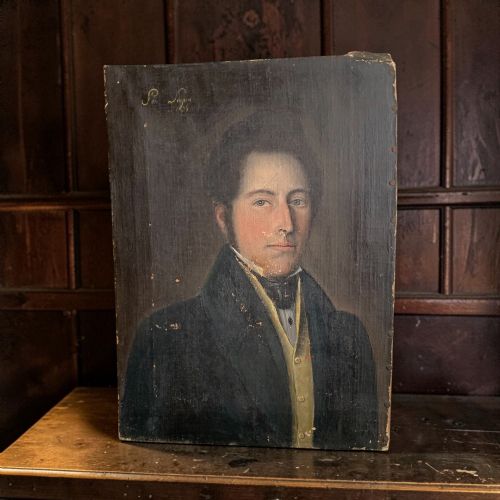
Dark tone portrait art brings deep shadow and direct gaze together, offering the heavy atmosphere of centuries past for a room.
Dark Tone Portrait Art
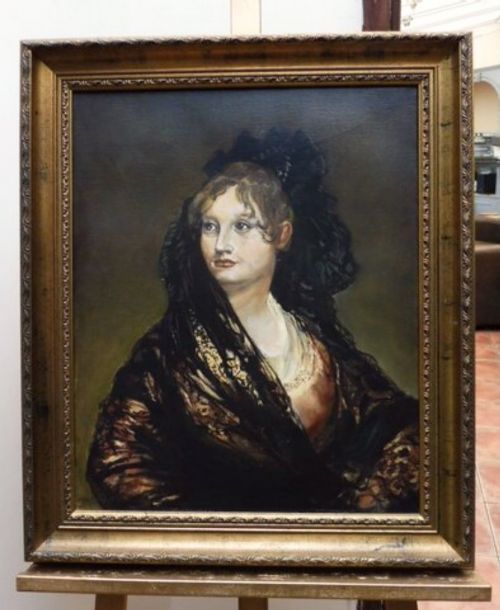
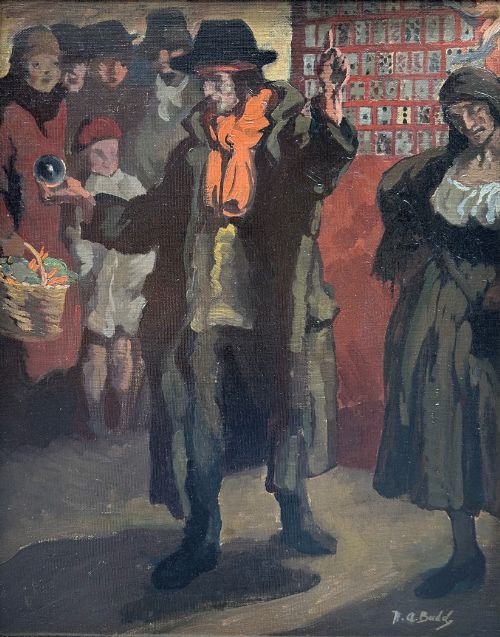
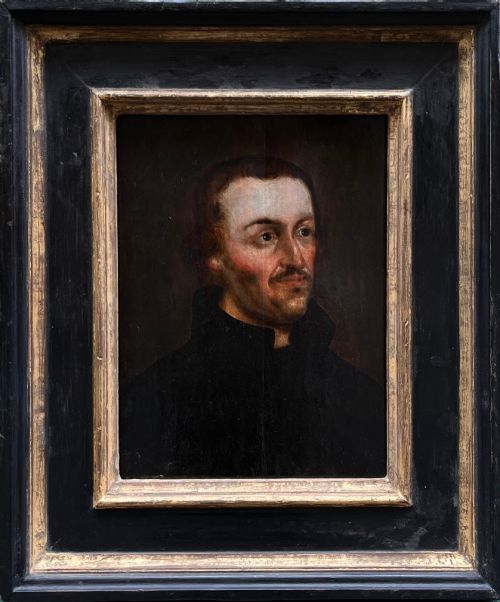
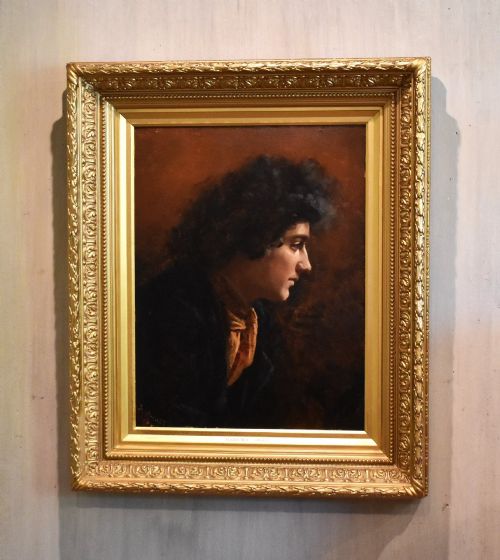
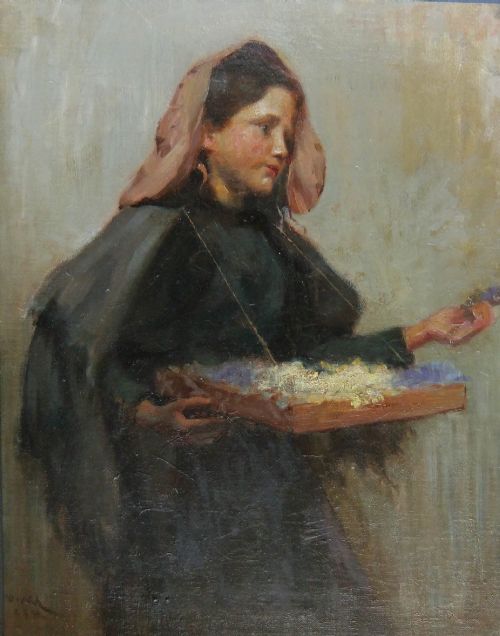
When you search for dark tone portrait art, you encounter oil paintings spanning the seventeenth century through to the early twentieth century, alongside nineteenth-century portrait busts. The selection relies heavily on oil on canvas and wood supports, capturing subjects from French judges and Spanish ladies to anonymous gentlemen with striking blue eyes.
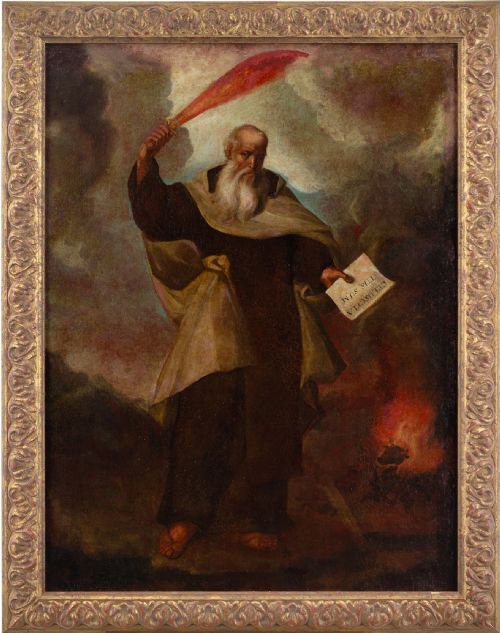
You are most likely to meet nineteenth-century canvases and seventeenth-century European school paintings depicting serious sitters emerging from shadowed backgrounds. These works cross British, French, Spanish, and German traditions, mixing formal portraiture with domestic genre scenes and studies after earlier masters like Francisco Goya and Bartolomé Murillo.
The category balances formal historical figures, such as statesmen and playwrights, with primitive ancestor paintings and street sellers rendered in restrained palettes. This range allows you to choose between grand aristocratic likenesses and moody, atmospheric character studies.
Materials and methods behind the works
Painters applied rich oil paint directly onto stretched canvas, wood panels, or oil boards, building up deep shadows with dark grounds and glazes. This layered technique produced the characteristic heavy atmosphere and subdued illumination seen across the seventeenth and eighteenth-century examples.
Makers of the sculptural works shaped gesso and giltwood to frame or support the subjects, while portrait busts utilised materials like plaster or ceramic handled by regional potteries. Frames often combined moulded gesso with gilded wooden elements to complement the dark palettes of the paintings.
Several solemn gentlemen share wall space with an attentive dog holding a peregrine falcon and an earnest cat keeping watch.
Distinctions in execution and presence
The handling of light and shadow dictates the visual weight of each piece, separating a flat application from paintwork that creates genuine depth in a sitter's expression. Superior examples manage tonal transitions with precision, drawing the eye directly to the subject's face against a murky backdrop.
Preservation of the original surface layer dictates the integrity of older canvases, particularly where centuries have led to craquelure or historical relining. The strength of the draughtsmanship in rendering hands, clothing, and facial structure further marks out the ambition of the original hand.
DAVID SCOUGALL·Herbert Ashwin Budd·Florence Small·William Watt Milne·Andrew Young·Thomas Beach·Roberto Venturi·Ralph Hedley·John Phillip·John Partridge·George Hayter·Robert Ker Porter·Frank Samuel Eastman
The Dark Tone Portrait Art Glossary
- Oil on canvas
- Pigment mixed with drying oil applied to woven fabric stretched over a wooden frame. This surface allowed artists to achieve rich tonal depth and subtle shadow blending.
- Giltwood
- Wood carved and coated with a thin layer of gold leaf or metallic powder. It provides a reflective border that contrasts with dark portrait subjects.
- Gesso
- A paint mixture consisting of a neutral binder mixed with chalk, gypsum, or pigment. It prepared wooden panels and frames for painting or gilding.
- Genre oil painting
- A representation of everyday subjects and scenes from ordinary life rather than grand historical narratives. These works capture domestic moments, street sellers, or figures in thought.
- Primitive ancestor painting
- Folk art portraiture executed with flat perspective and unpolished technique. These pieces possess a direct, untutored charm distinct from academic portraiture.
Dark Tone Portrait Art: Frequently Asked Questions
How do I hang a dark oil painting?
Position these works where directional lighting can catch the surface without creating heavy glare on the varnish. Pairing them with neutral wall colours helps the deep shadows stand out.
Ensure the wall fixings match the weight of the canvas and its original heavy wooden frame. Keep them away from direct heat sources to protect the aged canvas and gesso.
What periods do these portraits cover?
The selection spans from sixteenth-century sitters rendered by later schools up to early twentieth-century impressionist-influenced canvases. Seventeenth-century examples often show continental European and British subjects in stark, dramatic lighting.
Nineteenth-century works bring broader domestic realism and individual character studies into the mix. Each era employs distinct clothing and hair styling to help date the sitter.
Are these portraits of real historical figures?
Many pieces depict documented individuals, including playwrights, admirals, earls, and judges recorded in historical archives. Inscriptions or biographical details on the stretcher bars often confirm their identities.
Other works portray anonymous sitters, Spanish ladies, or genre subjects like flower girls and street sellers. These character studies focus on mood and atmosphere rather than historical record.
How should I clean an antique canvas?
Dust the surface gently with a soft, dry brush without applying pressure to the paint layer. Avoid household cleaning liquids, water, or abrasive cloths that can damage aged oil paint.
Professional conservators should handle any deeper grime removal or varnish thinning. Keeping the humidity stable in the room prevents the canvas and wood from warping over time.