





Dark Rosewood Vanity
Dark rosewood vanity pieces bring deep timber grain and brass or mother-of-pearl detail into daily dressing routines.
Dark Rosewood Vanity
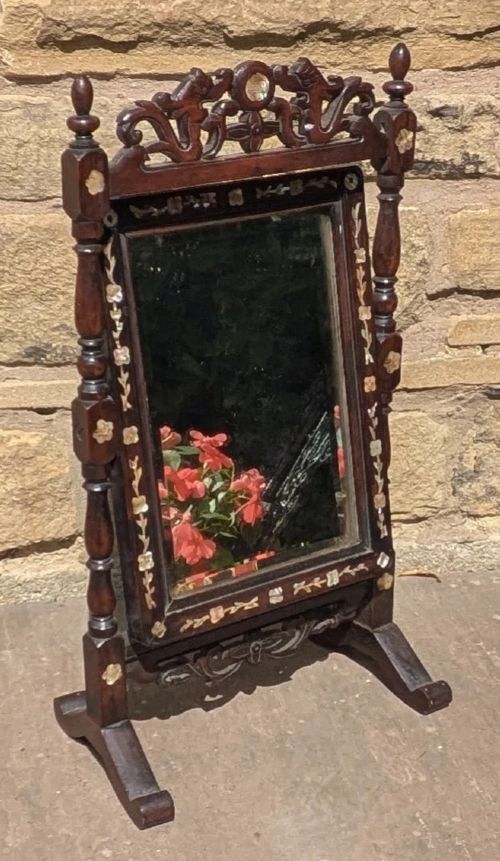
A dark rosewood vanity selection encompasses portable boxes, fitted dressing cases, and seating tailored for the dressing room or boudoir. Pieces span the Regency, Victorian, and Edwardian eras, alongside Chinese Qing dynasty examples in hardwoods.
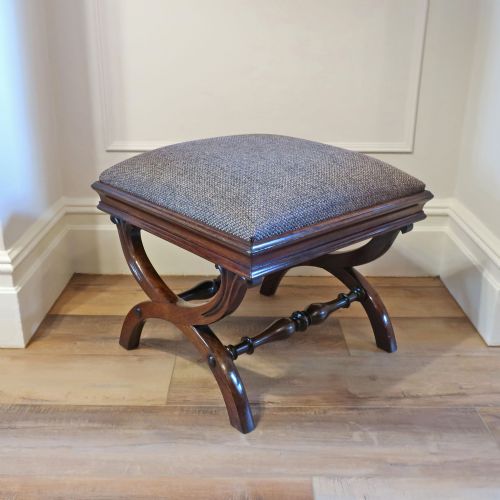
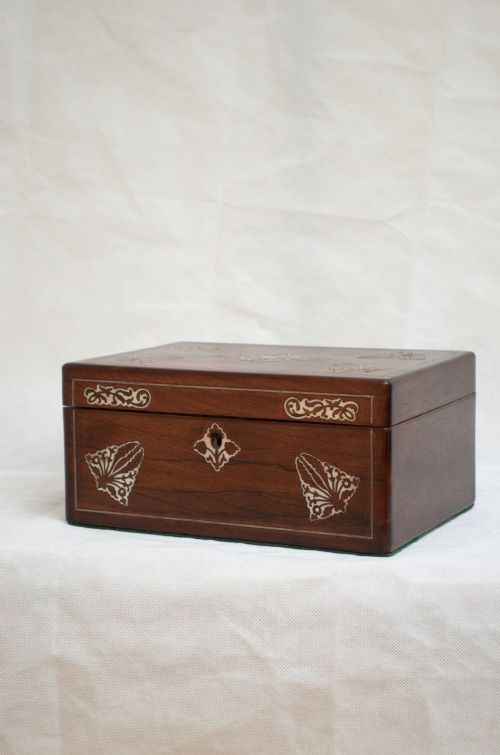
Buyers most frequently encounter compact jewellery boxes, work boxes, and piano stools fashioned from richly figured dark timber. These items combine practical compartments for trinkets with the dense grain characteristic of mature rosewood.
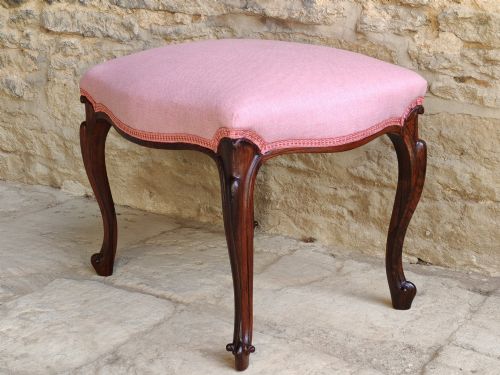
Seating takes the form of revolving piano stools and low dressing stools featuring cabriole legs or marquetry inlay. Portable containers range from brass-banded travelling boxes to fitted writing slopes and ladies' dressing tables.
Materials and construction
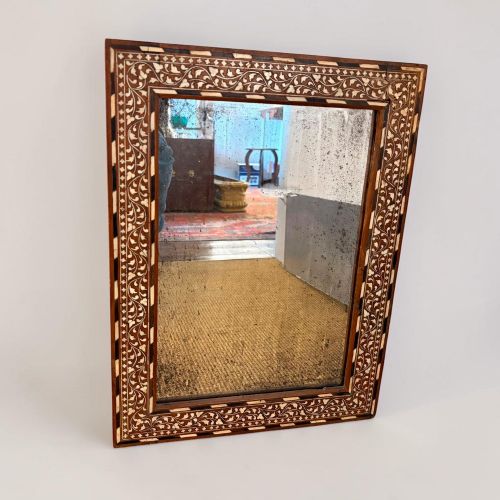
Craftsmen built these pieces using solid rosewood and dense hardwood frameworks finished with marquetry, brass stringing, and mother-of-pearl inlay. Interiors often incorporate contrasting boxwood stringing, fitted leather, and lined trays.
Joinery techniques balance structural durability with decorative refinement, utilising brass banding to protect edges on travelling boxes and delicate carving on Qing dynasty stools.
Dark Rosewood Vanity Retail Price Guide 2026
Typical asking prices for dark rosewood vanity among the pieces listed under this phrase on Sellingantiques today, from the lower quarter to the upper quarter. They describe what is for sale here now, not the wider market.
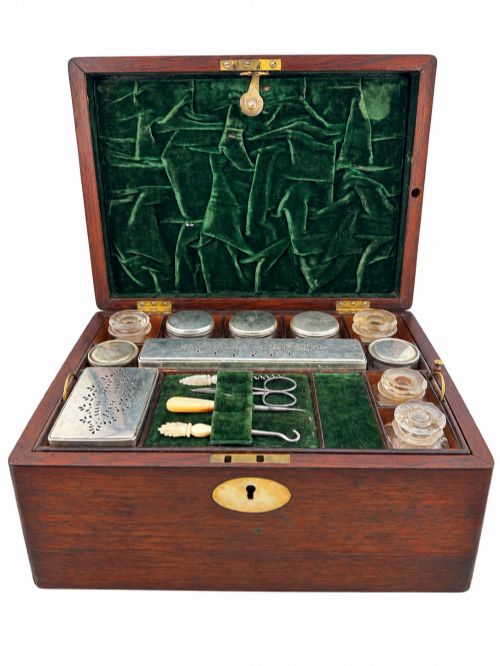
Travelling boxes packed full of secret compartments kept nineteenth-century secrets safely tucked beneath mother-of-pearl lids.
Assessing quality and execution
Quality reveals itself in the precision of the inlay work and the integrity of the timber grain. Finer examples display crisp mother-of-pearl or brass detailing set flush into the dark rosewood surface without gaps.
Internal fittings dictate the utility and standing of boxes and vanities. Original velvet linings, complete multi-tiered trays, and functioning locks distinguish superior pieces from later adaptations.
Edwards and Roberts
The Dark Rosewood Vanity Glossary
- Marquetry
- Decorative patterns formed by inserting thin pieces of wood, brass, or shell into a solid timber veneer. This technique requires steady hands and precise cutting to achieve seamless geometric or floral motifs.
- Sarcophagus-shaped
- A box design featuring a steep-sided, domed lid tapering upwards, reminiscent of ancient monumental tombs. Makers adopted this sturdy silhouette during the Regency and nineteenth century for substantial jewellery and document containers.
- Poudreuse
- A French dressing table equipped with folding mirrors and concealed compartments for cosmetics and powders. These versatile tables combine workspace and storage within a compact footprint.
- Writing slope
- A portable box with a hinged, slanted lid designed to hold stationery and provide a firm surface for correspondence. Inside, partitioned wells organise inkwells, pens, and paper.
- Hongmu
- A traditional Chinese term denoting dense, dark hardwoods used in quality furniture making. These timbers offer exceptional weight and polish.
Dark Rosewood Vanity: Frequently Asked Questions
What is a Victorian rosewood vanity box?
A Victorian rosewood vanity box is a portable timber container fitted with compartments, mirrors, and glass jars for cosmetics and personal items.
These boxes often feature brass banding or mother-of-pearl inlay, designed to sit securely on a dressing table or travel safely.
How do I date a rosewood dressing stool?
Dating relies on stylistic shifts in leg shapes, turning techniques, and framing methods. Early Victorian and Regency pieces often show simpler turned supports or classic cabriole legs.
Comparing the timber finish and secondary woods underneath helps narrow the decade of manufacture.
Were these boxes used for jewellery too?
Many dressing and travelling boxes served multiple purposes, holding letters, sewing supplies, and jewellery simultaneously. Removable internal trays created tiered storage for smaller trinkets.
Fitted interiors adapted easily to whatever valuables the owner needed to organise.
How should I clean dark rosewood?
Maintenance requires gentle dusting with a soft, dry cloth to protect the polished timber surface from moisture and grit. Avoid harsh chemical sprays that strip historic finishes.
Occasional application of appropriate wax feeds the grain without building up a sticky residue.