




Dark Red Oil Painting
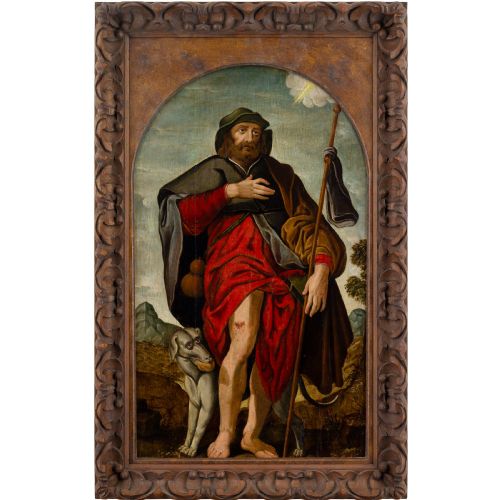
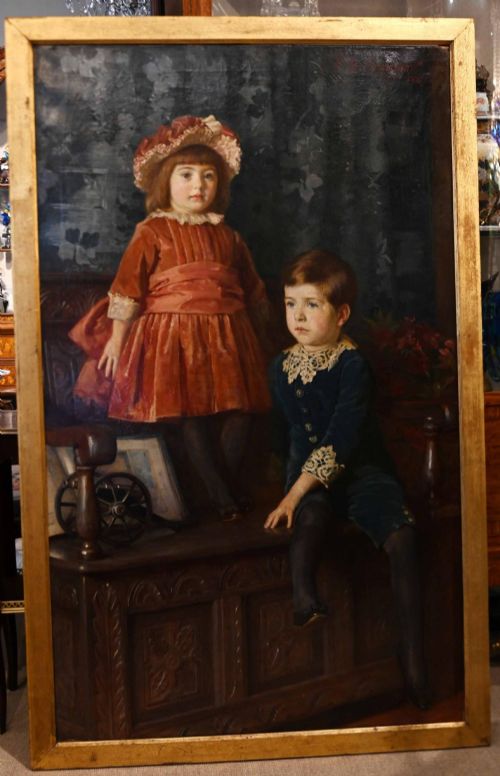
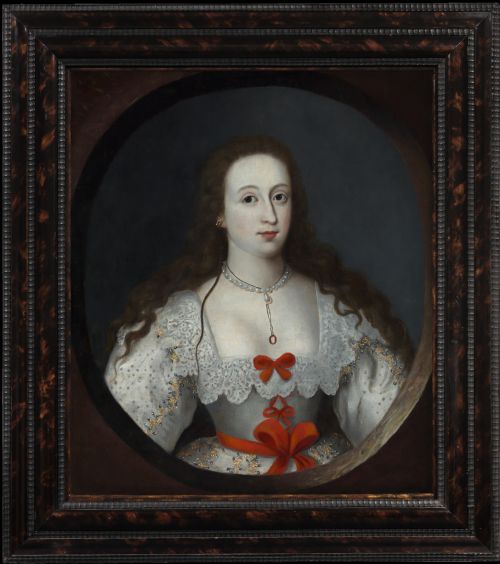
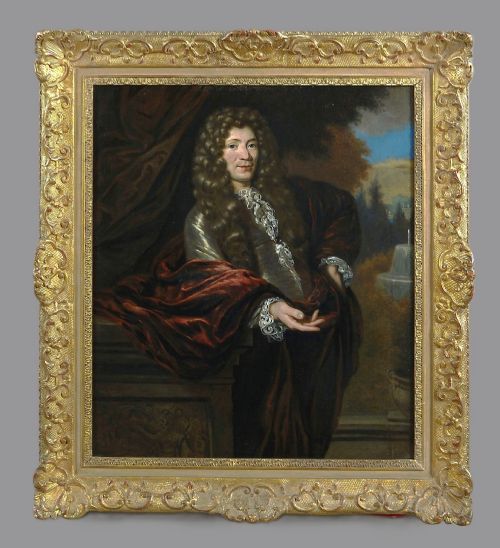
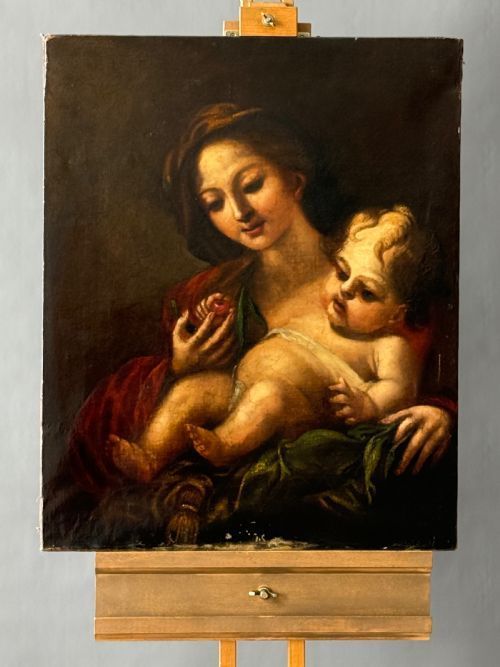
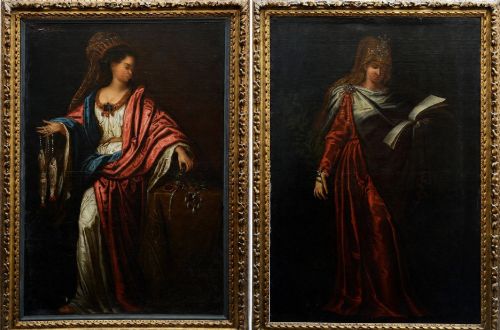
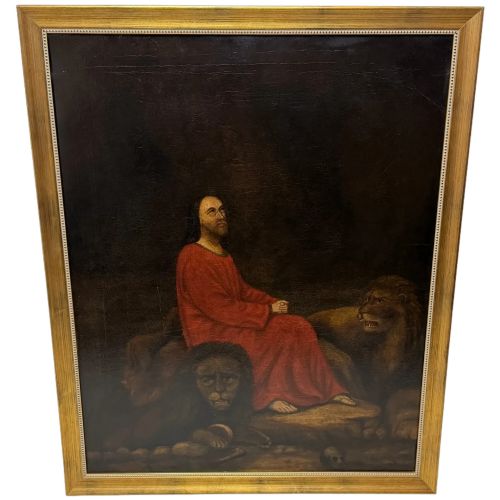
A dark red oil painting brings deep crimson pigments and rich tonal warmth into a room, capturing centuries of portraiture and still life.
Dark Red Oil Painting
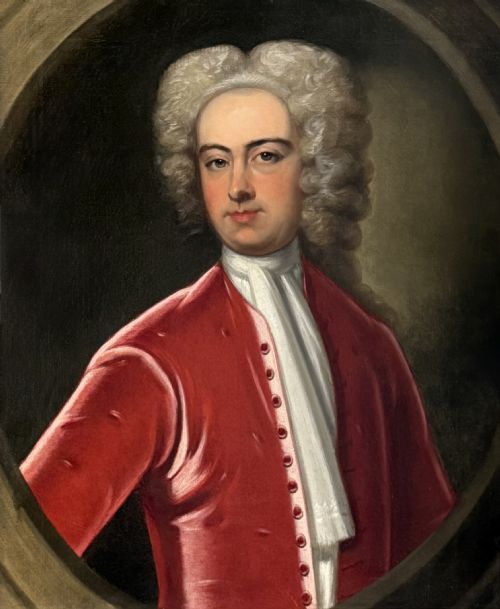
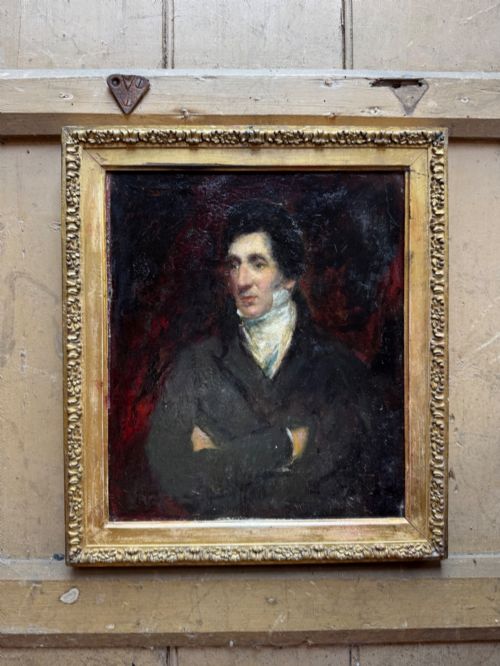
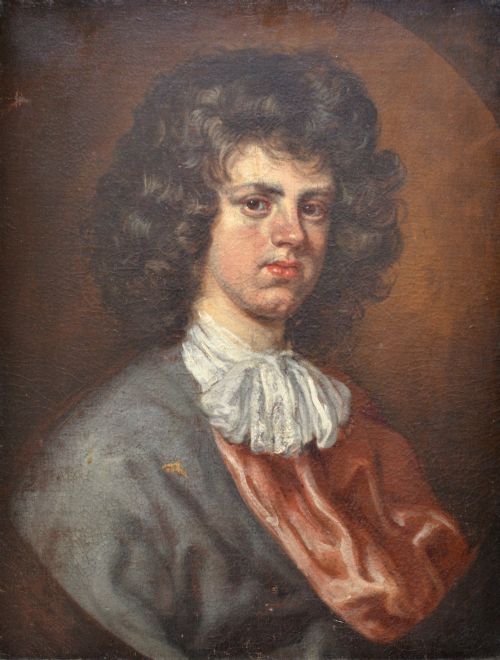
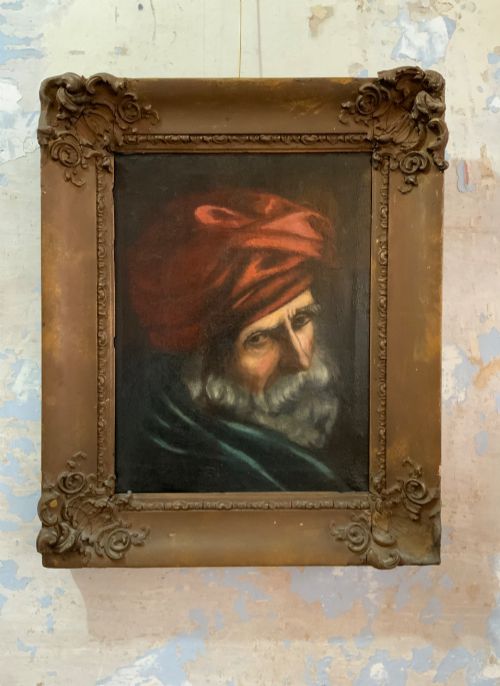
A dark red oil painting encompasses centuries of fine art, spanning seventeenth-century portraits to twentieth-century still life works. Collectors seek these pieces for their dramatic use of crimson sashes, velvet drapery, and deep background tones.
The selection ranges from early Italian old masters and British school portraits to Victorian narrative scenes and still life studies. Works featuring subjects in red scarves, shawls, or military uniforms dominate the available subjects.
Dating ranges from the seventeenth century through the Victorian era and into the twentieth century. Canvas and wood panel serve as the primary supports across these historical periods.
Materials and construction
Artists built these works using oil paint applied to stretched canvas or solid wood panels. Frames often incorporate giltwood to complement the rich pigments of the composition.
Pigments were layered over preparatory grounds to achieve deep crimson and vermilion hues. Brushes of varying stiffness created both smooth portrait glazes and heavier impasto in still life elements.
Dark Red Oil Painting Retail Price Guide 2026
Typical asking prices for dark red oil painting among the pieces listed under this phrase on Sellingantiques today, from the lower quarter to the upper quarter. They describe what is for sale here now, not the wider market.
Listings feature works created on both canvas and wood panel supports.
Factors of quality
Quality rests in the handling of light across fabric and flesh, distinguishing master compositions from routine studio output. The depth of the red pigment and stability of the underlying canvas or wood panel dictate long-term preservation.
Anatomical precision and the subtlety of tonal transitions separate ambitious academic portraits from simpler decorative pieces. The integrity of the original surface and framing also influence the standing of each work.
Pierre Mignard·Mary Beale·John Greenhill·Vladimir Aldoshin·James Stuart Park·Henry William Pickersgill·Ralph Hedley·John Raphael Smith·George Lance·Sir Thomas Lawrence·Frank Thomas Copnall·George Clint·John Jackson
The Dark Red Oil Painting Glossary
- Canvas
- A closely woven fabric stretched across a wooden frame to serve as a painting support. It provides a flexible surface that accommodates various brush techniques.
- Wood Panel
- A rigid wooden board utilised as a primary support for oil paintings before canvas became dominant. Panels offer a stable ground that preserves fine detail.
- Giltwood
- Carved wood decorated with gold leaf or gold paint, commonly found on period frames. This finish enhances the visual weight of the artwork.
- Old Master
- A European artist of high skill working before about eighteen hundred. These painters established foundational techniques in portrait and narrative compositions.
- Impasto
- Paint applied thickly to a surface, standing out in relief from the canvas. This technique adds physical texture and catches light across the composition.
Dark Red Oil Painting: Frequently Asked Questions
How should I hang a dark red oil painting?
Position the piece away from direct sunlight to protect the oil pigments and canvas ground from fading over time. Ensure the wall brackets securely support both the heavy wooden frame and the panel or canvas weight.
Balance the deep crimson tones by placing the artwork against neutral wall colours that allow the dark red hues to stand out. Proper ambient lighting will accentuate the layered brushwork and subtle shadows within the composition.
What periods do these paintings cover?
The works span from the seventeenth century through the Victorian era and into the twentieth century. Early examples feature seventeenth-century portraiture while later pieces include twentieth-century still life studies.
Stylistic shifts are evident across these eras, moving from baroque realism towards nineteenth-century academic and domestic subjects. Each period utilises distinct canvas preparation and pigment mixtures.
How do I care for an antique oil painting?
Dust the surface and frame gently with a soft, dry brush without applying pressure to the canvas or wood panel. Maintain stable room humidity and temperature to prevent the paint layer from cracking or flaking.
Avoid using any liquid cleaners or chemical solvents on the painted surface. Professional conservation is recommended for any deeper cleaning or varnish removal.
What subjects appear in these works?
Portraits form the largest category, depicting subjects in red sashes, military dress, or scholarly robes. Other common themes include floral still life arrangements, biblical narratives, and domestic scenes.
Figures often include historical personages, officers, and anonymous sitters rendered by various regional schools. Botanical studies feature roses, poppies, and seasonal fruit against dark backgrounds.