




Dark Persian Carpet
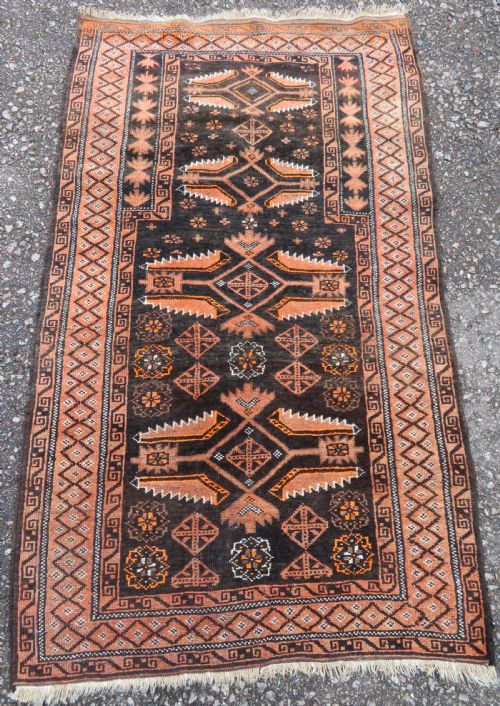
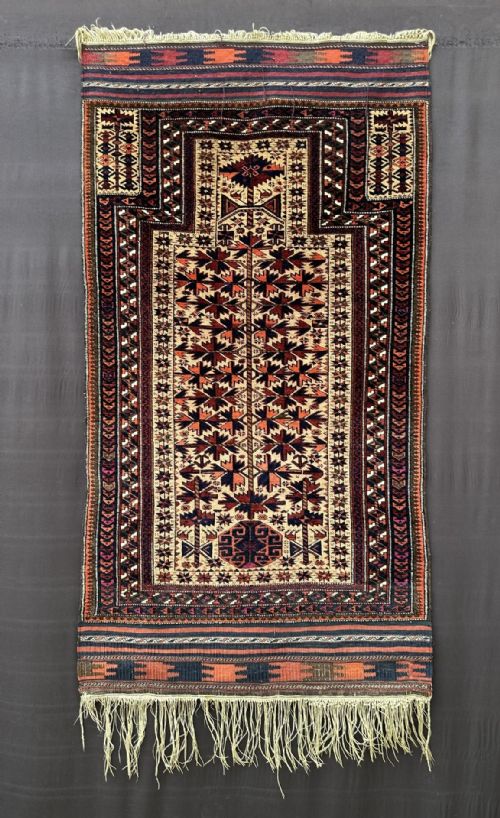
When you search for a dark persian carpet, you are looking at heavy, handwoven tribal rugs and runners woven with deep, saturated tones.
Dark Persian Carpet
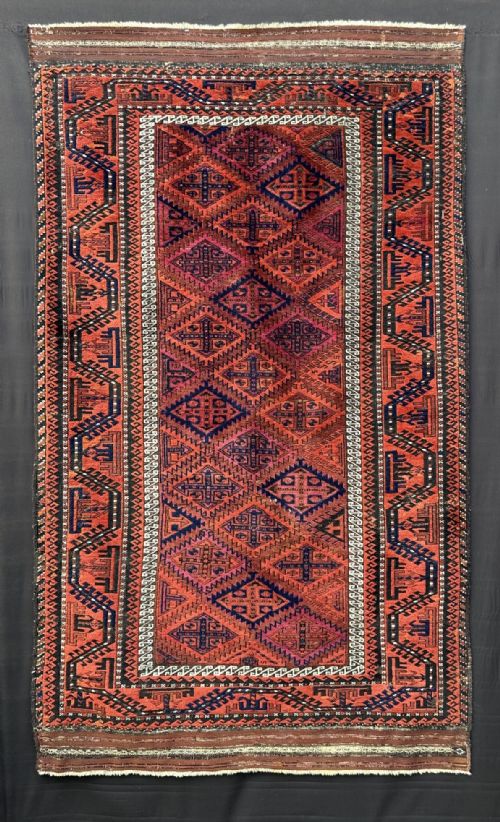
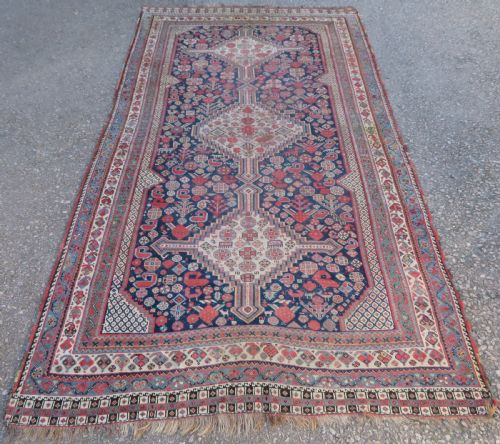
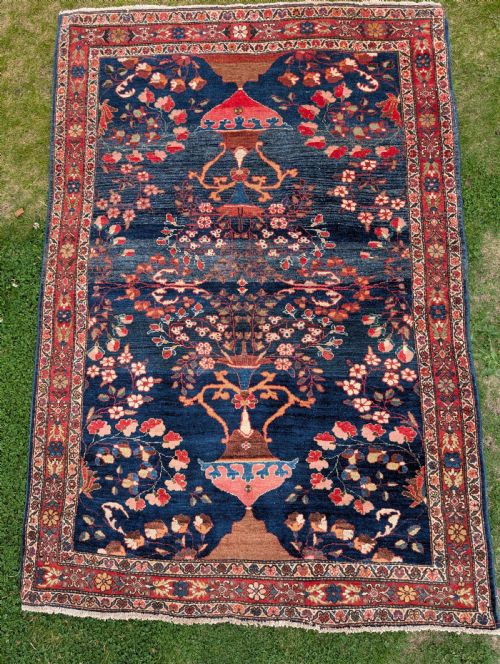
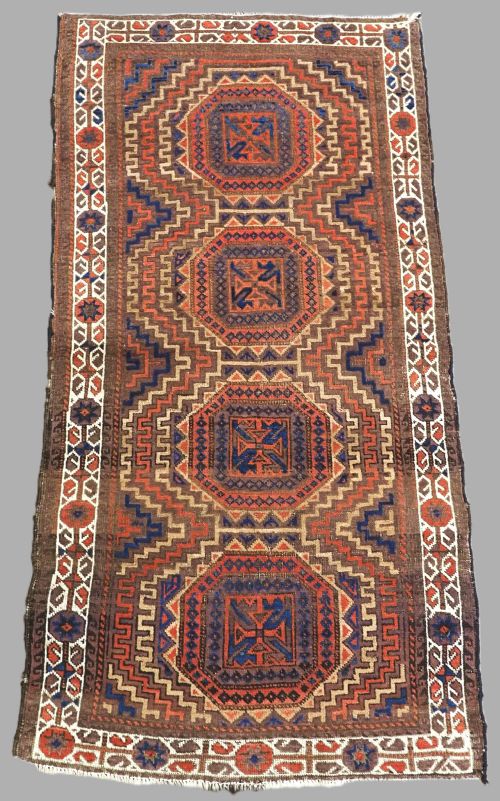
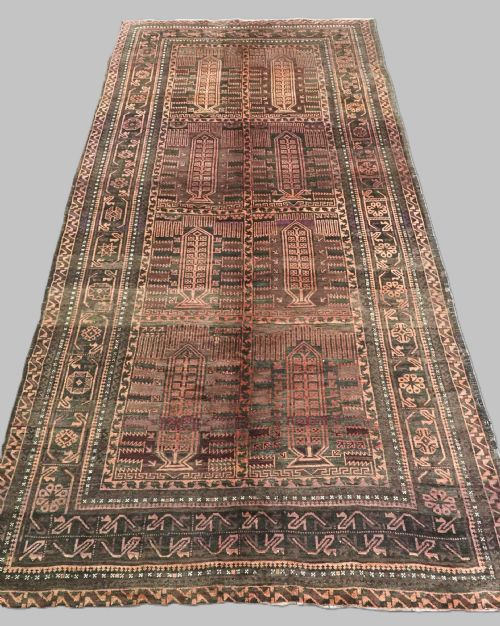
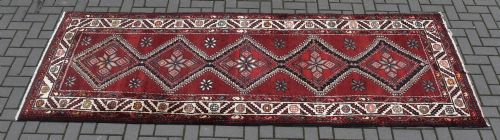
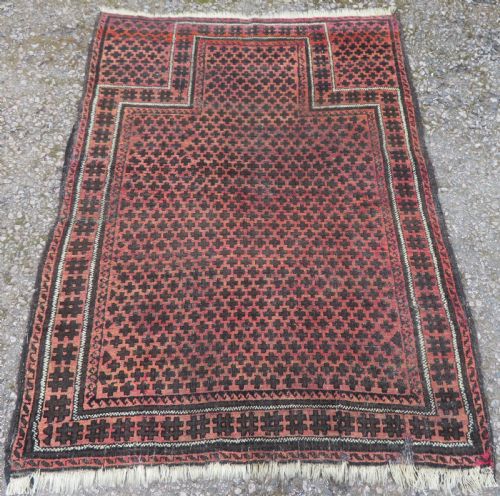
A dark persian carpet search leads directly to heavy wool floor coverings originating from tribal and nomadic groups across Persia and the borderlands. These pieces encompass various formats, from compact prayer rugs and long runners to larger carpets suited for principal rooms.
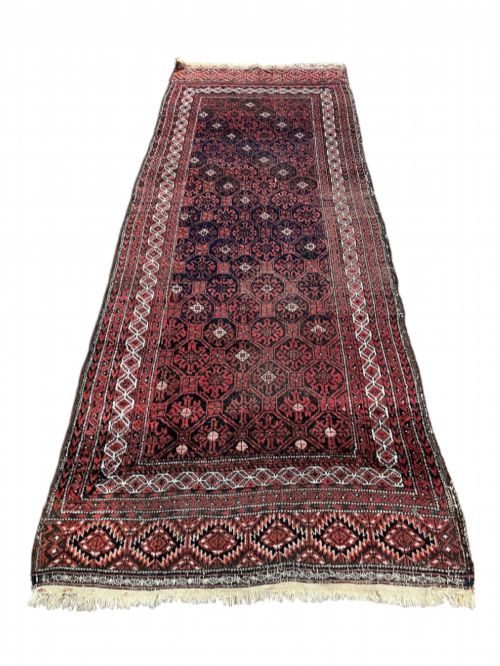
The most common form met on this page is the Baluch tribal rug, often woven in deep tones featuring geometric motifs or traditional guls. Alongside these, examples associated with Kurdish, Khamseh, Qashqai, and Timuri makers frequently appear.
Dating primarily from the late nineteenth and early twentieth centuries, these dark persian carpet examples reflect traditional weaving methods passed down through generations of nomadic and village makers.
How they were made
The foundation relies on hand-spun wool and cotton, providing a sturdy support structure for the dense pile. Goat hair is also utilised in specific structural areas like the selvedges for added durability.
Makers achieved rich, deep colour palettes through natural dyes applied to hand-spun wool, yielding dark hues that age gracefully over decades of use.
Dark Persian Carpet Retail Price Guide 2026
Typical asking prices for dark persian carpet among the pieces listed under this phrase on Sellingantiques today, from the lower quarter to the upper quarter. They describe what is for sale here now, not the wider market.
Some runners carry tiny woven amulets intended to ward off the evil eye.
What varies in quality
Quality rests in the tightness of the weave and the precision of the knotting, which dictates how sharply defined the geometric motifs and guls appear. Finer pieces demonstrate superior control over the hand-spun wool and natural dyes, resulting in a more resilient and articulate surface.
The character of the wool itself creates distinct tiers of quality, where densely packed piles maintain their integrity better than looser structures. Furthermore, the complexity of the design - ranging from simple box medallions to intricate Mina Khani patterns - separates standard village work from master tribal weaving.
The Dark Persian Carpet Glossary
- Gul
- A repeating octagonal or medallion motif commonly found in tribal carpets. It often identifies the specific weaving group or tribe.
- Runner
- A long, narrow carpet format designed for hallways, corridors, or alongside furniture. These pieces balance length with a restricted width.
- Prayer rug
- A small format rug featuring a distinct mihrab or arch design used traditionally for individual prayer. They are easily portable and intimate in scale.
- Kelleh
- A large format rectangular rug longer than it is wide, traditionally used in Persian domestic interiors. It serves as a substantial floor covering.
- Natural dyes
- Colourants derived from plants, insects, and minerals rather than synthetic compounds. They produce rich, variable tones that develop a deep patina over time.
Dark Persian Carpet: Frequently Asked Questions
How do I clean a dark persian carpet?
Surface dirt should be managed with gentle vacuuming without a beater bar, taking care near the fringed ends.
Professional specialist cleaning is recommended for deeper maintenance to protect the natural dyes and hand-spun wool.
Where were these carpets originally made?
These pieces originate from tribal and nomadic groups across Persia, including Khorasan, and the borderlands shared with Afghanistan.
Weavers worked within specific regional traditions, passing down distinct motifs and structural techniques.
Can I use a runner in a modern hallway?
These long formats suit narrow spaces such as hallways, landings, and corridors exceptionally well.
Their robust wool and cotton construction handles high foot traffic while adding traditional texture to contemporary interiors.
How do I identify a tribal rug?
Tribal pieces generally display geometric patterns, stylised animals, and repeating guls rather than elaborate court-style floral curves.
They frequently incorporate materials like goat hair in the edges and show slight irregularities inherent to hand-spun village production.