

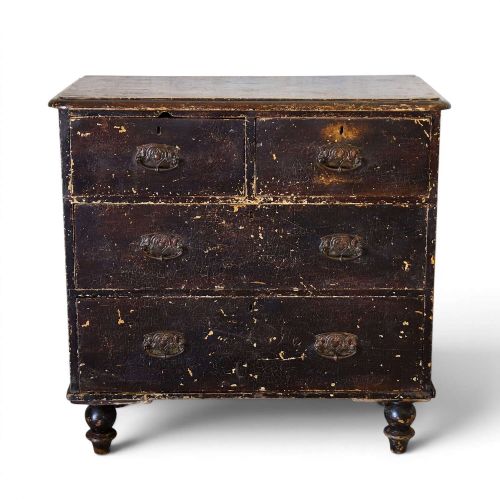
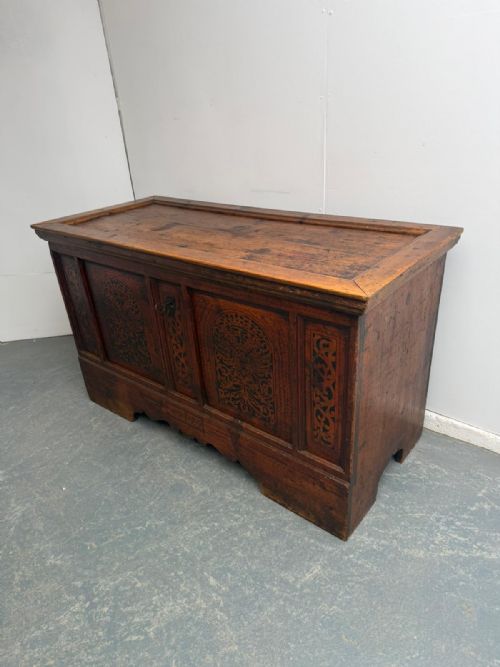
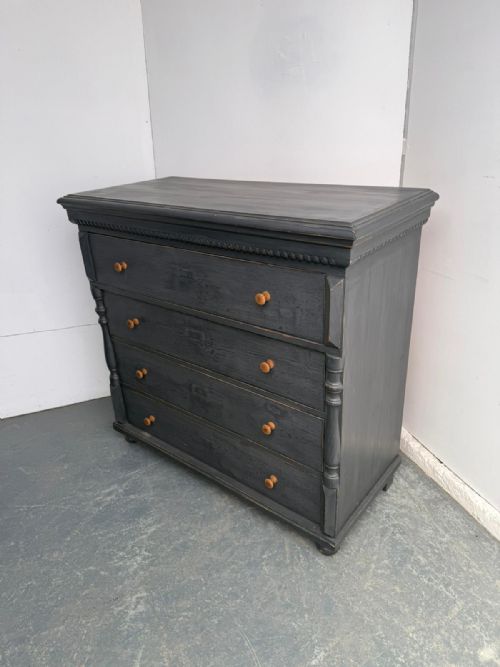

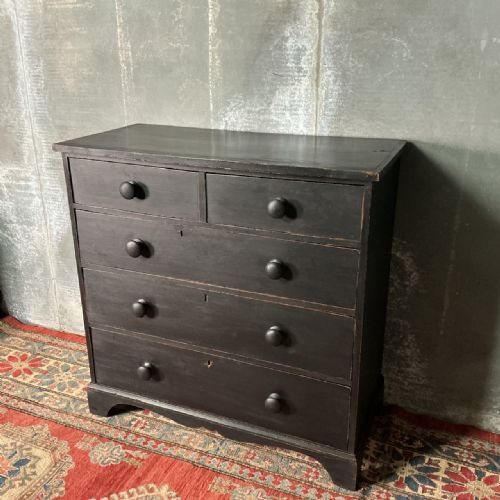

Dark Painted Chest
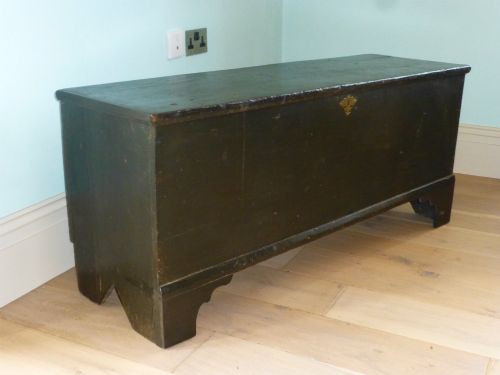
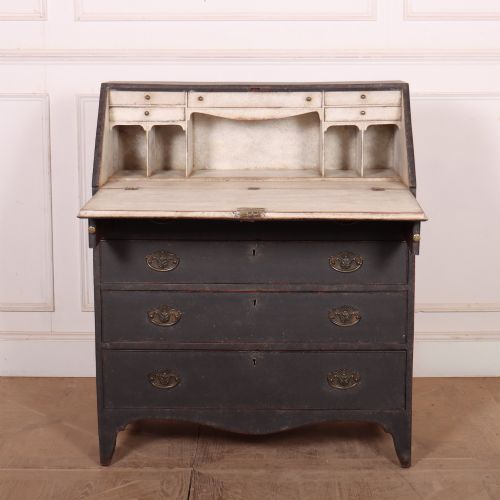
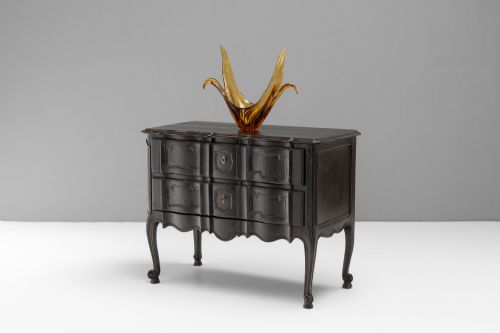
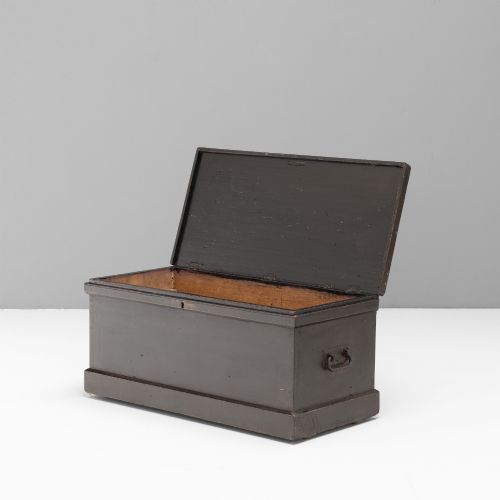
A dark painted chest delivers deep storage with surface character, spanning robust pine trunks to formal eighteenth-century commodes.
Dark Painted Chest
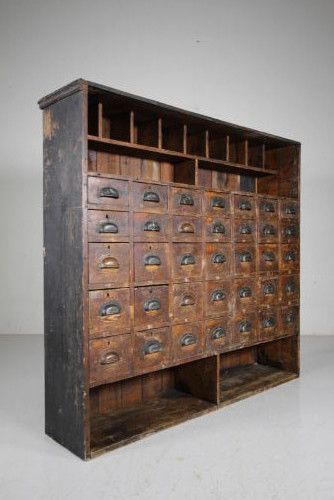
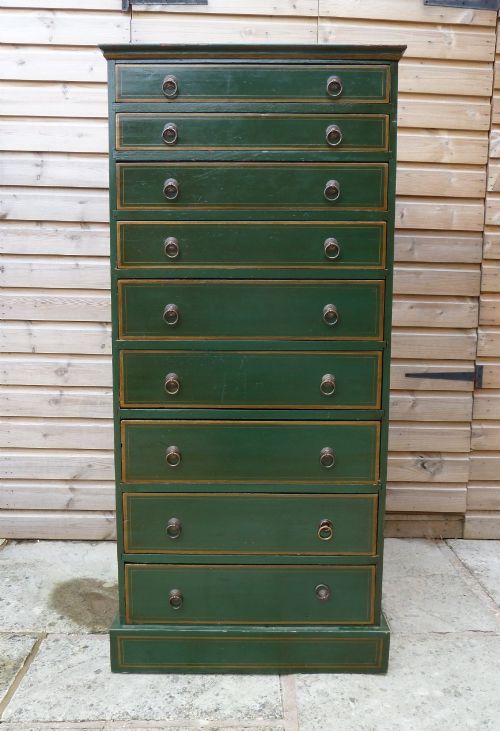
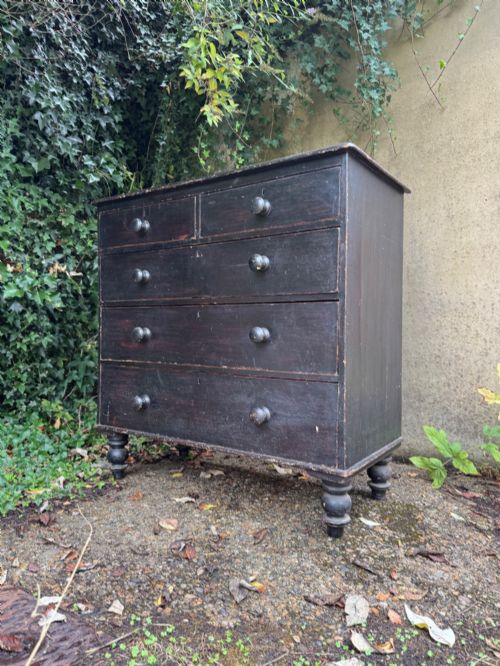
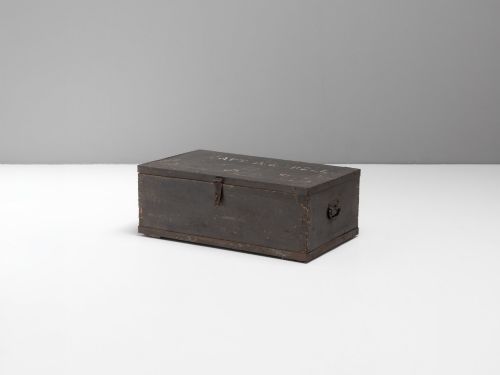
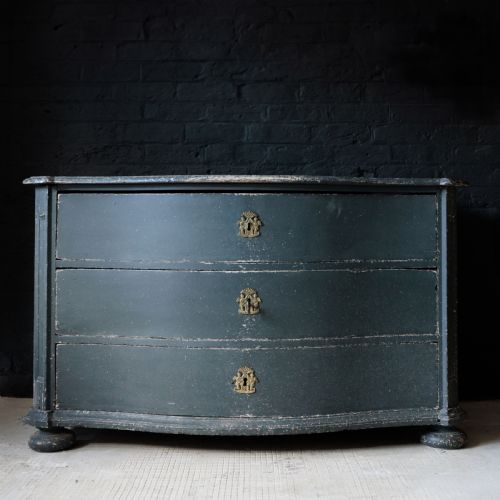
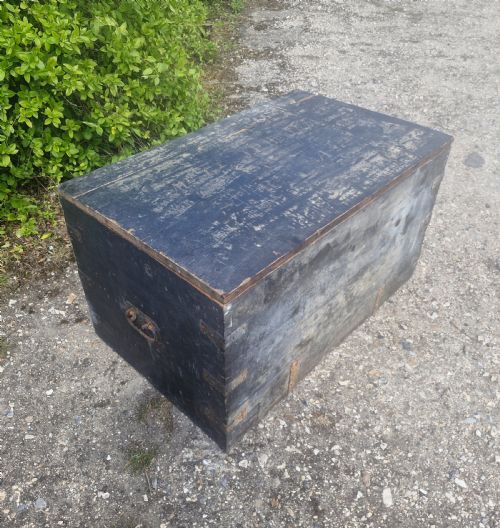
A dark painted chest encompasses everything from utilitarian pine storage trunks and strong boxes to formal eighteenth-century serpentine commodes and banks of drawers. Buyers seeking a dark painted chest will encounter numerous nineteenth-century examples alongside earlier Georgian and Regency pieces.
Forms vary widely across origins, ranging from English kitchen dressers and Welsh coffers to Scandinavian strong boxes and French Provincial commodes. The selection frequently includes specialised items like artists chests, document boxes, and campaign trunks finished in original dark or scumble paint.
Pine and oak serve as the primary timber foundations beneath layers of historical pigment, brass handles, and iron hardware. These pieces function primarily as heavy-duty storage furniture that brings moody, aged colour to domestic interiors.
Materials and Construction
Makers built these pieces predominantly from solid pine and oak, joining the carcasses with traditional corner joinery and housing sturdy timber drawers. Wrought iron and brass provide functional reinforcement on strong boxes, campaign trunks, and heavy storage chests.
Surfaces received layers of oil-based paint, scumble glaze, or pokerwork decoration, often applied to protect the softwood beneath or mimic more expensive timbers. Original paintwork frequently survives in deep greys, browns, and dark tones applied during the eighteenth and nineteenth centuries.
Dark Painted Chest Retail Price Guide 2026
Typical asking prices for dark painted chest among the pieces listed under this phrase on Sellingantiques today, from the lower quarter to the upper quarter. They describe what is for sale here now, not the wider market.
Listings feature pine and oak constructions spanning the eighteenth century through to the 1930s.
Judging Quality
Quality rests heavily on the survival of original surface finishes, where untouched scumble glazes or authentic regional paint lift a piece above later decorative over-painting. The integrity of the underlying timber carcass and the presence of period brass or iron hardware also dictate desirability.
Proportion and form separate standard utilitarian storage boxes from high-status furniture like serpentine commodes and Dutch vitrines. Superior pieces demonstrate crisp joinery, balanced drawer configurations, and genuine age within their structural joints.
The Dark Painted Chest Glossary
- Scumble paint
- A translucent or opaque glaze dragged or brushed over a lighter base coat to simulate wood grain or create textured patterns. This technique was widely utilised on nineteenth-century pine furniture.
- Serpentine commode
- A chest of drawers or commode featuring a wavy, undulating front profile with a convex centre flanked by concave sides. These formal pieces often date to the eighteenth century and display high craftsmanship.
- Mule chest
- A traditional storage chest fitted with one or two drawers at the base beneath the main compartment. They bridge the gap between simple blanket boxes and full chests of drawers.
- Strong box
- A heavily reinforced metal or iron-banded wooden chest designed for securing valuables and documents. Nineteenth-century examples often feature complex internal locking mechanisms.
- Campaign trunk
- A portable storage chest made for military officers on the move, typically equipped with robust iron carrying handles. These pieces prioritize sturdy construction and practical transportation.
Dark Painted Chest: Frequently Asked Questions
How do I date a dark painted chest?
Dating relies on examining the construction methods of the carcass, the type of timber used, and the composition of the paint layer. Hand-cut dovetails, forged iron hardware, and genuine wear patterns help establish whether a piece originates from the eighteenth or nineteenth century.
Paint analysis provides further clues, as specific scumble effects and pigment mixtures align closely with distinct periods like the Victorian era or the Georgian period.
What is scumble paint on furniture?
Scumble paint involves applying a darker glaze over a lighter base colour and manipulating it with combs, rags, or brushes to create faux wood grain or mottled textures. It became popular in the nineteenth century for upgrading plain pine furniture.
Original scumble finishes provide a rich, tactile surface that collectors prize for its authentic aged depth.
Where were these painted chests made?
These pieces originate from workshops across Britain, France, Scandinavia, and Hungary. English pieces often utilise pine and oak, while Swedish and Hungarian examples frequently feature distinct folk art palettes and softwood construction.
Regional differences in hardware and proportions help identify the specific geographic origin of each trunk or commode.
How should I clean original painted surfaces?
Original painted surfaces require minimal intervention, generally needing only a gentle wipe with a dry or very slightly damp microfiber cloth to remove dust. Avoid harsh modern solvents or abrasive cleaners that can strip historical pigments and scumble glazes.
Preserving the untouched surface patina maintains both the visual character and the historical integrity of the piece.