
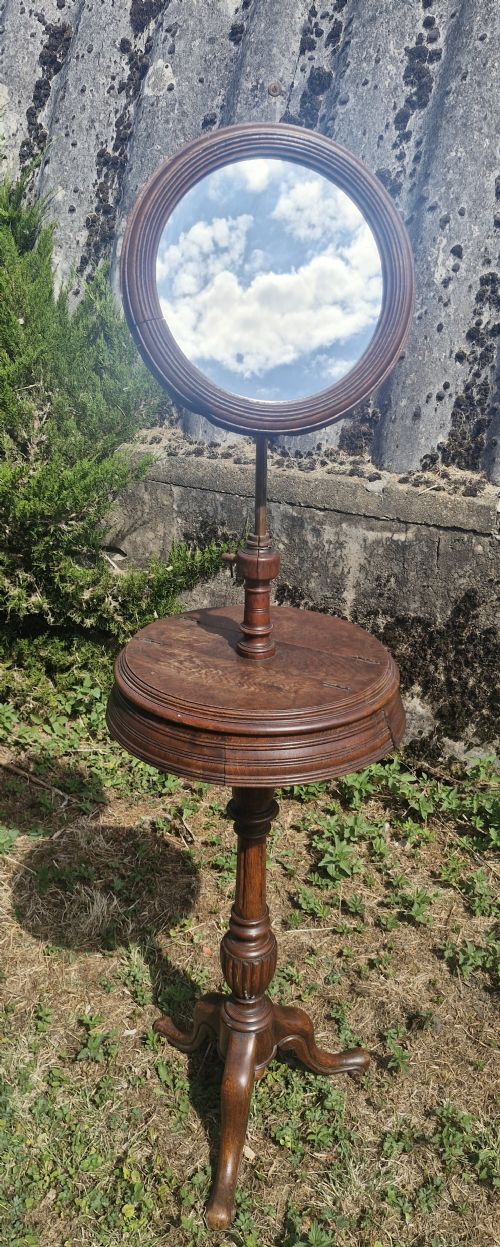
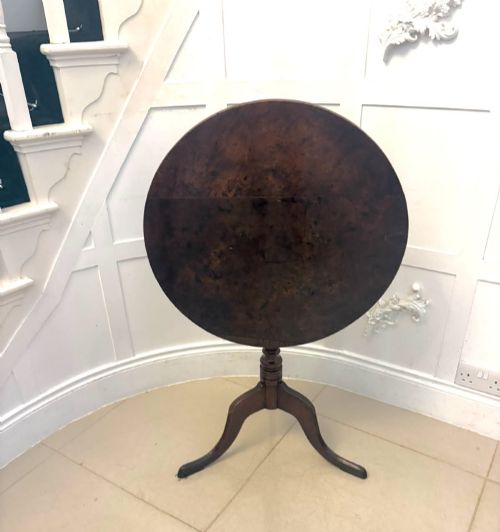
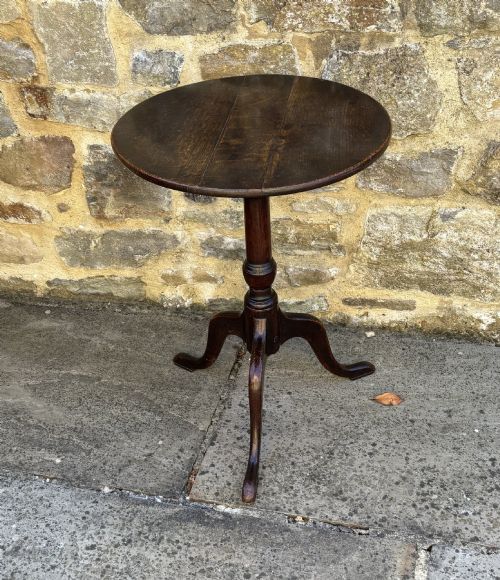
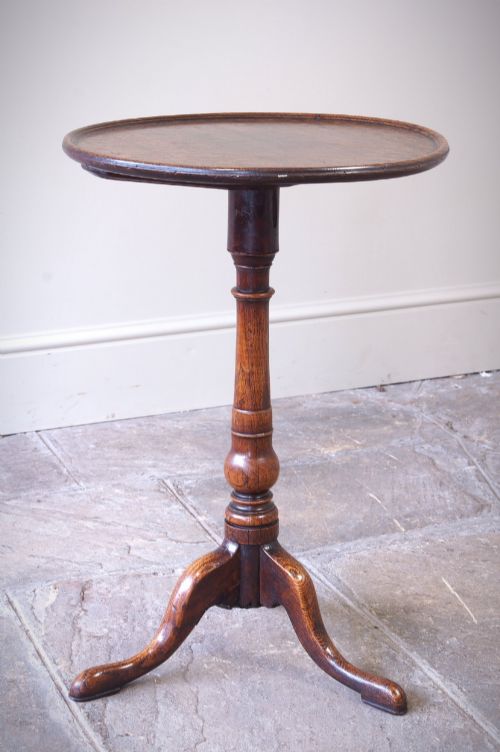
Dark Oak Pedestal Stand
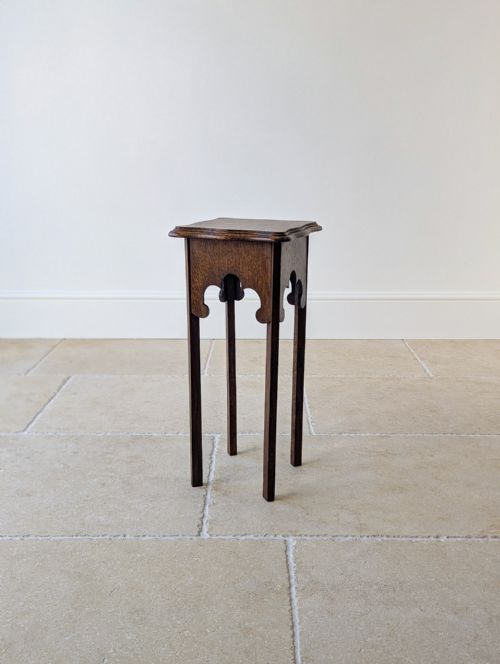
A dark oak pedestal stand raises an object or fills a corner with rich timber grain and sculptural weight.
Dark Oak Pedestal Stand
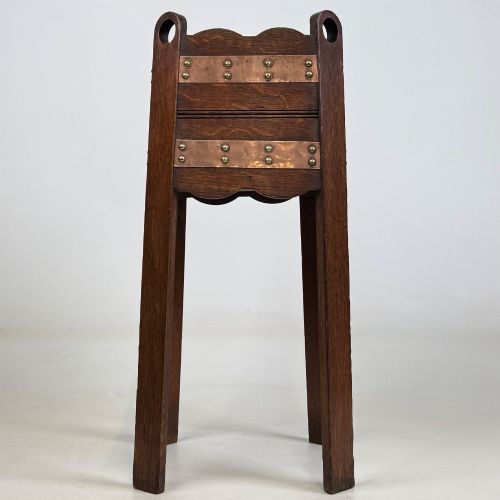
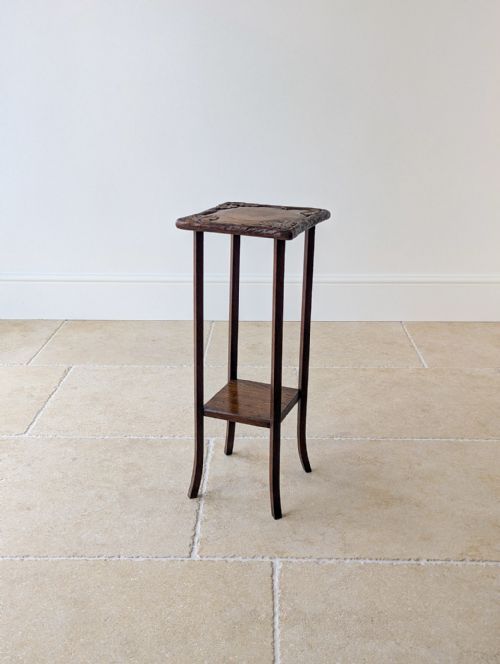
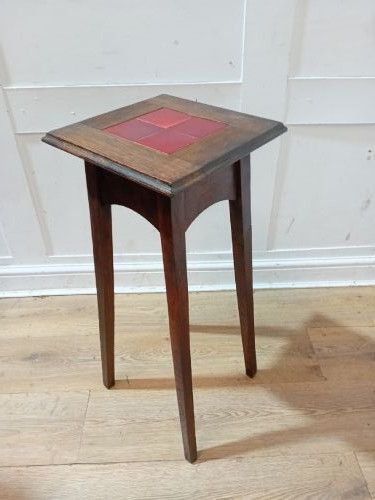
A dark oak pedestal stand encompasses sturdy plant holders, tall display columns, and compact occasional tables used to elevate lamps or decorative objects. These functional items cross several eras, appearing in Georgian country designs, ornate Victorian revivals, and simpler Arts and Crafts interpretations.
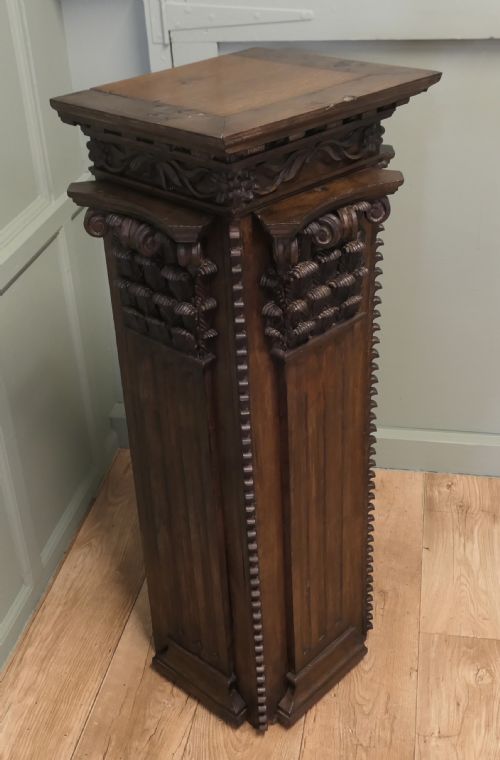
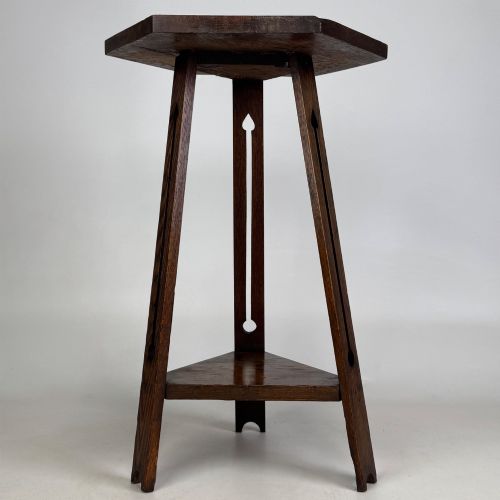
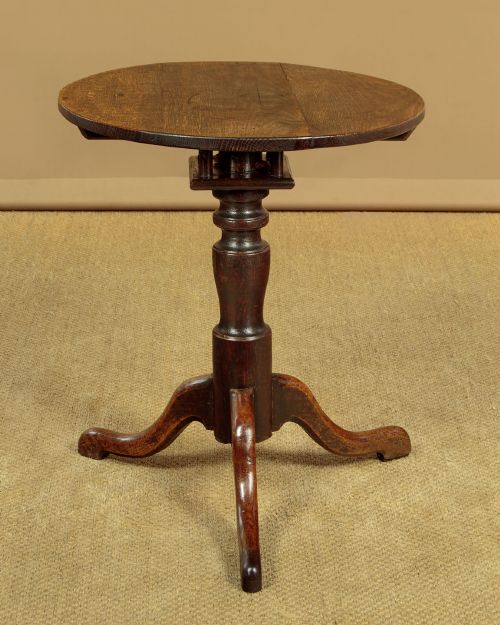
The versions most commonly met on this page span from the eighteenth century through the Edwardian period, often taking the form of tripod wine tables, torchere stands, or carved columns. Makers utilised durable native timbers to build pieces intended for daily use in domestic halls and parlours.
Materials and construction methods
Cabinetmakers constructed these supports primarily from solid oak, sometimes selecting burr oak for patterned grain or incorporating secondary woods like mahogany and hardwood. Structural stability relied on pegged joints, turned shafts, and tripod legs that kept heavy items secure.
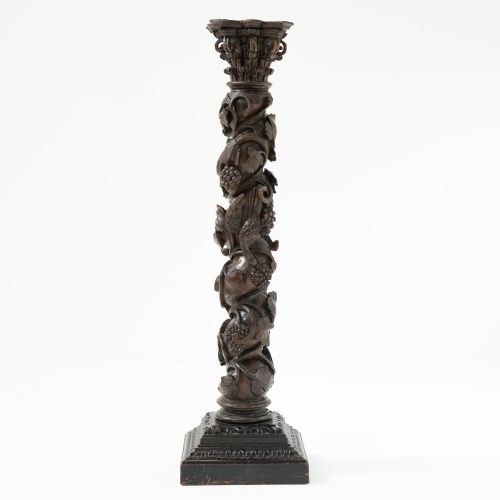
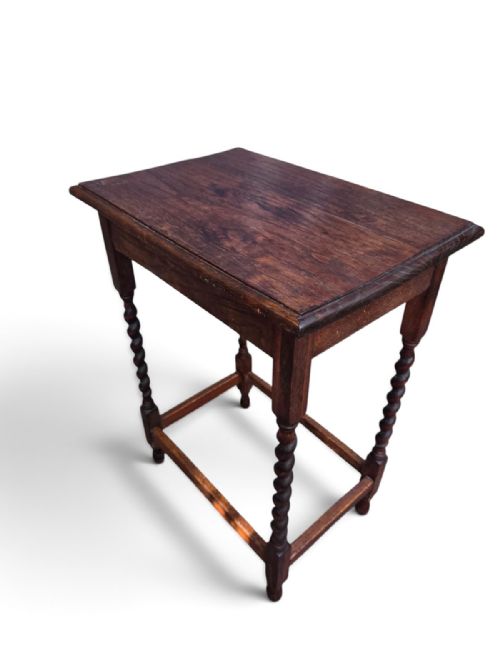
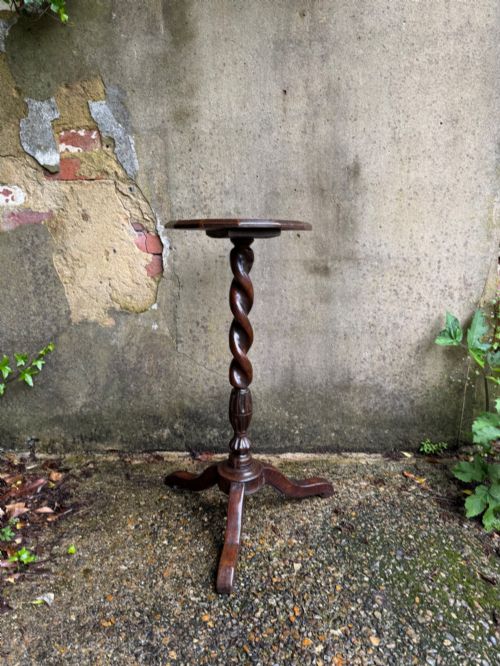
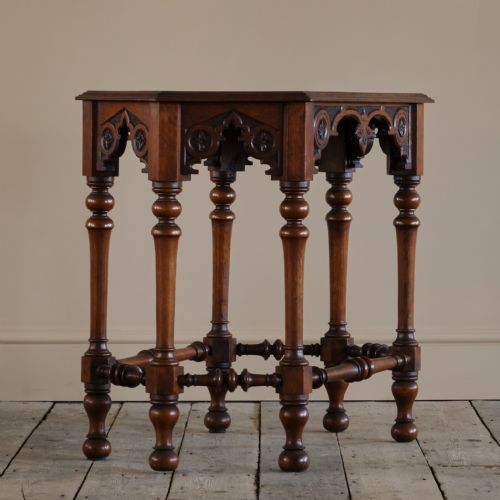
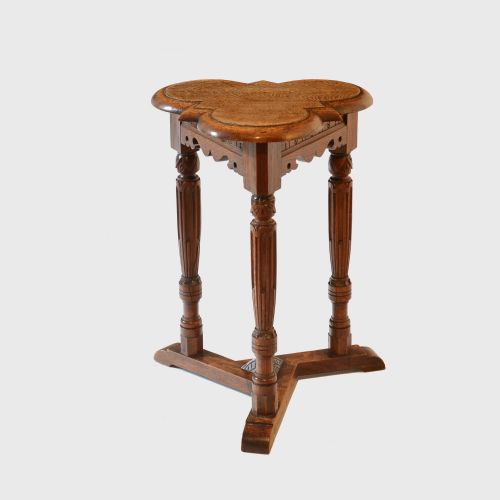
Surface ornamentation involved hand-carving techniques, producing spiral barley twist columns, Solomonic twists, and Gothic trefoil motifs. Metal elements such as brass or iron appeared in structural brackets, coopered bands, and adjustable mechanisms on specific tables.
Some tall columns managed to double as shaving stands before retiring to the corner as plant holders.
Distinctions in craftsmanship and preservation
Quality rests in the crispness of the hand-carved detail and the integrity of the timber joints, where tight pegging prevents wobble in tall columns. Superior examples display deep, natural patination on the oak surfaces, achieved through decades of polishing and handling.
Proportion and stability separate standard utility items from finer decorative stands, particularly in tripod bases where leg placement dictates balance. Pieces retaining original surface finishes and authentic period brass or iron components hold greater integrity than later replacements.
The Dark Oak Pedestal Stand Glossary
- Torchere
- A tall, slender stand designed specifically to support a lamp or light source. These pieces elevate illumination to corners or dark passages.
- Solomonic
- A helical column twist resembling a spiralling rope, popular in seventeenth and eighteenth-century furniture carving. This form adds dynamic vertical movement to pedestal shafts.
- Tripod
- A three-legged base configuration commonly found on small occasional tables and plant stands. This design prevents rocking on uneven historical floors.
- Jardiniere
- A decorative pot or stand intended to hold indoor plants and floral arrangements. Coopered versions utilise wooden staves bound with metal hoops.
- Tilt-top
- A tabletop hinged to a central pillar, allowing the surface to fold vertical when not in use. This mechanism saved valuable floor space in smaller period rooms.
Dark Oak Pedestal Stand: Frequently Asked Questions
What is a dark oak pedestal stand used for?
These versatile supports served as stable platforms for heavy table lamps, decorative flower pots, and treasured display items in period homes. Their elevated design brought smaller objects into closer view while utilising empty floor space.
Today, they function well in modern interiors as plant holders beside windows or as independent accent furniture in hallways and living rooms.
How do I identify an eighteenth-century stand?
Early pieces from the Georgian era typically feature pegged tenon joints, hand-turned tripod bases, and dense timbers showing natural wear and deep patination. Tool marks and subtle irregularities in the grain reveal hand-crafting methods absent in later production.
Examining the underside of tabletops or column bases often uncovers period construction traits, such as original tilt mechanisms or hand-wrought iron fastenings.
Are barley twist stands Edwardian?
Spiral or barley twist turning appears across multiple centuries, but many examples on this page date from the Arts and Crafts and Edwardian periods around nineteen hundred. Cabinetmakers revived seventeenth-century styles during this era to satisfy demand for traditional domestic furnishings.
These later revival pieces combine historical motifs with standard workshop practices of the early twentieth century.
How should I care for antique oak?
Maintain the finish by applying natural beeswax sparingly and buffing with a soft cloth to preserve the historical patina of the timber. Avoid placing wooden stands near direct heat sources or in fluctuating humidity to prevent the oak from splitting.
Regular dusting with a dry cloth protects the carved details and prevents grit from dulling the surface over time.