





Dark Metal Table Lamps
These dark metal table lamps bring weight and presence to a room, cast in bronze, brass, spelter and cast iron.
Dark Metal Table Lamps
Dark metal table lamps encompass lighting fixtures fashioned from bronze, brass, spelter, cast iron and white metal, frequently adapted from earlier vessels or figures. When searching for dark metal table lamps, a buyer encounters diverse forms spanning the nineteenth century through the nineteen-thirties, including desk lamps, oil lamps and converted ewers.
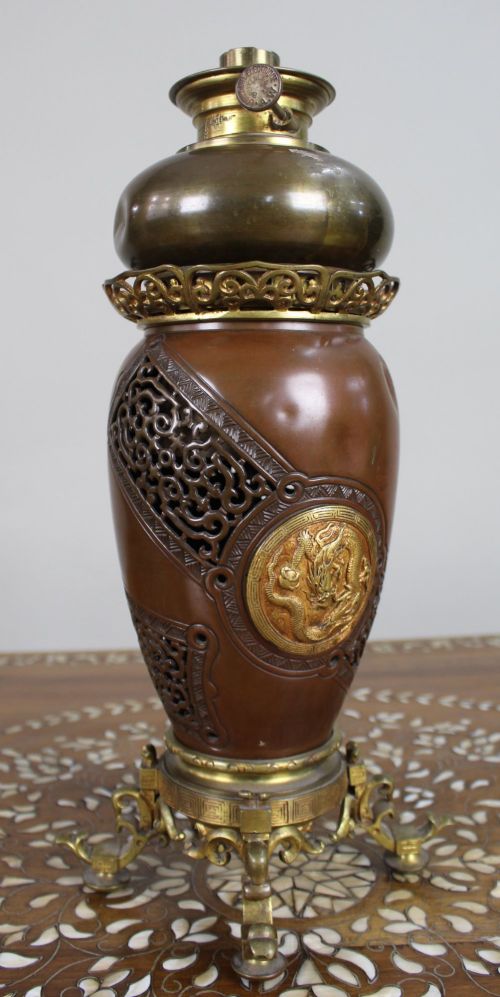
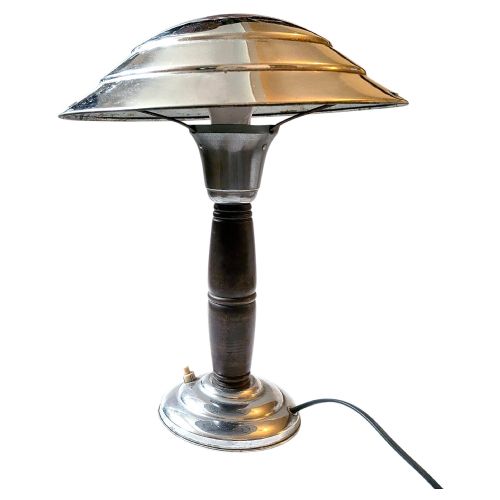
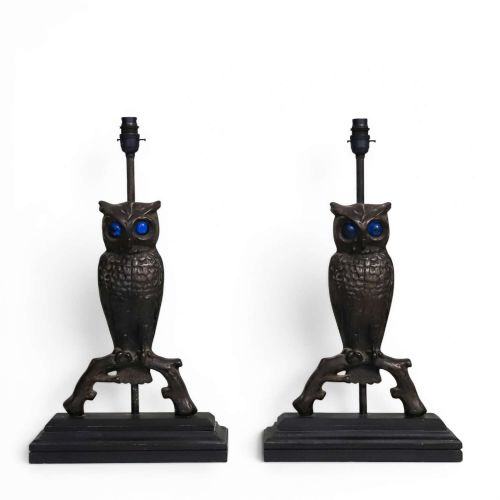
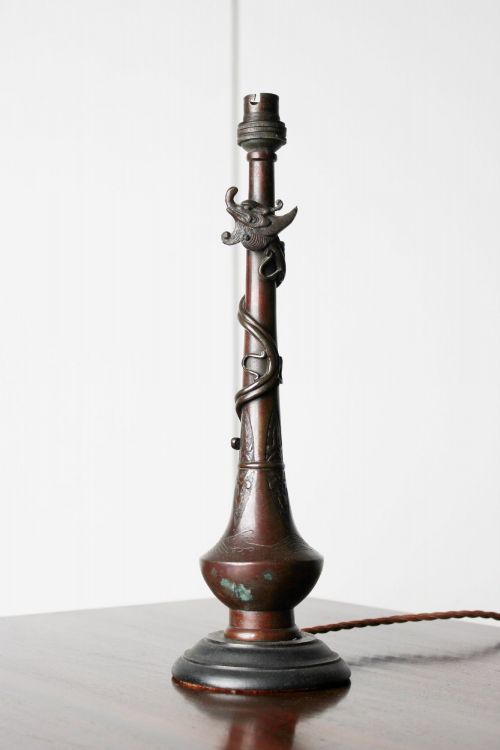
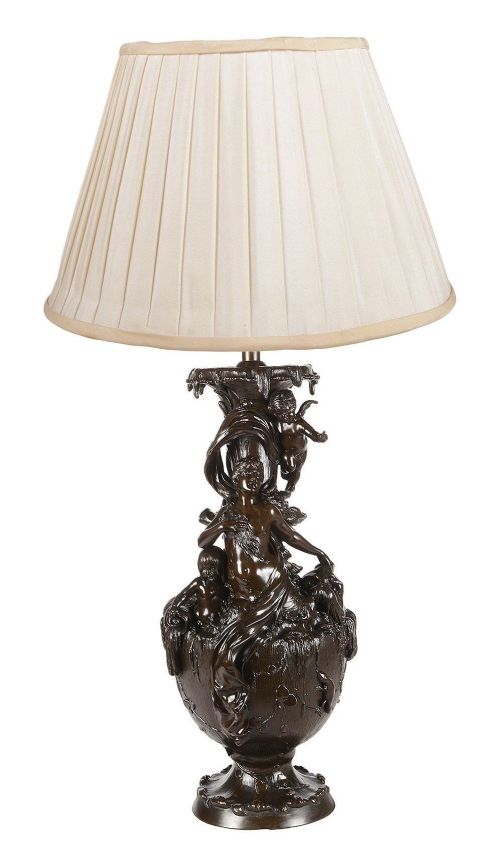
The pieces appearing on this page range from Victorian and Edwardian examples to 1920s and 1930s designs, encompassing neoclassical, art nouveau and machine age styles. French, Japanese Meiji period and American folk art origins surface across the selection, featuring subjects from mythological goddesses to cast iron owls.
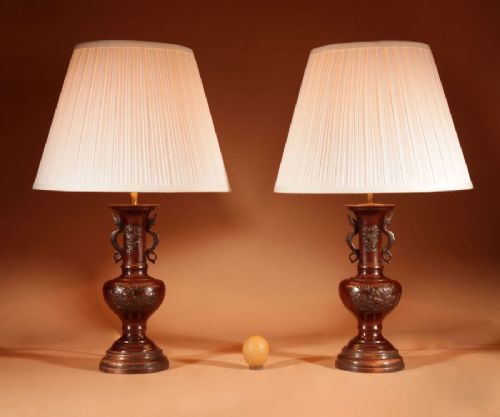
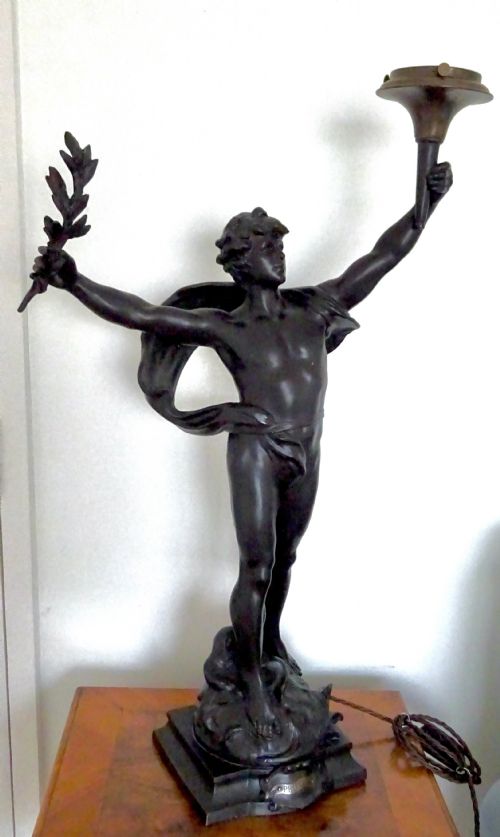
Conversions form a distinct subset of these objects, utilising nineteenth-century vases, tea canisters and andirons as bases for modern illumination. Spelter figural groups and torchère lamps represent a significant portion of the available lighting forms.
How they were made
Foundry casting forms the foundation of these pieces, utilising bronze, spelter and cast iron to create detailed figures and bases. Spelter, a zinc alloy, provides an economical alternative to bronze for sculptural figures, often finished with a dark patinated coating.
Metal components combine with fabric shades, glass elements and wooden or gilded mounts to complete the fixtures. Many examples incorporate older decorative objects, such as bronze ewers or tea canisters, drilled and adapted for electrical fittings or oil usage.
Dark Metal Table Lamps Retail Price Guide 2026
Typical asking prices for dark metal table lamps among the pieces listed under this phrase on Sellingantiques today, from the lower quarter to the upper quarter. They describe what is for sale here now, not the wider market.
Object forms span standard table lamps alongside desk lamps, oil lamps, ewers, candelabra, bouillotte lamps and figural torchères.
What varies in quality
The quality of these lamps depends largely on the crispness of the casting and the depth of the original patination on the metal surface. Finer examples display meticulous detailing in sculptural figures and ornamentation, whether representing neoclassical deities or Meiji period motifs.
The integrity of the conversion work and the harmonious integration of electrical or lighting fittings distinguish superior pieces from simpler adaptations. Material choice also dictates distinction, with heavy bronze and cloisonné holding greater substance than lighter spelter or cast iron.
Adrien Gaudez·Moreau
The Dark Metal Table Lamps Glossary
- Spelter
- A zinc alloy commonly utilised for decorative figures and lamps during the late nineteenth and early twentieth centuries. It accepts patination well to simulate bronze.
- Meiji Period
- The era in Japanese history spanning from 1868 to 1912, known in these listings for bronze work and cloisonné. Pieces from this time often exhibit high technical skill in metalcasting.
- Bouillotte lamp
- A traditional adjustable desk lamp featuring a central column, multiple candle arms and a characteristic toleware shade. French examples frequently combine brass and painted metal.
- Torchere
- A stand or lamp modelled on a torch-bearer, frequently taking the form of a classical figure holding a light source. These often appear in pairs.
- Patination
- The surface finish or colour acquired by metal over time or applied intentionally during manufacture. A dark patina defines the aesthetic of these lamps.
Dark Metal Table Lamps: Frequently Asked Questions
What are dark metal table lamps?
These pieces are lighting fixtures constructed from materials such as bronze, brass, spelter and cast iron, originating from the nineteenth and early twentieth centuries. They take various forms, including desk lamps, figural sculptures and converted vessels.
Many examples derive from decorative objects like vases, ewers and candelabra that have been adapted to hold electrical components while retaining their original sculptural character.
How were converted lamps made?
Makers took existing decorative items, such as tea canisters, bronze ewers, vases and andirons, and modified them to function as lamps. This practice preserves historical metalwork by giving functional purpose to decorative objects.
Conversions often involve drilling through metal or stone bases to run wiring, attaching lamp holders, and pairing the base with a suitable shade.
How do I date a metal lamp?
Dating relies on stylistic clues, manufacturing techniques and material signatures associated with periods like the Victorian era, Art Nouveau or the 1930s Machine Age. Cast iron owls and modernist chrome point to the twentieth century, while spelter figures and bronze bronzes often date to the late nineteenth century.
Maker signatures, registry marks and the specific style of patination or casting further help establish the era of production.
Where were these lamps made?
The listings show origins spanning France, Britain, Japan during the Meiji period, and America. French workshops produced patinated metal figural lamps and toleware bouillotte desks lamps.
Japanese bronze and cloisonné pieces reflect Meiji craftsmanship, while American examples include cast iron folk art figures.
How do I live with dark metal lamps?
These lamps suit spaces requiring architectural weight and substantial materials, providing focused task lighting or ambient illumination through fabric shades and candelabra arms. Their dark patinated surfaces complement both traditional interiors and industrial or modernist settings.
Pairing them with appropriate bulb warmth enhances the metallic tones of the bronze, spelter or brass bases without overwhelming the room.