



Victorian Figurative Lamps
Victorian figurative lamps bring character to a room through sculpted human, animal and mythological forms cast in bronze, brass, spelter and porcelain.
Victorian Figurative Lamps
Victorian figurative lamps combine illumination with sculptural art, taking the shape of animals, mythological figures, and human characters. These pieces span the nineteenth century and into the turn of the twentieth century, reflecting varied stylistic influences including Rococo Revival, Neoclassical, and Chinese Qing Dynasty aesthetics.
The selection here encompasses table lamps, oil lamps, and ceramic lamp bases alongside related conversion pieces such as incense burners and vases adapted for lighting. Materials range widely from fine porcelain and patinated bronze to spelter and carved root wood.
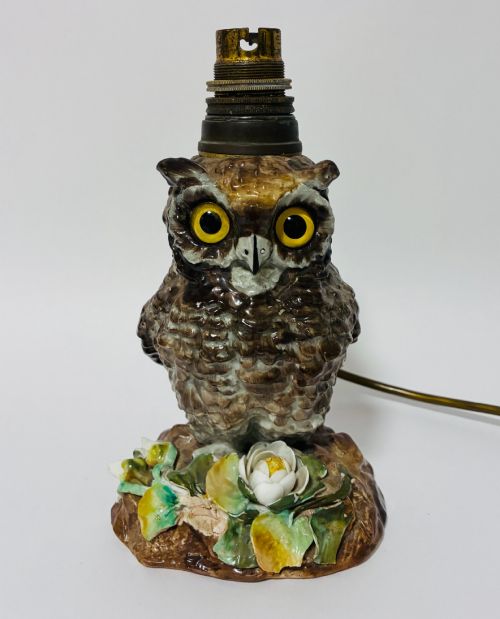
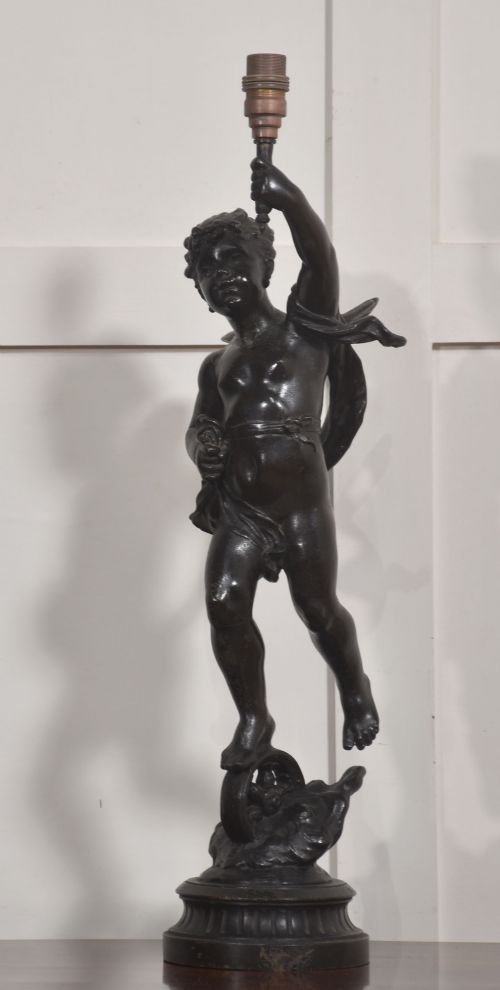
Buyers frequently encounter animal forms, notably ceramic owls, alongside classical figures like the Goddess Amphitrite and cherubs. The diversity of origins includes French, Anglo-Indian, and Chinese designs created during the Victorian era and the decades immediately following.
Materials and construction
Metal components rely on casting techniques, utilising bronze, brass, and spelter to form durable figures and bases. Patination and bronze finishes give depth to metal surfaces, while opaline or frosted glass shades complement the sculptural bodies.
Ceramic and porcelain works utilise detailed moulding and hand-painting, seen in pieces originating from factories such as Sitzendorf. Organic materials also appear, including carved Chinese root wood for specialised table lamp bases.
Victorian Figurative Lamps Retail Price Guide 2026
Typical asking prices for victorian figurative lamps among the pieces listed under this phrase on Sellingantiques today, from the lower quarter to the upper quarter. They describe what is for sale here now, not the wider market.
Materials represented across the inventory include bronze, brass, ceramic, porcelain, spelter, glass, and carved root wood.
Assessing quality
Material choice establishes the baseline tier of a piece, with heavy bronze and fine porcelain commanding greater presence than lighter spelter alternatives. The harmony between the sculptural base and any associated glass or fabric elements completes the composition.
Sitzendorf
The Victorian Figurative Lamps Glossary
- Spelter
- A zinc-based alloy frequently used as a cost-effective substitute for bronze in nineteenth-century statuary and lamp bases. It takes patination well to simulate heavier metals.
- Patinated bronze
- Bronze that has been treated chemically to produce a specific surface colour or aged finish. This process accentuates the contours of figurative casts.
- Opaline glass
- A pale, translucent glass often milky in appearance used for lamp shades and vessels during the nineteenth century. It diffuses light softly across a room.
- Rococo Revival
- A nineteenth-century design style characterised by elaborate scrolls, asymmetrical ornament, and naturalistic motifs. It heavily influences many decorative lamp bases of the period.
Victorian Figurative Lamps: Frequently Asked Questions
What are Victorian figurative lamps?
Victorian figurative lamps are nineteenth-century lighting pieces incorporating sculpted human, animal, or mythological forms into their design. They serve both as functional light sources and as decorative sculptures.
Materials used include bronze, brass, porcelain, and spelter, often paired with glass shades or fabric elements.
How do I light with them?
These lamps function well as accent lighting on side tables, mantels, or desks where their sculptural qualities remain visible. Many have been converted from earlier oil lamps for modern electrical use.
Pinned wiring and appropriate bulb wattages ensure safety while preserving the antique character of the lamp base.
How are bronze and spelter told apart?
Bronze is heavier, cooler to the touch, and yields a more resonant sound when tapped gently compared to spelter. Spelter is a softer zinc alloy that may show lighter grey metal beneath worn spots in the patination.
Figurative details on bronze casts also tend to be sharper and more precisely defined than those on spelter equivalents.
Are porcelain lamp bases fragile?
Porcelain lamp bases require careful handling due to the brittle nature of ceramic material, particularly around delicate extremities like wings or drapery. Regular dusting with a soft cloth keeps the glazed or painted surfaces clean.
Placement away from high-traffic edges prevents accidental knocks to these detailed nineteenth-century pieces.