



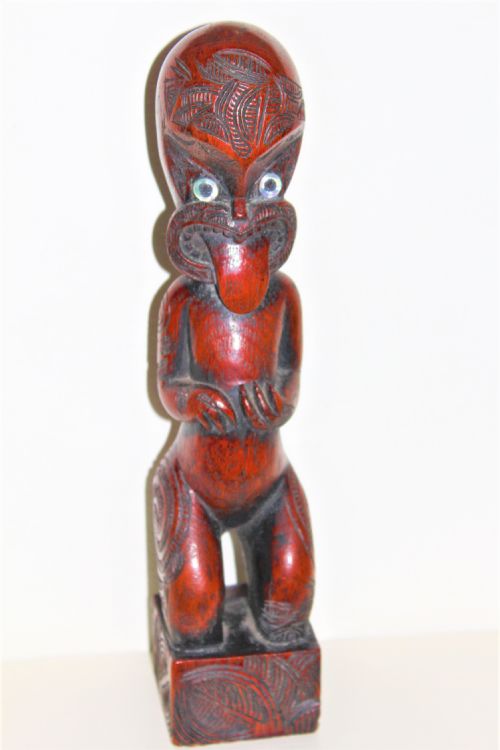
Dark Hardwood Tribal Art
Dark hardwood tribal art gathers carved figures, weapons and ceremonial objects shaped across centuries by diverse indigenous cultures.
Dark Hardwood Tribal Art
Dark hardwood tribal art comprises carved figures, ceremonial objects and functional items originating from African, Oceanic and Indigenous Australian cultures. Collectors seeking dark hardwood tribal art encounter pieces ranging from the eighteenth century to the early twentieth century, reflecting distinct regional traditions and craftsmanship.
Materials and construction methods
Carvers utilised indigenous hardwood, selecting dense timbers capable of holding intricate detail and enduring structural use. Artisans shaped these resistant materials using traditional cutting and carving tools to produce smooth surfaces and sharp geometric or figurative motifs.
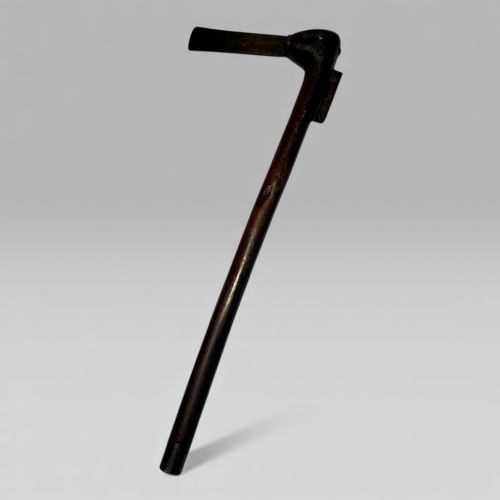
Certain objects incorporate additional elements such as plant fibre, natural resin, forged iron and bone inlay to secure components or enhance decorative finishes. These supplementary materials reflect the practical resourcefulness of makers working with available natural substances.
A five-foot set of carved tribal doors stands ready to transform any ordinary hallway into an unexpected ethnographic threshold.
Factors determining quality
Quality rests upon the precision of the carving and the fluidity of the figurative or abstract forms. Pieces that exhibit confident proportions, deep relief and well-balanced composition stand apart from simpler or more rigid executions.
Condition and surface patination also define the standing of a piece. Retaining original structural integrity, authentic wear from handling and untouched natural surfaces distinguish superior examples from heavily altered or restored items.
The Dark Hardwood Tribal Art Glossary
- Knobkerrie
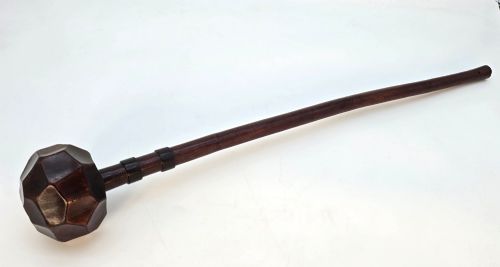
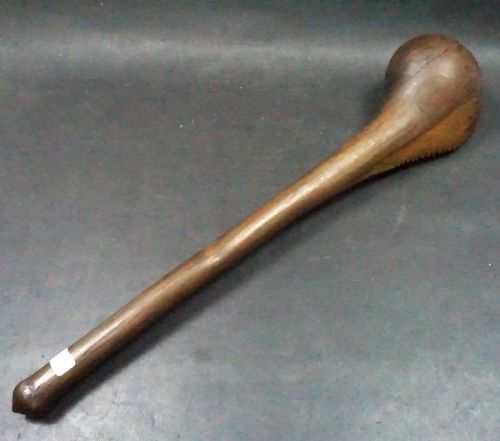
- A traditional African wooden club featuring a heavy ball or knob at one end. These weapons were used for both hunting and warfare across Southern Africa.
- Woomera
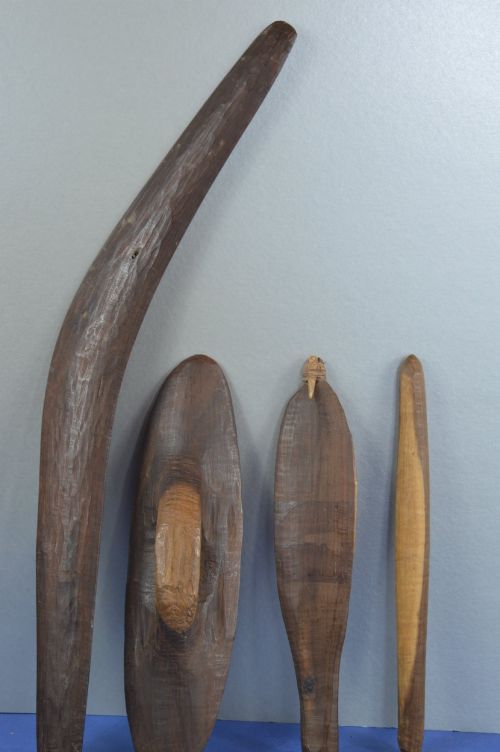
- An Australian Aboriginal spear-thrower that acts as an extension of the arm to increase the velocity and force of a thrown spear. They often double as carrying vessels or fire-starting tools.
- Patina
- The surface sheen and colour developed over years of handling, exposure and natural ageing. A genuine patina provides crucial evidence of a piece's age and history of use.
- Hardwood
- Timber derived from angiosperm trees, typically heavier and denser than softwood. Carvers favoured these durable woods for items requiring strength and longevity.
Dark Hardwood Tribal Art: Frequently Asked Questions
What is a knobkerrie?
A knobkerrie is a traditional Southern African club characterised by a distinct rounded head mounted on a sturdy wooden shaft. These items served primarily as hunting implements and defensive weapons.
Many surviving examples date from the nineteenth and early twentieth centuries, showing various regional styles of shaft turning and head shaping.
How are tribal clubs dated?
Dating relies on stylistic analysis, recorded provenance and the physical characteristics of the timber and surface wear. Tool marks and construction methods often point to specific manufacturing periods.
Experts compare pieces against documented examples from known regions to establish likely eras of creation.
How should I clean wooden carvings?
Wooden tribal objects require minimal intervention and should generally be kept away from direct sunlight and moisture. Dusting gently with a dry, soft brush is usually sufficient.
Applying polishes or oils can damage the historic surface patination and should be avoided.