



Dark Coat Gentleman Portrait
A dark coat gentleman portrait captures the gravitas of past centuries through skilled oil painting on canvas.
Dark Coat Gentleman Portrait
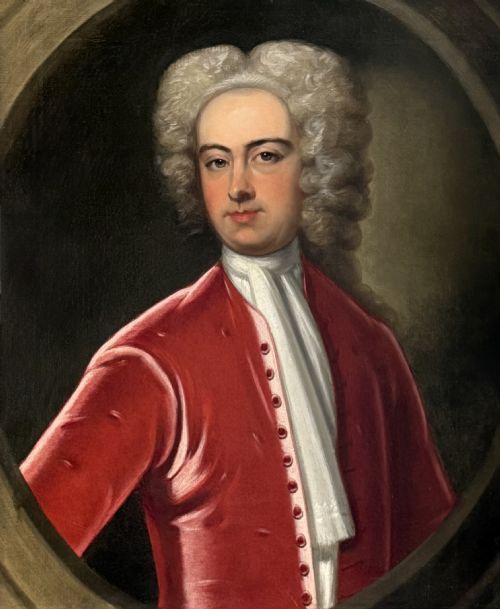
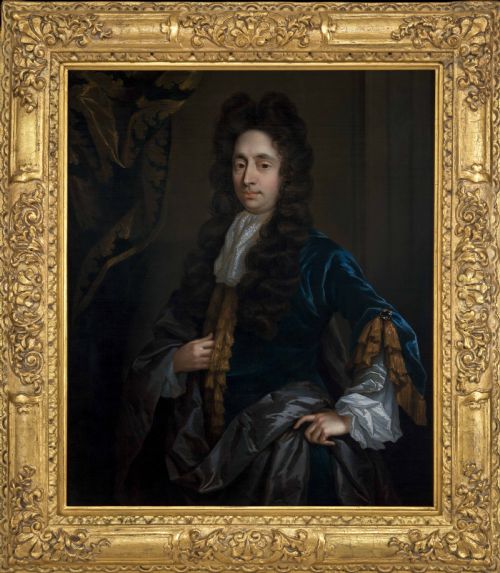
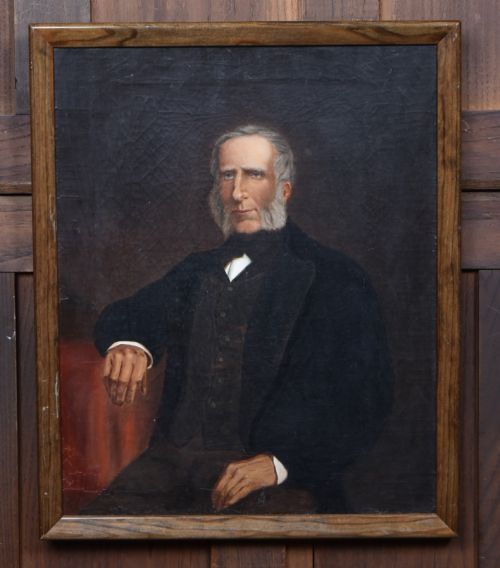
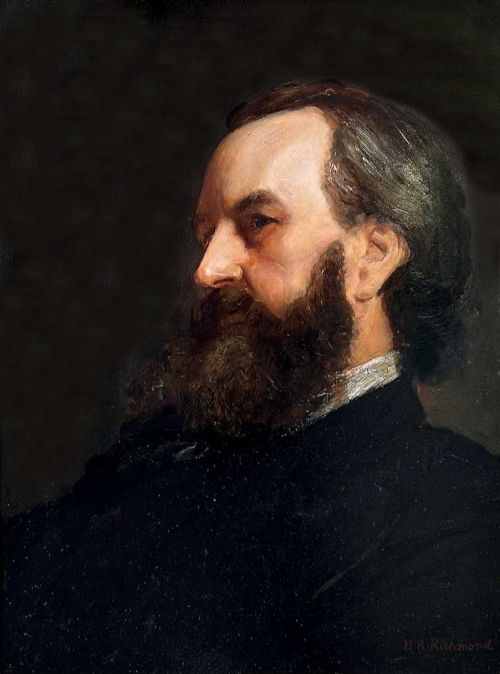
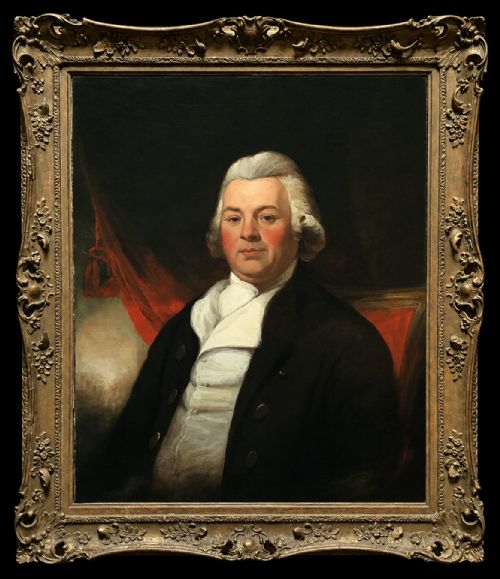
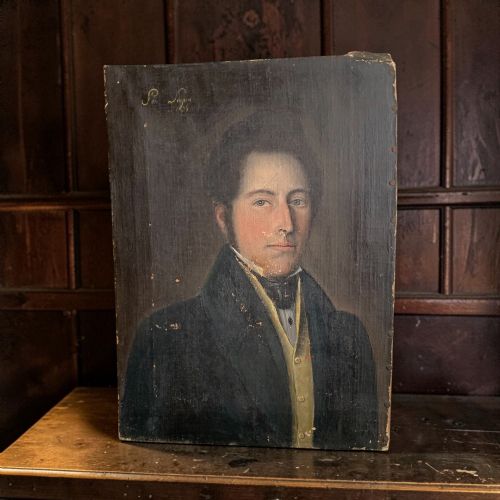
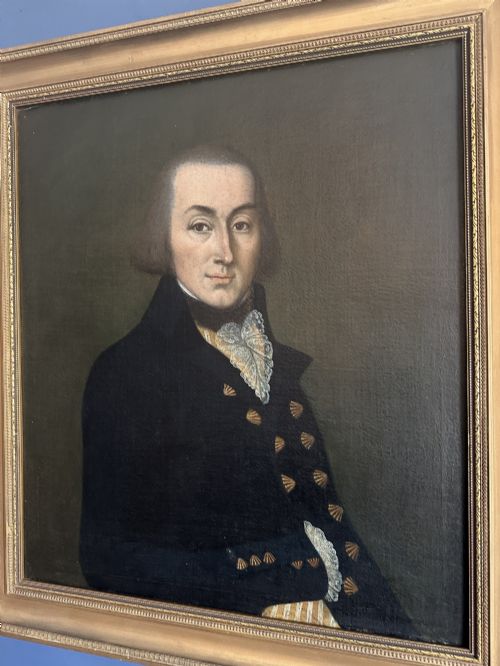
A dark coat gentleman portrait brings centuries of historical presence into a room, depicting sitters from merchants to admirals. These works emerge primarily from the seventeenth, eighteenth, and nineteenth centuries, capturing notable figures in formal attire.
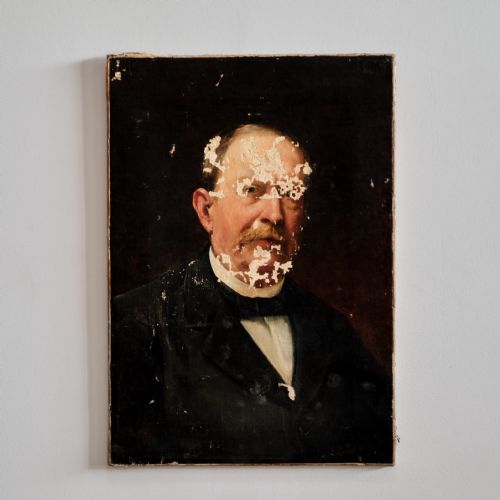
The versions most commonly met on this page span the Georgian, Regency, and Victorian eras, executed in oil on canvas or as delicate portrait miniatures. Painters from British, French, Austrian, and Dutch schools dominate the selection, showing sitters in dark or black suits, frock coats, and military uniforms.
Subjects range from known historical personalities, such as politicians and physicians, to anonymous gentlemen preserved by unknown hands. Each piece offers a direct visual link to past sartorial choices and portraiture conventions.
Markers of distinction
Condition also dictates standing, where untouched original surfaces and stable canvas tension outweigh later overpainting or aggressive cleaning. Works retaining their period frames carry additional contextual integrity.
Materials recorded include oil paint, canvas, wood, gesso, and gold leaf across several distinct European schools.
Sir William Beechey·James Howe·William Blake Richmond·George Watson·Sir Thomas Lawrence·Thomas Hudson·John Raphael Smith·Rudolph Lehmann·Sir James Guthrie·George Francis Joseph·Joseph Clover·James Latham·Lemuel Francis Abbott·Sir Joshua Reynolds·Sir William Charles Ross
The Dark Coat Gentleman Portrait Glossary
- Oil on Canvas
- A painting medium where pigments suspended in drying oils are applied to a woven fabric support. This combination allowed artists to achieve rich tonal gradations and durable surfaces.
- Portrait Miniature
- A small, highly detailed painting executed on a portable support such as ivory, vellum, or card. These intimate works were often commissioned to commemorate family members or public figures.
- Gesso
- A plaster-like mixture used as a prepared surface on wood panels or frames before gilding or painting. It provides a smooth, stable ground for subsequent layers.
- Gold Leaf
- Gold beaten into extremely thin sheets used for gilding frames and decorative elements. It adds reflective warmth and highlights the surrounding artwork.
- Regency
- The period in British history from 1811 to 1820, characterised by distinct trends in art, architecture, and fashion. Portraiture from this time often shows sitters in high-collared coats and cravats.
Dark Coat Gentleman Portrait: Frequently Asked Questions
What periods do these portraits cover?
The listings span from the seventeenth century through the Georgian and Regency eras into the Victorian period.
Most pieces date from the eighteenth and nineteenth centuries, reflecting shifts in portraiture styles across British, French, and Austrian schools.
How were these paintings originally displayed?
Gentlemen's portraits typically hung in the panelled rooms, libraries, and halls of townhouses and country estates.
They served as family records, symbols of status, or commemorations of professional achievement and public service.
How should I care for an oil portrait?
Keep paintings away from direct sunlight, high humidity, and rapid temperature fluctuations to protect the canvas and oil pigments.
Dust the surface gently with a soft, dry brush and avoid using liquid cleaners on either the canvas or the frame.
How can I distinguish between different periods?
Clothing styles, hair fashions, and collar designs offer the most reliable clues to a portrait's date.
For instance, high cravats and tailored tailcoats point to the Regency era, while frock coats and heavier facial hair often indicate Victorian sitters.