


Dark Cabriole Leg Chair
These dark cabriole leg chair examples bring sculptural curves and rich timber tones into any room, spanning centuries of British and continental design.
Dark Cabriole Leg Chair
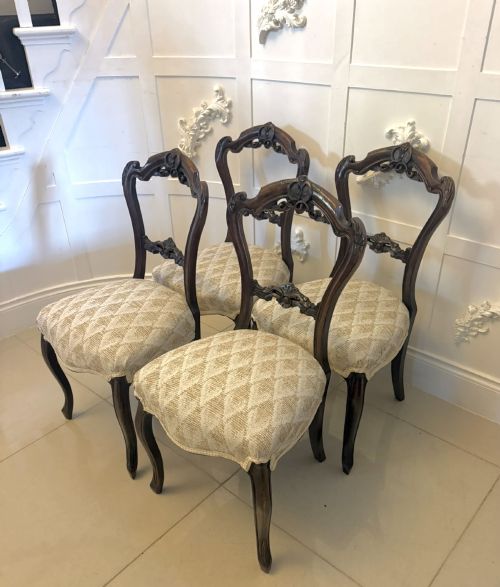
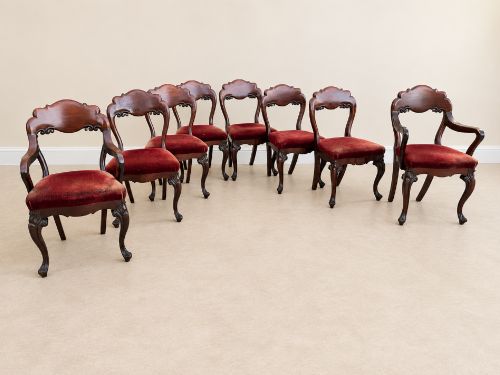
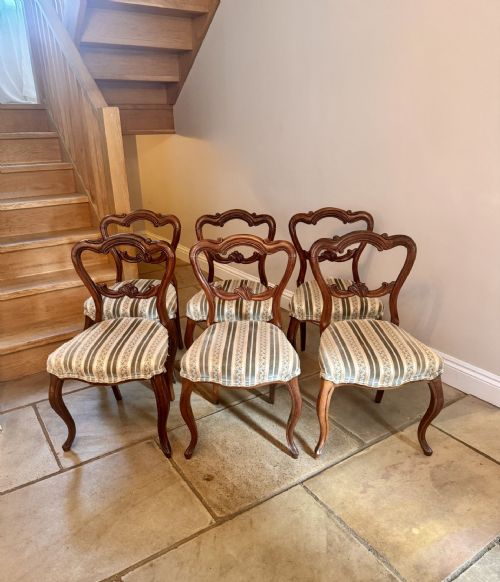
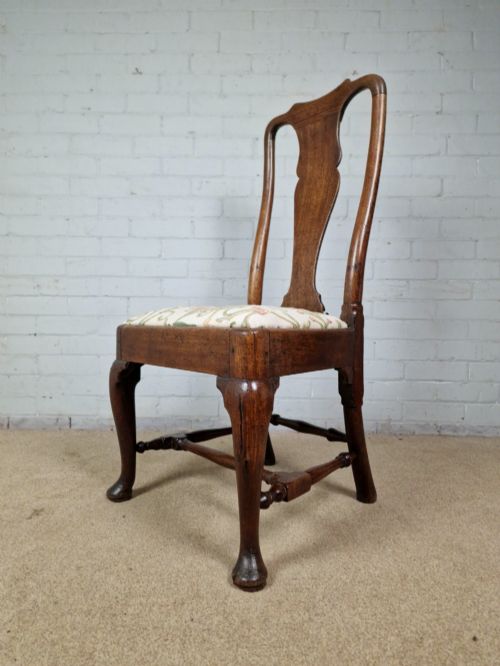
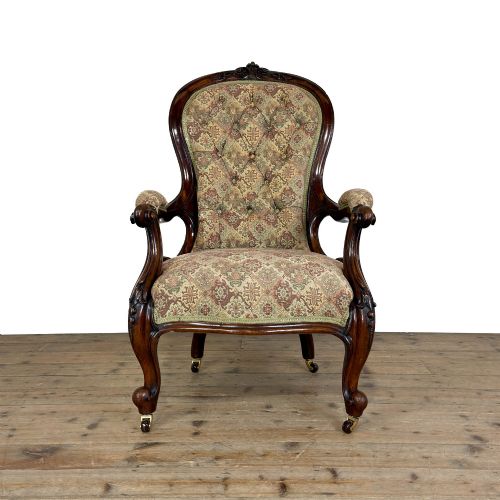
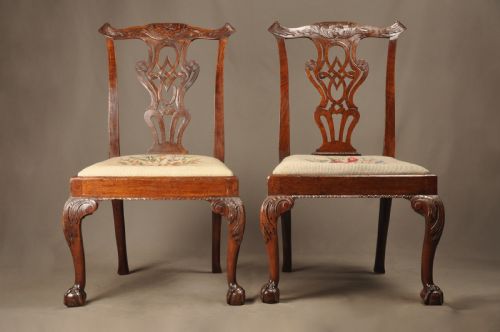
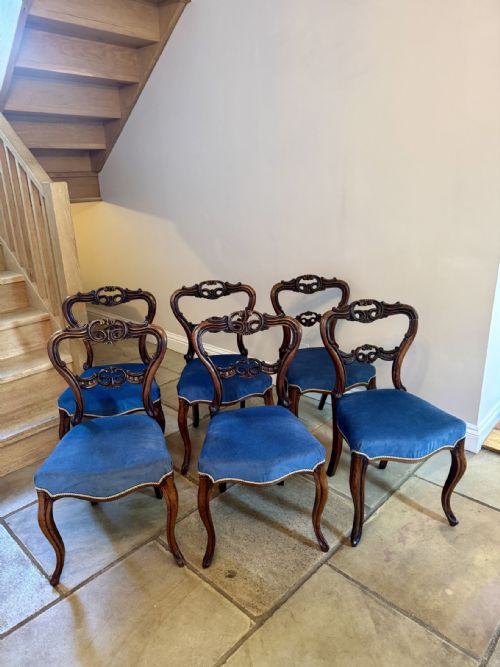
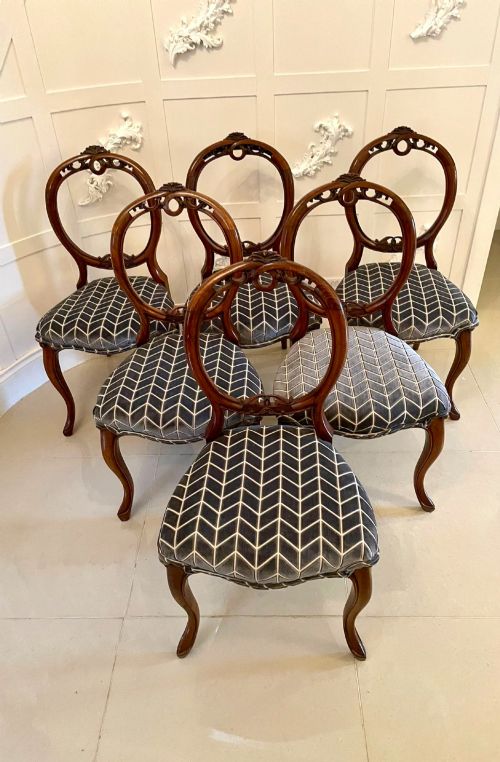
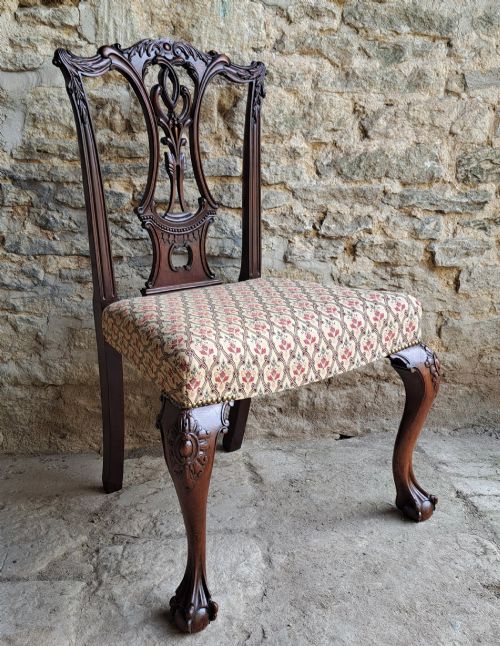
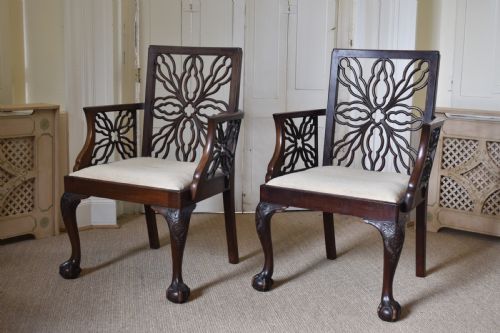
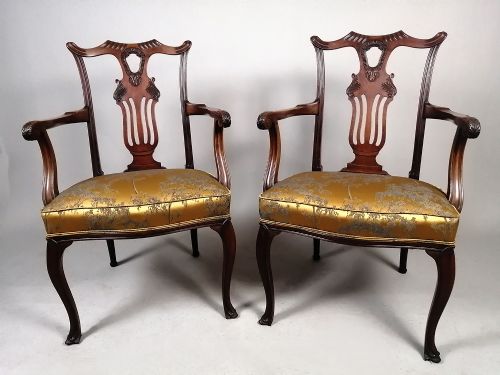
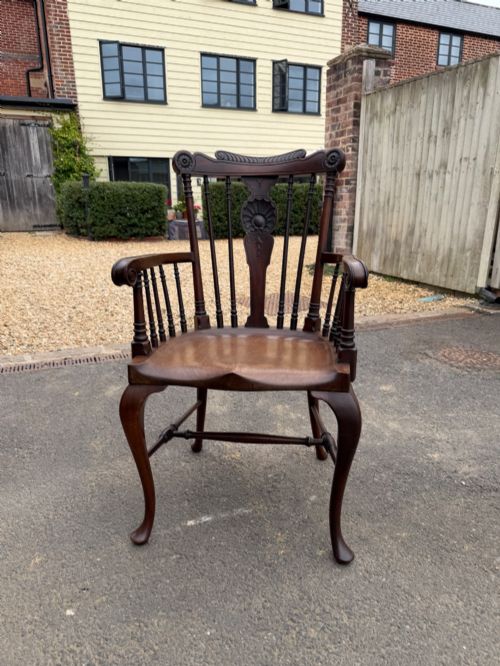
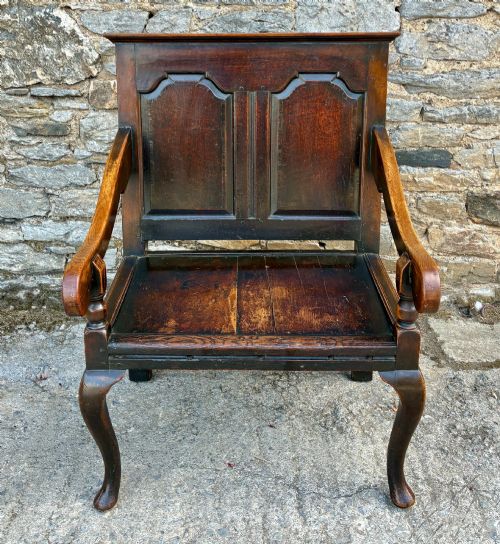
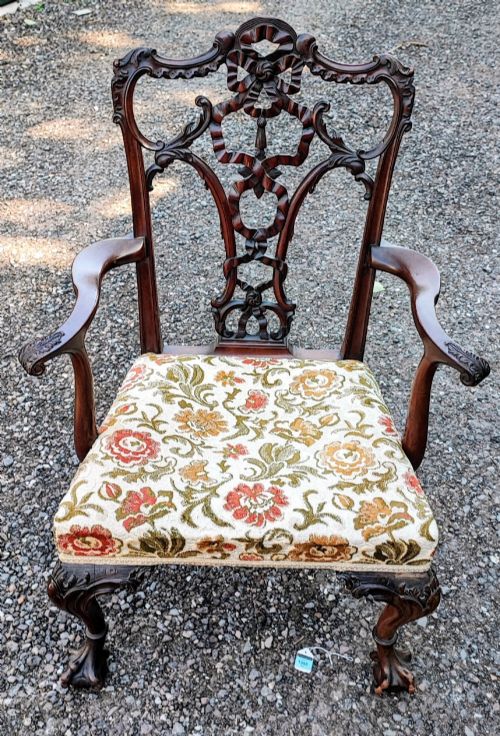
A dark cabriole leg chair combines a characteristic double-curved leg tapering to a foot with deep-toned timbers such as mahogany, walnut, rosewood, and oak. When searching for a dark cabriole leg chair, buyers encounter formats ranging from single dining chairs and desk chairs to pairs of open armchairs and expansive sets for the dining room.
The selections span the 18th century, the Victorian era, and revival periods including Chippendale and Queen Anne styles. Dining chairs, side chairs, and armchairs dominate the current offerings, alongside occasional settles and salon suites sharing the same dark wood and curved profile.
How they were made
Cabinetmakers constructed these frames primarily from dense hardwoods like mahogany, walnut, and rosewood, sometimes accented with oak, ash, or kingwood. Timber selection dictated the depth of the dark finish and the crispness of carved details.
Upholstered variants incorporate fabrics such as velvet, leather, and patterned textiles secured over traditional stuffing. Decorative elements include brass mounts, ormolu, parquetry, and intricate hand-carving along the backs and legs.
What varies in quality
The standard of a piece rests heavily on the fluidity of the carved cabriole legs and the integration of the frame joints. Superior examples exhibit balanced proportions, crisp hand-carving on the knees and feet, and substantial timber thickness without structural compromise.
The integrity of the timber finish and the fidelity of revival styles, such as Chippendale or Queen Anne, distinguish finer workshops from simpler production. Original upholstery systems and well-preserved secondary woods further elevate the standing of an individual piece.
The Dark Cabriole Leg Chair Glossary
- Cabriole leg
- A furniture leg featuring a double curve, bulging outward at the knee and tapering inward toward the foot, inspired by animal limbs.
- Chippendale style
- An 18th-century English furniture design style characterised by carved ribbon backs, interlaced splats, and ornate cabriole legs.
- Queen Anne style
- A graceful domestic furniture design movement from the early 18th century known for fluid cabriole legs and pad feet.
- Windsor chair
- A wooden chair constructed with seating into which the legs and back spindles are directly bored, often featuring a carved solid seat.
- Settle
- A wooden bench with high back, solid arms, and often a storage box beneath the seat, utilised historically to block drafts.
Dark Cabriole Leg Chair: Frequently Asked Questions
How do I care for dark wood chairs?
Maintain the timber by keeping pieces away from direct heat sources and strong sunlight, which can fade deep finishes. Dust regularly with a soft dry cloth and apply appropriate natural waxes sparingly.
Avoid commercial silicone sprays that build up residue over time. For upholstered sections, professional cleaning preserves the integrity of historic fabrics.
Can I mix these chairs with modern tables?
Dark wooden frames with curved legs introduce tactile warmth and organic lines that contrast well against contemporary glass, steel, or plain wood surfaces. Pairing them with a clean-lined table lets the historical silhouettes stand out.
Mixing single armchairs or mismatched sets around a table adds visual depth and personality to a dining space.
How do I distinguish 18th century from revival pieces?
Examine the construction methods, tool marks, and wood ageing visible beneath the frame and on secondary timbers. Eighteenth-century originals typically show hand-cut joinery and timber movement consistent with age.
Revival pieces, such as those from the Victorian or Edwardian eras, often feature standardised machine-assisted construction and different finishing techniques despite copying earlier styles.
Were these chairs used for dining or lounging?
Depending on the form, these pieces served varied domestic functions across the parlour, study, and dining room. Armchairs and wing chairs provided comfortable seating for reading and relaxing near hearths.
Smaller side chairs, hall chairs, and large sets of dining chairs were built around formal gatherings, desk work, and daily communal meals.