

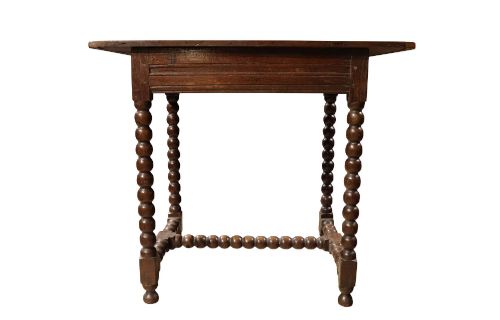
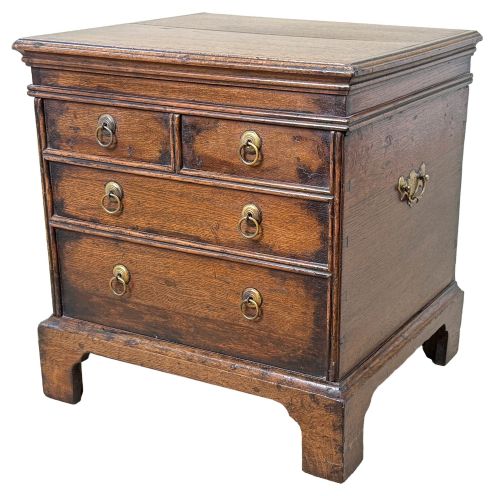

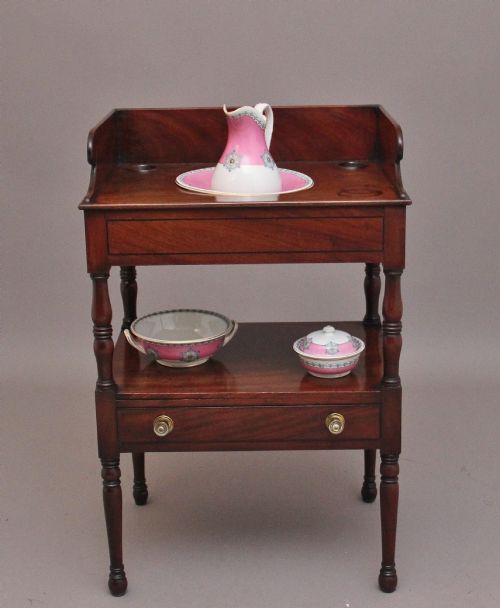
Dark Brown Wooden Nightstand
These dark brown wooden nightstand options bring Georgian, Victorian and Edwardian craftsmanship directly to the bedside.
Dark Brown Wooden Nightstand
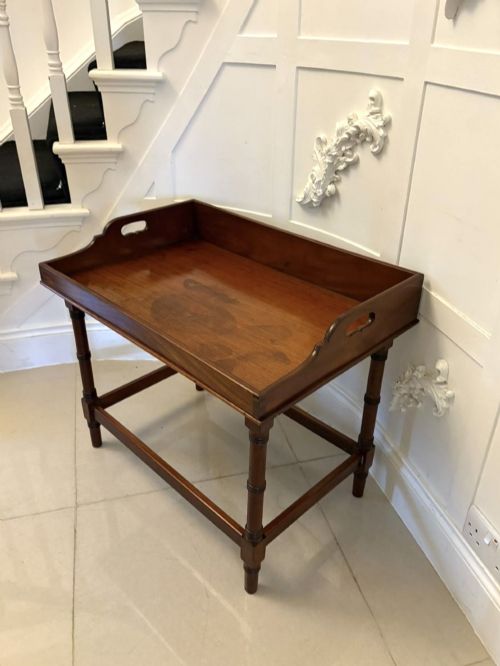
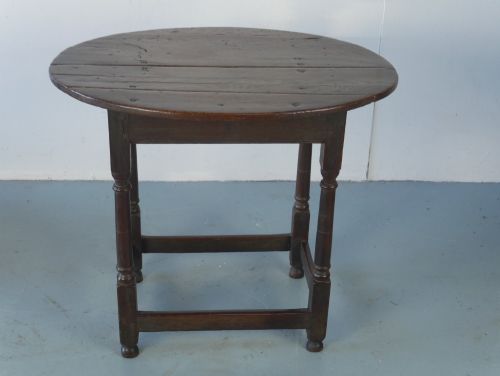
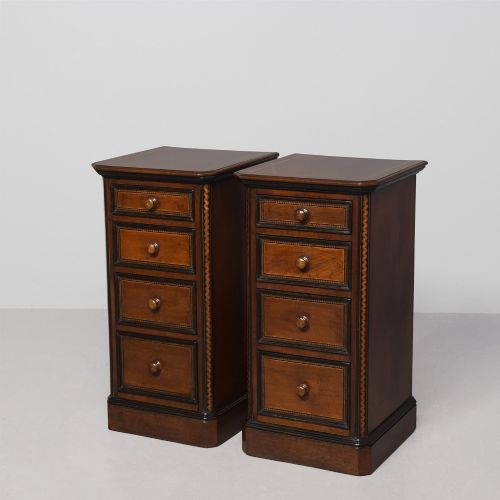
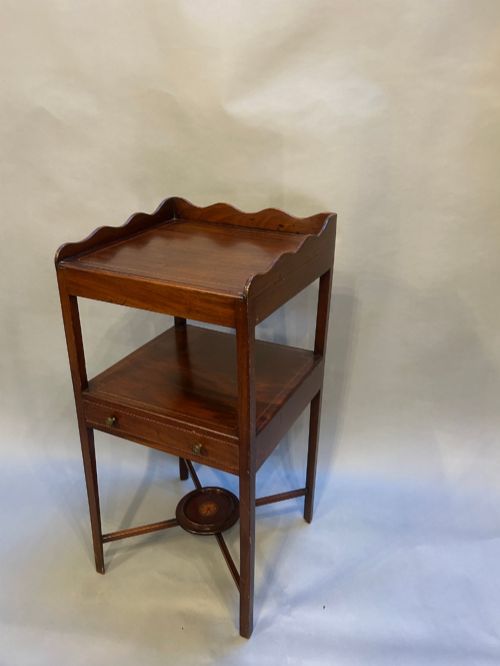
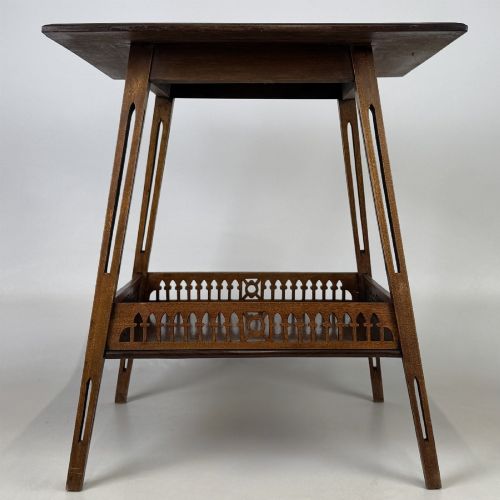
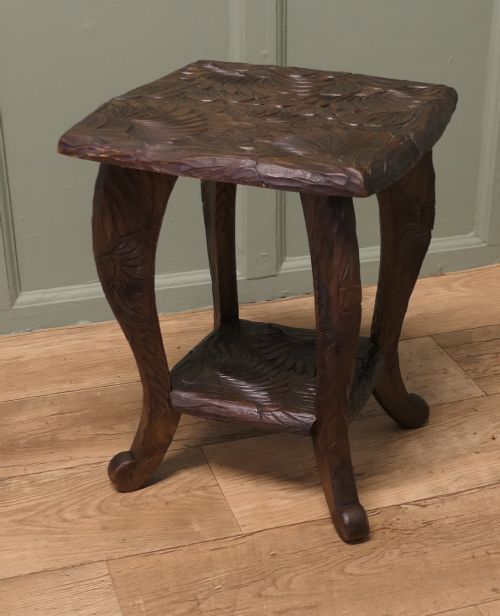
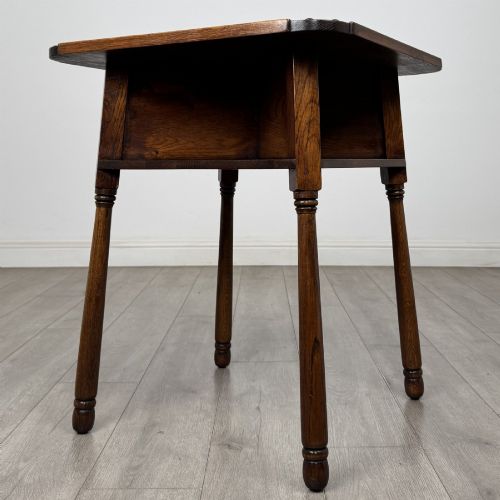
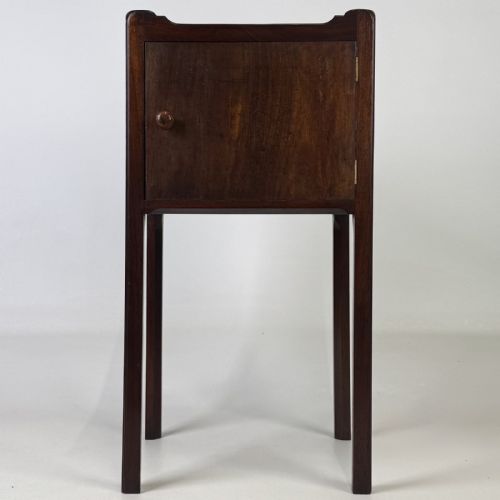
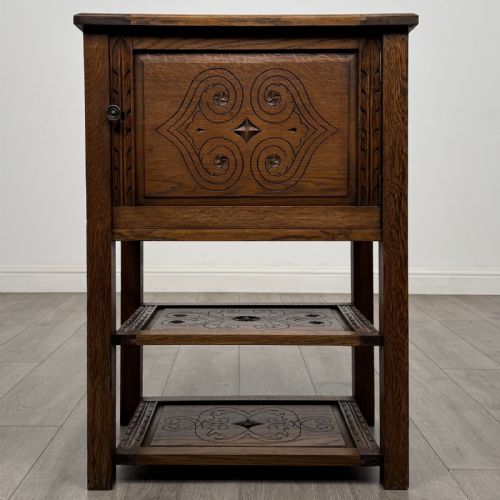
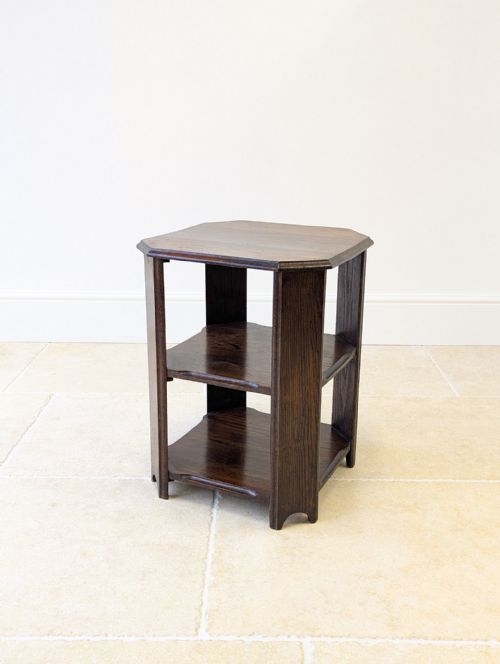
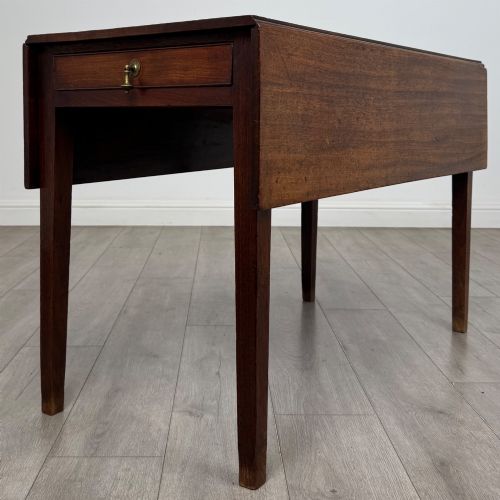
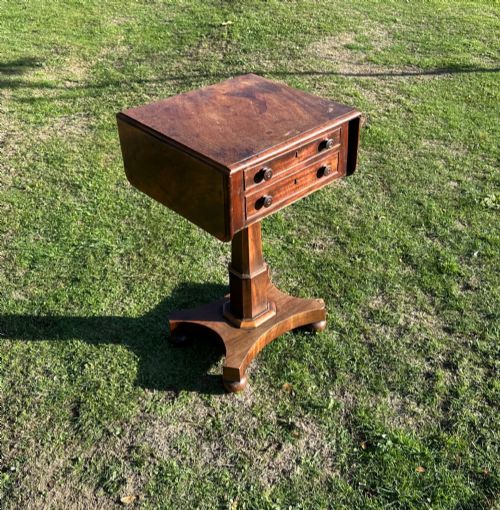
When you search for a dark brown wooden nightstand, you find a practical range of antique bedside cabinets, side tables and small cupboards spanning the Georgian, Victorian and Edwardian eras. The selection on this page relies heavily on mahogany and oak forms, including pedestal cabinets, drop-leaf tables and close stools repurposed for modern use.
You meet pieces originating from the eighteenth, nineteenth and early twentieth centuries, reflecting diverse styles from French Provincial to Jacobean Revival and English Country. Side tables and enclosed bedside cabinets dominate the offerings, providing functional surfaces and storage next to the bed.
How they were made
Cabinet makers utilised dense hardwoods such as mahogany, oak and rosewood, often pairing the timber with brass handles, iron fittings or inset marble tops. Solid construction methods ensure longevity, relying on traditional joinery rather than modern fasteners.
Surfaces frequently showcase rich natural grain patterns enhanced through polishing, alongside hand-carved details seen in Edwardian and Victorian examples. Drop-leaf mechanisms and fitted drawers demonstrate precise carpentry designed for daily utility.
Dark Brown Wooden Nightstand Retail Price Guide 2026
Typical asking prices for dark brown wooden nightstand among the pieces listed under this phrase on Sellingantiques today, from the lower quarter to the upper quarter. They describe what is for sale here now, not the wider market.
Some eighteenth-century bedside chests started life as indoor plumbing.
What varies in quality
The standard of timber selection and depth of grain finish dictate the hierarchy of these pieces, with superior examples displaying richly figured mahogany or tightly grained oak. Refined details like original brass hardware, working keys and intact internal shelving elevate a piece above standard utility items.
Proportion and structural integrity distinguish finer workshops from simpler provincial output. Clean lines in Georgian designs and crisp hand-carving in Victorian or Edwardian pieces separate exceptional items from more utilitarian furniture.
Gillows
The Dark Brown Wooden Nightstand Glossary
- Mahogany
- A durable, reddish-brown tropical hardwood prized by cabinet makers for its rich grain and stability. It forms the primary material for many Georgian and Victorian tables.
- Pembroke table
- A small, versatile table featuring two hinged drop leaves on either side. These pieces often include a fitted drawer and slender legs.
- Close stool
- An eighteenth-century piece of furniture designed as a small enclosed chest or cabinet concealing a chamber pot. Many survive today adapted as bedside storage.
- Whatnot
- An open set of tiered shelves used for displaying small objects or lamps. They appear frequently in multi-tier wooden configurations.
- Commode
- A low cabinet or chest of drawers originating in continental and English traditions. They provide substantial enclosed storage beside a bed.
Dark Brown Wooden Nightstand: Frequently Asked Questions
How do I date a wooden nightstand?
Dating relies on examining the timber species, construction methods and stylistic markers of the period. Georgian pieces often feature clean lines and mahogany, while Victorian and Edwardian items may incorporate heavier carving or oak.
Hardware styles and joinery techniques also provide clear clues to the decade of manufacture.
Were these tables originally made as nightstands?
Many items listed as nightstands served different primary functions when first built, including side tables, washstands, close stools and Pembroke tables. Cabinet makers adapted these versatile small forms for bedside use over subsequent generations.
Their proportions made them ideal for holding lamps and nighttime essentials.
How do I care for antique wood?
Preserving antique hardwood requires maintaining stable indoor humidity and keeping surfaces away from direct heat sources. Regular dusting with a soft cloth protects the polished finish.
Applying appropriate wax occasionally nourishes the timber and enhances the natural grain.