

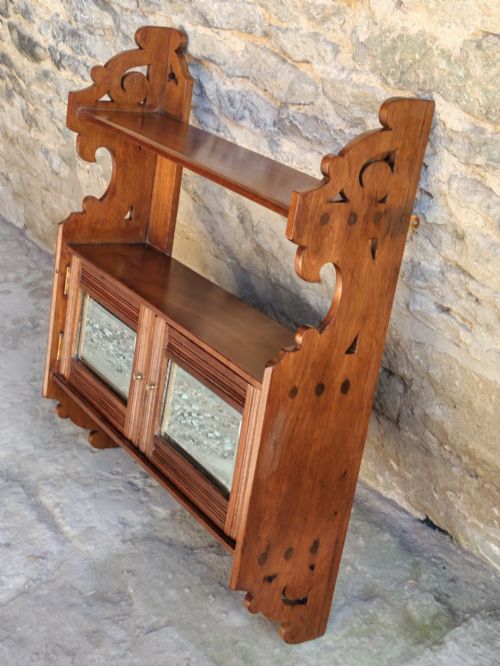


Dark Brown Walnut Mirror
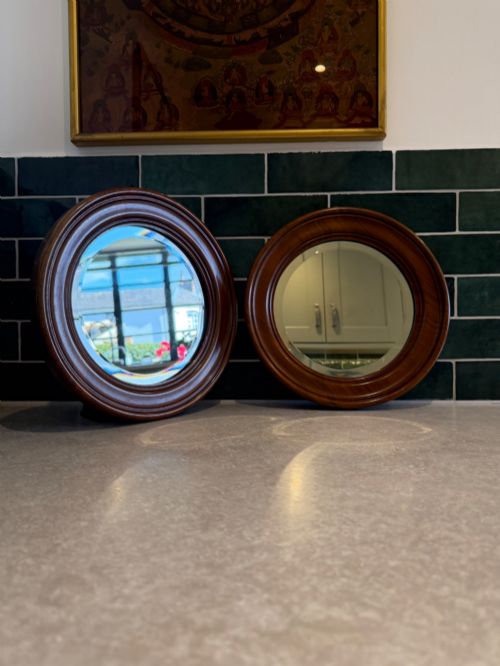
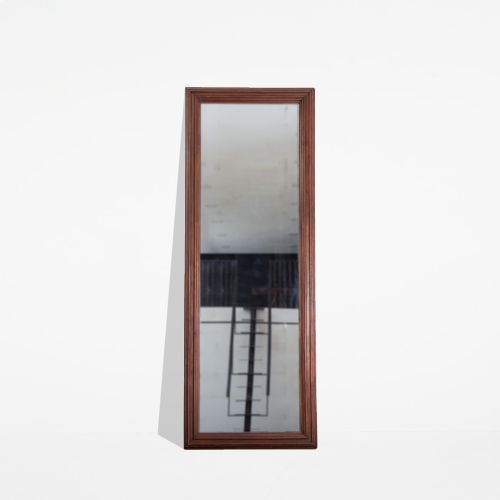
A dark brown walnut mirror brings warmth and depth to a hallway or reception room, drawing the eye with its rich, figured timber.
Dark Brown Walnut Mirror
A dark brown walnut mirror appears in several distinct historical forms across these listings, spanning the seventeenth century up to the Edwardian period. Wall mirrors and overmantel mirrors dominate the selection, bringing rich timber tones into domestic interiors.
Victorian and Georgian examples show how cabinetmakers adapted traditional framing styles to suit changing domestic tastes. Pieces range from simple fretwork designs to large arched overmantel frames and intricately carved Black Forest bird of prey motifs.
Buyers frequently encounter smaller hallway mirrors, valet mirrors, and box mirrors alongside grander overmantel pieces. Each version relies on the deep, natural colour of walnut to anchor the design.
Materials and Construction
Makers utilised solid walnut and burr walnut veneers over secondary timbers to create patterned surfaces with rich figuring. Oyster veneering, seen on seventeenth-century pieces, involves slicing small branch wood cross-wise to produce circular patterns across the frame.
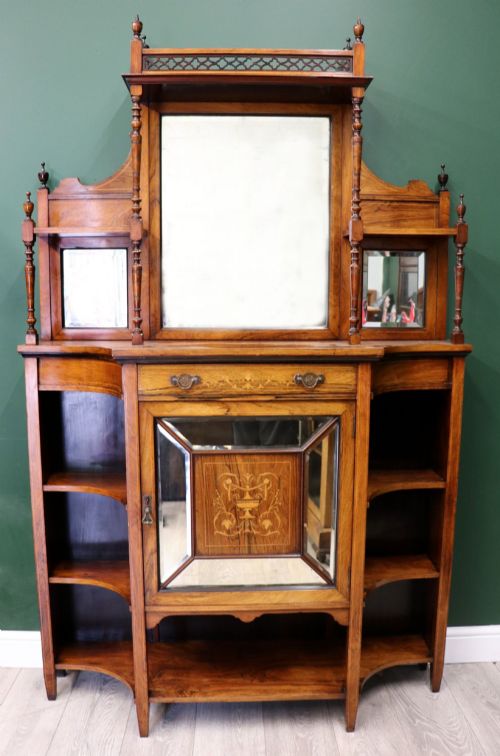
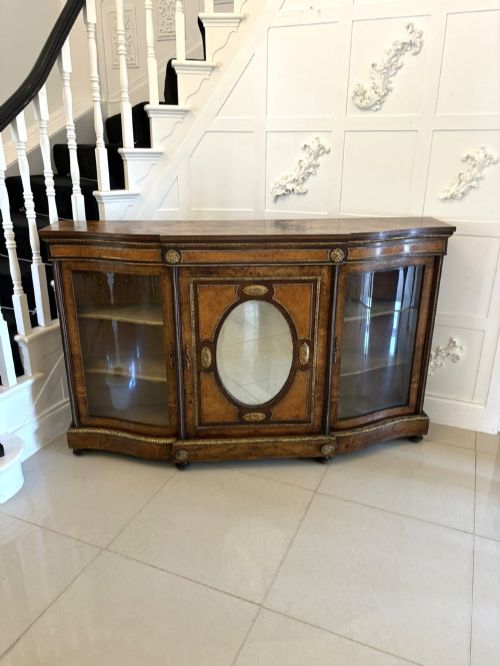
Brass fittings, ormolu mounts, and giltwood accents appear on select Victorian cabinet pieces to contrast with the dark brown wood. Hand-carved details, fretwork, and inlaid sections demonstrate the varied woodworking techniques employed by period artisans.
Dark Brown Walnut Mirror Retail Price Guide 2026
Typical asking prices for dark brown walnut mirror among the pieces listed under this phrase on Sellingantiques today, from the lower quarter to the upper quarter. They describe what is for sale here now, not the wider market.
A fierce carved bird of prey watches over the room from a Black Forest wall mirror.
Judging Quality and Craftsmanship
The choice of timber grain fundamentally separates standard frames from exceptional ones, particularly when burr walnut or carefully matched oyster veneers are employed. Superior carving depth and refined fretwork indicate a higher standard of workshop execution.
Original mirror glass and intact brass or ormolu hardware preserve the integrity of the piece. The precision of the joinery and the preservation of the original dark brown surface patina determine the overall standing of the item.
Shapland and Petter
The Dark Brown Walnut Mirror Glossary
- Burr walnut
- A prized timber harvested from tree growths, yielding intricate, swirling grain patterns. It is frequently applied as a veneer on high-status Victorian furniture.
- Oyster veneer
- Small branch sections cut transversely to create circular, overlapping patterns resembling oyster shells. This technique is typical of seventeenth-century cabinet work.
- Overmantel mirror
- A large mirror designed to hang directly above a fireplace mantelpiece. These pieces often feature arched frames and substantial walnut proportions.
- Fretwork
- Thin wood cut into decorative geometric or scroll patterns using a fretsaw. It adds delicate ornamentation to mirror frames.
- Ormolu
- Gilded bronze mounts applied to furniture and mirror frames for decorative contrast. It is commonly found on elaborate nineteenth-century pieces.
Dark Brown Walnut Mirror: Frequently Asked Questions
How do I date a walnut mirror?
Dating relies on examining the construction methods, framing style, and the type of veneer or timber used. Seventeenth-century examples often display oyster veneering, while Victorian pieces lean towards heavier carved frames or inlaid details.
Hardware, backing boards, and the bevel or thickness of the mirror glass also provide clear indicators of period manufacture. Comparing these elements against known historical styles helps establish the exact era.
Where should I hang an overmantel mirror?
An overmantel mirror is traditionally placed directly above a fireplace to reflect light and anchor the reception room. Its generous proportions suit expansive wall spaces in living rooms or dining halls.
Ensure the wall fixings match the substantial weight of the walnut frame and mirror glass. Positioning it opposite a window will maximise natural daylight in the room.
What is burr walnut veneer?
Burr walnut veneer consists of thin slices taken from a deformed tree growth, producing highly decorative and swirling grain patterns. Cabinetmakers applied these expensive slices over stable secondary woods to create striking visual effects.
This technique highlights the rich dark brown tones of the wood. It was particularly favoured during the Victorian era for luxury cabinets and mirrors.
How do I care for antique walnut wood?
Maintain the timber by keeping the mirror away from direct sunlight and fluctuating heat sources. Gentle dusting with a dry cloth prevents dirt buildup without harming the historical finish.
Avoid using modern silicone sprays or harsh chemical polishes. Natural wax applied sparingly helps preserve the dark brown patina of the walnut over time.