
Dark Brown Stool
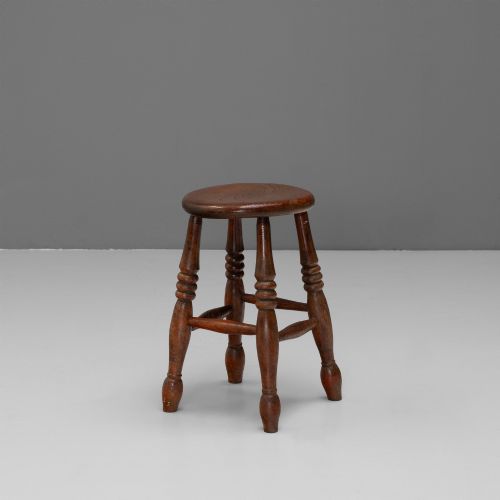
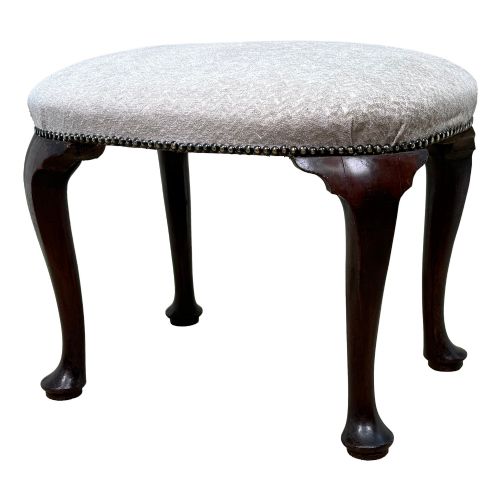
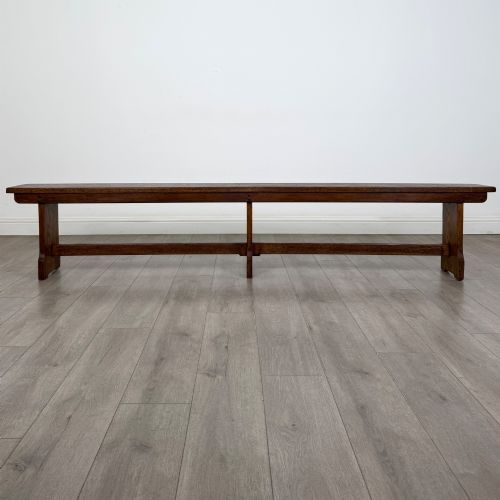
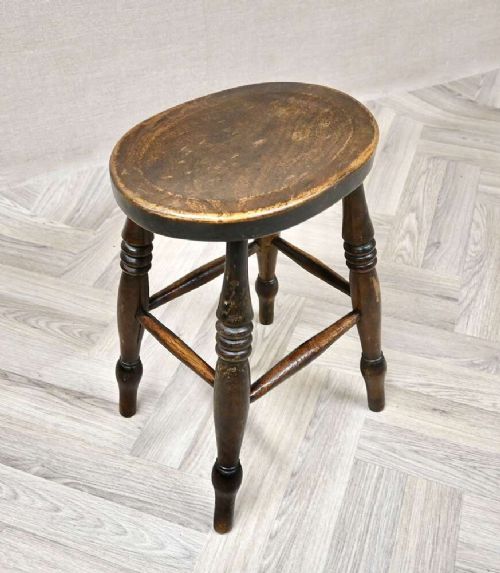
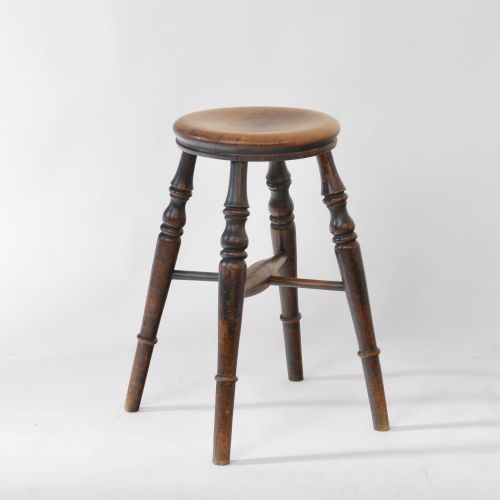
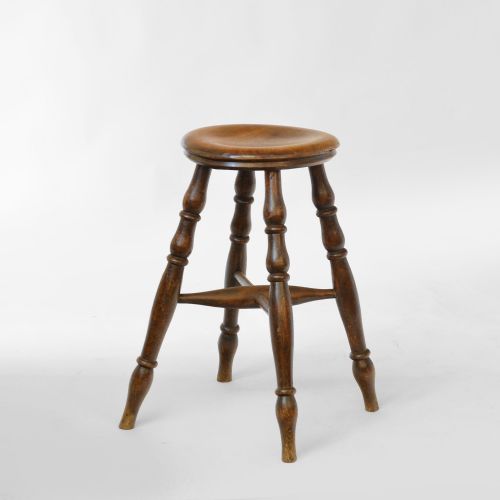
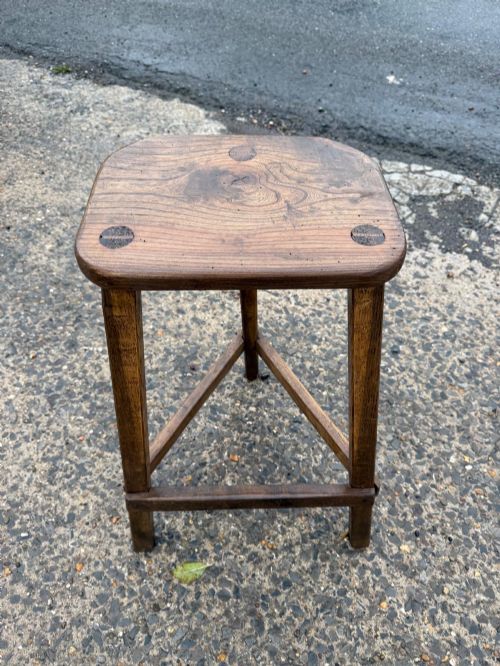
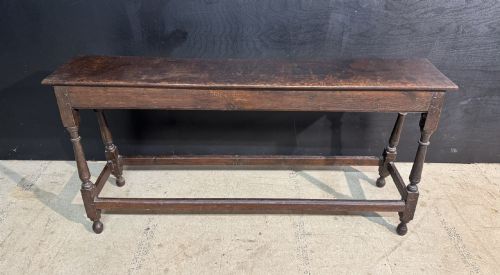
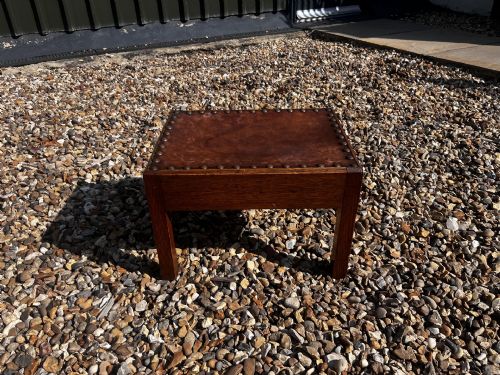
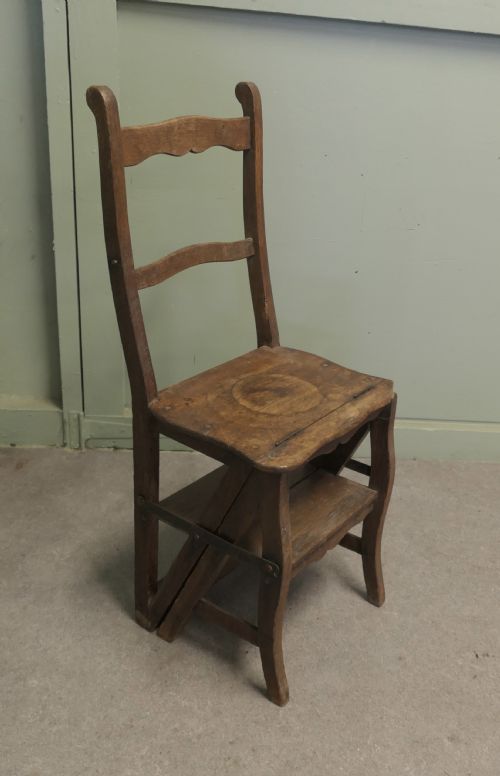
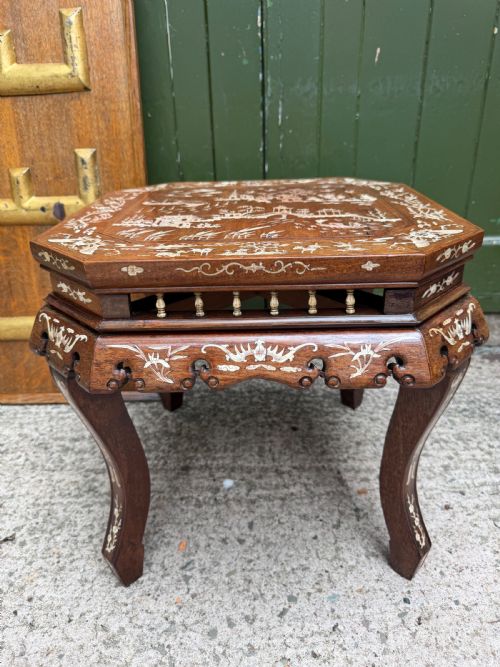
A dark brown stool brings substantial timber character to an interior, offering functional seating or a surface shaped by age.
Dark Brown Stool
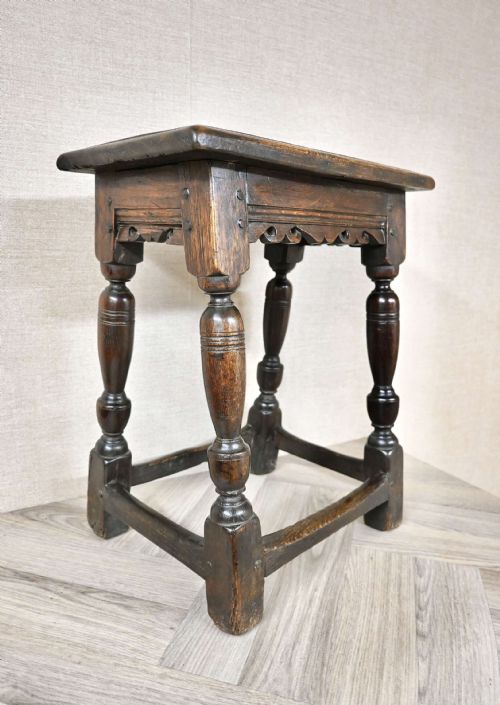
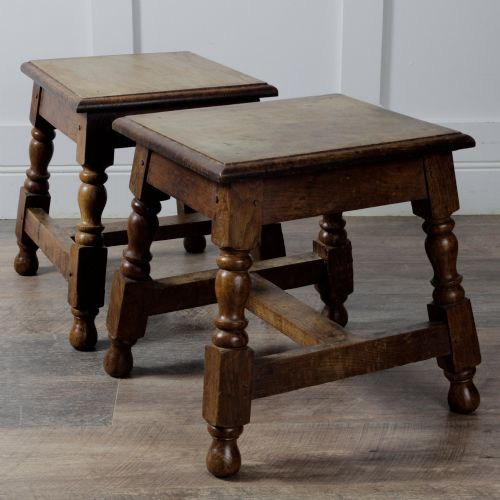
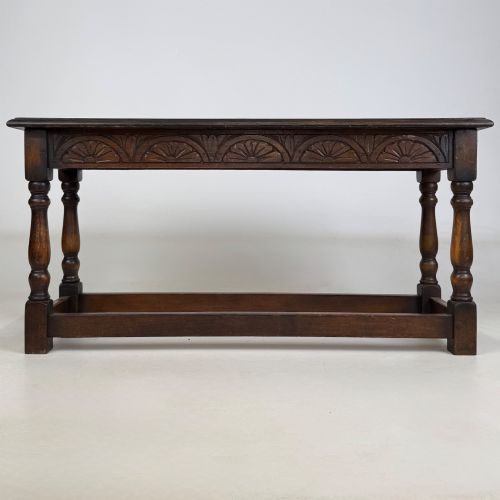
A dark brown stool spans utilitarian forms and formal seating, encompassing heavy jointed timbers and turned legs. You will frequently encounter 19th-century examples alongside earlier provincial pieces.
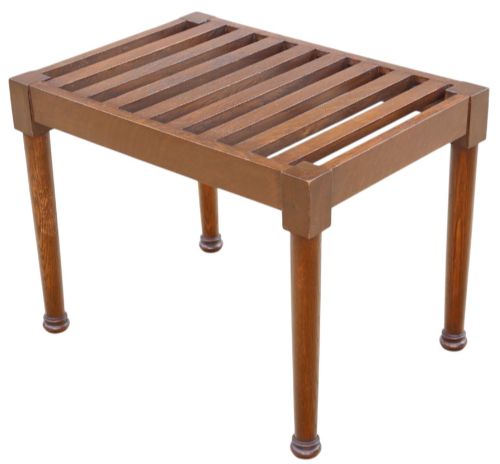
The selection ranges from simple pub and tavern seating to specialised workshop variants like silversmith and jeweller stools. Forms include low joint stools, revolving piano seats, and small luggage stands in rich timber tones.
Origins stretch across English country workshops, French provincial makers, and Scottish houses. Buyers select these pieces for domestic utility or to anchor a room with authentic period material.
Materials and construction
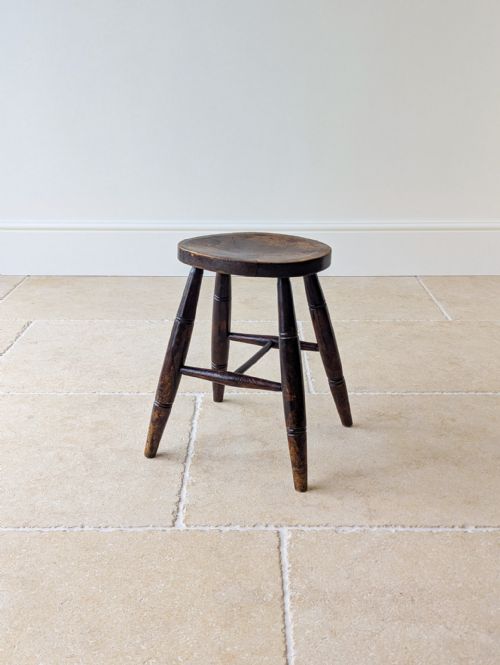
Makers relied heavily on native hardwoods, turning to oak, elm, and sycamore for strength and longevity. Beech and walnut appear frequently in regional variants, often shaped with dished or sculpted seats.
Joinery methods such as mortise and tenon joints define the sturdiest examples, while turned legs demonstrate traditional lathe work. Natural finishes and wax bring out the deep grain of walnut and oak over centuries of handling.
Specialised workshop seating listed spans jeweller stools, pub tavern seats, and piano music risers.
Qualities that set pieces apart
The standard of a dark brown stool rests on timber selection and the integrity of its original construction. Pieces retain greater appeal when the wood shows a deep, untreated patina developed through actual use.
Proportion and restraint in design distinguish finer provincial workshop items from later reproductions. Subtle details like sculpted seats or early turning styles indicate superior provincial craftsmanship.
Arthur Simpson Of Kendal·Rubery Owen
The Dark Brown Stool Glossary
- Joint stool
- A sturdy wooden stool constructed with mortise and tenon joints, commonly originating in the 17th or 18th century.
- Close stool
- An enclosed wooden box stool designed to house a chamber pot, often resembling a small chest or cabinet.
- Dished top
- A seat surface carved into a shallow concave depression for comfort during prolonged sitting.
- Bobbin turned
- A style of furniture leg or stretcher shaped on a lathe to resemble a series of small spools or bobbins.
- Vernacular
- Objects built by local craftsmen for everyday regional use rather than following high-style metropolitan fashions.
Dark Brown Stool: Frequently Asked Questions
How do I identify a 17th-century joint stool?
Seventeenth-century joint stools rely on heavy oak construction with pegged mortise and tenon joinery. They display straightforward lines and tool marks indicative of period hand-working methods.
Over centuries, the timber acquires a dark, rich surface tone that modern staining cannot replicate. Look for substantial stretcher rails placed low between the legs for structural stability.
What was a close stool used for?
A close stool served as a concealed indoor commode before modern plumbing, taking the form of a small chest, cabinet, or box with a lid. Users placed a chamber pot inside the compartment for discreet domestic sanitation.
These pieces often disguise their utilitarian function behind fine cabinetry details like panelling and box seats.
How do I care for antique dark wood?
Maintain antique timber surfaces by applying quality beeswax periodically to nourish the grain and protect against dryness. Avoid placing these pieces near direct heat sources or strong sunlight which fades dark patination.
Dust regularly with a soft dry cloth and address spills immediately to preserve the historical finish.
Where were workshop stools used?
Specialised stools served trades like silversmithing, watchmaking, and metal shaping in 19th-century workshops and industrial spaces. They prioritized durable construction, often featuring adjustable heights or swivel seats for focused tasks.
Sturdier elm and ash seats accommodated long hours of physical labour in regional manufacturing hubs.