

Dark Brown Hat Tree
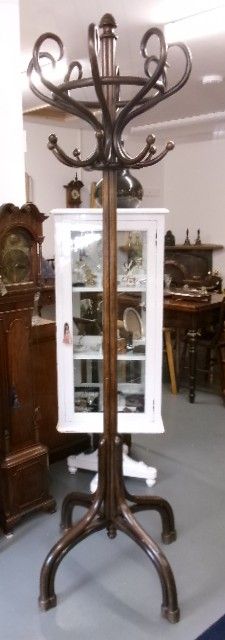
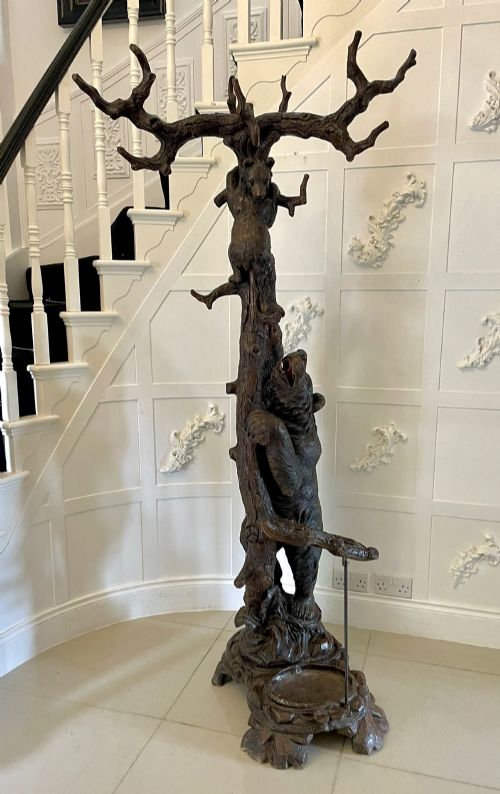
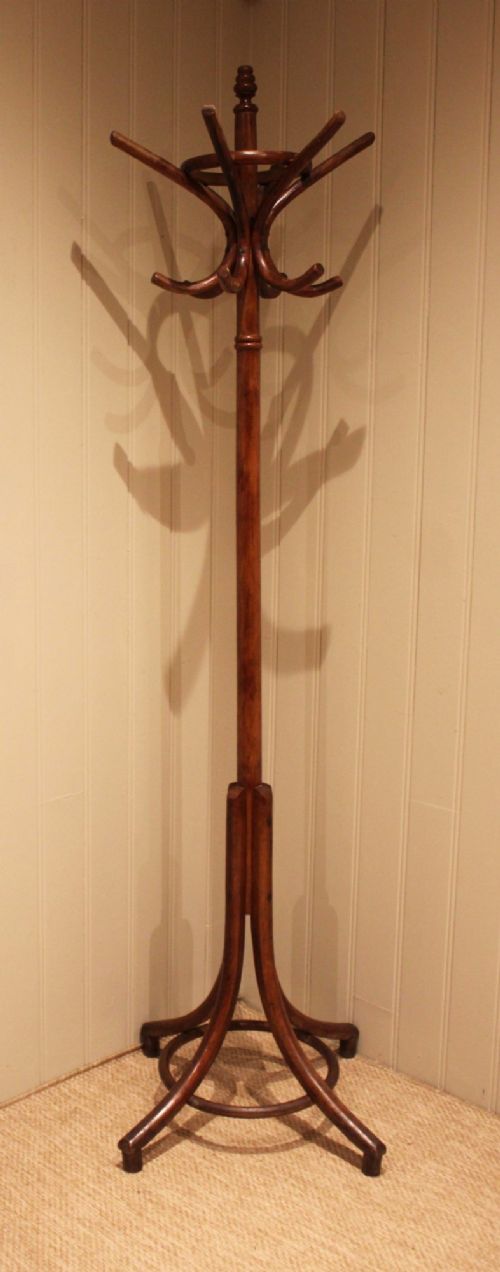
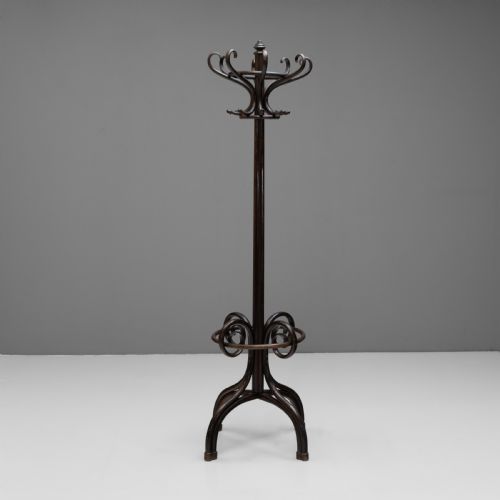
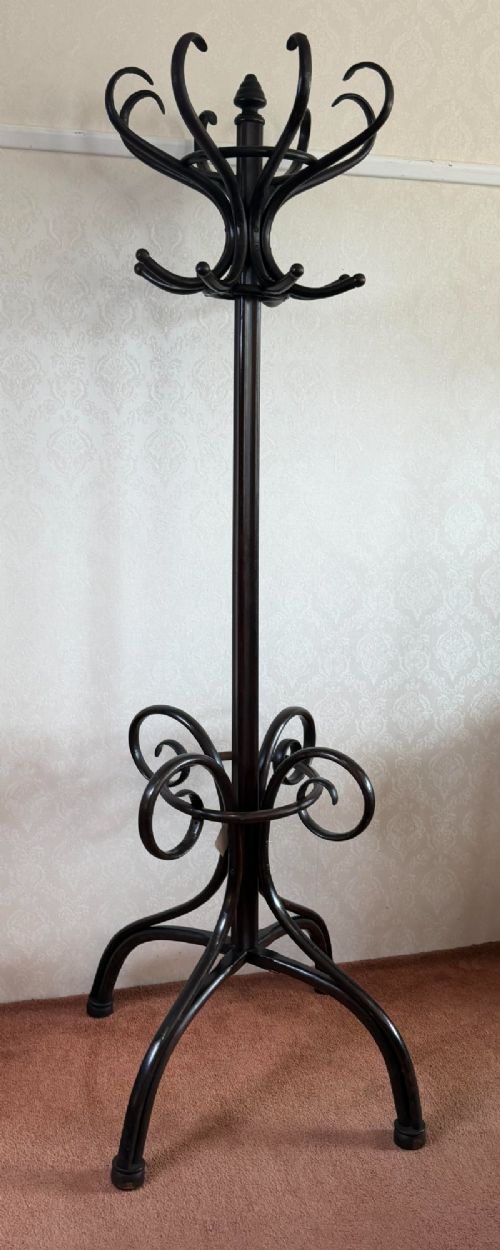
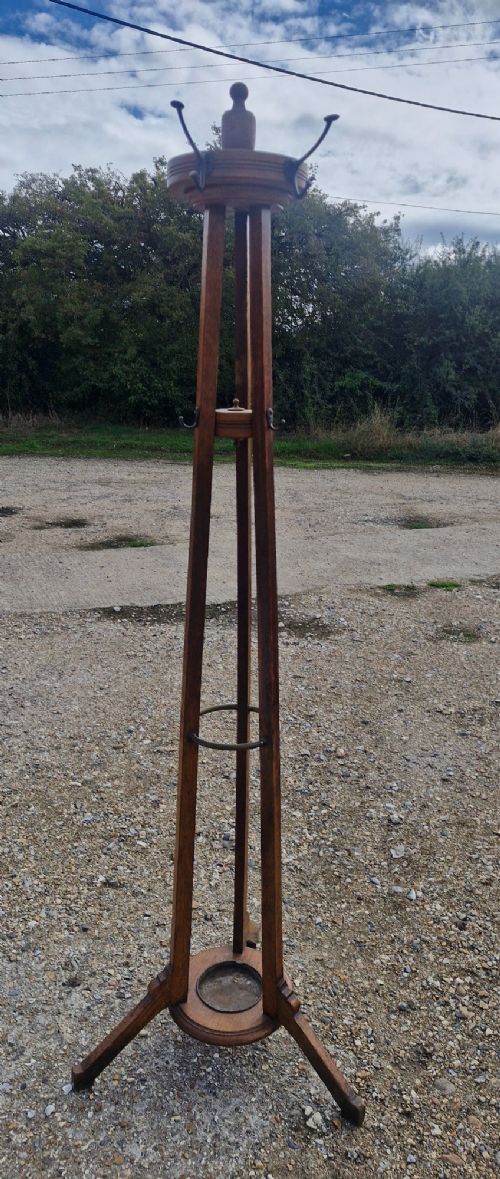
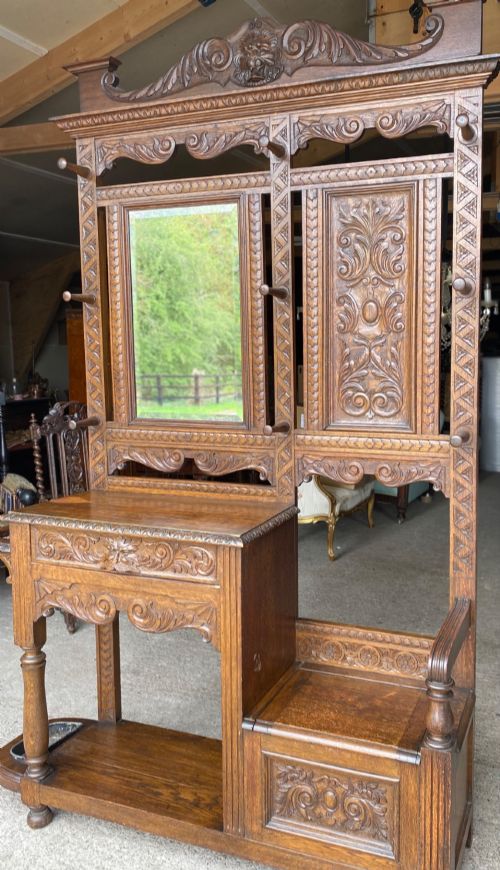
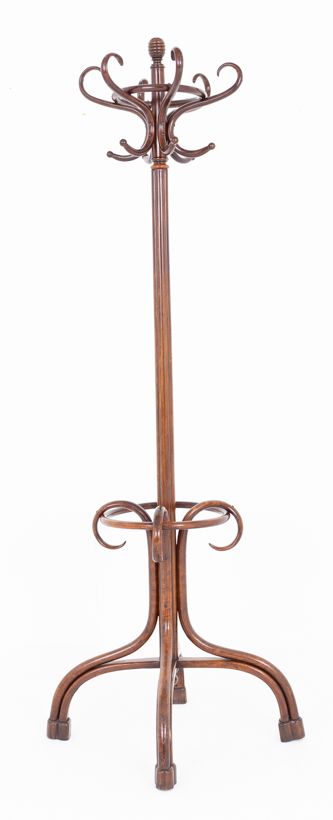
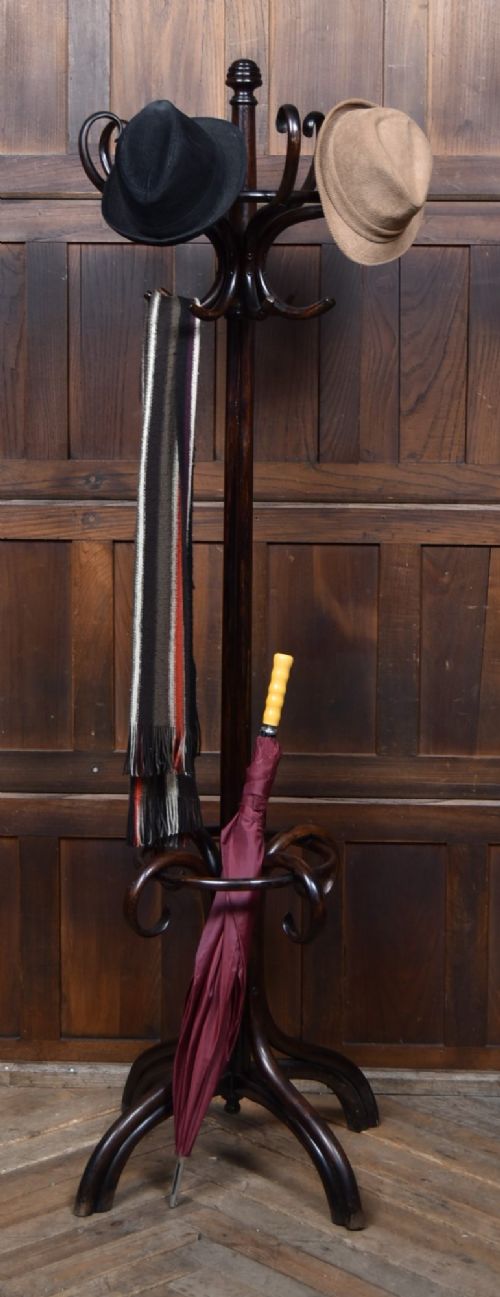
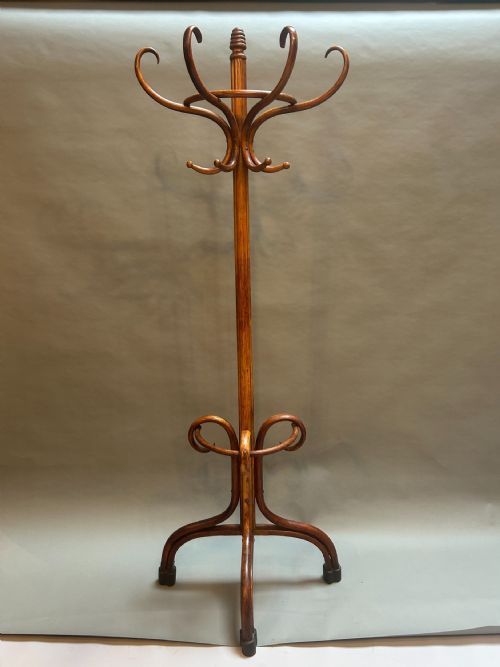
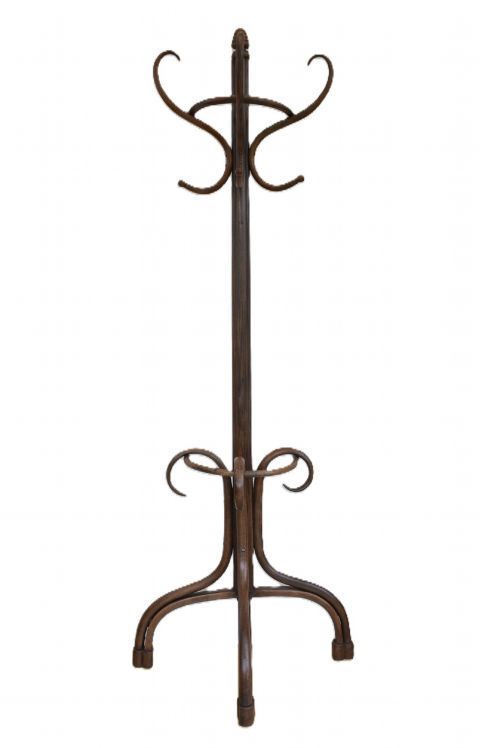
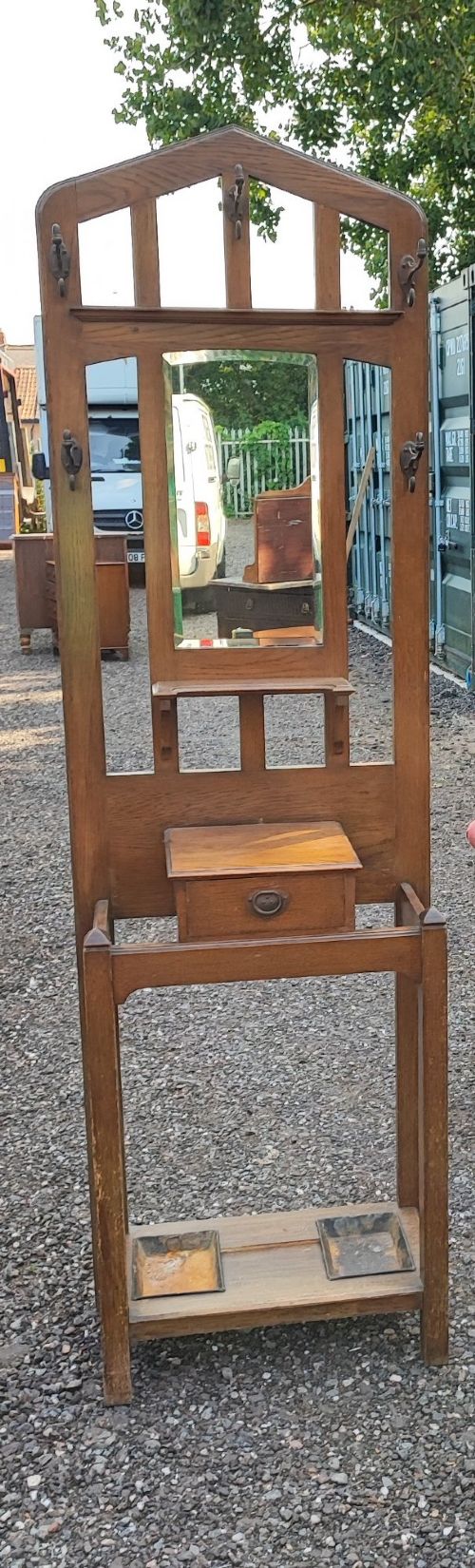
These dark brown hat tree examples range from sturdy oak hall stands to elegant bentwood designs that keep entranceways orderly.
Dark Brown Hat Tree
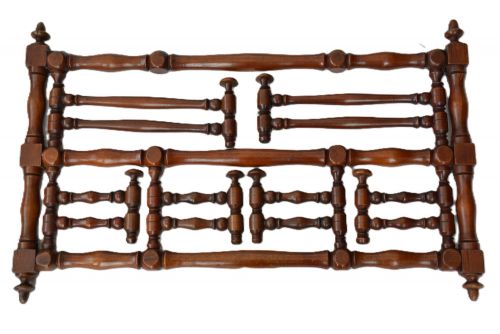
A dark brown hat tree typically manifests as a hall stand, coat stand, or wall-mounted rack designed for organising outerwear in an entrance hall. The selection centres heavily on Victorian and Edwardian examples alongside early twentieth-century interpretations.
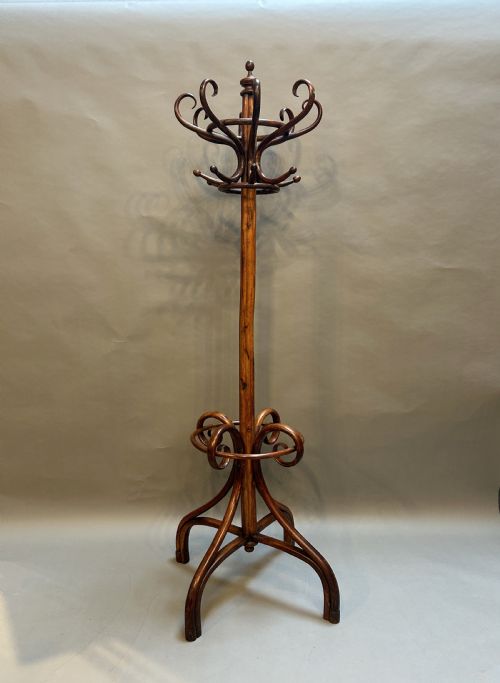
Buyers frequently encounter bentwood designs created in beech, mirroring the influential styles associated with Thonet and Fischel. These items provide upright storage featuring multiple upper hooks for hats and lower sections for sticks or umbrellas.
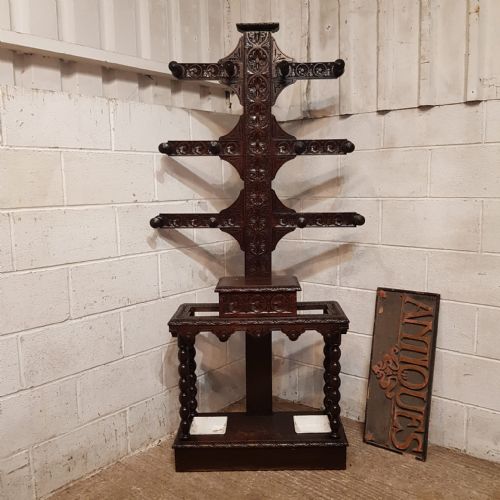
Heavier timber alternatives include carved oak and walnut hall stands, often incorporating mirrors, umbrella wells, and intricate decorative motifs from the nineteenth century.
Materials and construction methods
Makers utilised steam-bending techniques on beech wood to achieve the characteristic curved frames seen in bentwood hat trees. This method allowed craftsmen to form strong, graceful arches without relying on heavy joinery.
Solid hardwoods such as oak, walnut, and mahogany form the structural foundation of the traditional hall stands in the collection. Carvers decorated these surfaces with motifs including Greenmen and animal carvings, whilst metal components like brass and iron provide functional hooks and drip pans.
Dark Brown Hat Tree Retail Price Guide 2026
Typical asking prices for dark brown hat tree among the pieces listed under this phrase on Sellingantiques today, from the lower quarter to the upper quarter. They describe what is for sale here now, not the wider market.
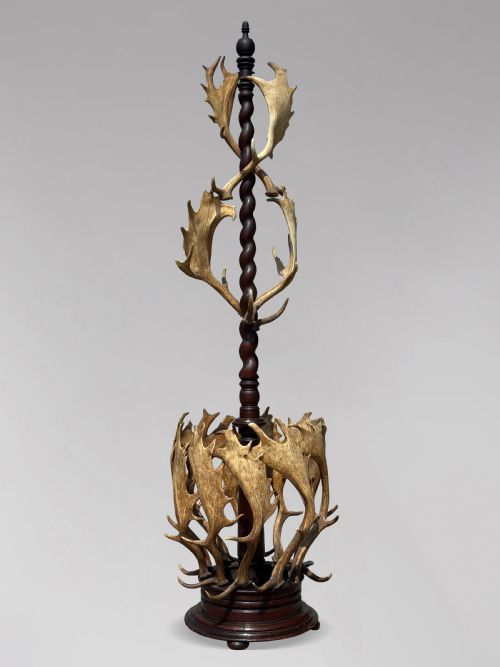
Materials appearing across the inventory include beech, oak, walnut, mahogany, brass, iron, glass, and deer antler.
Distinguishing quality in construction and design
Quality in a dark brown hat tree rests upon the integrity of the timber and the complexity of the hand-carving or steam-bending. Pieces exhibiting crisp, deep carving or smooth, continuous bentwood curves demonstrate superior craftsmanship.
The presence of original fittings, such as brass hooks, integrated mirrors, and metal drip trays, elevates an example. Structural stability under weight distinguishes robust antique specimens from lesser utilitarian items.
J Parker of Woodstock·Thonet·Fischel
The Dark Brown Hat Tree Glossary
- Bentwood
- Wood that has been shaped by heating it with steam until pliable, then bending it into curved structural forms. This technique created lightweight yet durable coat stands.
- Hallstand
- A piece of entrance furniture combining coat hooks, a hat shelf, an umbrella stand, and frequently a central mirror. It served as a functional reception piece in traditional homes.
- Black Forest
- A nineteenth-century style of intricate wood carving originating from the Swiss-German region, typically featuring naturalistic animals like bears and stags. These pieces often incorporated antlers and linden wood.
- Greenman
- A sculptural motif representing a human face engrafted with leaves, vines, or branches. It appears frequently on carved Victorian oak hall stands.
- Wig stand
- An early compact wooden stand designed to hold a gentleman's wig when not in use. Georgian examples represent the earliest form of headwear storage in the evidence.
Dark Brown Hat Tree: Frequently Asked Questions
Where should I place a hall stand?
These pieces suit entrance halls and corridors where guests arrive and outdoor garments require hanging. Their vertical orientation ensures they occupy minimal floor space whilst offering ample storage.
Ensure the location allows adequate clearance for coats and hats hanging from the upper tiers without obstructing doorways.
How do I care for bentwood furniture?
Dust the wooden surfaces regularly with a soft, dry cloth to prevent the accumulation of dirt in the curved crevices. Avoid placing the item near direct heat sources or in damp environments to protect the steam-bent timber.
Apply a traditional beeswax polish occasionally to nourish the beech or oak grain and maintain a natural lustre.
What is the difference between bentwood and carved oak stands?
Bentwood stands rely on steam-heated beech curved into slender, organic shapes that originated in Austria and Germany during the late nineteenth and early twentieth centuries. They offer a lighter visual profile.
Carved oak stands are heavier, often Victorian or Edwardian architectural statements featuring panels, mirrors, and umbrella wells.
How do I identify a Victorian hall stand?
Victorian examples typically feature dark carved oak or walnut with substantial proportions, often incorporating bevelled mirrors and cast-iron or brass coat hooks. They reflect the ornate tastes of the nineteenth century.
Many include integrated umbrella compartments at the base with removable metal trays to catch rainwater.