

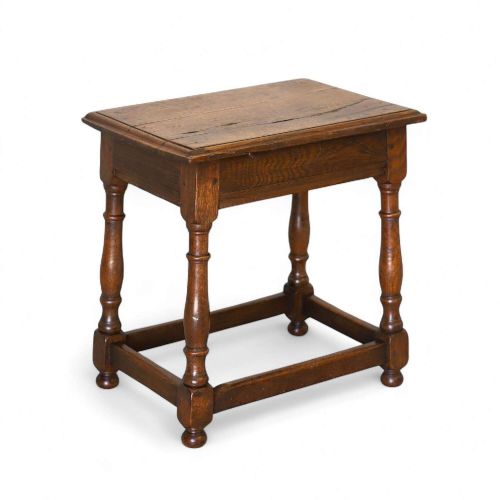
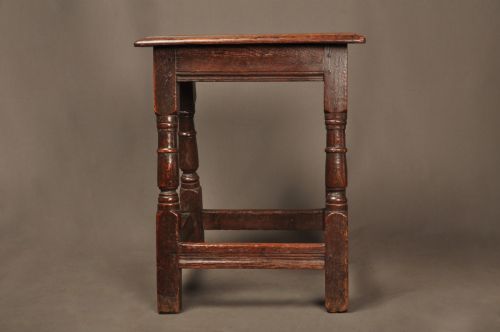
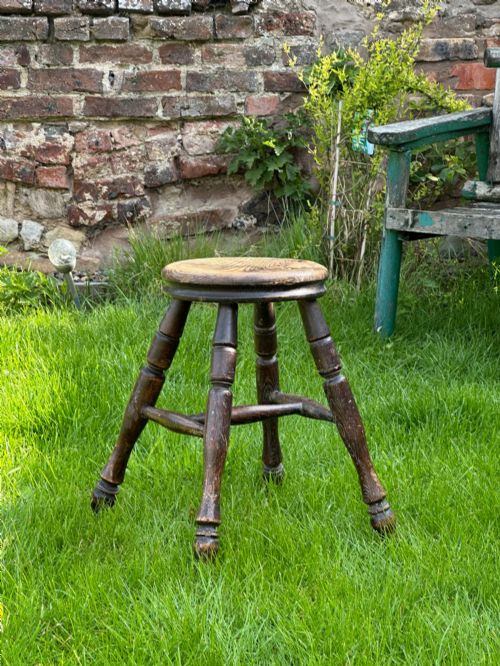

Dark Brown Footstool
These dark brown footstool examples span from seventeenth-century jointed oak to Edwardian leather and elm designs, offering robust seating and historic character for traditional interiors.
Dark Brown Footstool
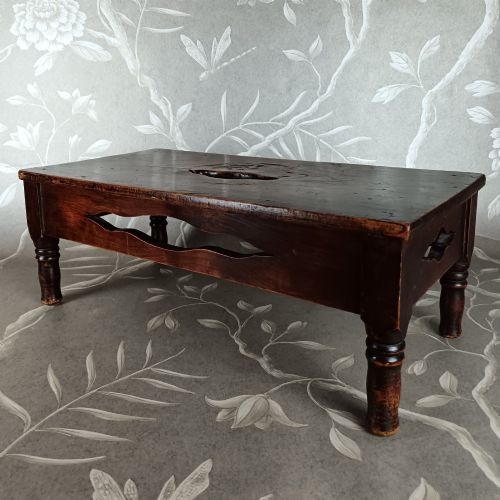
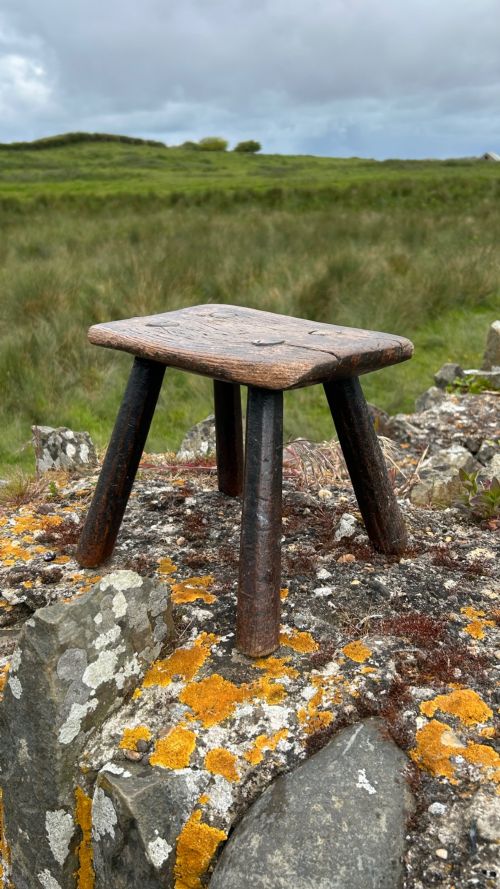
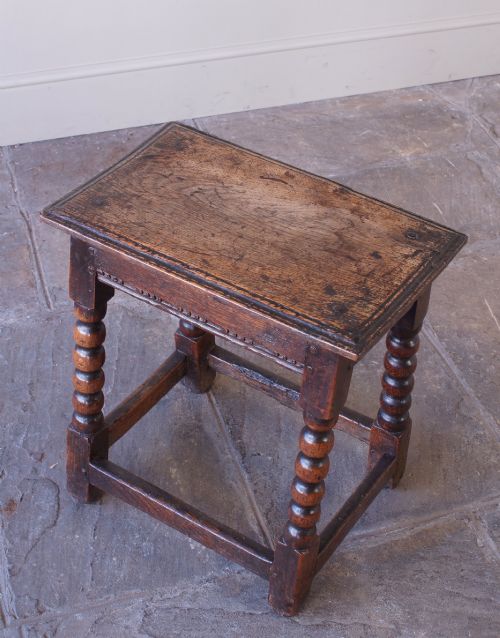
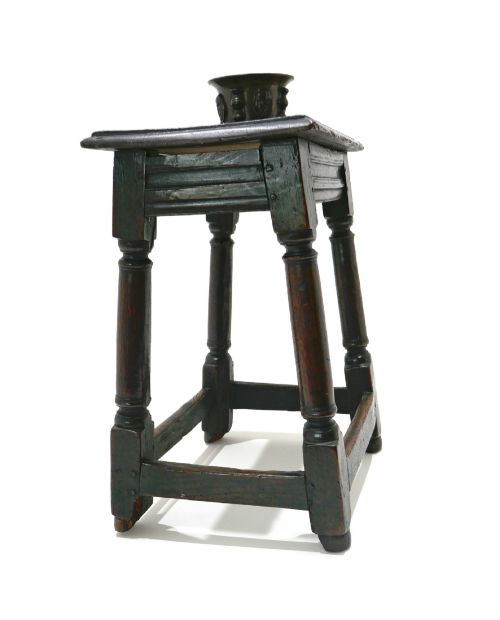
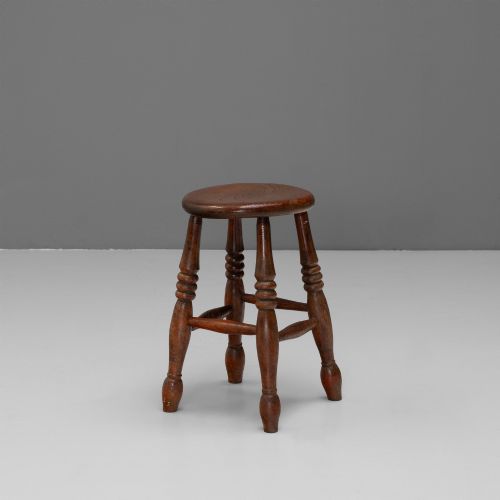
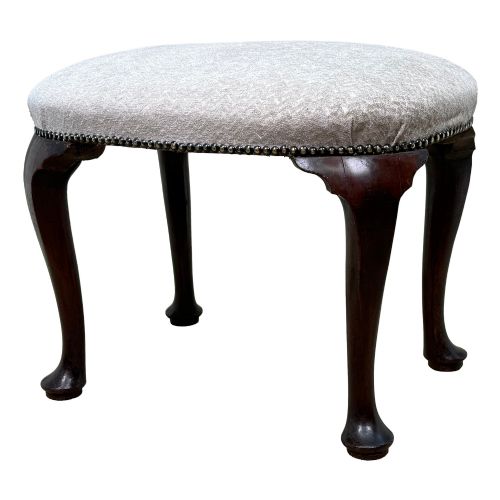
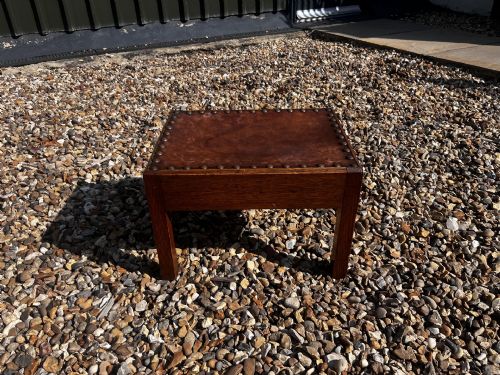
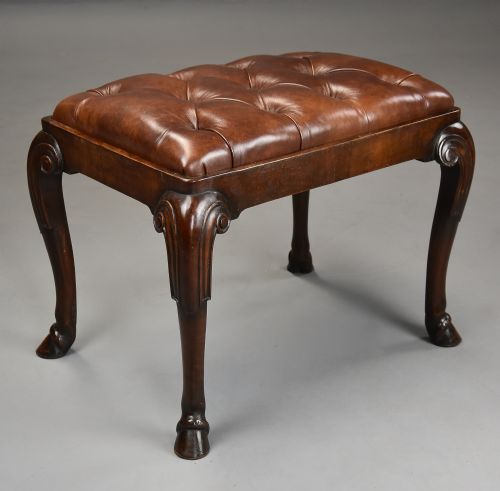
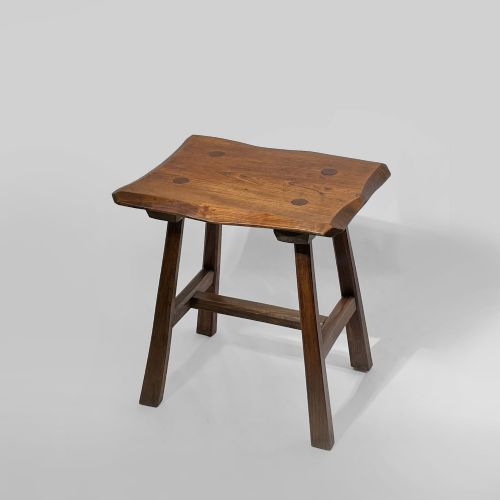
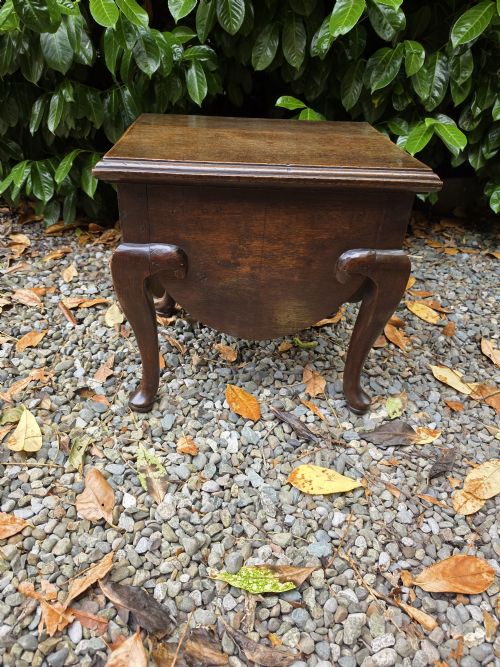
A dark brown footstool encompasses a variety of low seating forms, ranging from sturdy seventeenth-century oak joint stools to nineteenth-century vernacular elm pieces and twentieth-century piano stools. Buyers searching for a dark brown footstool encounter domestic items constructed for practical daily use, including provincial joint stools, Windsor country seats, and buttoned leather centre stools.
What varies in quality
The distinction between standard utility items and finer examples lies in the crispness of timber turning, the integrity of pegged joints, and the survival of original surfaces. Superior pieces display substantial timber thickness, well-proportioned cabriole or turned legs, and minimal timber replacement over their lifespan.
Historical authenticity and surface depth separate provincial workshop pieces from later reproductions, with natural colour maturation playing a major role in visual appeal. Original upholstery materials, such as early leather or rush work, elevate the historical interest of surviving examples.
Dark Brown Footstool Retail Price Guide 2026
Typical asking prices for dark brown footstool among the pieces listed under this phrase on Sellingantiques today, from the lower quarter to the upper quarter. They describe what is for sale here now, not the wider market.
Listings feature eighteenth-century provincial oak joint stools alongside nineteenth-century Windsor country stools and Arts and Crafts examples.
Arthur Simpson Of Kendal·Liberty·James Shoolbred
The Dark Brown Footstool Glossary
- Joint stool
- A sturdy wooden stool constructed with mortise and tenon joints secured by wooden pegs rather than metal nails. These seventeenth and eighteenth-century forms served multiple domestic purposes.
- Windsor stool
- A traditional seating form featuring turned legs inserted directly into a sculpted or saddle-shaped wooden seat. Elm and oak were standard timbers for this construction.
- Bergere
- A woven cane panel used for seats or inserts, providing flexible support. This technique appears on specific nineteenth and twentieth-century variants.
- Cabriole leg
- A furniture leg featuring a double curve, bulging outward at the knee and tapering inward at the foot. This shape derives from seventeenth and eighteenth-century design vocabulary.
- Rush seat
- A seating surface woven from dried marsh grasses twisted into cords. This technique is typical of traditional country chairs and stools.
Dark Brown Footstool: Frequently Asked Questions
How do I date a wooden joint stool?
Dating relies upon examining the tool marks, timber shrinkage, joint construction methods, and overall proportions. Earlier examples from the seventeenth century exhibit hand-rived oak, pegged joints, and heavy patination.
Later nineteenth-century interpretations often show machine sawing or standardised turning patterns. Comparing the style of the legs and stretcher arrangement to documented examples clarifies the period.
Were these stools used purely as footrests?
Historical inventory records show that many low wooden forms served multiple daily functions, including seating at low tables, perches for milking or nursery work, and stands for objects. Upholstered variants and larger ottomans functioned as comfortable footrests in formal reception rooms.
Their sturdy construction allowed them to carry the weight of an adult for sitting as easily as supporting tired feet.
How should I care for antique timber?
Preserving these surfaces requires maintaining stable room humidity and avoiding direct sunlight, which fades dark walnut and oak tones. Regular applications of traditional beeswax nourish the wood and protect the historic patina without sealing the pores.
Harsh chemical cleaners strip the aged finish and should be avoided entirely.