


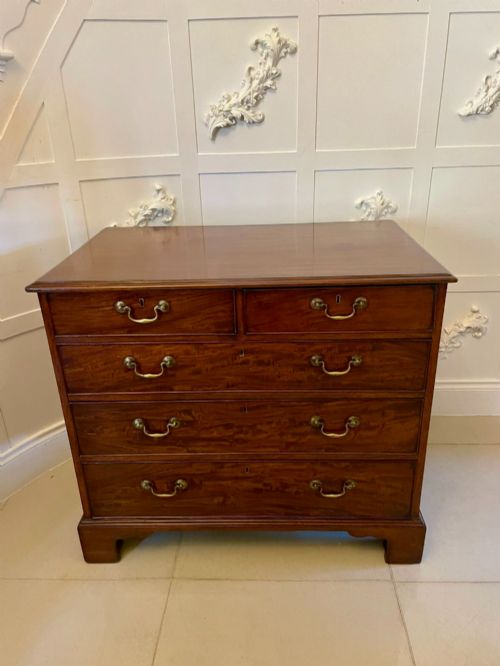
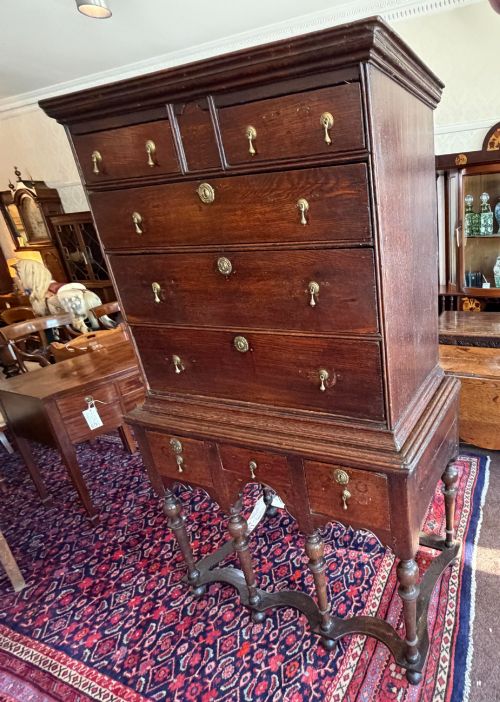
Dark Brown Chest of Drawers
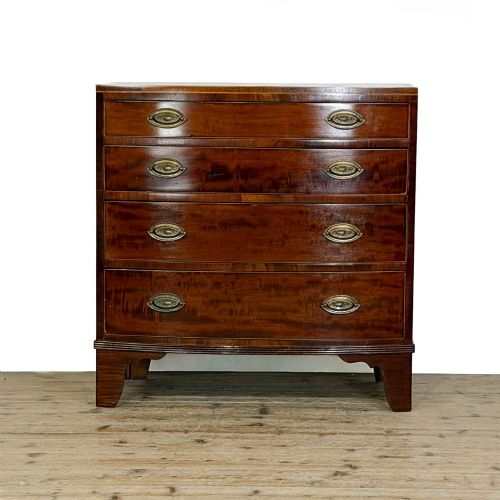
A dark brown chest of drawers brings rich timber tones and enduring practicality to a room, offering generous storage through centuries of craftsmanship.
Dark Brown Chest of Drawers
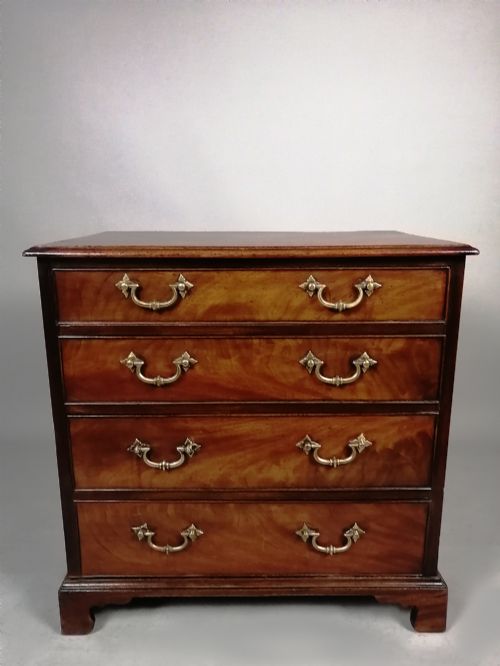
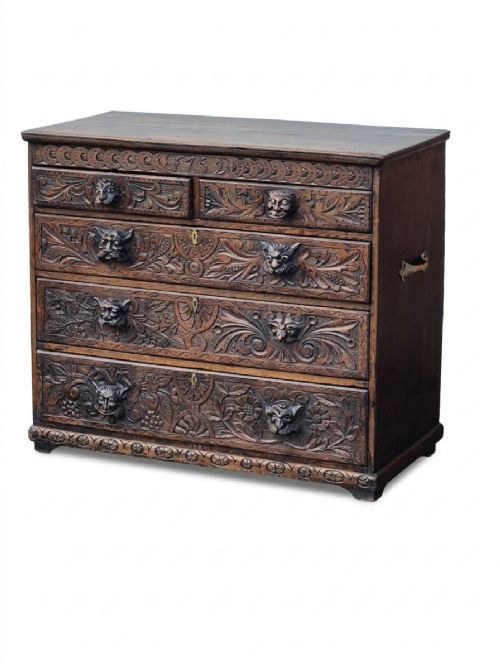
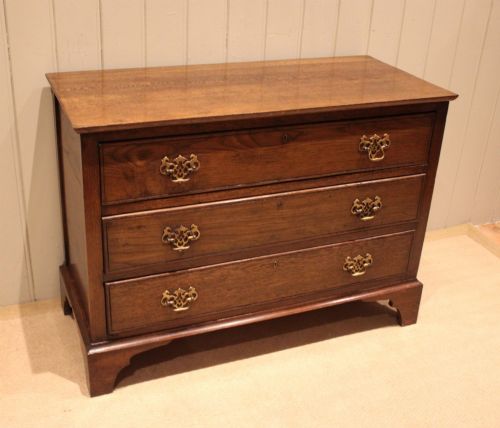
A dark brown chest of drawers is a storage staple fashioned from dense timbers like oak and mahogany, built to hold garments and domestic goods. The versions you encounter most often span the Georgian, Victorian, and Edwardian periods, alongside sturdy oak examples dating back to the seventeenth century.
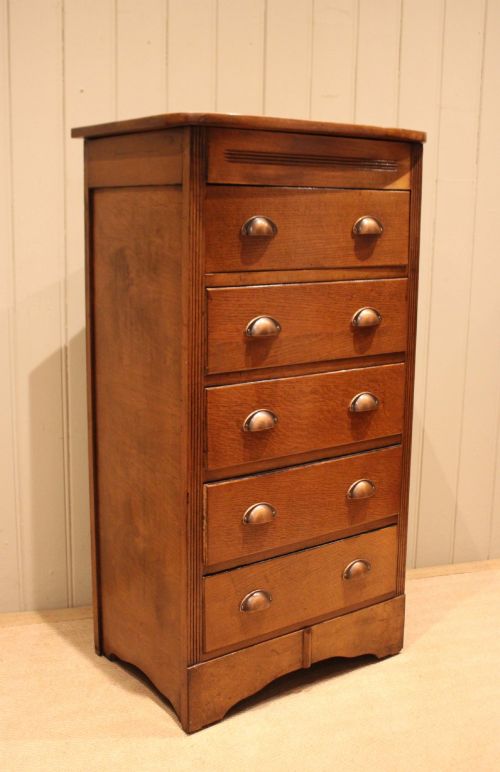
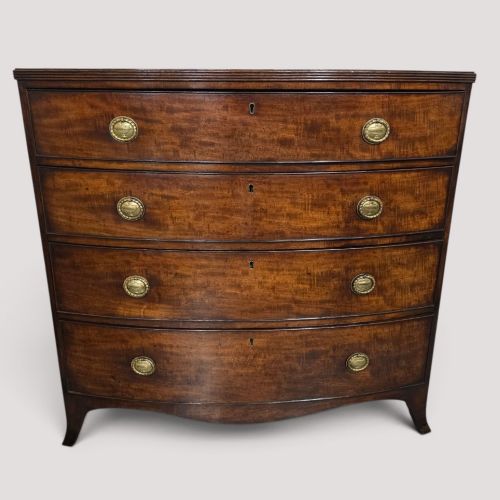
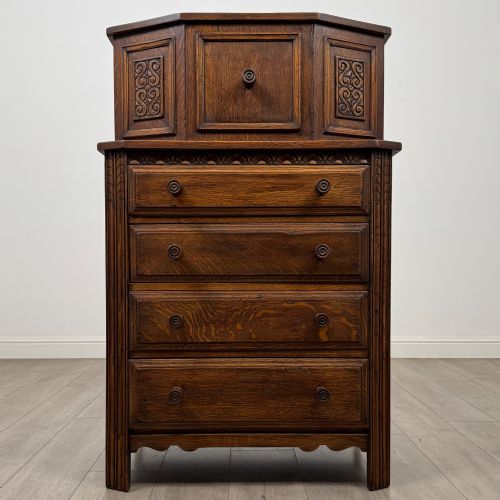
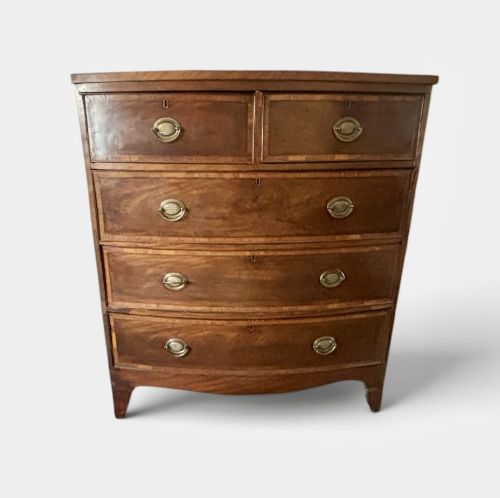
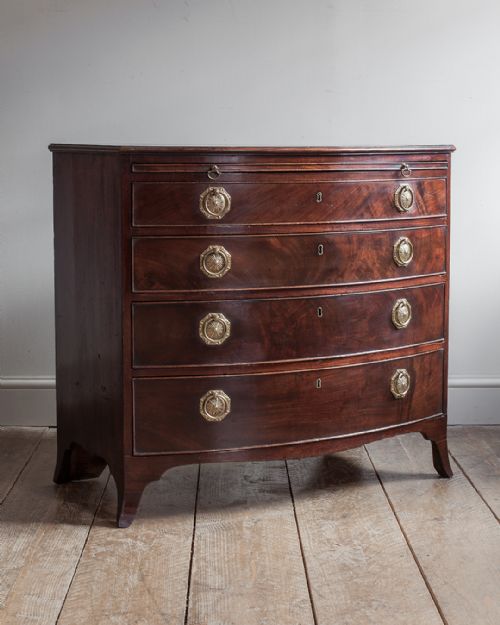
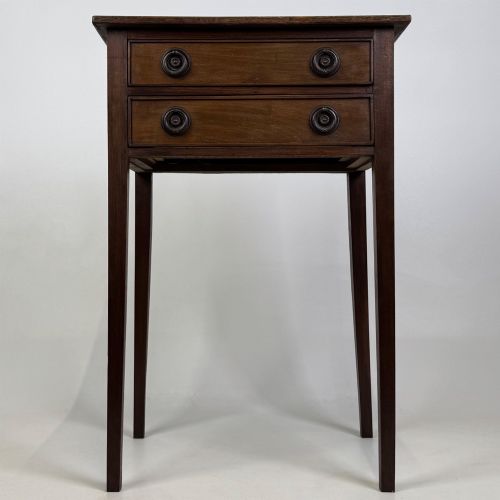
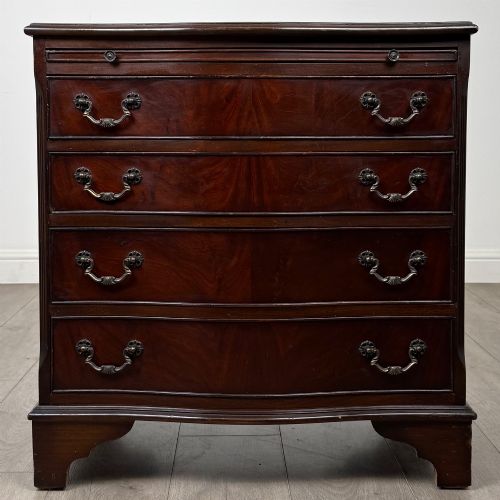
The selection ranges from compact bedside lamp chests and serpentine forms to tall Wellington styles, chests on stands, and substantial bow fronts. Many pieces reveal regional styles or revival periods such as Jacobean and Georgian Revival, showing continuous production across four centuries.
Makers utilised dark timber surfaces ranging from the deep reddish-brown of polished mahogany to the rich, grained warmth of antique oak. These items function as primary bedroom furniture or statement pieces in hallways and living spaces.
What varies in quality
The standard of construction hinges on the precision of the drawer dovetails, the selection of timber grain, and the survival of original brass hardware. Superior examples maintain smooth drawer action and clean internal framing without modern repairs or structural timber replacement.
Proportion and decorative restraint divide utilitarian storage from finer cabinet work, particularly in bow front and serpentine forms. The choice of polished mahogany or figured oak veneers dictates the overall visual impact of the piece.
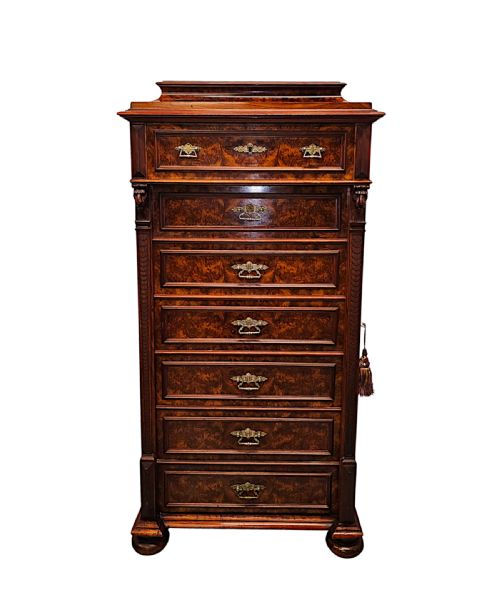
Some nineteenth-century storage units originally served specialised trades, including a multi-drawer bank once utilised in an Ilfracombe establishment.
Luxmore's of Ilfracombe
The Dark Brown Chest of Drawers Glossary
- Bow front
- A convex curved cabinet or drawer front that projects outward in a smooth arc. This shape gained popularity during the Georgian and Regency periods.
- Serpentine
- A front configuration featuring a convex centre flanked by concave curves, creating an undulating wave effect. It requires skilled woodworking to execute cleanly.
- Chest on chest
- A tall case furniture piece formed by stacking one smaller chest of drawers directly upon a wider base chest. This form maximises vertical storage capacity.
- Geometric moulding
- Raised wooden mouldings applied to drawer fronts in rectilinear patterns, common on seventeenth-century pieces. It creates texture and depth on plain timber surfaces.
- Wellington chest
- A tall, narrow chest of drawers secured by a hinged vertical locking flap on one side. The design originated in the nineteenth century for efficient document storage.
Dark Brown Chest of Drawers: Frequently Asked Questions
How do I date a dark brown chest of drawers?
Examining the timber species, construction joints like hand-cut dovetails, and hardware styles helps determine the age of a piece. Seventeenth-century items typically feature heavy oak with geometric mouldings, whilst Georgian and Victorian pieces showcase polished mahogany and refined proportions.
Secondary woods inside the drawers and the method of drawer lining offer further clues to the manufacturing decade. Comparing the design against known period characteristics confirms the likely era of origin.
What is the difference between oak and mahogany chests?
Oak chests generally date from the seventeenth and eighteenth centuries or later revival periods, displaying a prominent grain and heavy construction. Mahogany versions often appear from the Georgian era onward, offering a smoother, reddish-brown surface suited to formal interiors.
Choosing between the two depends on the desired visual weight and historical context for the room. Both timbers provide robust structural integrity when properly maintained.
Where should I place a chest on stand?
A chest on stand works well in entrance halls, bedrooms, or living spaces where floor area is limited yet vertical presence is desired. The elevated base creates a lighter visual footprint compared to a full-length floor chest.
Keeping the piece away from direct heat sources protects the antique timber and veneer surfaces from drying out. Positioning it against a sturdy wall ensures stability for daily use.
How do I care for antique dark wood furniture?
Maintaining these pieces involves dusting with a soft, dry cloth and avoiding silicone-based polishes that build up over time. Applying traditional beeswax periodically nourishes the timber and preserves the natural lustre of the finish.
Stable room humidity prevents the wood and veneers from cracking or warping. Direct sunlight should be avoided to prevent fading of the dark brown tones.