
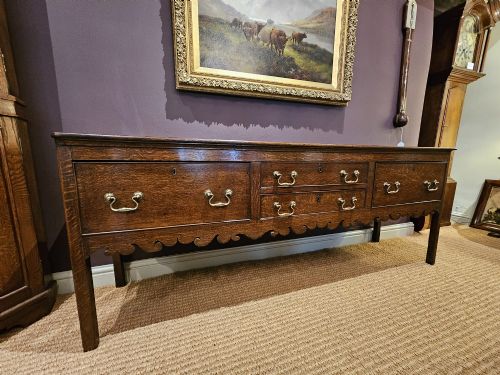
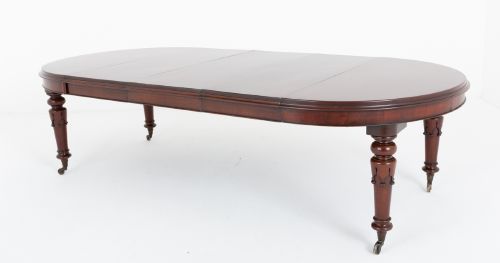
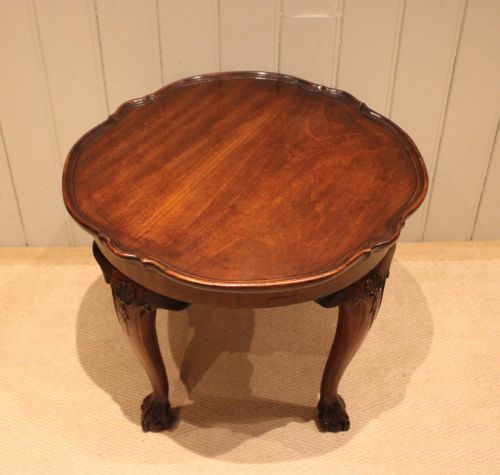
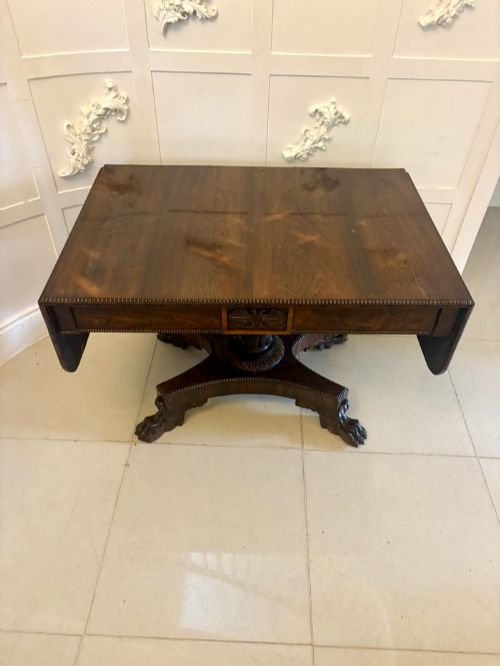

Dark Brown Carved Table
A dark brown carved table brings rich timber grain and deep relief work to a room, offering both sturdy function and traditional presence.
Dark Brown Carved Table
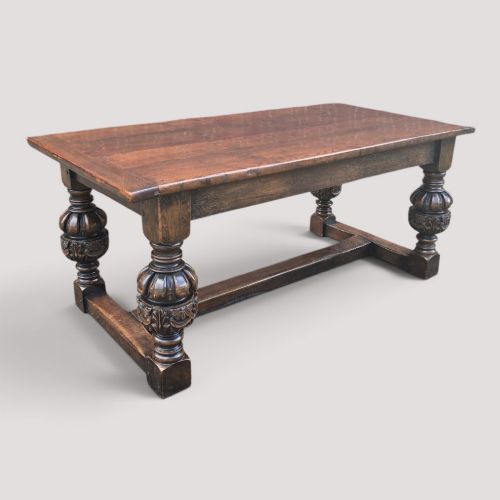
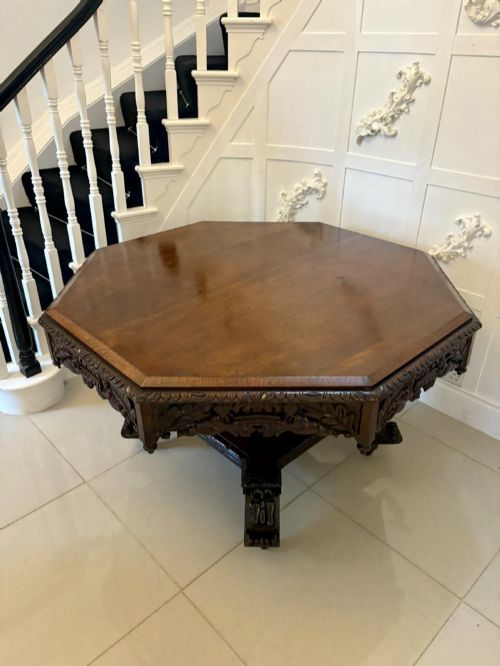
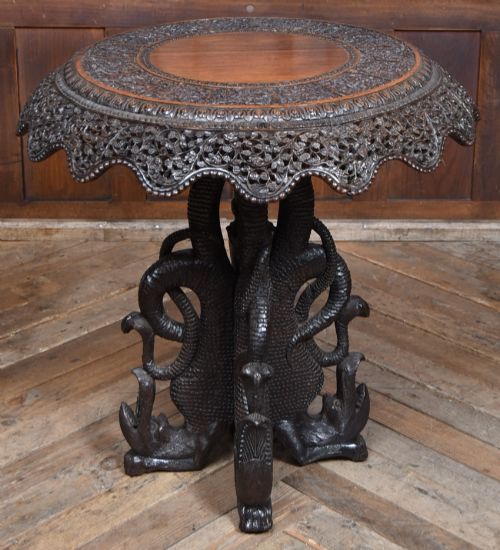
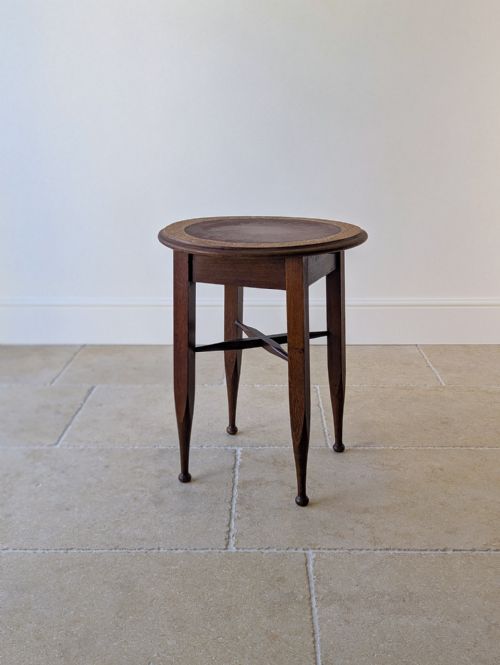
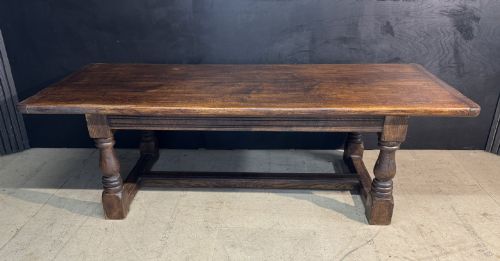
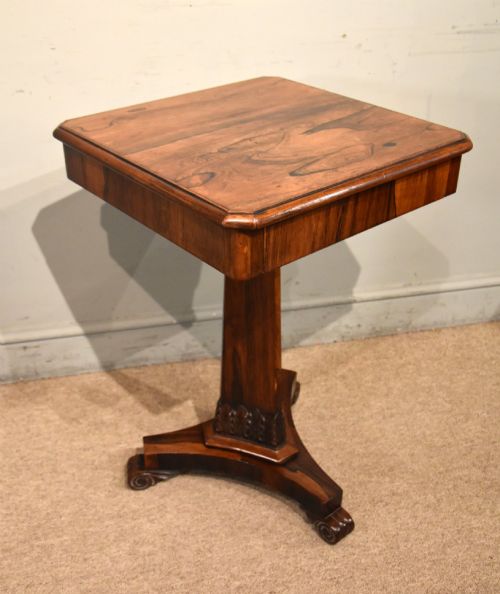
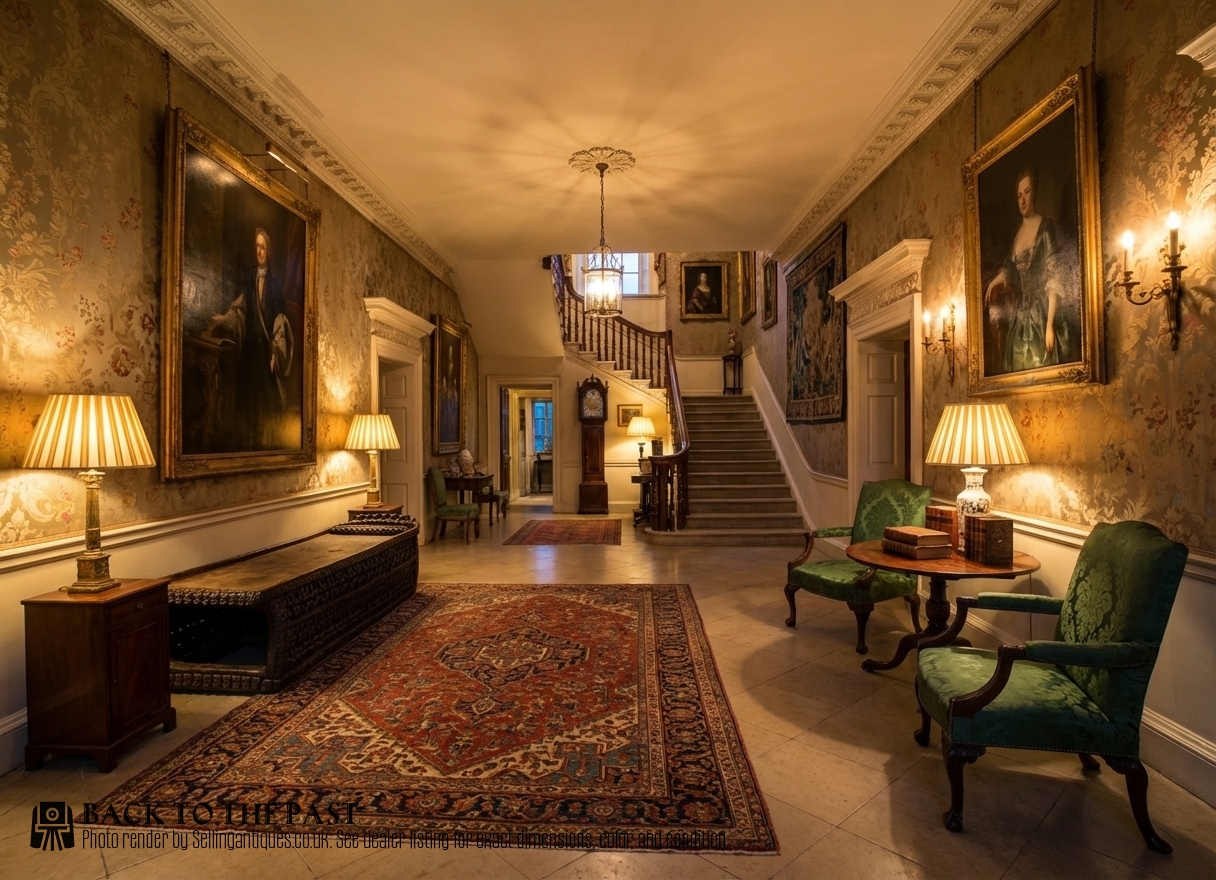
A dark brown carved table encompasses heavy refectory dining boards, draw leaf versions, compact side stands, and occasional tables spanning several centuries of cabinetmaking. You are most likely to encounter solid oak examples from the Edwardian era and the Victorian period, alongside earlier 17th-century and Georgian forms.
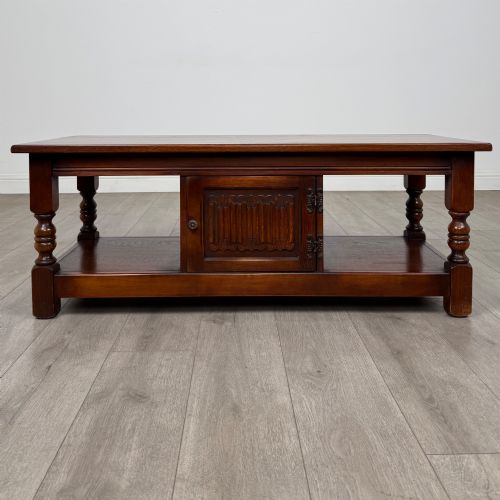
The selection ranges from substantial oak farmhouse dining tables with carved friezes to smaller side tables featuring barley twist legs and linenfold panels. These pieces serve practical functions in dining rooms, halls, and studies while displaying traditional woodworking styles such as Jacobean Revival and Arts & Crafts.
Markers of craftsmanship and execution
The distinction between standard production and superior execution rests on the crispness of the hand-carving and the selection of timber. Well-executed pieces display deeply undercut relief work and tightly fitted joints that remain stable across centuries of use.
Proportion and integrity of the timber define the upper tier, where grain patterns align naturally across extending leaves and tabletops. Lesser examples show mechanical tooling or replacement hardware that disrupts the period harmony.
Listings feature oak most frequently, followed by mahogany and rosewood across dining, side, and occasional table forms.
P & MA Nicholson
The Dark Brown Carved Table Glossary
- Refectory table
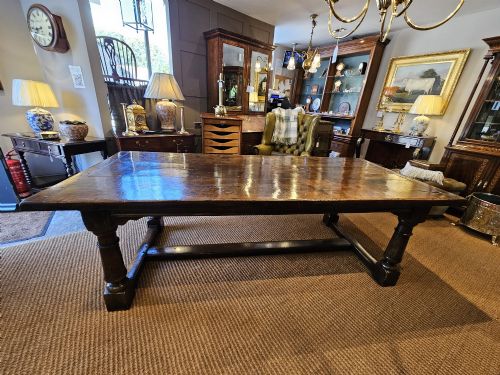
- A long, narrow dining table traditionally used in monasteries and large halls. These pieces typically feature sturdy wooden legs connected by a low stretcher.
- Draw leaf table
- An extending table equipped with two hidden leaves stored beneath the main top that pull out to lengthen the surface. This mechanism allows the table to expand without removing the central section.
- Barley twist
- A carved wooden leg or column turned in a spiral resembling a stalk of barley. This decorative turning style is common on Victorian and Edwardian oak furniture.
- Linenfold
- A style of wood carving that imitates folded parchment or linen, frequently used on panels. It appears on the surfaces of period cabinets and side tables.
- Birdcage mechanism
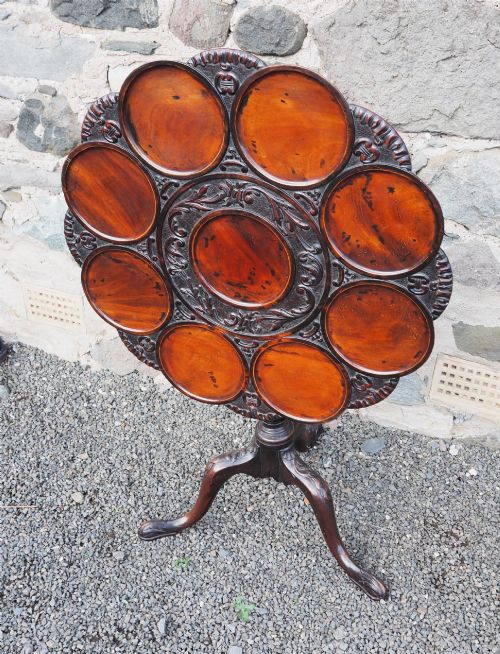
- A box-like wooden frame beneath a tilt-top table that allows the top to rotate and pivot. This construction enables the table to be stored flat against a wall when not in use.
Dark Brown Carved Table: Frequently Asked Questions
How do I identify a 17th-century oak table?
Seventeenth-century tables display pegged joints, hand-planed surfaces, and heavy timber construction without modern metal fasteners. The wood often exhibits deep patination and distinct medullary rays.
Examination of the underside and structural joins reveals the hand-carved nature of the friezes and stretchers, differing markedly from later revival pieces.
Where should I place a refectory table?
A refectory table suits large dining rooms, open-plan kitchens, or spacious hallways where its length and substantial presence can be fully appreciated. Ensure adequate clearance around all sides for seating and movement.
Pairing the table with high-back chairs or benches complements the traditional proportions seen in Edwardian and Georgian dining sets.
How do draw leaf tables work?
Draw leaf tables operate through a system where two extension leaves slide out from beneath the main central top. As the ends are pulled, the main top lifts slightly before dropping down to lock flush with the extensions.
This design provides a quick method to expand dining space without the need to store separate loose leaves elsewhere.