



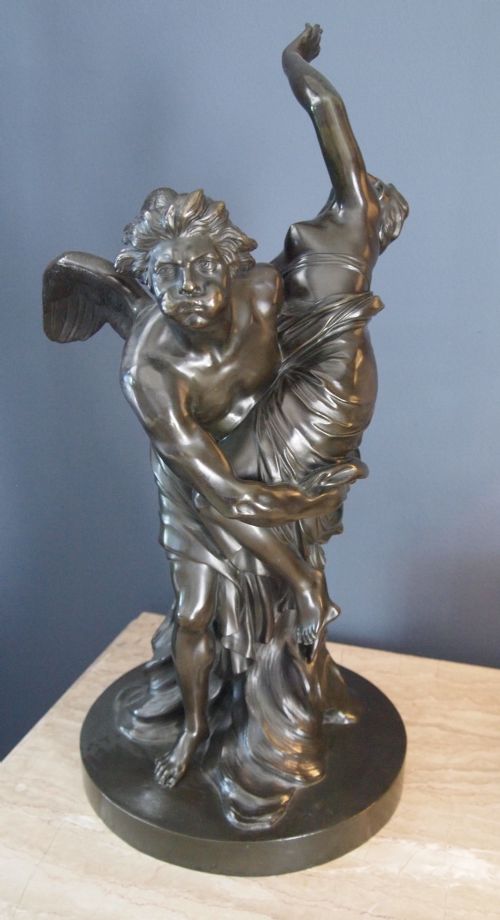

Dark Bronze Figure Group
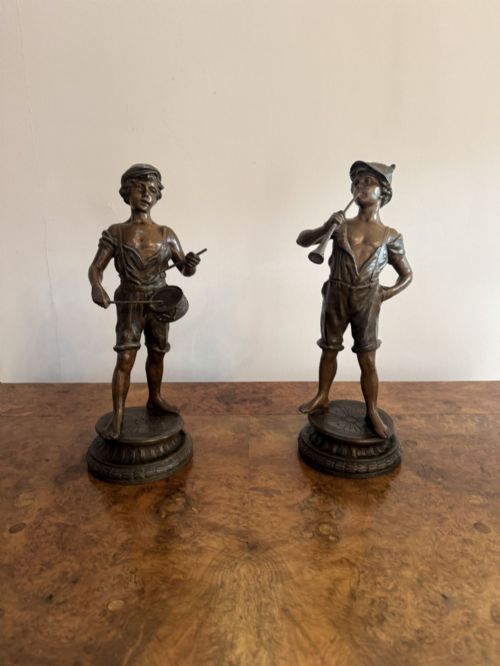
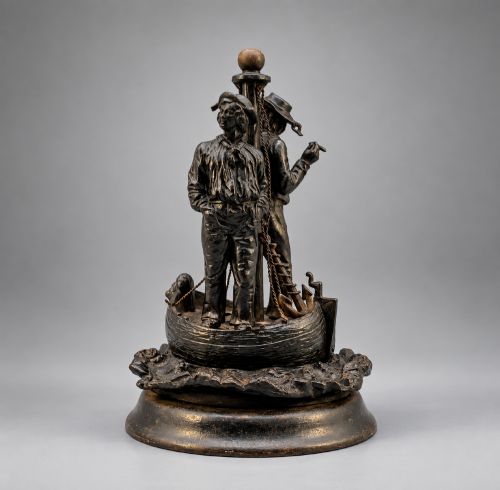
A dark bronze figure group brings mythological narratives and animal studies into focus through substantial cast metal work.
Dark Bronze Figure Group
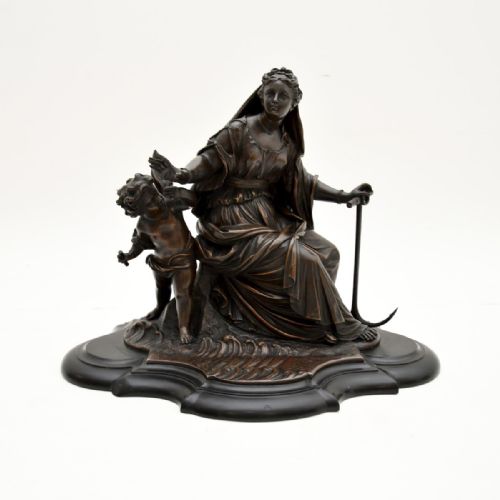
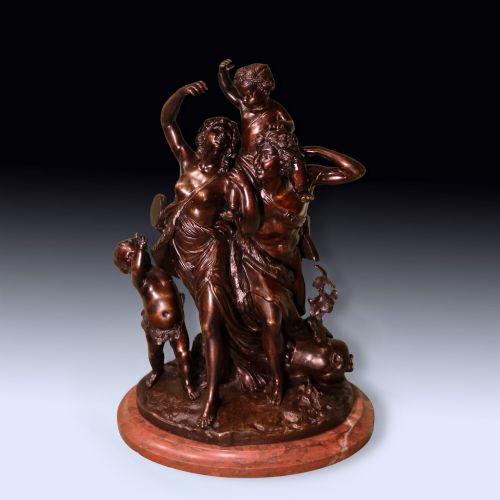
A dark bronze figure group comprises multiple cast metal subjects interacting within a single composition, ranging from classical mythological figures to naturalistic animalier studies. When searching this phrase, expect to encounter multi-figure arrangements representing Bacchic revels, putti, and wildlife subjects.
French neoclassical workshops and Meiji period Japanese foundries dominate the available selection, spanning the eighteenth to the early twentieth centuries. These pieces appear on marble bases, slate mounts, or standing independently as substantial sculptural groups.
Casting and patination methods
Foundries utilised the lost-wax casting method to capture intricate details across complex multi-figure compositions. This technique allowed sculptors to render flowing drapery, animal musculature, and distinct facial expressions with precision before finishing.
The characteristic dark surface tone derives from chemical patination applied to the bronze after casting. Artisans manipulated surface oxides to achieve deep brown, nearly black finishes, often highlighting specific contours through subsequent polishing.
Dark Bronze Figure Group Retail Price Guide 2026
Typical asking prices for dark bronze figure group among the pieces listed under this phrase on Sellingantiques today, from the lower quarter to the upper quarter. They describe what is for sale here now, not the wider market.
Listings feature works by documented sculptors alongside classical revival pieces after Claude Michel Clodion, cast in bronze with marble and slate bases.
Assessing sculptural execution
The structural balance of the composition and the fidelity of the secondary patination distinguish ambitious foundry productions from standard commercial castings. Stronger pieces demonstrate confident weight distribution and subtle tonal gradations across the dark bronze surface.
Claude Michel Clodion·Kaniya Kuniharu·Auguste Moreau·P J Mene·Carl Kauba·Alfred Dubucand·Charles Cumberworth·Emile Laporte·Nikolai Lieberich·Simon Louis Boizot
The Dark Bronze Figure Group Glossary
- Animalier
- A nineteenth-century artistic movement focusing on the realistic portrayal of animals. Sculptors in this tradition studied anatomy closely to depict wildlife in dynamic interactions.
- Patinated bronze
- Metal treated with chemical solutions to produce a specific surface colour. Dark patination provides a sombre, unified tone that accentuates sculptural form over reflective sheen.
- Okimono
- Japanese decorative statues designed for display on traditional interior platforms. These carved or cast objects frequently depict human figures and animals with high naturalism.
- Putto
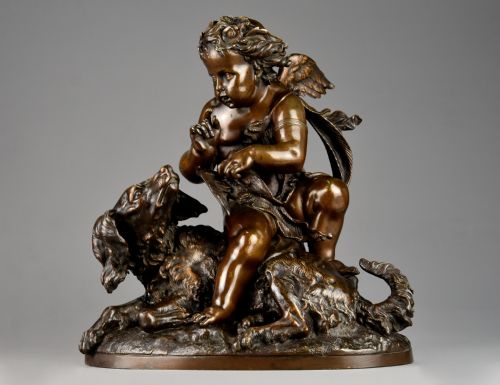
- A plump, winged infant figure derived from classical art. These motifs appear frequently in neoclassical and revival compositions interacting with mythological characters.
Dark Bronze Figure Group: Frequently Asked Questions
What periods do these bronzes come from?
The available selection primarily spans the nineteenth century, including examples produced during the Georgian era, the Meiji period, and the late Victorian decades. These pieces reflect historical revival styles alongside contemporary nineteenth-century sculptural movements.
Foundries across France and Japan produced the majority of these multi-figure works during this extended timeframe, utilising traditional casting methods established in earlier centuries.
How are these figures mounted?
Many figure groups incorporate integral bronze bases, while others are secured to distinct mounts fashioned from marble, slate, or burr wood. These plinths provide essential structural stability for heavy multi-figure compositions.
When inspecting a piece, note how the bronze pins or screws fasten the figures to the stone or wooden pedestal below, as original mountings remain important for historical integrity.
What themes appear in these groups?
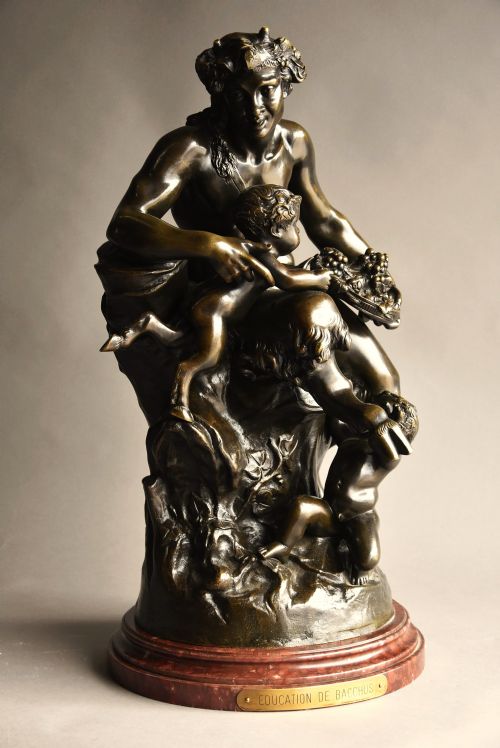
Mythological narratives involving Bacchus, satyrs, fauns, and putti dominate the classical French groups. Animalier compositions focus on predators, tigers, hares, and bears interacting in natural settings.
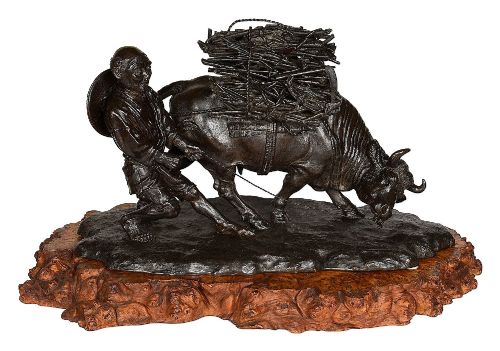
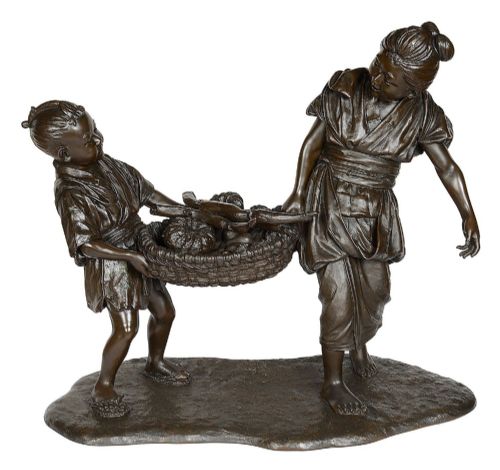
Japanese works frequently depict daily scenes, such as woodspersons with animals or mothers with children, rendered in dark patinated bronze.
How do I care for a dark bronze sculpture?
Maintain the dark patina by dusting the surface regularly with a soft, dry cloth. Avoid using liquid cleaners, polishes, or abrasive cloths that can strip the chemical patination from the metal.
Keep the bronze away from direct heat sources and high humidity to protect any underlying marble or wooden bases from warping or staining.