

Cut Glass Light Fixture
A cut glass light fixture brings prismatic brilliance to a room, scattering candlelight or electric illumination through moulded facets and suspended drops.
Cut Glass Light Fixture
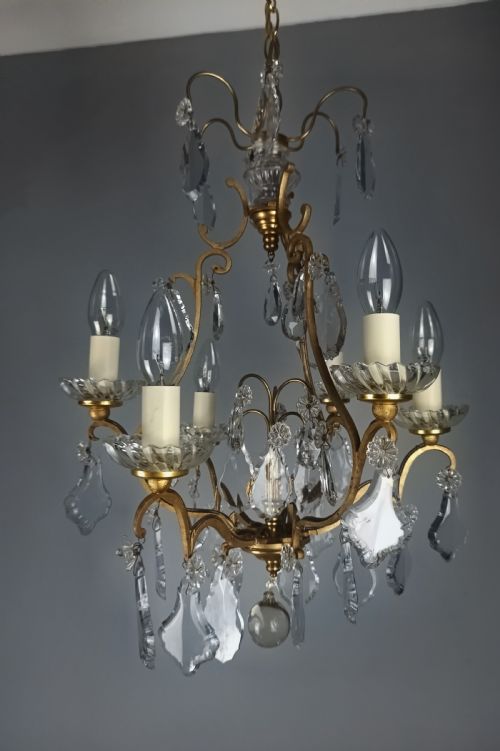
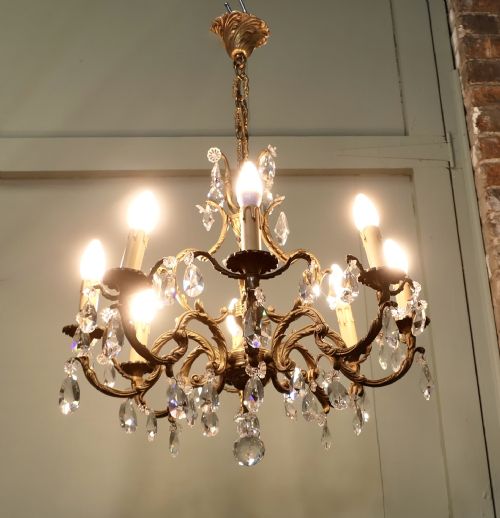
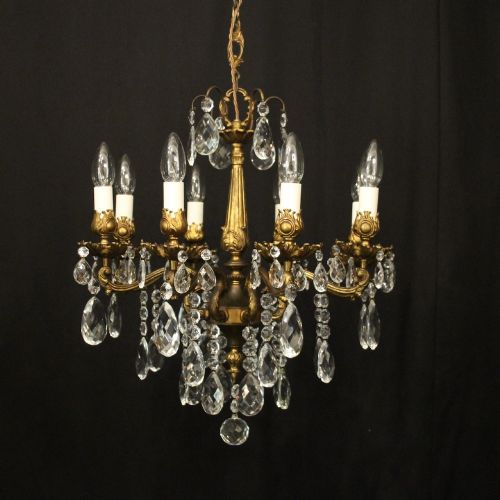
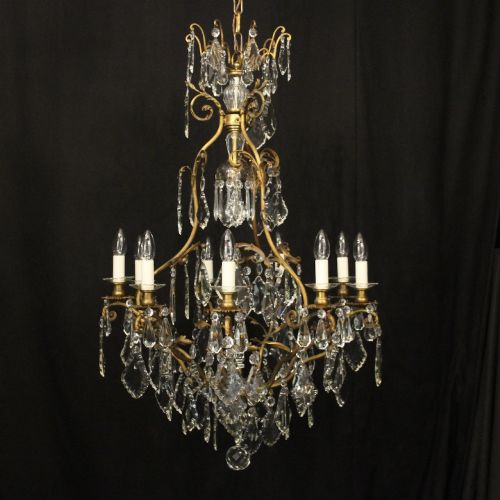
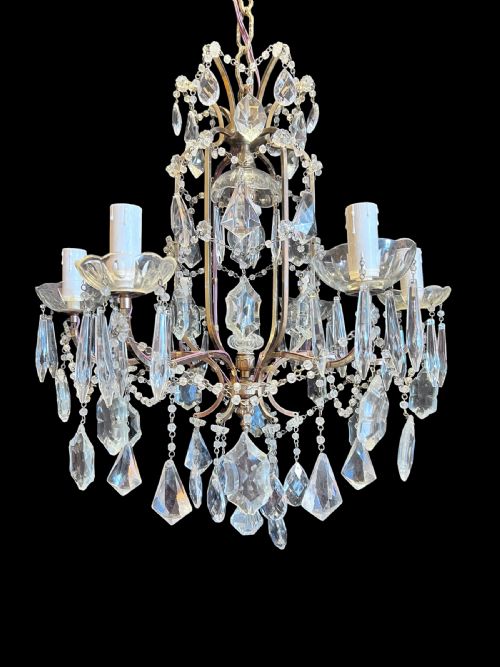
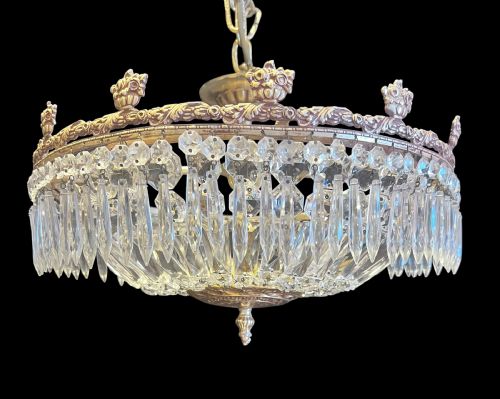
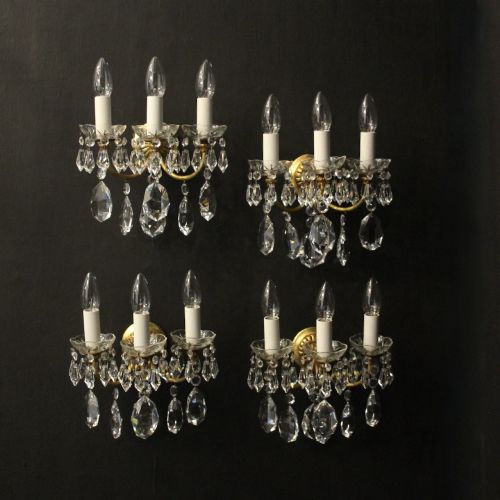
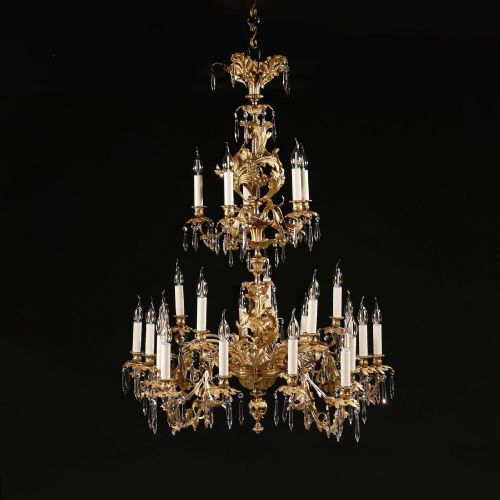
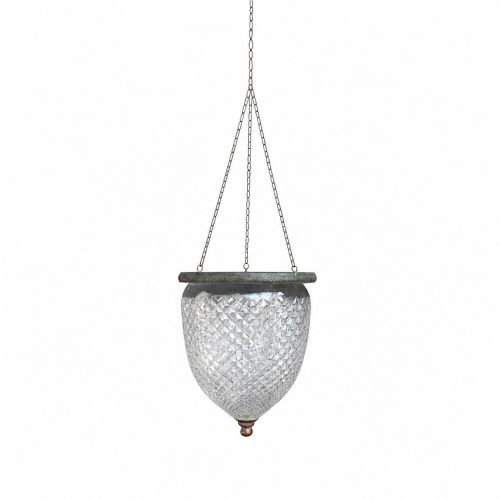
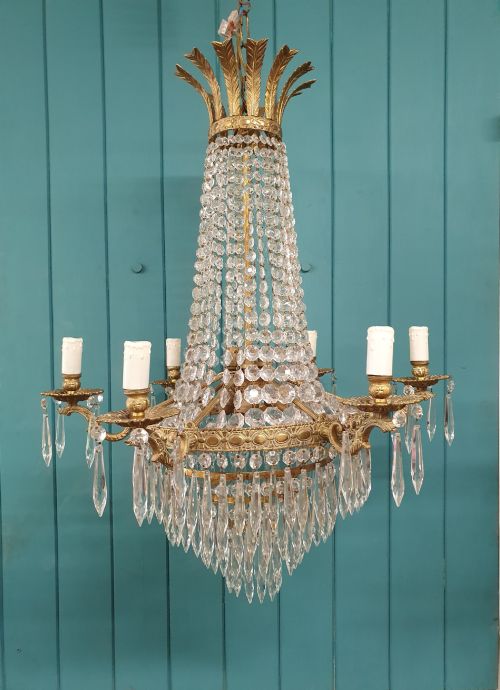
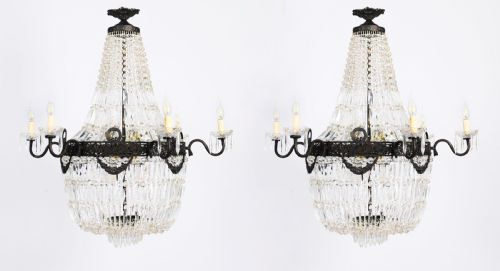
A cut glass light fixture encompasses chandeliers, ceiling lights, pendants, wall lights, and hall lanterns sourced from periods spanning the nineteenth century through to the nineteen-thirties. The selection here leans heavily toward French and Italian designs, alongside English examples, reflecting domestic and public lighting needs of their respective eras.
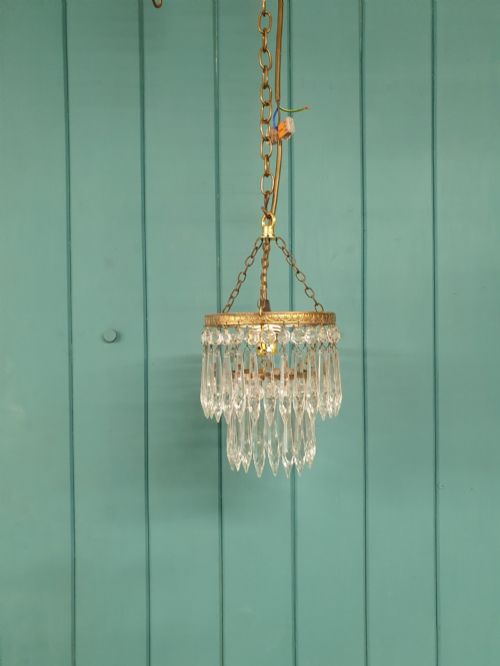
Buyers encounter substantial multi-arm chandeliers, compact tent and bag configurations, flush-mounted plafonniers, and vertical hall lanterns. These fixtures originate from Victorian, Edwardian, and later twentieth-century workshops, utilising distinct regional decorative idioms from French chateau styles to Italian rococo revivals.
Materials and Construction
Construction relies upon structural frames of brass, bronze, or gilt metal that support arrays of glass and crystal components. Metal armatures are cast, forged, or spun into rings and branches, providing rigid support for wired or candle-bearing tiers.
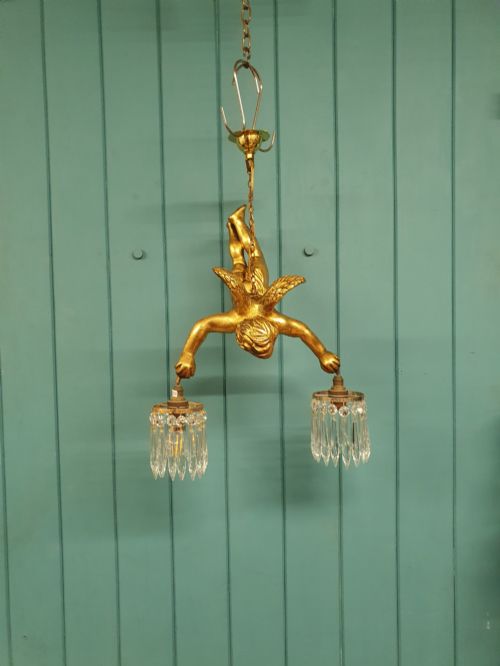
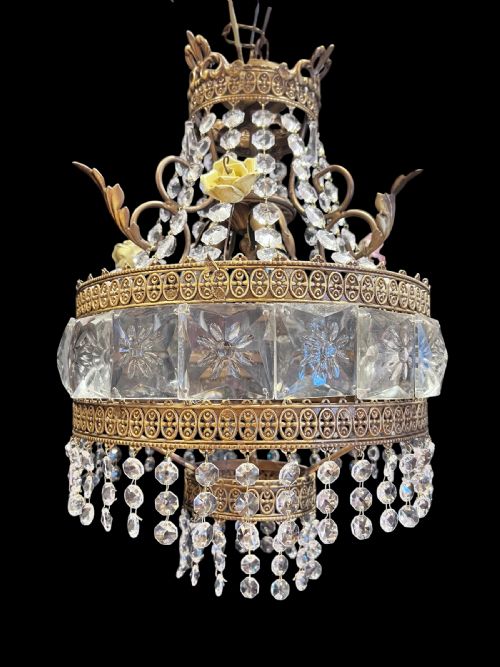
Prisms, drops, beads, and central shafts are formed from cut glass or crystal, secured with wire pins to the metal framework. Additional decorative elements include porcelain flowers, gilded spelter figures, and cast brass mounts incorporating motifs such as lion masks or leaf decoration.
Cut Glass Light Fixture Retail Price Guide 2026
Typical asking prices for cut glass light fixture among the pieces listed under this phrase on Sellingantiques today, from the lower quarter to the upper quarter. They describe what is for sale here now, not the wider market.
Listings incorporate brass, bronze, and gilt metal frameworks paired with cut crystal and glass, spanning the nineteenth century through the nineteen-thirties.
Evaluating Execution
Quality rests upon the depth and crispness of the facet cutting on the crystal elements, which dictates how effectively the glass refracts light. Superior examples employ heavy crystal with sharp, clean edges rather than soft, moulded glass lacking optical precision.
The sophistication of the metalwork also separates tiers of production, seen in the weight of the brass or bronze frames, the intricacy of cast mounts, and the integration of components like tent cords and bead bags. Heavier cast elements and secure, well-finished metal armatures indicate superior original manufacture.
The Cut Glass Light Fixture Glossary
- Plafonnier
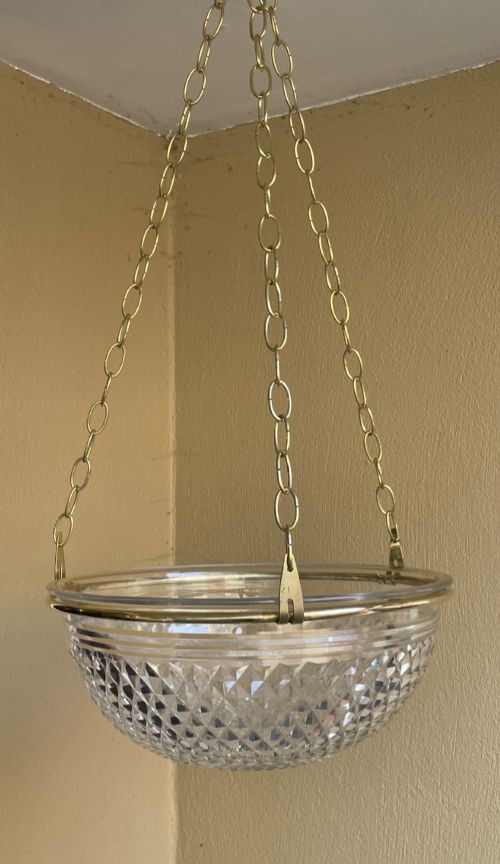
- A ceiling-mounted light fixture that sits flush or close to the ceiling surface, often taking a domed or shallow bowl form. These were utilised where ceiling heights precluded suspended drop chandeliers.
- Tent and bag chandelier
- A lighting design featuring an upper canopy of strings of crystal beads forming a tent shape, dropping down into a gathered bag or basket configuration beneath. This style maximises the surface area available for hanging prisms.
- Lustre
- A suspended glass pendant or drop cut with facets to catch and reflect light. Lustres hang from the arms and rims of chandeliers and candelabra.
- Birdcage chandelier
- A fixture constructed with a metal frame resembling an open cage, often adorned with glass columns, bands, and internal or external candle arms. The skeletal frame supports dense arrangements of crystal drops.
- Spelter
- An alloy of zinc and lead utilised as a less costly alternative to bronze for cast decorative figures and mounts. It takes gilt and painted finishes effectively.
Cut Glass Light Fixture: Frequently Asked Questions
How do I hang a heavy cut glass light fixture safely?
Suspension requires fixing directly into the ceiling joists or installing a dedicated metal ceiling brace capable of supporting the combined weight of the metal frame and glass components.
Electrical wiring must be routed through the central hollow rod or canopy, and professional installation ensures the structural load is transferred safely away from the plaster.
Can these antique fixtures be wired for modern electricity?
Most antique fixtures are readily adapted for contemporary electrical supplies by running internal flex through the original central channels. Candle-tubes can be fitted to conceal modern lamp holders while retaining the visual appearance of original candle-burning fittings.
Qualified electricians should handle the rewiring to accommodate current safety standards and appropriate bulb wattages.
How should I clean an antique crystal chandelier?
Routine maintenance involves dusting the glass components in situ using a soft feather duster or an electrostatic wand. For deeper cleaning, individual drops can be washed by hand using warm water and a mild detergent solution, ensuring they are dried thoroughly before reattachment.
Spraying cleaning solutions directly onto the fixture while suspended should be avoided to protect the metal framework and electrical components from moisture damage.
What distinguishes an Edwardian plafonnier from a Victorian one?
Edwardian ceiling lights often reflect lighter, more restrained decorative schemes influenced by neoclassical or early modernist tendencies, favouring brass mounts and clean cut-glass domes. Victorian pieces tend toward heavier brass frameworks, richer patination, and denser arrangements of cut crystal prisms.
Proportions and mounting styles shift from the robust, ornate castings of the nineteenth century to the more streamlined profiles of the early twentieth century.