



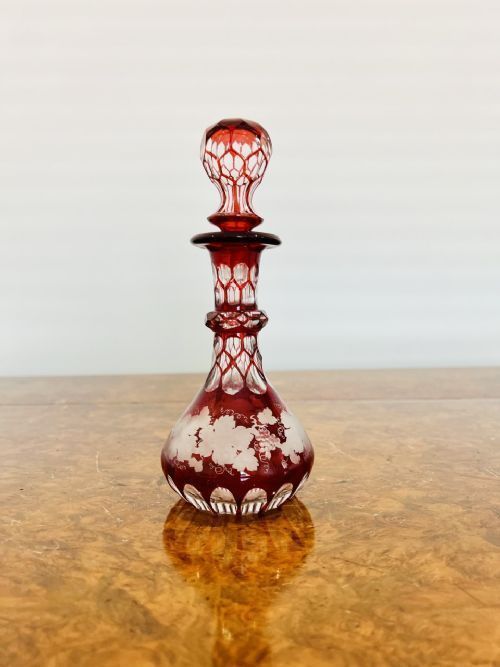

Cut Glass Dressing Bottle
A cut glass dressing bottle brings tactile weight and period character to a dressing table.
Cut Glass Dressing Bottle
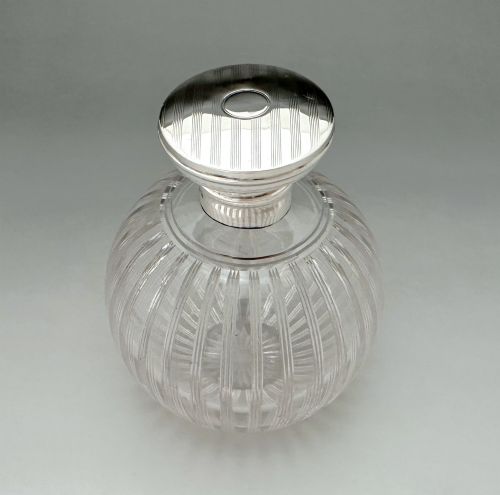
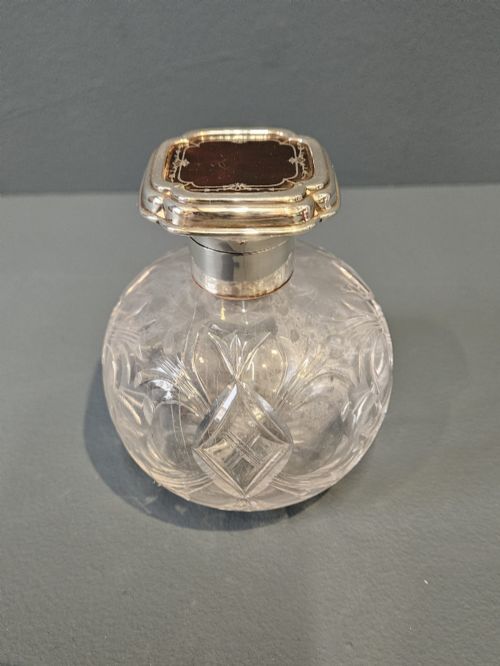
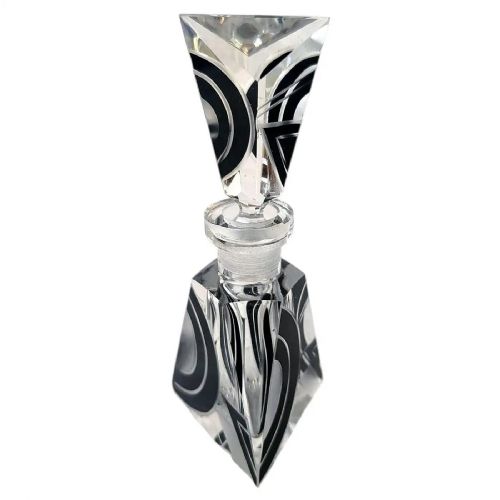
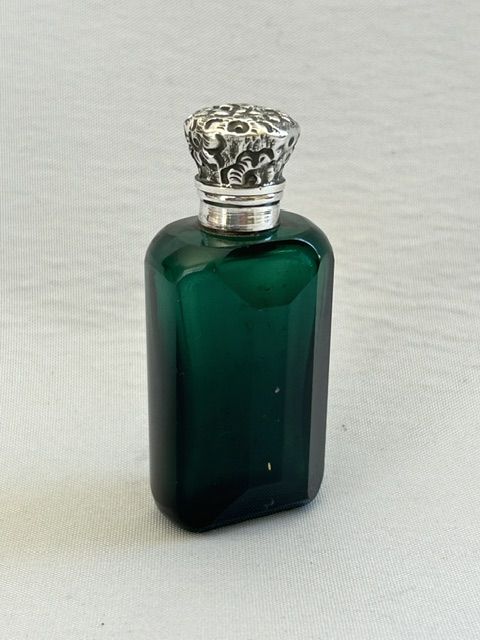
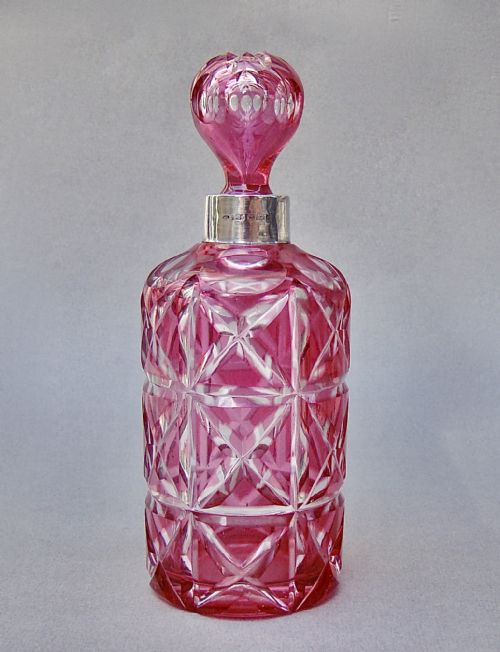
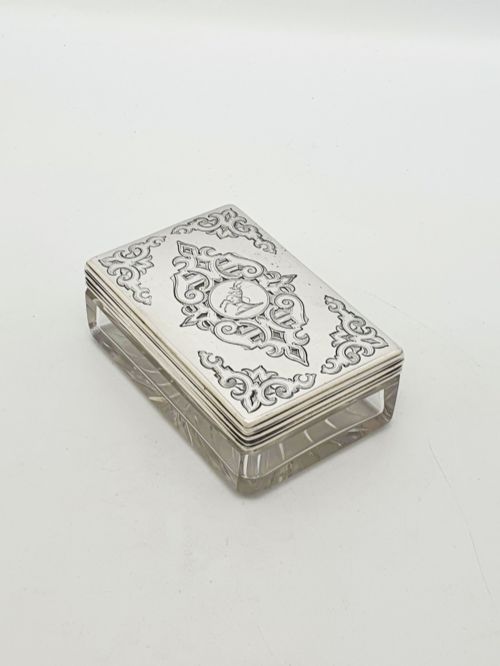
When someone searches for a cut glass dressing bottle, they encounter a functional container designed for perfumes, colognes, and vanity liquids. The pieces on this page span the Victorian, Edwardian, and Art Deco periods, ranging from straightforward glass flasks to elaborate cased sets.
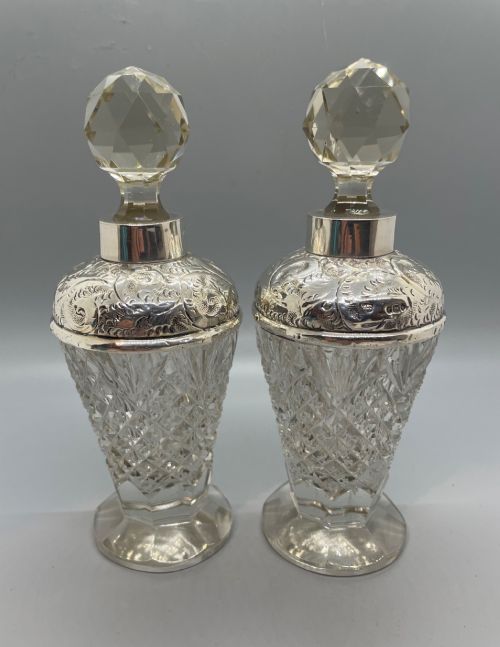
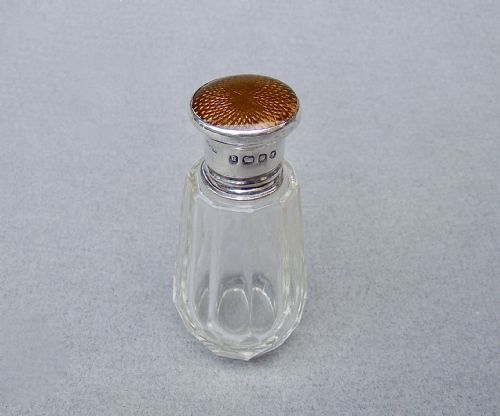
Victorian examples frequently pair deep cut glass or coloured crystal with substantial sterling silver mounts, while later Art Deco pieces feature geometric cutting and enamel work. Buyers commonly find individual bottles alongside matched pairs housed within travelling caskets or fitted vanity boxes.
Materials and construction
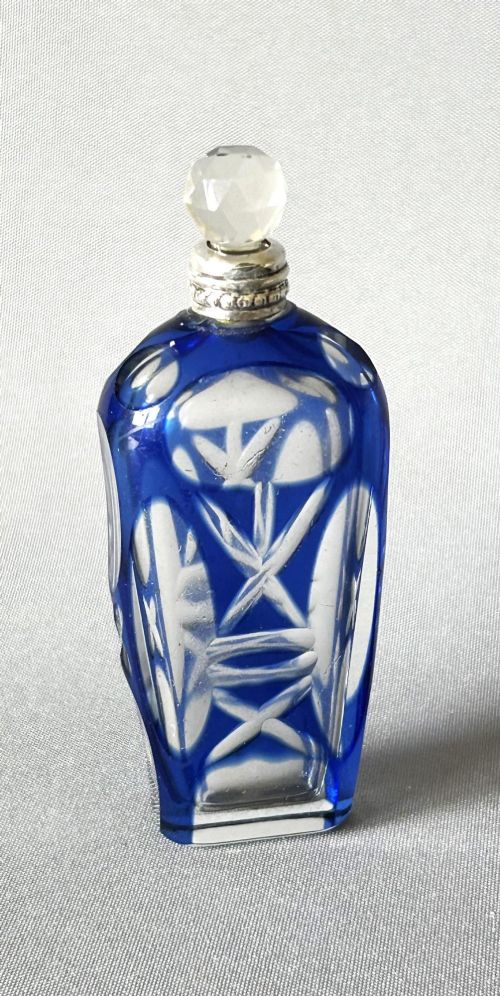
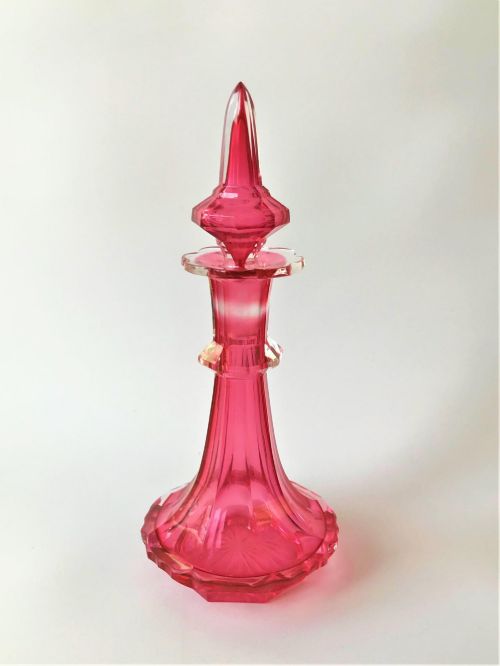
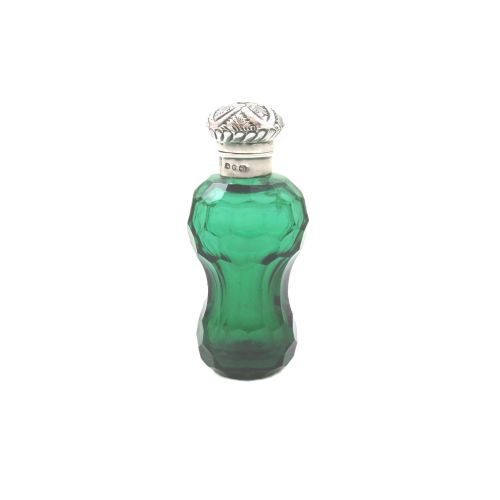
Makers formed these vessels using lead crystal or soda glass, often employing hand-cut facets that catch the light from different angles. Coloured glass varieties, including cranberry, teal, Bristol green, and amethyst, appear alongside clear cut crystal.
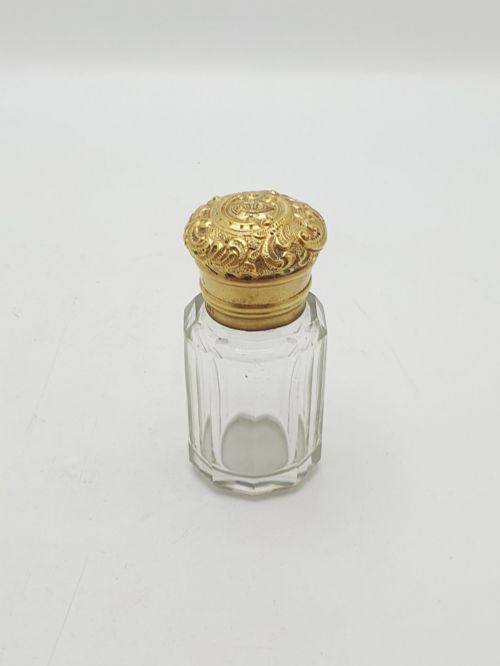
Metal components typically consist of sterling silver collars, hinged lids, and screw caps, frequently carrying Birmingham or London assay marks. Selected pieces incorporate organic elements such as tortoiseshell or enamel panels set into the metal tops.
Cut Glass Dressing Bottle Retail Price Guide 2026
Typical asking prices for cut glass dressing bottle among the pieces listed under this phrase on Sellingantiques today, from the lower quarter to the upper quarter. They describe what is for sale here now, not the wider market.
Several Victorian caskets hide three distinct bottles inside, functioning as tiny, portable cocktail bars for nineteenth-century breath fresheners.
Assessing quality
The standard of a cut glass dressing bottle depends on the crispness of the glass cutting and the thickness of the metal mounts. Sharp, defined facets and heavy lead crystal distinguish superior vessels from lighter, pressed glass alternatives.
Integrity of the materials also dictates the standing of a piece, particularly the preservation of guilloche enamel work, the tight fit of silver collars, and the clarity of coloured glass bodies.
Harold Bushell and Co·Henry Perkins·Karl Palda·Jonathan Douglas·Barnsley and Co·Mappin and Webb
The Cut Glass Dressing Bottle Glossary
- Cut glass
- Glassware shaped by grinding and polishing facets onto the surface. This technique creates geometric patterns that refract light.
- Guilloche enamel
- Decorative metalwork covered in translucent enamel over an engine-turned pattern. It appears frequently on Art Deco bottle caps.
- Sterling silver
- An alloy of silver containing 92.5 percent pure silver by mass. Most bottle collars and lids utilise this standard.
- Casket
- A decorative box or chest designed to hold small valuables. These often house sets of multiple perfume bottles.
- Collar
- The metal ring fitted to the neck of a bottle to secure the hinged lid or stopper.
Cut Glass Dressing Bottle: Frequently Asked Questions
What is a dressing bottle?
A dressing bottle is a small, decorative container kept on a dressing table or vanity for holding perfumes, colognes, or toilet waters. They usually feature stoppers or secure metal lids to prevent evaporation.
Historically, these bottles formed part of matching dressing sets alongside brushes, jars, and mirrors. Wealthy households utilised them daily for personal grooming.
How do I date a glass bottle?
Dating relies on a combination of hallmarked metal mounts, glass colours, and prevailing design styles. Victorian examples often display ornate floral embossing, while Art Deco pieces favour geometric lines.
Silver hallmarks on the collars provide the most reliable date, recording the specific assay office and year of manufacture. Unmarked pieces require stylistic comparison with documented eras.
Were these bottles used for travel?
Many dressing bottles were constructed for transport within fitted leather or wooden travel cases known as caskets or Tantalus sets. These housings kept multiple glass flasks upright during transit.
Travel versions often feature screw-down sterling silver tops with internal cork or glass stoppers to prevent leaks. The exterior caskets typically use materials like walnut or coromandel.
How do I clean an antique bottle?
Cleaning requires gentle methods to preserve old glass and delicate metal mounts like silver or enamel. Warm water and mild soap suffice for the glass interior, avoiding harsh abrasives.
Silver collars and tortoiseshell insets should be kept dry and polished carefully with a soft cloth. Submerging pieces with glued elements or enamel panels in liquid risks permanent damage.