






Cut Glass Caddy
These cut glass caddy pieces bring heavy crystal and bright metalwork together for tea, spirits, and condiments on the dining table.
Cut Glass Caddy
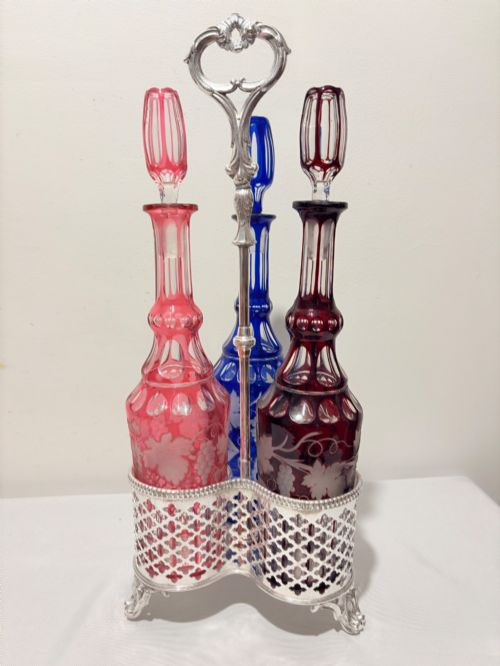
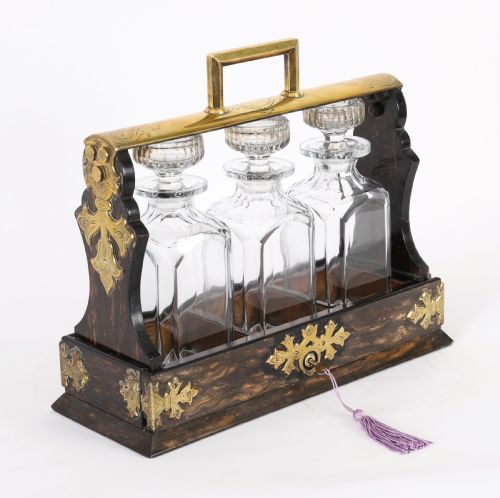
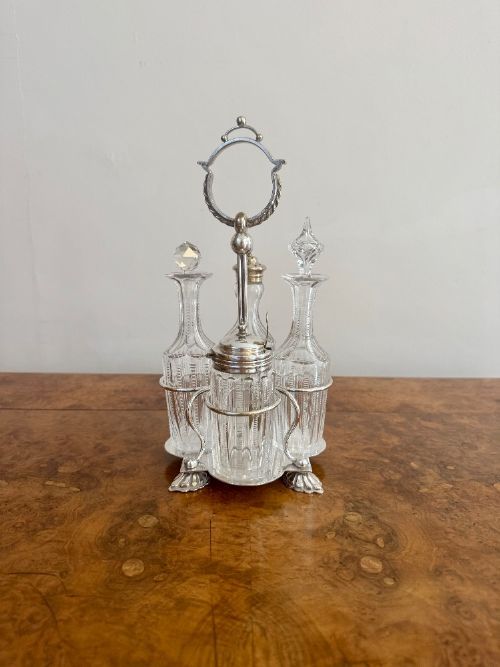
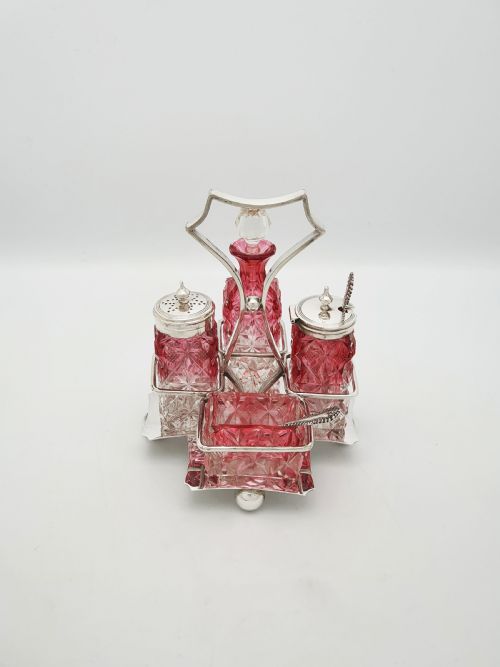
A cut glass caddy search reveals a broad mix of vessels and stands intended for the dining table and sideboard, encompassing tea caddies, condiment sets, and tantalus frames. The selection on this page leans heavily toward Edwardian silver plated cruet sets and Victorian oak tantalus groupings alongside Georgian tea storage.
Makers utilised heavy glass containers mounted in brass, oak, coromandel, and silver plate to hold daily provisions. These items cross several periods, running from Georgian and Regency forms through to late Victorian and Edwardian domestic hardware.
Materials and Technique
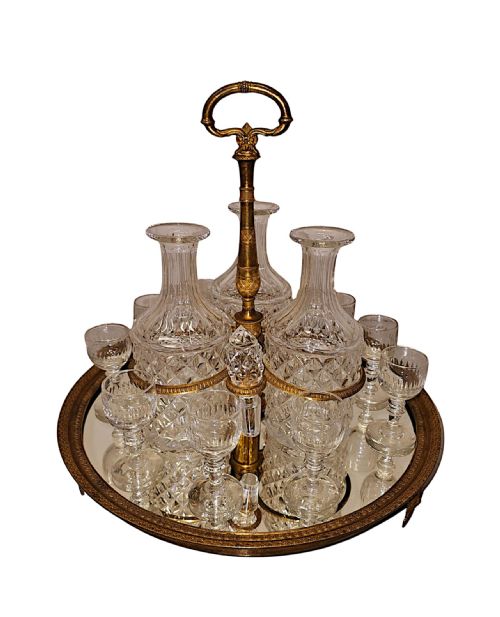
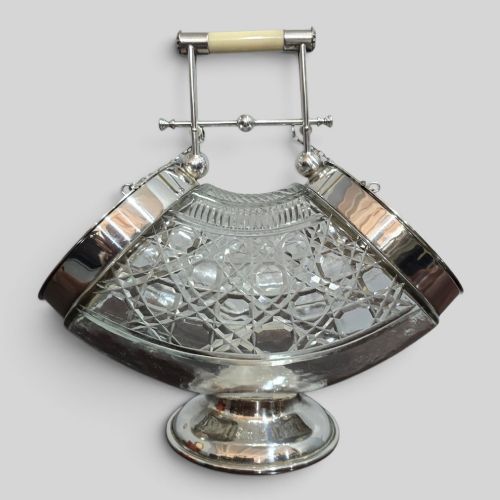
The glass elements rely on deep wheel-cutting and hobnail patterns to catch the light, paired with cast and chased silver plate, sterling silver, or ormolu mounts. Oak and walnut chassis provide sturdy support for multi-bottle decanter sets and condiment frames.
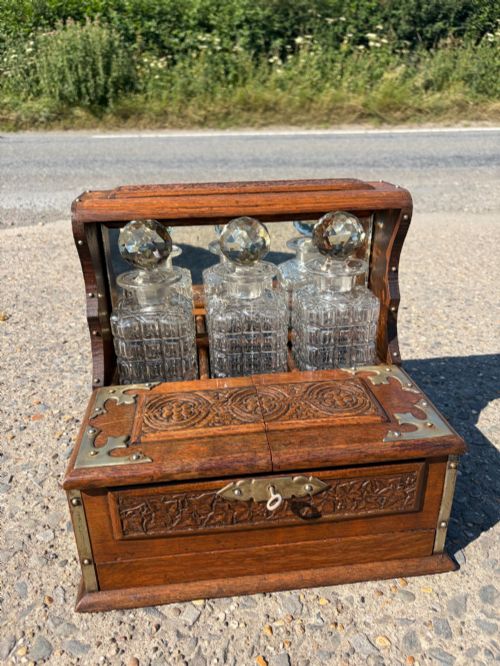
Frames incorporate hinged locking mechanisms with brass handles and fitted interiors designed to cradle heavy crystal bottles securely. Metal plating was applied over base metals to create durable, reflective surfaces for formal dining.
Cut Glass Caddy Retail Price Guide 2026
Typical asking prices for cut glass caddy among the pieces listed under this phrase on Sellingantiques today, from the lower quarter to the upper quarter. They describe what is for sale here now, not the wider market.
Victorian hosts locked their spirits in a tantalus so the servants could not water down the brandy.
The Measure of Quality
Quality rests in the crispness of the glass cutting, the weight of the metal mountings, and the integrity of the fitted wooden framework. Better examples maintain matching crystal stoppers and original silver plating without base metal showing through.
Weight and structural stability distinguish superior pieces from standard production, particularly in multi-bottle tantalus sets where mechanical locks and hinges must operate smoothly.
Mappin Brothers·William Rudkins London
The Cut Glass Caddy Glossary
- Cruet set
- A matched collection of glass bottles for vinegar, oil, mustard, and condiments, held in a metal frame. These sets sat at the centre of the dining table for individual seasoning.
- Tantalus
- A locking wooden frame that displays decanters of spirits while preventing uninvited access. The mechanism secures the stoppers until a key is turned.
- Hobnail cut
- A raised, multi-faceted pattern resembling the hobnails on stout boots, pressed or cut into the glass surface. This technique maximises sparkle and provides a tactile grip.
- Cave à liqueur
- A French fitted box or stand containing liqueur decanters and small glasses, often accented with ormolu mounts. These portable bars were popular for evening entertaining.
- Coromandel
- A dense, dark timber with contrasting streaks, imported from Asia and used for luxury Victorian boxes and tantalus frames. It provides a rich, polished ground for metal mounts.
Cut Glass Caddy: Frequently Asked Questions
What is a cut glass caddy used for?
These vessels served to store dry tea leaves or hold wet condiments and spirits securely on the dining table. The heavy glass protected contents from moisture and light while displaying them clearly.
Tea caddies kept expensive leaves under lock, whereas cruet sets and tantalus units managed liquids during formal meals and evening gatherings.
How do I care for silver plated frames?
Silver plate requires gentle cleaning with a soft cloth and a mild, non-abrasive polish to preserve the thin metal layer over the base. Avoid harsh dips that can strip the plating entirely.
Wooden frames benefit from occasional application of furniture wax to nourish the grain without harming the surrounding metal mounts.
How can I tell Victorian pieces apart?
Victorian examples often feature heavier oak or walnut frames, robust silver plating, and deep hobnail or flute cutting on the glass bottles. Makers during this era favoured substantial construction for daily household use.
Later Edwardian versions frequently display lighter frames and refined cruet layouts, while Georgian precursors rely on mahogany and simpler geometric glass cuts.
Are replacement stoppers common?
Many older decanters and caddies retain mismatched stoppers because original glass pieces were easily broken during washing and daily handling. Collectors look for stoppers that match the exact cutting pattern and fit of the neck.
Minor variations in glass tint or interior wear often indicate whether a stopper belongs to the original bottle.