

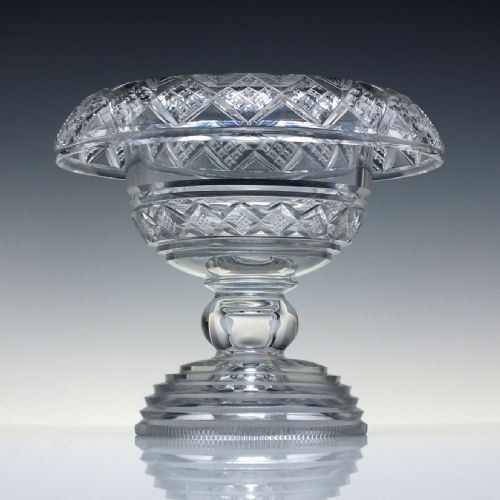


Cut Crystal Pedestal
These cut crystal pedestal items elevate any table, combining heavy refractivity with elevated forms from Georgian and Victorian makers.
Cut Crystal Pedestal
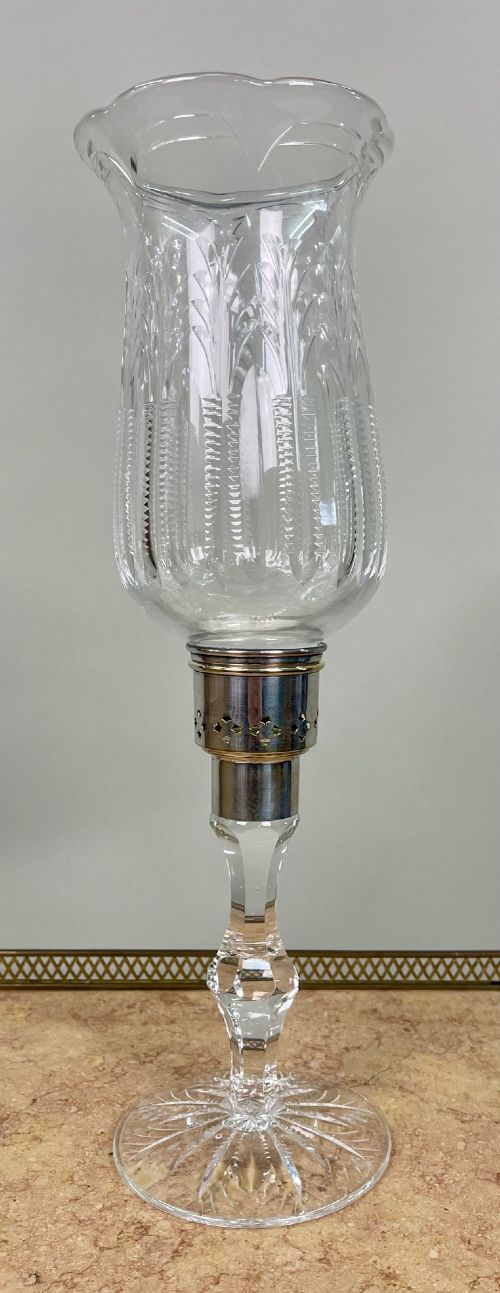
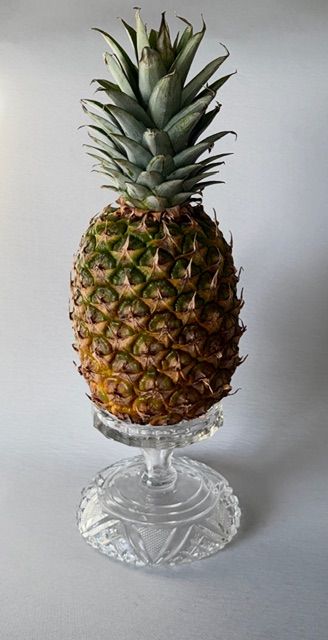
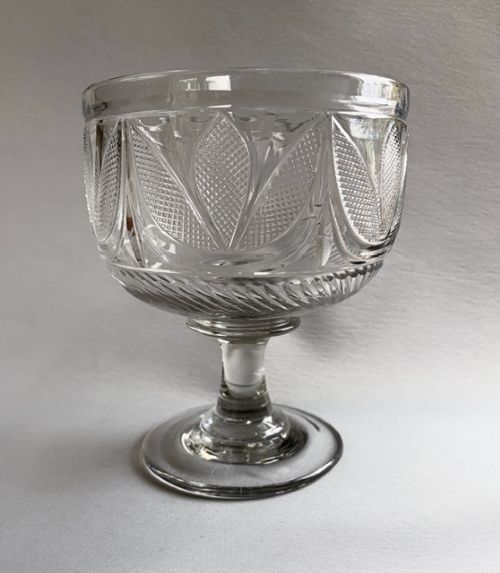
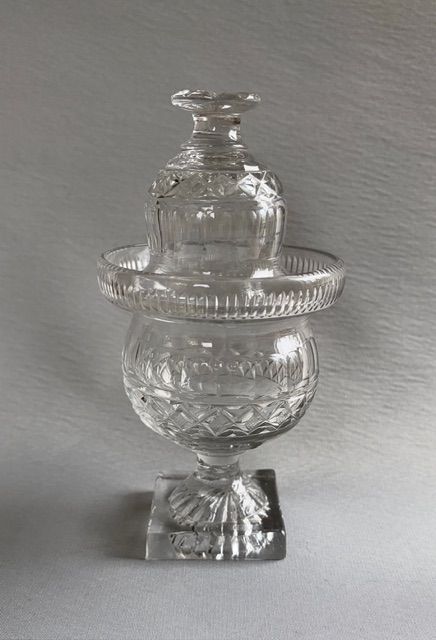
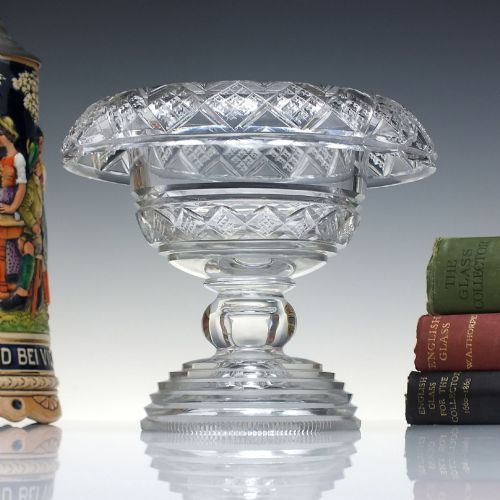
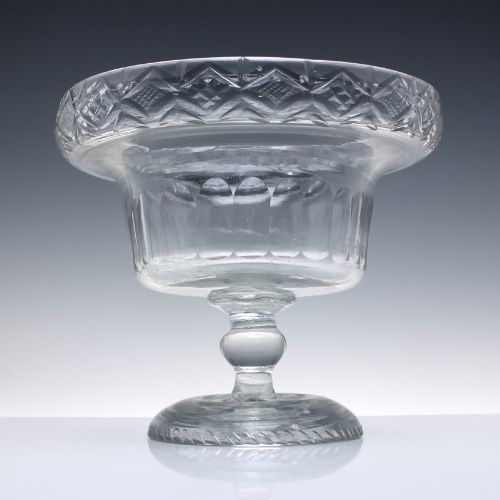
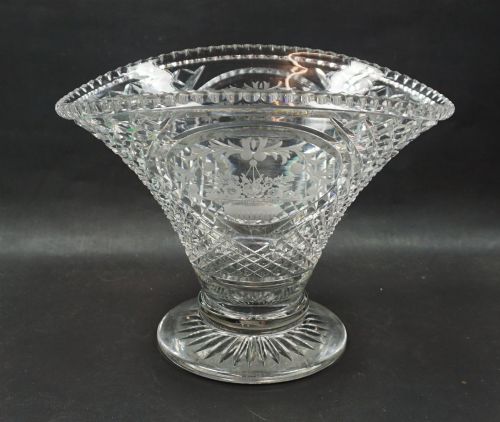
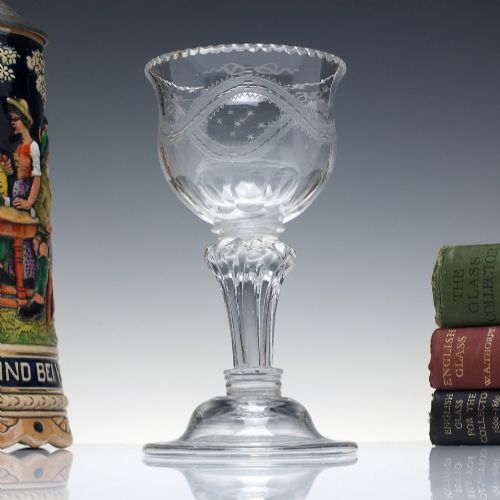
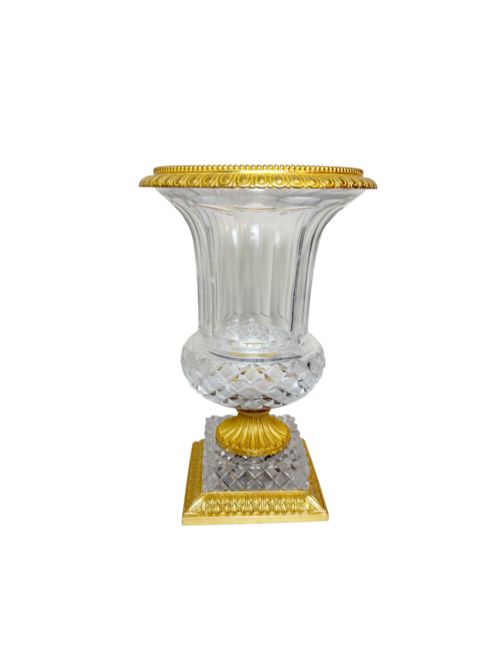
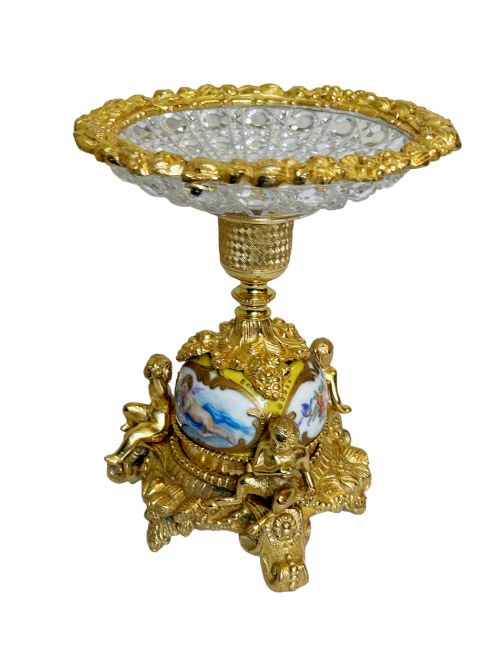
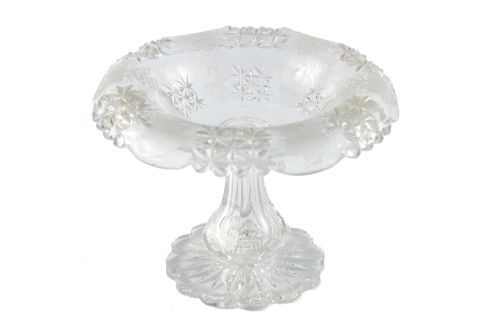
A cut crystal pedestal brings together elevated height and brilliant facets, creating a focal point on any surface. When searching for a cut crystal pedestal, collectors encounter forms ranging from standing bowls and comports to tazzas and sweetmeat jars.
The pieces on this page span several eras, with Georgian and Victorian examples appearing most frequently. Makers from these periods utilised lead glass and clear glass to construct pedestal stands, centrepieces, and lidded vases.
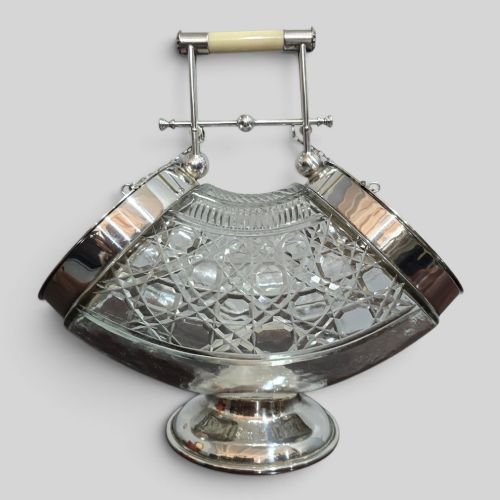
Object types include decorative bowls, urns, and biscuit barrels raised on distinct footed bases. Each form serves to lift the glass body, allowing light to pass through the cut and engraved decorations.
Materials and construction methods
Craftsmen relied on heavy lead crystal and clear glass, blown by hand before undergoing deep facet cutting and wheel engraving. This combination of high-lead content and manual manipulation yields the sharp refraction and substantial weight characteristic of the period.
Many items incorporate mounts or trim in gilt bronze, silver plate, or Dutch silver, secured to the glass body. These metal elements provide structural support and contrast with the brilliant transparency of the lead glass.
Cut Crystal Pedestal Retail Price Guide 2026
Typical asking prices for cut crystal pedestal among the pieces listed under this phrase on Sellingantiques today, from the lower quarter to the upper quarter. They describe what is for sale here now, not the wider market.
Factors influencing quality
The clarity of the material and the crispness of the cutting define the upper tier of these objects. Superior examples display deep, precisely executed hobnail or geometric patterns that catch light cleanly without blurring.
Proportion and the integration of secondary materials such as gilt bronze mounts or silver plated fittings determine distinction. Pieces where the glass and metal components balance harmoniously command greater attention from discerning buyers.
Webb England·Christofle et Cie·Waterford
The Cut Crystal Pedestal Glossary
- Comport
- A shallow bowl raised on a high foot or pedestal, typically used for serving fruit or sweets at the table. These vessels often feature heavy cut crystal patterns.
- Sweetmeat jar
- A covered container designed to hold confections, sweets, or preserved fruits during formal dining. They frequently appear with matching lids and pedestal bases.
- Tazza
- An ornate pedestal plate or shallow bowl used for display or serving. Victorian and Georgian examples often combine etched designs with lead crystal.
- Hobnail
- A raised, pointed decorative pattern cut into the surface of glassware, resembling the iron nails on heavy boots. This texture maximises light refraction across the piece.
- Trifle bowl
- A large deep vessel raised on a foot, intended for layered desserts. Georgian makers produced these in heavy cut glass.
Cut Crystal Pedestal: Frequently Asked Questions
What were pedestal bowls used for?
These elevated vessels held fruit, sweetmeats, or ornamental displays during formal dining.
Placing them on a table added height and caught candlelight through their cut facets.
How do I identify Georgian glass?
Georgian pieces often exhibit darker metal tones, heavier weight, and hand-cut facets with slight irregularities.
Look for pontil marks on the base and traditional forms like standing bowls or sweetmeat jars.
Are these pieces made of lead crystal?
Many examples utilise heavy lead crystal or lead glass to achieve greater brilliance and depth.
This material allowed artisans to cut sharper angles that refract light more intensely than standard glass.
How should I display a pedestal stand?
Position the piece where natural light or interior lamps can pass through the cut glass facets.
Keep them on stable dining tables or sideboards away from heavy traffic areas to ensure safety.