

Cut Crystal Drops
These cut crystal drops bring a sudden, hard flicker to a room, catching the day's last light and throwing it across the plaster.
Cut Crystal Drops
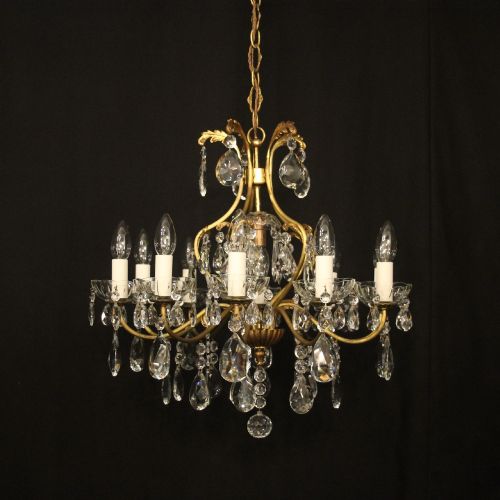
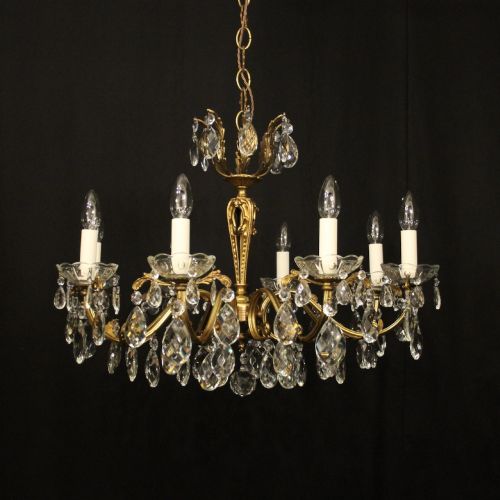
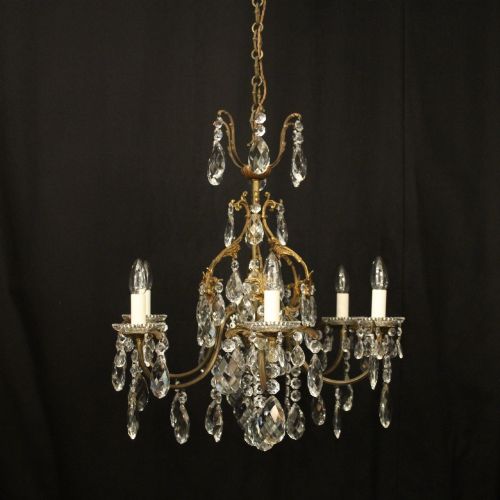
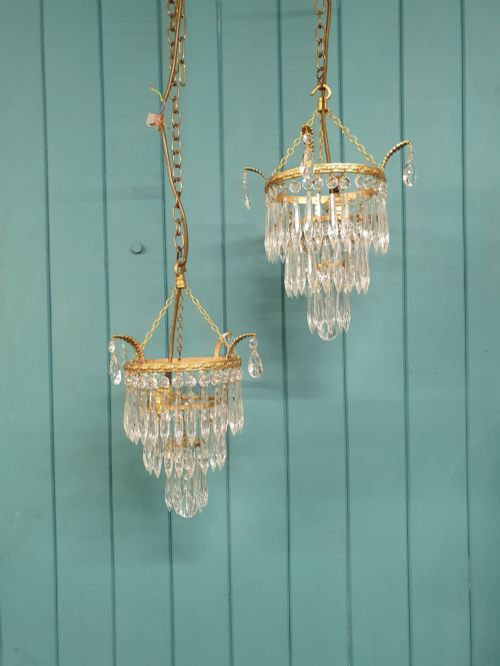
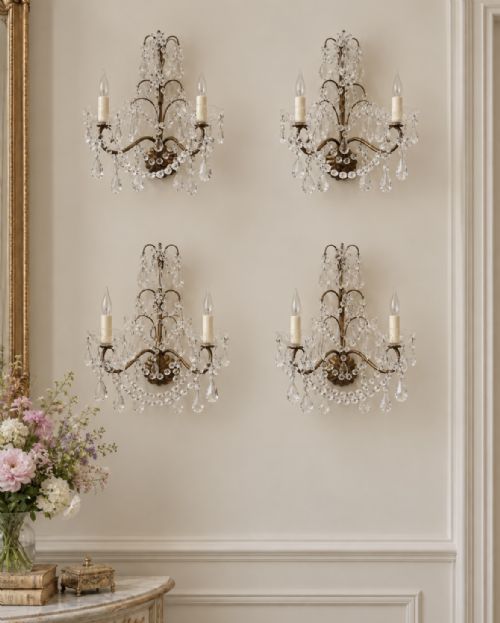
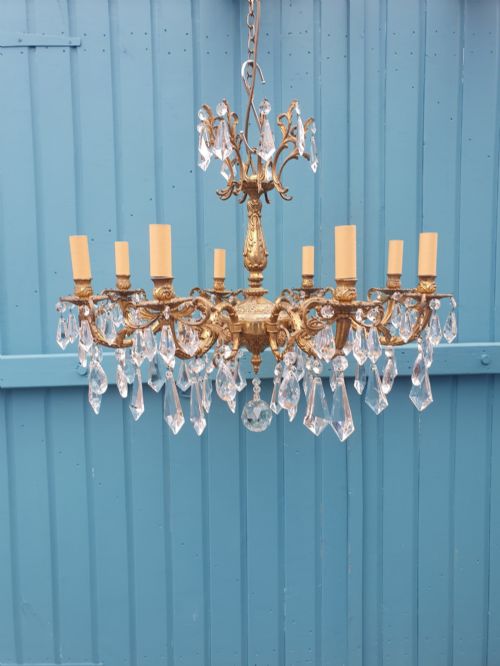
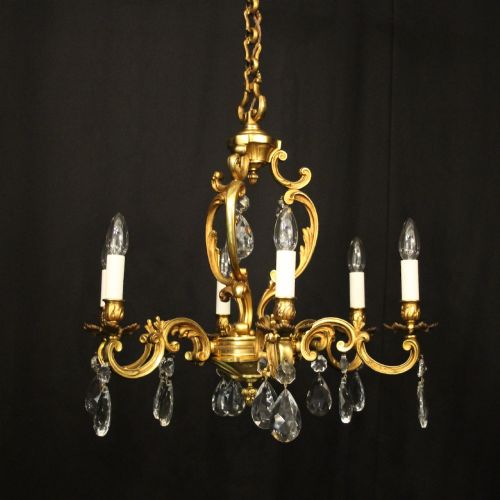
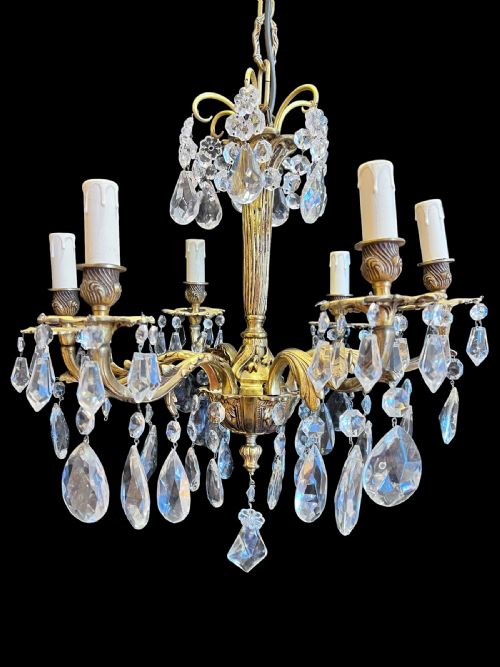
When you search for cut crystal drops, you are looking at the small, faceted pendants and prisms that catch and scatter light from chandeliers, wall lights, and mantel lustres. These pieces appear on this page across the Victorian, Edwardian, and twentieth-century periods, often attached to French, Italian, and English light fittings.
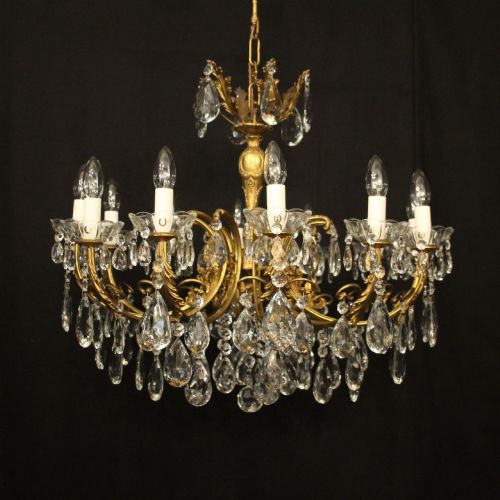
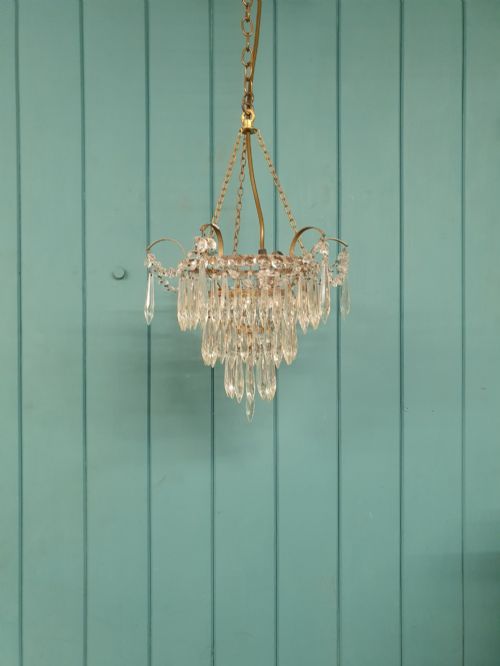
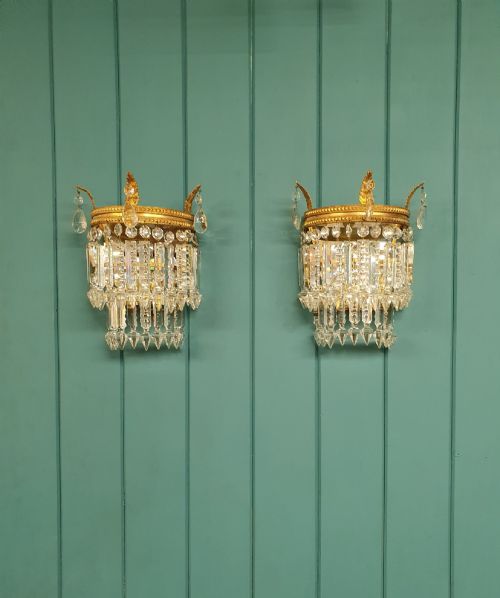
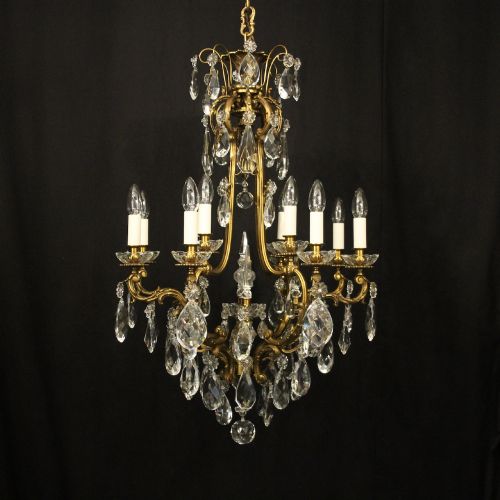
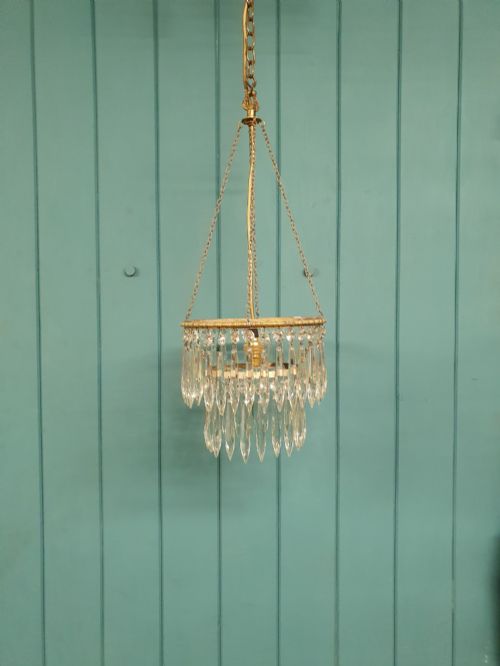
You will most frequently meet these drops hanging from brass, gilt bronze, or gilt brass chandeliers, though they also turn up on table candelabra and glass lustres. The forms range from small prisms and spikes on compact light fittings to elaborate tent and bag chandeliers and large multi-armed fixtures.
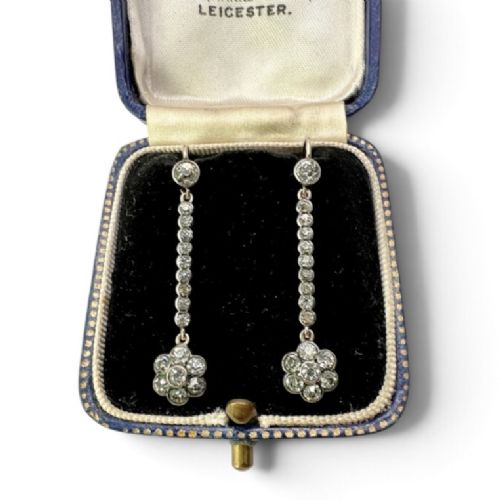
Beyond domestic lighting, the evidence shows these materials crossing into personal adornment, with cut crystal and glass appearing in period necklaces and drop earrings. Yet the core of what you find here remains architectural lighting designed to dominate a room from the ceiling.
How they were made
The components combine glass and crystal with metal mounts of brass, gilt bronze, gilt brass, and silver gilt. These metals form the structural frames, baskets, and arms that support the hanging elements.
The reflective elements themselves are shaped from glass and crystal, often hand cut to produce sharp facets that maximise refraction. Additional decorative touches include enamel and coloured glass in ruby, green, amber, and mauve hues.
Frames incorporate cast metal elements, such as spelter cherubs or leaf decorations, alongside wirework that secures the delicate prisms and crystal spikes into coherent tent and bag configurations.
Cut Crystal Drops Retail Price Guide 2026
Typical asking prices for cut crystal drops among the pieces listed under this phrase on Sellingantiques today, from the lower quarter to the upper quarter. They describe what is for sale here now, not the wider market.
French chandeliers occasionally sport amber and mauve glass fruits tucked between the crystals for an unexpected splash of colour.
What varies in quality
Quality rests in the crispness of the facet cutting and the clarity of the material itself. Superior drops use dense crystal that throws distinct light refractions rather than dull, muddy glass that mutes the beam.
The relationship between the metal armature and the hanging elements defines the overall execution. Heavy cast brass or gilt bronze frames with secure pin attachments represent a higher standard of construction than lighter, flimsier settings.
Design ambition separates basic utility fittings from grander examples. Elaborate configurations involving tiered tents, baskets, and integrated coloured fruit motifs demand greater skill in balancing weight and optical effect.
The Cut Crystal Drops Glossary
- Crystal
- A high-clarity glass containing lead oxide, which increases the weight and refractive index to create sharp flashes of light. This material forms the primary light-catching elements across the listed chandeliers.
- Lustre
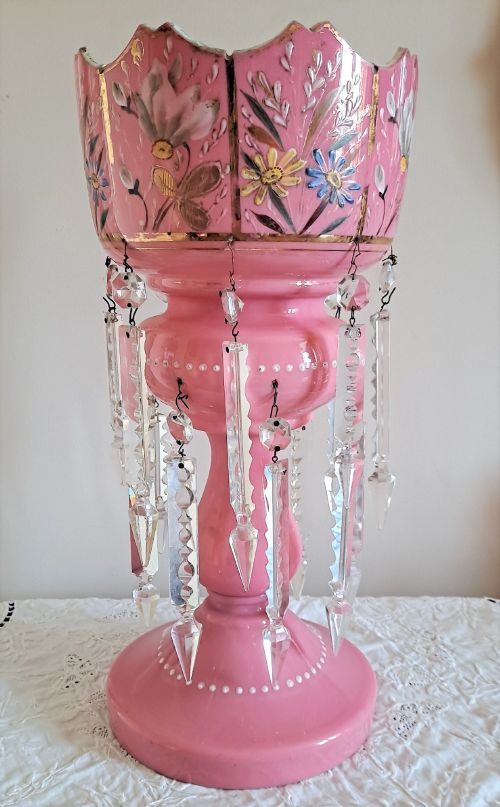
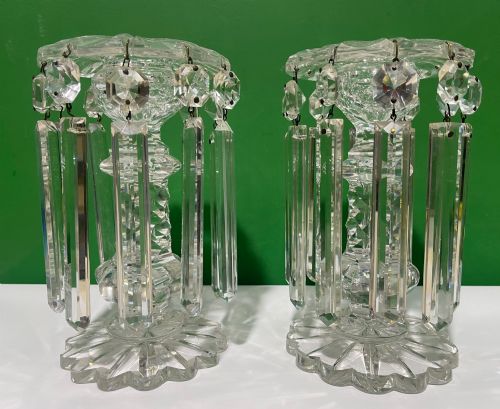
- A decorative tabletop candlestick or candelabrum hung with crystal pendants, or the pendant itself. These objects often feature coloured glass bodies in Victorian examples.
- Spike
- A long, sharp-profiled crystal drop used on smaller chandeliers to create a distinct silhouette. These linear elements hang directly from the lower framework.
- Tent and bag chandelier
- A lighting form featuring an upper umbrella-like tent of strings of beads dropping to a gathered bag shape underneath. This construction maximises the density of small crystal drops.
- Gilt bronze
- A copper and zinc alloy treated with a gold wash to give a rich, non-tarnishing metallic surface. It provides a stable, luxurious armature for heavy crystal arrangements.
Cut Crystal Drops: Frequently Asked Questions
How do I hang a chandelier with crystal drops?
Suspension requires a secure ceiling hook fixed directly into a joist, as these brass and bronze light fittings carry substantial weight. The electrical supply must be routed safely through the rose before the main frame is hoisted into position.
Once the primary metal structure is secure, the individual crystal drops and chains are hung by hand from their wire loops. This delicate final step ensures the prisms move freely without tangling.
What rooms suit a mantel lustre?
Mantel lustres suit reception rooms, drawing rooms, or deep mantelpieces where they can catch natural daylight from nearby windows. Their upright form makes them effective decorative objects even when unlit.
Placing them away from heavy foot traffic protects the dangling crystal drops from accidental knocks. They work well paired symmetrically at either end of a fireplace or on a sideboard.
How do I clean cut crystal drops safely?
Cleaning requires removing the drops from the frame if the fixings allow, using a mild solution of warm water and washing-up liquid. Harsh chemicals can damage the metal mounts or dull the surface of older glass.
Each piece should be dried individually with a lint-free cloth before being reattached to the chandelier. Leaving drops on the frame while cleaning risks chipping the glass against the metal arms.
Are these light fittings wired for modern use?
Many antique fixtures arrive with older wiring that requires replacement to meet modern safety standards. A qualified electrician can easily rewire the brass or bronze arms while preserving the external period appearance.
Checking the internal lamp holders ensures they accommodate contemporary bulbs without generating excessive heat near the antique glass. This update allows fragile fixtures to function safely in a modern home.