


Cut Crystal Dishes
Cut crystal dishes combine deep facets with polished mounts, offering tactile weight and historic brilliance for the table.
Cut Crystal Dishes
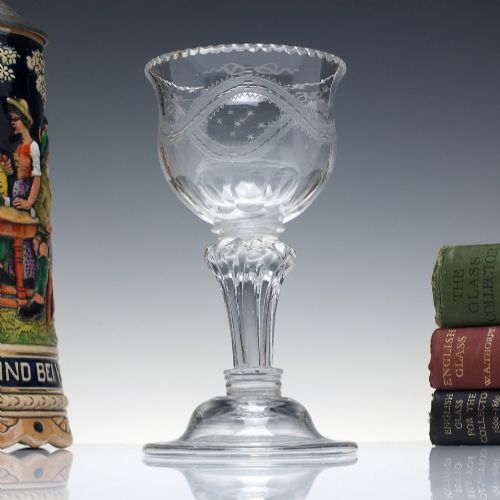
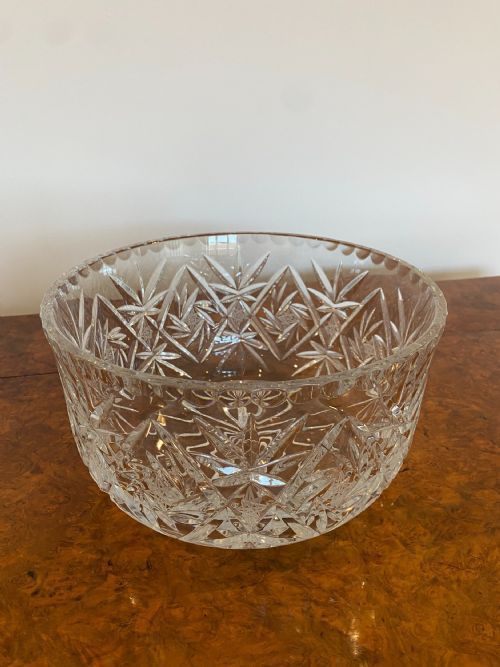
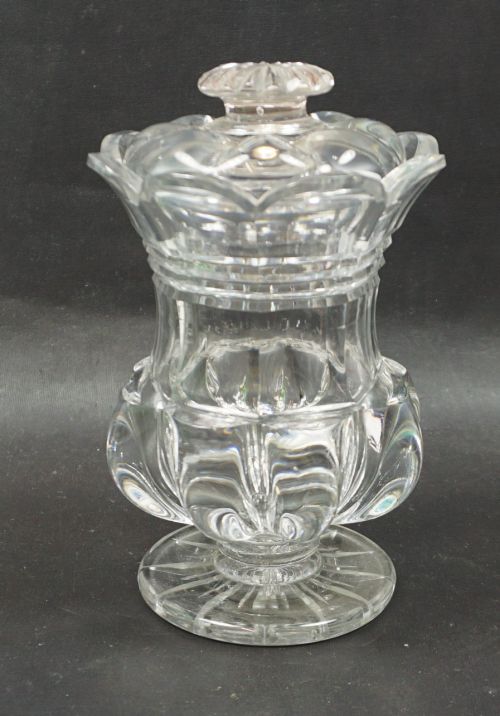
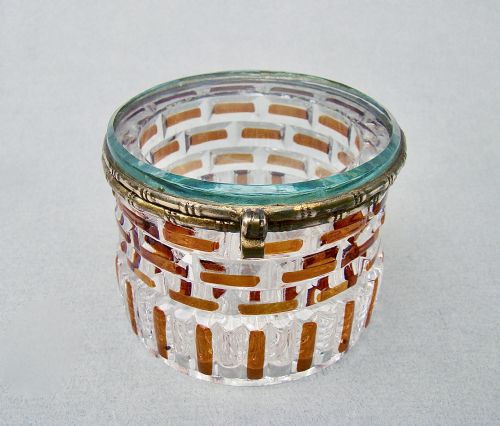
Cut crystal dishes include table centrepieces, decorative bowls, trinket boxes and butter dishes spanning the Georgian, Victorian and Edwardian periods. Buyers exploring cut crystal dishes will encounter everything from small vanity jars with silver tops to large fruit bowls and mounted tazzas.
Materials and construction
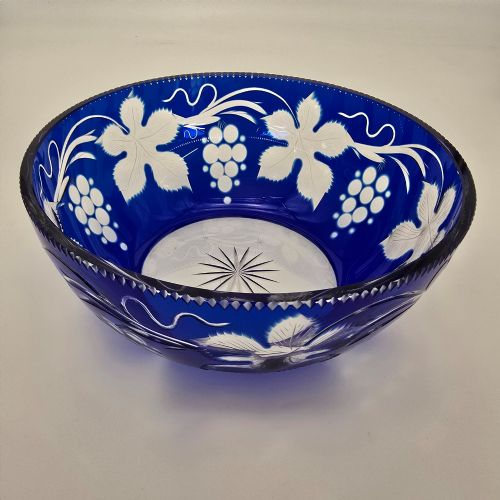
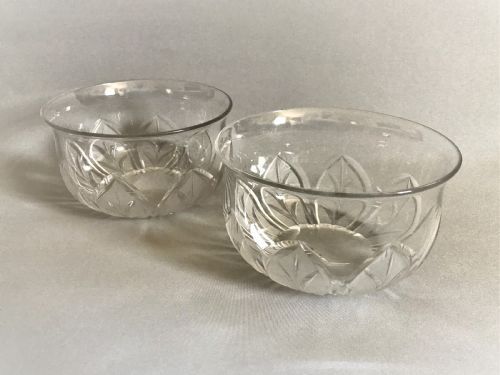
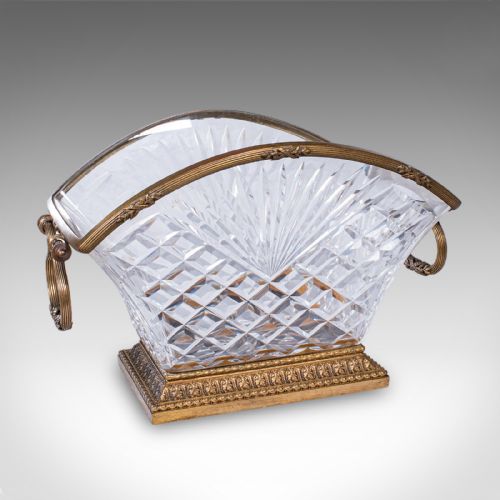
Makers formed these vessels using lead crystal or heavy cut glass, shaped by blowing or pressing before artisans applied wheels to cut deep geometric or floral facets. This cutting process created sharp prisms designed to catch and refract light across the surface.
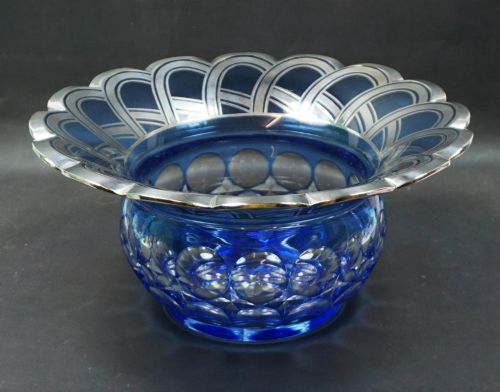
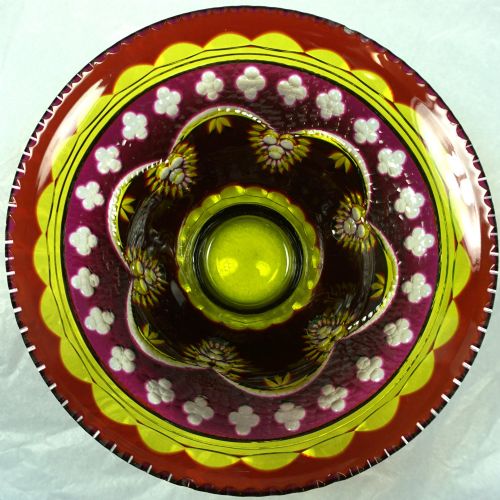
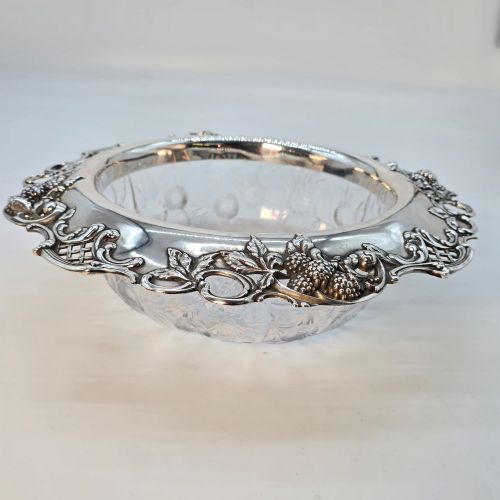
Metal mounts in sterling silver, silver plate, ormolu and gilt bronze were then fitted to rims, bases and hinged lids, occasionally secured with collars or movable wings. Coloured glass items utilised layered metal oxides to produce distinct hues beneath the clear cut exterior.
Cut Crystal Dishes Retail Price Guide 2026
Typical asking prices for cut crystal dishes among the pieces listed under this phrase on Sellingantiques today, from the lower quarter to the upper quarter. They describe what is for sale here now, not the wider market.
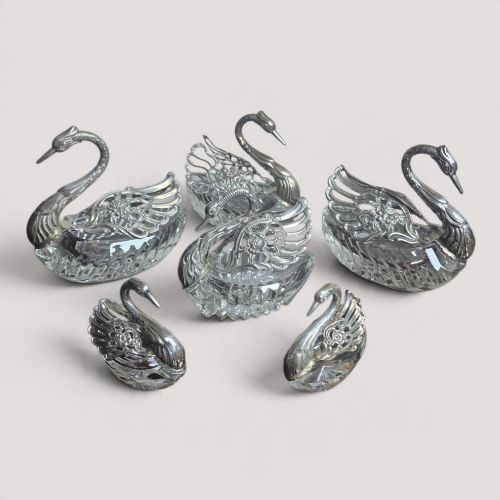
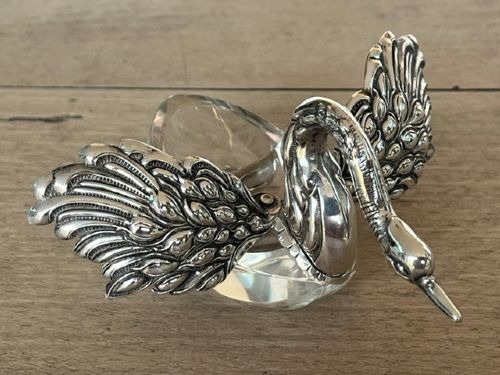
Some Victorian salt cellars take the form of metal-mounted swans with hinged wings that lift to reveal the crystal dish within.
Assessing quality and execution
Quality rests upon the crispness of the wheel-cut facets and the optical clarity of the underlying crystal, where superior pieces show sharp, clean edges without surface blurring. The weight and purity of the glass material dictate its resonance and light-gathering capability.
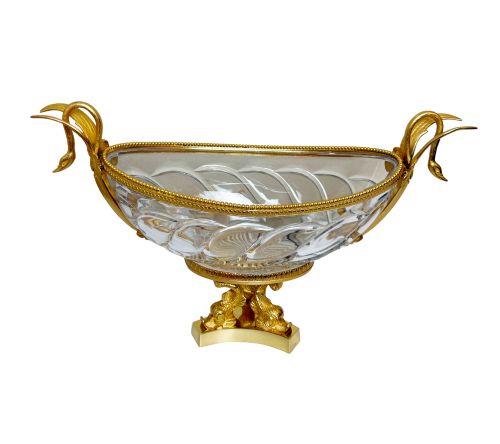
The integration of metalwork also marks the difference between standard production and exceptional studio output, with finely cast gilt bronze mounts or hallmarked silver adding substantial refinement to the finished vessel.
Baccarat·Tiffany and Co·Val St Lambert·Posen
The Cut Crystal Dishes Glossary
- Lead crystal
- Glass containing lead oxide, which increases the material weight, refractive index and softness for wheel cutting.
- Ormolu
- Gilt bronze mounts applied to furniture and decorative vessels, offering a rich golden finish alongside the glass.
- Tazza
- A shallow ornamental bowl raised on a stem and foot, used historically for serving fruit or sweetmeats.
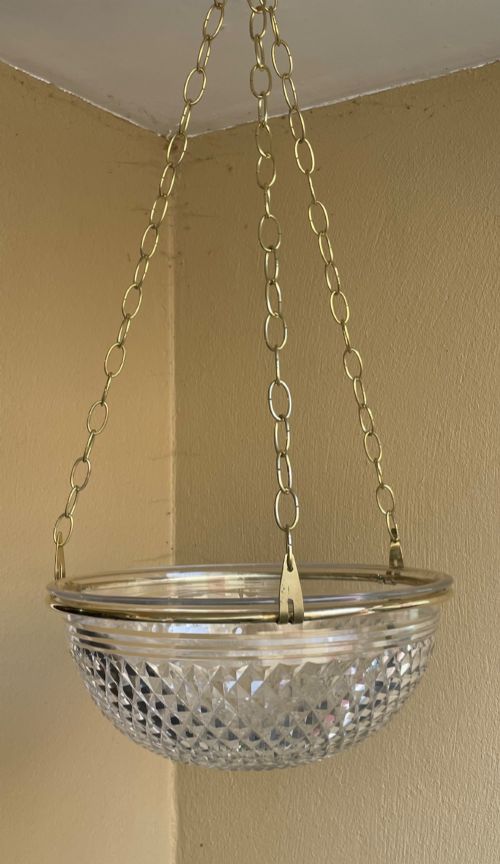
- Plafonnier
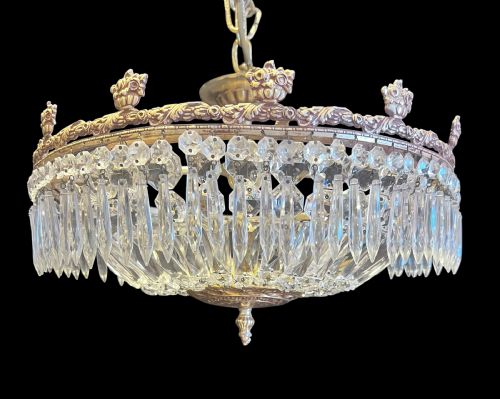
- A ceiling light fitting where a glass bowl or dish mounts directly against or close to the ceiling.
Cut Crystal Dishes: Frequently Asked Questions
How are cut crystal dishes cleaned safely?
Wash them gently in lukewarm water using mild detergent and line the sink with a soft towel to prevent chipping the heavy edges.
Avoid hot water and dishwashers entirely, as thermal shock can crack antique glass and harsh detergents will dull metal mounts.
Can these dishes hold food today?
Most glass bowls and dishes remain suitable for serving dry foods, fruit or sweets just as they were intended centuries ago.
Items featuring fragile silver-plated mounts, enamel work or delicate gilt bronze should be reserved for dry display or vanity use.
How do I date an antique dish?
Examine the cutting style, metal hallmarks and overall form, comparing them against known Victorian, Georgian or Art Deco design patterns.
Silver mounts often bear assay stamps and date letters that pinpoint the exact year of manufacture.
What is the difference between glass and crystal?
Crystal contains a proportion of lead oxide, which gives the material a heavier feel and superior light-refracting properties compared to standard glass.
This higher density allows artisans to cut deeper, sharper facets without compromising the structural integrity of the vessel.