




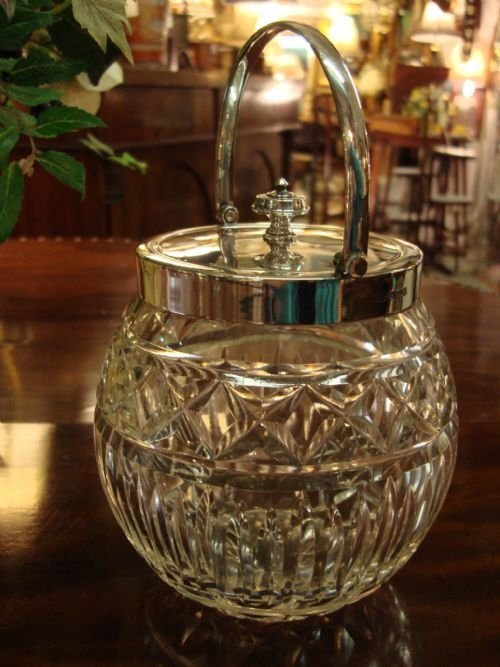
Cut Crystal Container
These cut crystal container examples offer heavy lead glass and precious metal mounts for dressing tables and tea tables alike.
Cut Crystal Container
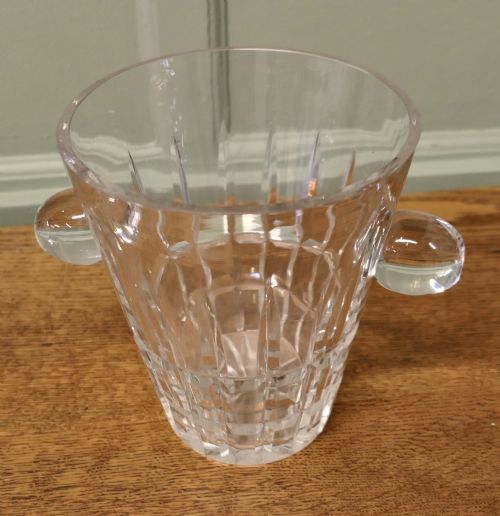
A cut crystal container brings together heavy glass and metal mounts in forms designed for biscuits, tea, sweets, and vanity use. When you search for a cut crystal container, you encounter heavy Victorian biscuit barrels, Edwardian boxes, and Art Deco ice buckets.
The objects on this page span the Georgian, Victorian, Edwardian, and Art Deco eras, alongside George V pieces. Biscuit barrels and vanity jars dominate the selection, accompanied by ice buckets, tea caddies, and sweet bowls.
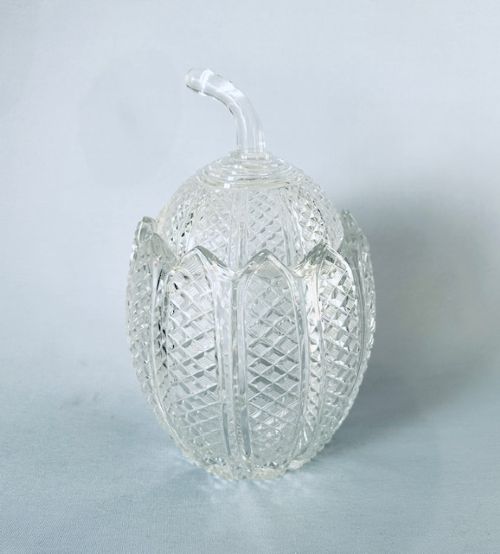
Makers housed these vessels in silver plate, sterling silver, Dutch silver, and tortoiseshell lids. The glass ranges from plain cut crystal to hobnail patterns and novelty melon shapes.
How they were made
Craftsmen shaped these vessels from lead crystal and glass, employing deep wheel-cutting techniques to create faceted patterns like hobnails. The heavy body required skilled blowing and meticulous polishing to achieve clarity and sharp refraction.
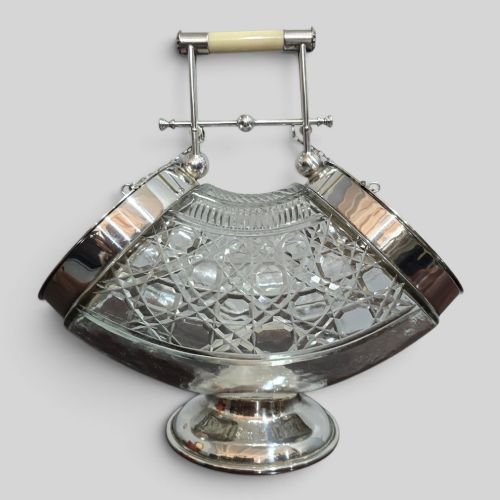
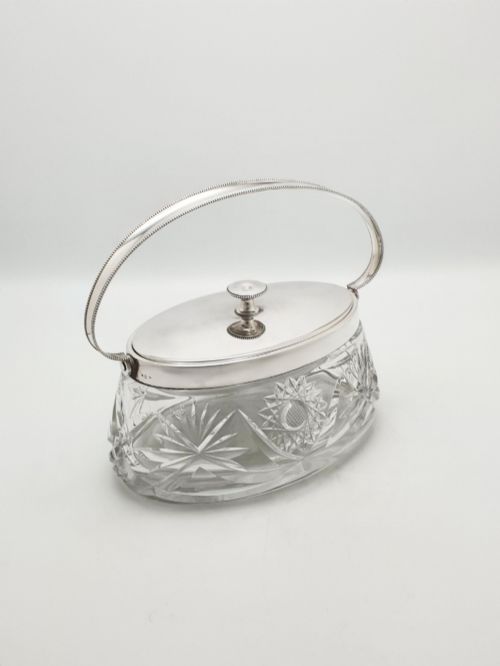
Metalworkers fitted the glass bodies with collars, handles, and lids cast in sterling silver, silver plate, or Dutch silver. Some pieces incorporated organic materials such as tortoiseshell or featured cast metal finials like heraldic dragons.
Cut Crystal Container Retail Price Guide 2026
Typical asking prices for cut crystal container among the pieces listed under this phrase on Sellingantiques today, from the lower quarter to the upper quarter. They describe what is for sale here now, not the wider market.
What varies in quality
Quality rests in the crispness of the glass cutting and the weight of the metal mounts. Deep, sharp facets catch the light cleanly, whereas softer cutting indicates hurried production.
The substance of the silver mounts and the intricacy of details like hinged handles or cast finials separate standard vessels from finer specimens. Maker attribution, such as work by James Dixon and Sons or Hoffman, elevates a piece further.
James Dixon and Sons·Hoffman
The Cut Crystal Container Glossary
- Hobnail cut
- A raised, pointed pattern cut into glass resembling the hobnails on stout boots. This dense facet work maximises sparkle.
- Biscuit barrel
- A covered vessel designed to hold dry biscuits or small cakes on the dining table. They frequently feature swing handles and silver-plated rims.
- Sterling silver
- An alloy containing ninety-two point five percent silver by mass. British pieces carry hallmark stamps verifying this standard.
- Tea caddy
- A container built to store dry tea leaves securely away from moisture. Examples in this range pair cut crystal bodies with fitted metal lids.
Cut Crystal Container: Frequently Asked Questions
What were cut crystal biscuit barrels used for?
These lidded vessels sat upon the Victorian or Edwardian dining table to hold dry biscuits during tea service. The heavy glass kept the contents fresh while the swing handle allowed easy passing among guests.
Craftsmen often added silver-plated or sterling silver mounts to elevate the presentation for formal dining rooms.
How do I date a cut crystal container?
Dating relies on a combination of the cutting style, the metal mounts, and any accompanying hallmarks. Georgian and Victorian pieces show deep hand-cutting and ornate finials, while Art Deco items favour geometric lines.
Silver mounts frequently bear assay office marks and date letters that pinpoint the exact year of manufacture.
What is the difference between glass and crystal?
Crystal contains lead oxide, which adds weight, brilliance, and a resonant ring when tapped. Plain glass lacks this specific content and feels lighter in the hand.
Cut crystal containers utilise this lead content to hold sharp, deep facet cuts that refract light intensely.
How should I clean my vanity jar?
Wash the glass body gently in lukewarm water using mild detergent and a soft cloth. Avoid harsh scrubbing on any silver mounts or tortoiseshell lids.
Dry the metal components immediately to prevent tarnishing or moisture damage to organic elements.