




Curved Pocket Flask
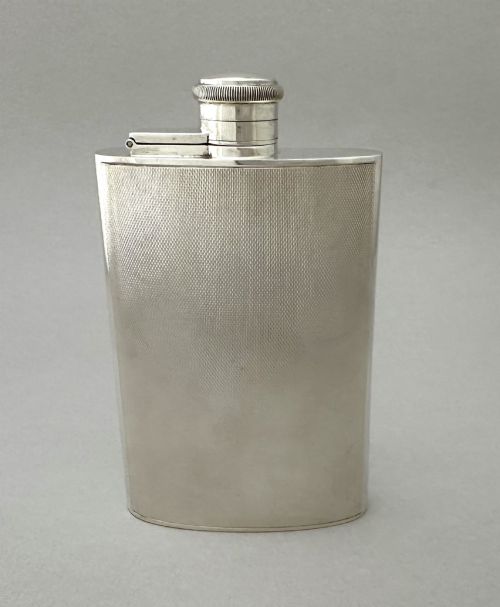
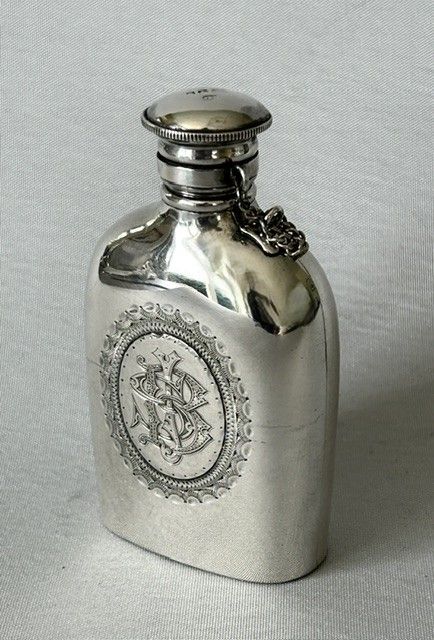
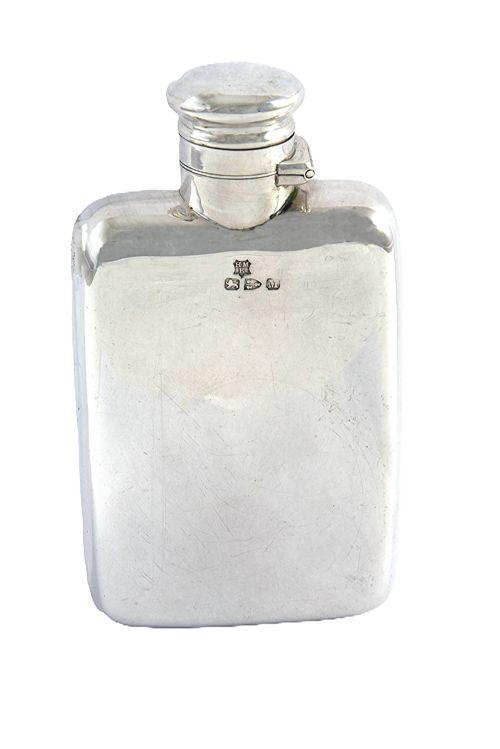
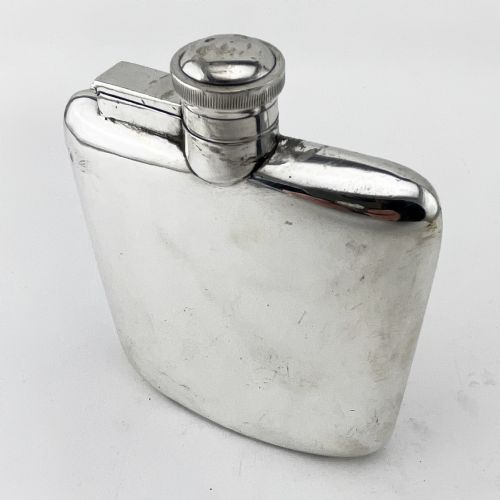
These curved pocket flask examples span Victorian times to the Art Deco era, offering tactile silver and horn pieces designed to slip discreetly into a pocket.
Curved Pocket Flask
A curved pocket flask is a portable container designed to fit comfortably against the body, frequently appearing as a hip flask or snuff mull in the records. These items emerge from the Victorian period through the Edwardian years and into the 1940s, reflecting changing social habits across decades.
Object types range from standard hip flasks to smaller snuff boxes and combined liquor containers, all sharing the distinctive ergonomic curve. Dating spans from the late nineteenth century through to the mid-twentieth century, showing sustained production across multiple eras.
Materials and construction methods
Makers shaped sterling silver and general metal into arched bodies, incorporating secure closures such as bayonet caps to prevent leaks during travel. Silver surfaces often remained plain to highlight the metal's natural lustre, whilst other pieces integrated clear glass bodies bound in silver mounts.
Organic materials such as Scottish horn were shaped and polished to create traditional snuff mulls, utilising the natural grain and texture of the material. Metalworking techniques of the period ensured tight seals and durable hinges suited to daily carriage.
Curved Pocket Flask Retail Price Guide 2026
Typical asking prices for curved pocket flask among the pieces listed under this phrase on Sellingantiques today, from the lower quarter to the upper quarter. They describe what is for sale here now, not the wider market.
Distinctions in quality and execution
Quality in a curved pocket flask rests on the crispness of the metal forming, the reliability of the cap mechanism, and the integrity of any hallmarks present. Pieces produced by documented silversmiths demonstrate superior weight in the silver and cleaner execution of geometric or traditional motifs.
The sophistication of the closure, such as a well-fitted bayonet cap, distinguishes finer examples from simpler utilitarian vessels. Material selection also plays a part, where unblemished horn or heavy gauge sterling silver elevates the tactile experience of the piece.
William Neale
The Curved Pocket Flask Glossary
- Bayonet cap
- A secure bottle cap secured by a push-and-twist motion. This mechanism provides a tight seal suitable for liquid containers carried in pockets.
- Sterling silver
- An alloy consisting of silver and other metals, typically copper, standardised for durability. Most silver flasks on this page utilise this metal.
- Snuff mull
- A traditional Scottish container used for holding powdered tobacco. These pieces are frequently fashioned from animal horn.
- Hallmark
- An official stamp applied to precious metals indicating purity and origin. Chester assay marks appear on Victorian examples here.
Curved Pocket Flask: Frequently Asked Questions
What is a curved pocket flask used for?
These vessels were historically carried in pockets to transport personal quantities of spirits or tobacco for immediate access during travel or outdoor pursuits. The curved profile allowed the container to rest snugly against the owner's hip.
Over time, these objects transitioned from practical everyday accessories into decorative items collected for their metalwork, historical association, and craftsmanship.
How do I date an antique flask?
Dating relies heavily on hallmarks stamped into the silver, which indicate the assay office, the year of testing, and the silversmith's mark. Stylistic indicators, such as Art Deco geometric lines or Victorian ornamentation, also narrow down the period of manufacture.
Unmarked materials like horn require stylistic analysis and comparison with documented forms from the nineteenth century to establish an approximate date.
Are these flasks safe for holding liquids?
Whilst many sterling silver and glass flasks were originally constructed to hold liquor, historical pieces often require careful cleaning before modern use. The condition of internal seals and caps determines whether a piece remains watertight.
Many collectors choose to display these items as decorative antiques rather than utilising them for beverages today.
What styles are common in these flasks?
The primary styles represented are Victorian, Edwardian, and Art Deco, each bringing distinct aesthetic values to the metalwork. Victorian pieces often feature traditional detailing, whereas Art Deco examples favour sleek, streamlined surfaces.
Plain finishes remain popular alongside pieces incorporating textured Scottish horn or glass bodies.