


Curved French Mirror
A curved french mirror brings an unmistakable organic grace to a room, framing light with sweeping lines that soften linear interiors.
Curved French Mirror
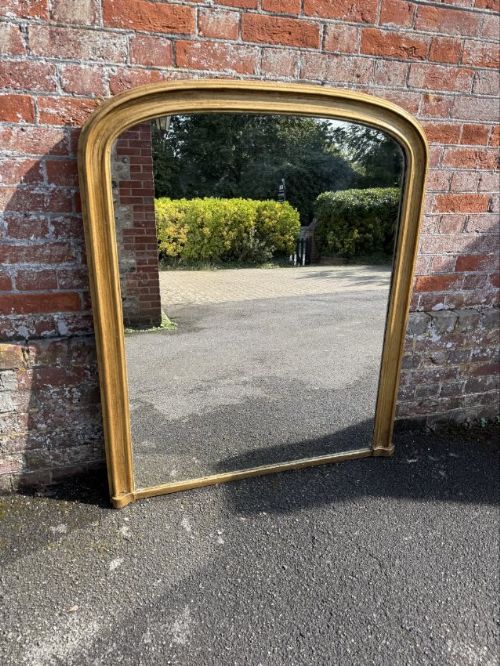
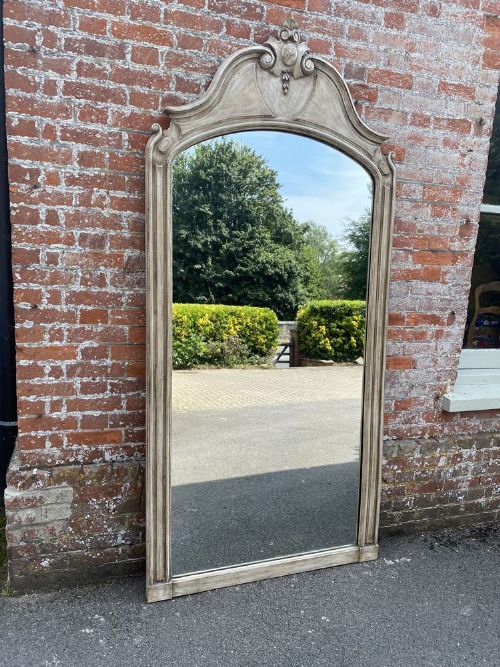
When you search for a curved french mirror, you encounter pieces defined by sweeping arches, shaped frames, and painted or gilded surfaces that reflect continental craftsmanship. The selection encompasses nineteenth-century wall mirrors and overmantels originating from French provincial or chateau contexts.
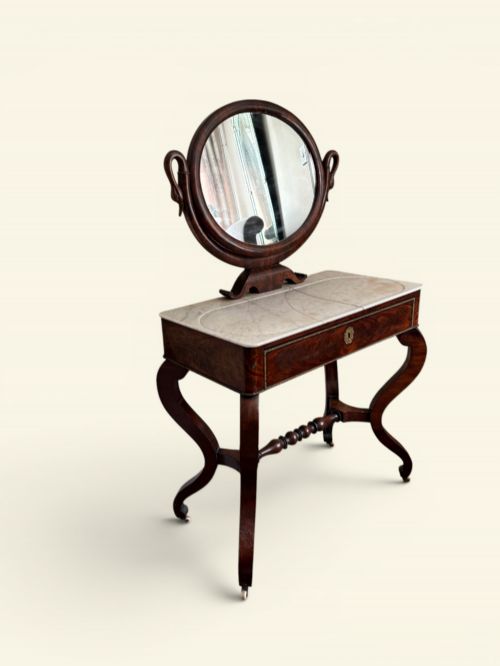
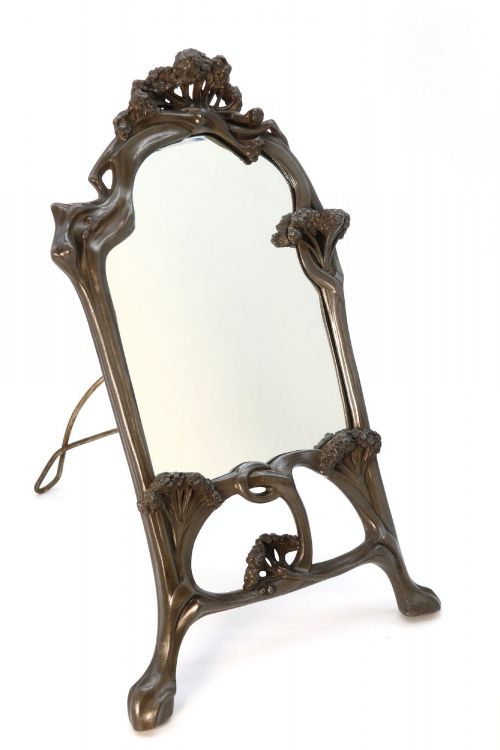
These items range from large arched wall pieces featuring carved wood and gesso to smaller table mirrors and dressing tables. The primary forms rely on distinctive curved tops rather than rigid rectangles, capturing period aesthetic movements from the eighteenth century through to Art Nouveau and Art Deco.
How they were made
Carpenters constructed the structural frames using timber such as oak, walnut, or applied wood compositions before building up decorative elements in gesso. Artisans then finished these surfaces with gold leaf, silvering, or traditional paint layers.
Mirrors incorporated flat or bevelled glass plates secured behind shaped bezels, whilst metal variants utilised cast brass, ormolu, and pewter. Decorative hardware like rams heads or inlaid details completed the construction.
Cast brass rams heads peer out from Hollywood Regency frames, guarding your reflection with aristocratic determination.
What varies in quality
The sophistication of the carved wood and gesso ornamentation dictates the calibre of a piece, separating hand-modelled depth from flat, mechanical moulding. Finer examples retain original gilding or authentic painted patination rather than later overpainting.
Structural integrity of the curved frame and the clarity of the original glass plate further distinguish superior examples. High-grade items display harmonious proportions where the sweep of the arch complements the overall scale.
Louis Auguste Moreau·Jean Faure
The Curved French Mirror Glossary
- Gesso
- A plaster-like mixture applied to wood frames to create a smooth surface for gilding or painting. This material allows artisans to carve intricate relief decorations.
- Overmantle Mirror
- A large mirror specifically designed to hang above a fireplace mantelpiece. These pieces frequently feature arched or shaped tops to fit architectural spaces.
- Ormolu
- Gilded bronze used for decorative mounts and hardware on furniture and mirrors. The technique involves applying a mercury-gold amalgam to cast brass or bronze.
- Serpentine
- A furniture front or frame edge that curves outward in the centre and inward at the sides. This contour adds dynamic movement to cabinets and tables.
Curved French Mirror: Frequently Asked Questions
How do I hang a heavy overmantle mirror?
Large overmantle mirrors require secure fixing directly into masonry or heavy wall studs using appropriate brackets.
Weight distribution across the wooden frame prevents warping and ensures the piece hangs safely against the wall.
Are these mirrors original to the nineteenth century?
Many examples date from the nineteenth century, utilising traditional construction methods like carved wood, gesso, and hand-applied finishes.
Examining the backboards, glass silvering, and wear patterns helps confirm the period of manufacture.
How do I clean an antique mirror glass?
Use a soft, dry microfibre cloth to gently remove dust from the glass surface without disturbing the frame.
Avoid harsh chemical cleaners that might seep behind the bevel and damage the antique silvering.
What rooms suit a curved top mirror?
Curved frames work well above mantelpieces, dressing tables, or console surfaces where their arched shape softens angular architectural lines.
Their reflective surfaces also amplify natural light in hallways and reception spaces.