





Curved Drawer Table
These curved drawer table pieces combine rich timbers and rounded fronts to bring practical surface space and subtle lines into any room.
Curved Drawer Table
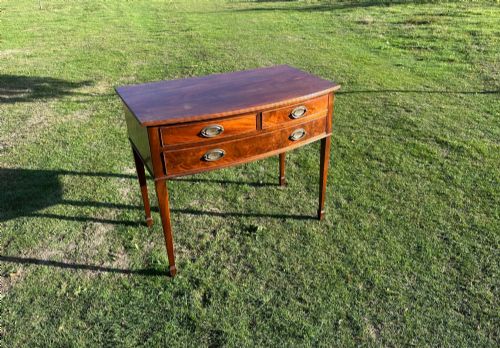
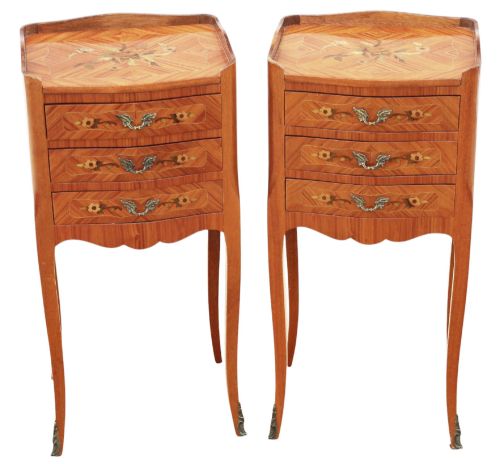
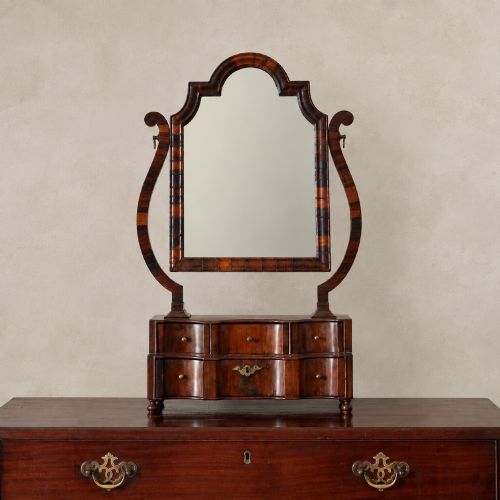
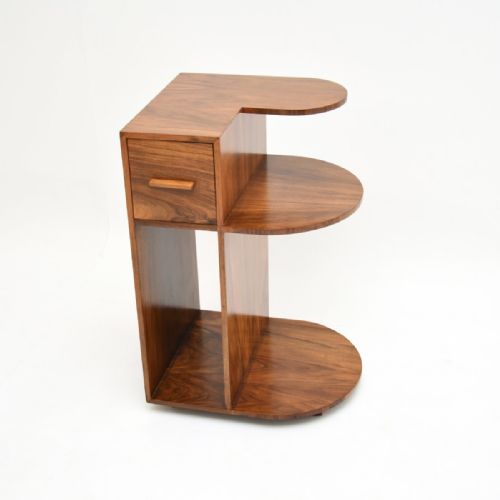
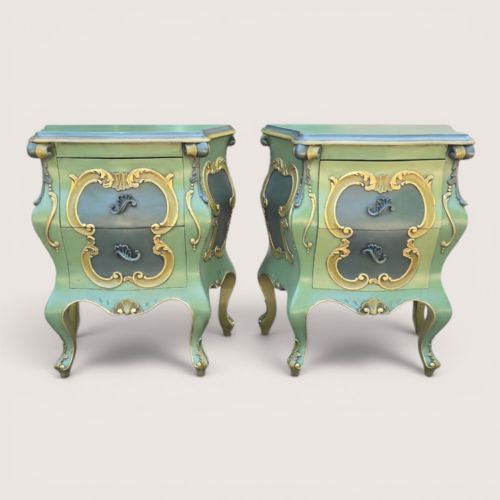
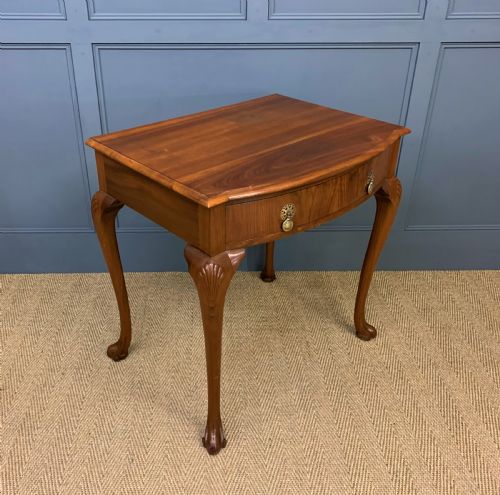
A curved drawer table encompasses forms such as bow front side tables, kidney shaped desks, and rounded bedside chests. These items appear across periods from the eighteenth century to the Art Deco era.
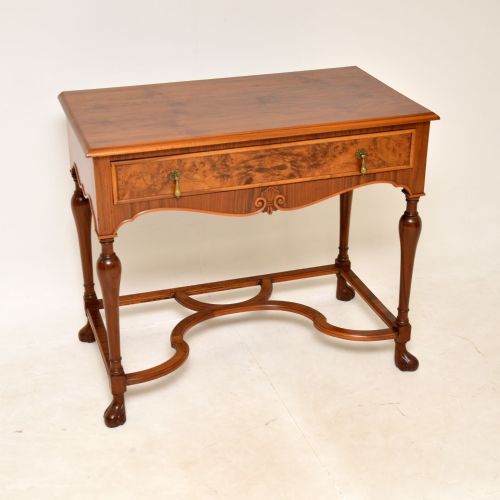
Buyers seeking a curved drawer table will most commonly encounter mahogany and walnut side tables or desks featuring bowed or rounded fronts from the nineteenth and twentieth centuries.
Materials and construction methods
Construction relies on solid timbers including mahogany, oak, and walnut, often enhanced with figured veneers such as burr walnut and satinwood. Makers shaped these woods to create the characteristic bowed profiles seen on drawers and tabletops.
Decorative details include brass hardware, marquetry work, and painted wood finishes, whilst structural support takes forms like bobbin legs and raised galleries.
Curved Drawer Table Retail Price Guide 2026
Typical asking prices for curved drawer table among the pieces listed under this phrase on Sellingantiques today, from the lower quarter to the upper quarter. They describe what is for sale here now, not the wider market.
The listings span from the eighteenth century to the Art Deco period, featuring mahogany, walnut, oak, and satinwood.
Assessing craftsmanship and execution
Quality rests in the selection of timber veneers, such as figured walnut or satinwood, and the precision of the curved drawer joinery. Finer examples show careful matching of wood grain across the bowed fronts.
Construction standards differ between standard production items and pieces bearing specific attribution to makers like Maurice Adams, the Bowman Brothers, or Gillows, where the finish and detailing show greater refinement.
Maurice Adams·The Bowman Brothers·Gillows
The Curved Drawer Table Glossary
- Bow front
- A convex, outwardly curved front section typical of certain side tables and chests. This shape softens the profile of the furniture.
- Veneer
- A thin layer of figured wood, such as burr walnut or satinwood, applied over a secondary timber base. It creates decorative patterned surfaces.
- Gallery
- A raised wooden or brass rail edging the top of a stand or table. It prevents items from sliding off the surface.
- Marquetry
- Inlays of different woods arranged in decorative patterns on furniture surfaces. This technique adds pictorial detail to French and English pieces.
- Kidney shaped
- A curved, asymmetrical desk or table profile resembling a kidney bean. It provides a recessed space for the user.
Curved Drawer Table: Frequently Asked Questions
What is a curved drawer table?
A curved drawer table is a piece of furniture featuring a rounded or bowed front incorporating one or more drawers. These designs include side tables, desks, and bedside chests.
They appear in various styles ranging from Georgian mahogany pieces to Art Deco walnut designs.
Where should I place this table?
These tables fit well in hallways, living rooms, and bedrooms as side tables, lamp tables, or compact desks. Their rounded fronts help them sit comfortably in tighter spaces.
They pair effectively with both traditional period interiors and twentieth-century decorative schemes.
How do I care for wood surfaces?
Maintenance involves dusting regularly with a soft, dry cloth and avoiding direct sunlight to protect polished mahogany and walnut veneers. Wax polish helps nourish older timber surfaces.
Keeping humidity stable prevents the wood and veneer from cracking or warping over time.
How can I tell the period?
Dating relies on timber selection, construction techniques, and stylistic markers such as hardware and leg shapes. Eighteenth-century and Georgian pieces often use solid oak or mahogany.
Twentieth-century examples, including Art Deco designs, frequently feature figured walnut veneers and distinctive geometric forms.