







Curved Ottoman
These curved antique ottoman examples offer distinctive seating options spanning multiple centuries and design movements, combining practicality with historical elegance.
Curved Ottoman
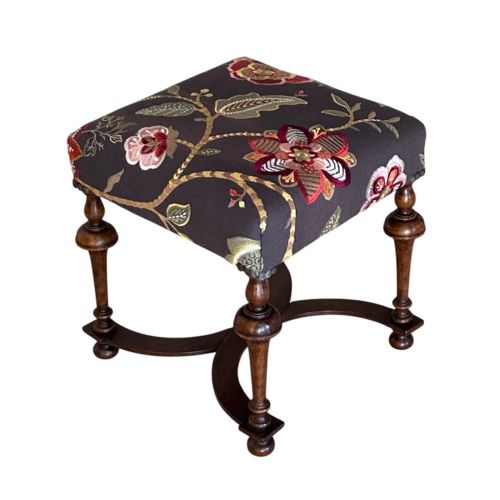
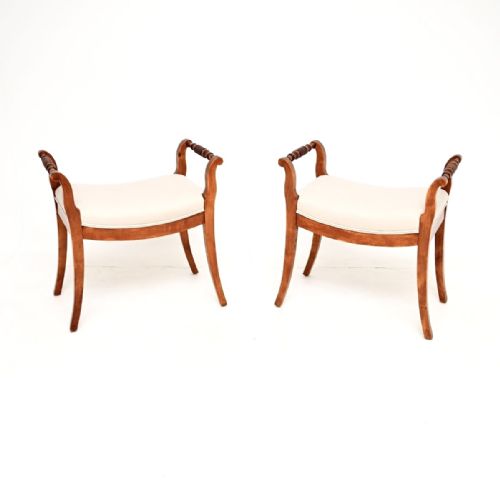
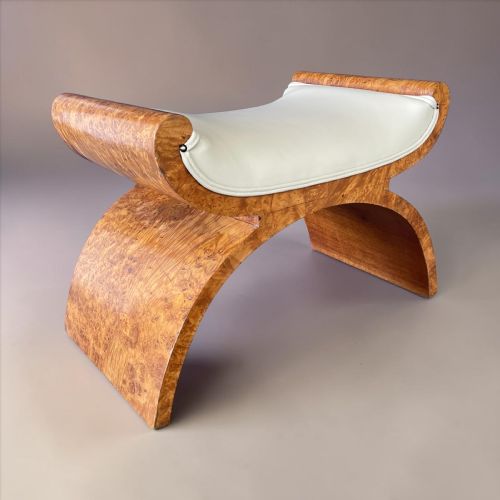
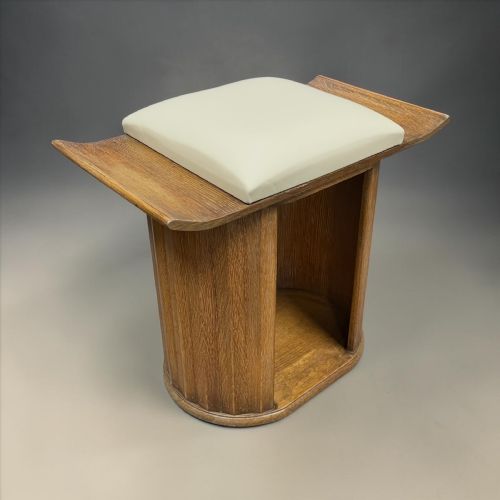
A curved antique ottoman comprises low seating forms such as stools, footstools, and benches dating from the nineteenth and early twentieth centuries. These pieces reflect diverse design traditions ranging from the Biedermeier period to Art Deco workshops.
The selections available here emphasise compact forms like X-frame stools and rocking footstools. Such pieces frequently utilise rich timbers like burr walnut, mahogany, and satin birch alongside upholstered surfaces.
How they were made
Construction relies upon traditional cabinet-making timbers including oak, satin birch, and burr maple, often shaped with curved lines to create distinctive frames. Frame construction varies from solid hardwoods to giltwood decoration.
Upholstery techniques incorporate durable materials such as leather and various decorative textiles. Surface finishes highlight natural wood grains, notably bird's eye maple and burr walnut.
Curved Ottoman Retail Price Guide 2026
Typical asking prices for curved ottoman among the pieces listed under this phrase on Sellingantiques today, from the lower quarter to the upper quarter. They describe what is for sale here now, not the wider market.
Listings feature items spanning the nineteenth century, Edwardian period, and nineteen thirty, incorporating materials such as leather, oak, and burr walnut.
What varies in quality
Quality differences emerge in the selection and preparation of cabinet timbers, where choice veneers like burr maple and satin birch display superior grain patterning. The precision of curved joinery and frame stability dictate the overall standard.
Artisanal execution separates standard workshop production from notable makers, particularly in pieces featuring carved giltwood or specific designer attributions. Upholstery finish and the preservation of original surfaces further distinguish finer examples.
Harry and Lou Epstein
The Curved Ottoman Glossary
- X-frame
- A structural furniture design featuring intersecting diagonal legs forming an X shape. This configuration appears frequently on nineteenth-century benches and stools.
- Giltwood
- Timber coated with a thin layer of gold leaf or gilt powder. This finish is common on Louis XVI style and nineteenth-century decorative footstools.
- Burr walnut
- A highly figured wood grain obtained from walnut tree growths, prized for decorative veneering. It yields rich patterns across period furniture surfaces.
- Biedermeier
- A central European design style from the nineteenth century prioritising clean lines and utilitarian comfort. Pieces from this era often utilise blonde timbers like satin birch.
Curved Ottoman: Frequently Asked Questions
What periods do these curved stools originate from?
The pieces span from the early nineteenth century through to the Art Deco era of nineteen thirty. This encompasses Regency, Victorian, Edwardian, and Biedermeier movements.
Each period brings distinct stylistic characteristics, from mahogany X-frames to streamlined maple and leather designs.
How were these low seating pieces typically used?
They served multiple functions in period interiors, acting as footstools before larger chairs or as occasional seating in parlours and dressing rooms. Rocking variants provided gentle movement for resting feet.
Compact dimensions allowed them to be easily moved around residential rooms as needed.
What materials predominate in these antique items?
Construction primarily involves solid woods and decorative veneers such as oak, mahogany, satin birch, and burr walnut. Giltwood surfaces also appear on specific decorative styles.
Upholstery materials commonly include durable leather and varied textiles to finish the seating surfaces.
How do design styles differ across the eras?
Early nineteenth-century pieces lean towards classical revival forms like Regency X-frame stools and Biedermeier satin birch work. Later nineteenth-century items introduce gilt decoration and rocking mechanisms.
Twentieth-century examples transition into clean Art Deco aesthetics utilising bird's eye maple and leather.