


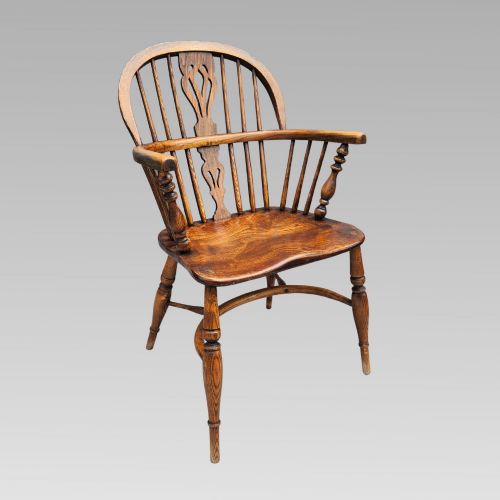


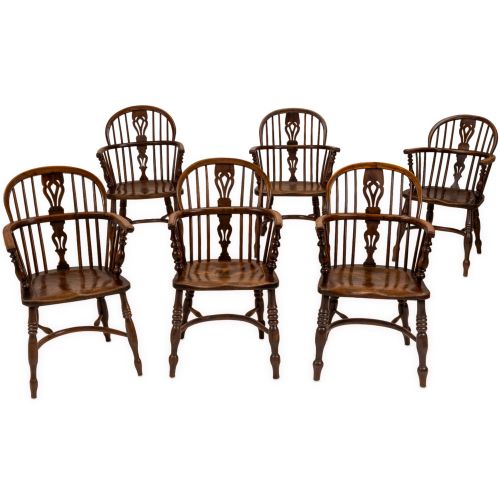


Crinoline Hoop Back Chair
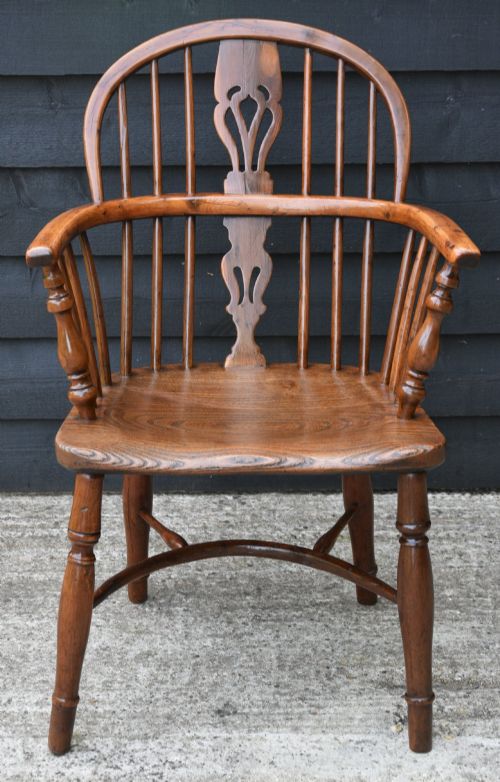
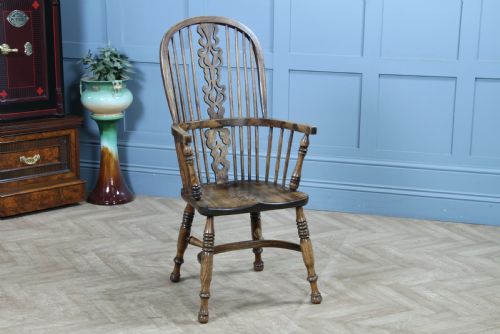
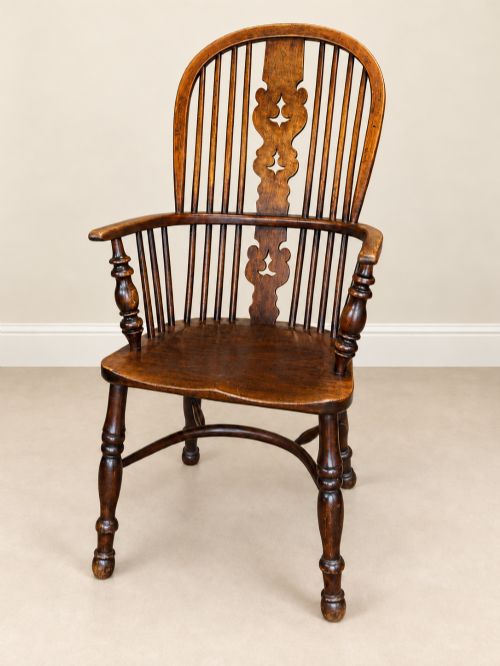
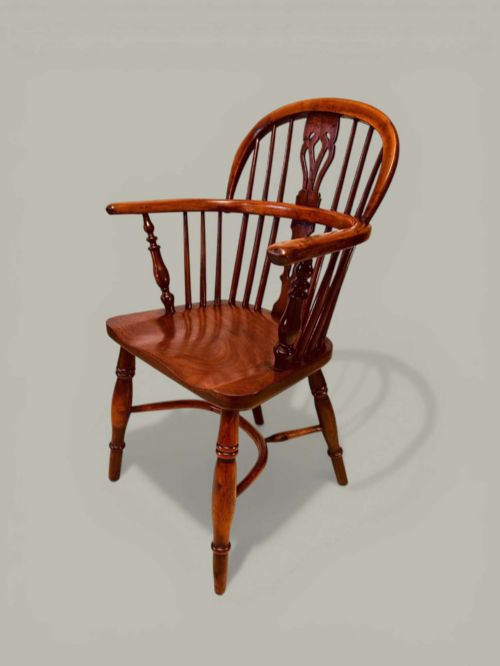
These crinoline hoop back chair pieces are timber vernacular armchairs offering exceptional seated comfort through shaped seats and bow backs.
Crinoline Hoop Back Chair
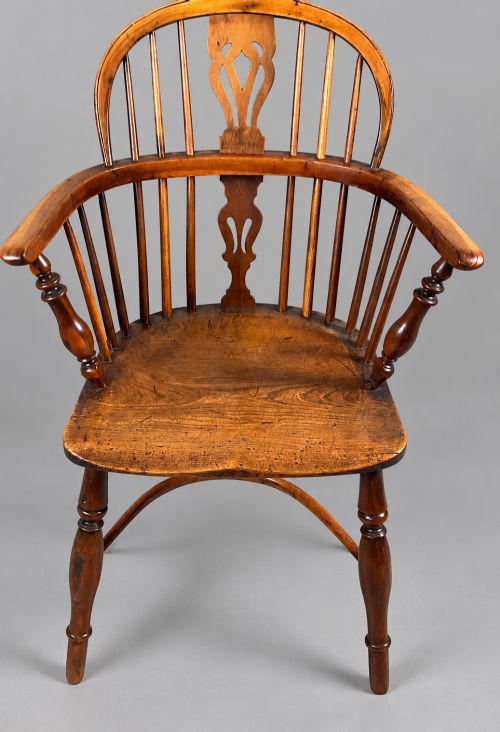
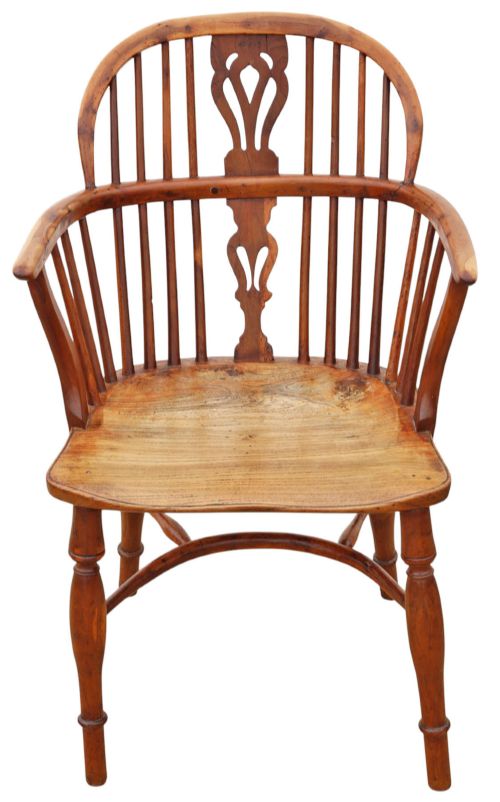
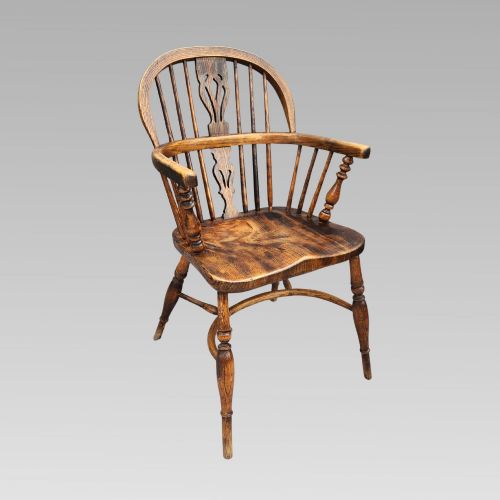
A crinoline hoop back chair is a traditional Windsor seating form featuring a distinctive bowed backrest supported by vertical spindles and joined by a curved stretcher below. The specimens seen here date primarily across the nineteenth century, spanning Victorian, Georgian, and rustic farmhouse styles.
Buyers will frequently encounter armchairs and carver elbow-chair variations constructed with low or high backs. These vernacular pieces originate predominantly from English country workshops, bringing structural integrity and honest timber character to domestic interiors.
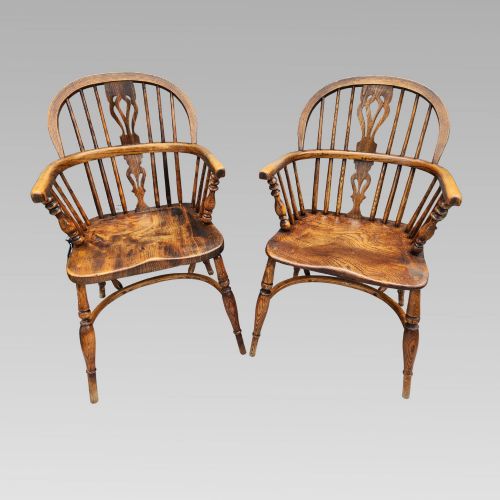
The form combines a solid sculpted wooden seat with steam-bent framework components. Variations include child seating and paired armchairs, all sharing the defining hoop profile and central crinoline bracing.
What varies in quality
Quality differences stem from the selection of timber grain, particularly the striking figuring found in mature yew wood and the depth of the sculpted elm seat. The precision of the steam-bent hoop and the elegance of the spindle turnings also distinguish finer workshop output.
The complexity of the undercarriage construction dictates distinction, where the presence of a well-formed crinoline stretcher rather than a simple H-stretcher elevates the piece. Maker attribution, through authentic stamps on the woodwork, further defines the standing of individual examples.
Crinoline Hoop Back Chair Retail Price Guide 2026
Typical asking prices for crinoline hoop back chair among the pieces listed under this phrase on Sellingantiques today, from the lower quarter to the upper quarter. They describe what is for sale here now, not the wider market.
The inventory includes matched sets and pairs originating from regional English country workshops and documented makers.
Fred Walker·Rockley maker·Allsop Worksop·Gabbitass of Worksop
The Crinoline Hoop Back Chair Glossary
- Crinoline stretcher
- A curved stretcher bracing the legs of a chair, named after the fashionable nineteenth-century hooped petticoat. It adds both rigidity to the frame and visual elegance.
- Windsor chair
- A wooden chair constructed with a solid sculpted seat into which the back and legs are separately socketed. These vernacular seats evolved across English rural workshops.
- Carver elbow-chair
- An armchair designed with generous arm supports, often used at the head of a dining table. The form provides comfortable lounging while maintaining upright posture.
- Spindle back
- A chair back composed of numerous thin, turned vertical wooden rods. These components distribute weight evenly across the curved hoop.
Crinoline Hoop Back Chair: Frequently Asked Questions
What is a crinoline stretcher?
A crinoline stretcher is an extra curved wooden brace connecting the legs beneath the seat. It resembles the shape of a Victorian hoop skirt and provides additional structural stability.
This curved brace helps prevent the legs from loosening over decades of daily use. On chairs featuring this detail, it serves as both a structural reinforcement and an attractive design feature.
How do I date a Windsor chair?
Dating involves examining the timber species, the tool marks on the underside of the seat, and the method of joining the components. Earlier nineteenth-century examples often feature dense yew wood and hand-carved saddle seats.
Construction details such as the profile of the spindles and the turning style of the legs also indicate the period. Pieces stamped with nineteenth-century workshop names offer more precise historical context.
Are these chairs comfortable for daily use?
These armchairs are surprisingly comfortable due to their ergonomically shaped wooden seats. The saddled elm base accommodates the body naturally without requiring deep upholstery.
While firm compared to modern cushioned seating, their supportive bow backs and generous arm rests make them practical for dining or desk work. Many buyers use them daily around kitchen or dining tables.
What woods were used to make them?
Maker workshops utilised native British hardwoods suited to specific structural demands. Elm was the preferred choice for the thick, sculpted seat because its interlocking grain resists splitting.
Flexible timbers such as yew, ash, and beech were selected for the steam-bent hoops and slender spindles. This combination of different woods ensured both resilience and visual contrast.