


Crimson Oriental Carpet
A crimson oriental carpet brings rich warmth to a floor, grounding a room with deep reds and intricate motifs woven across generations.
Crimson Oriental Carpet
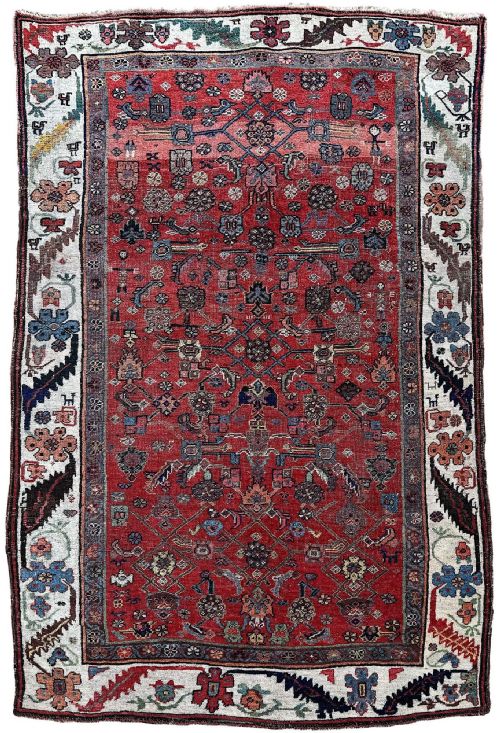
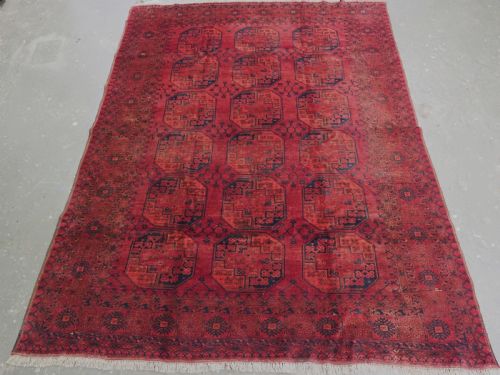
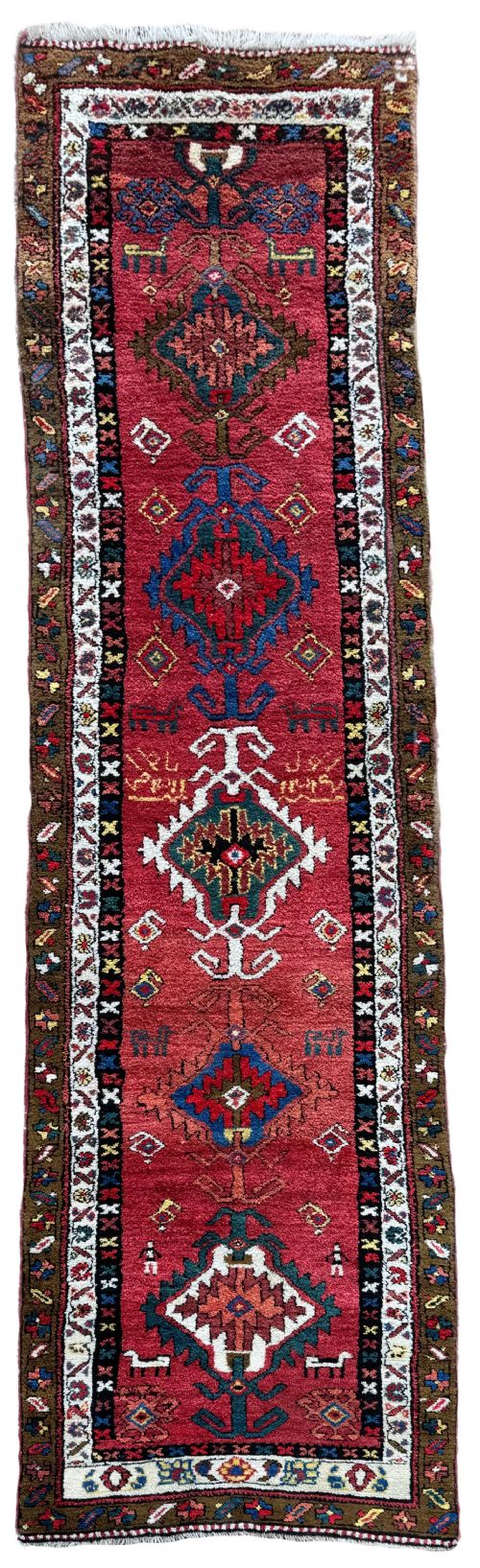
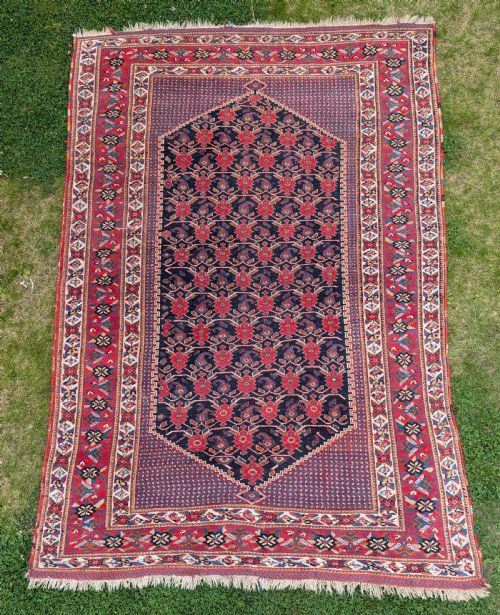
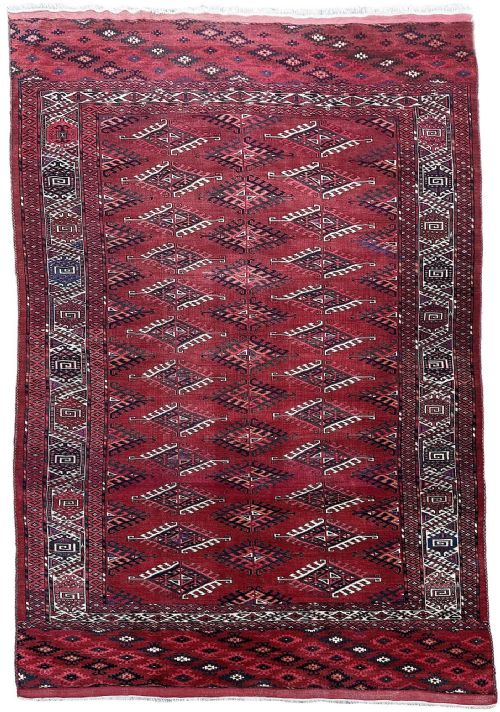
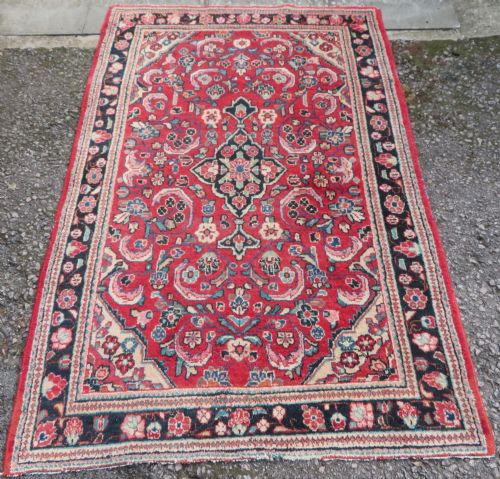
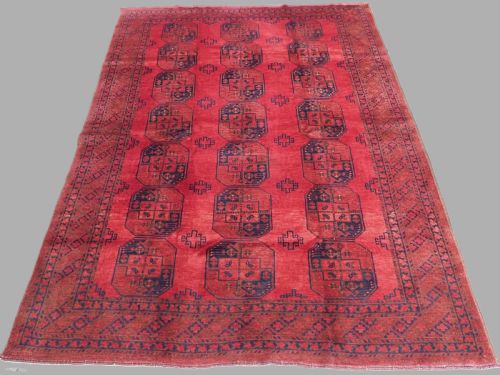
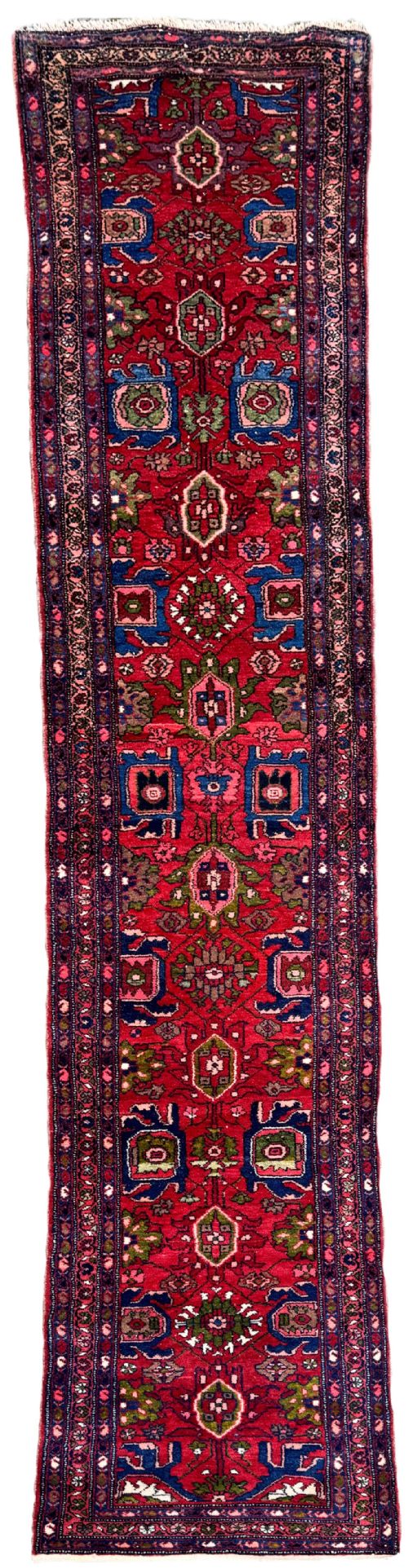
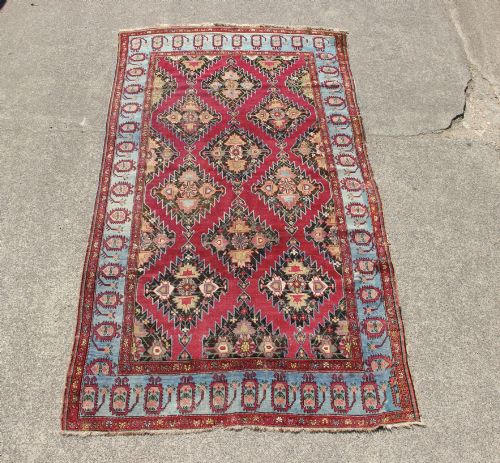
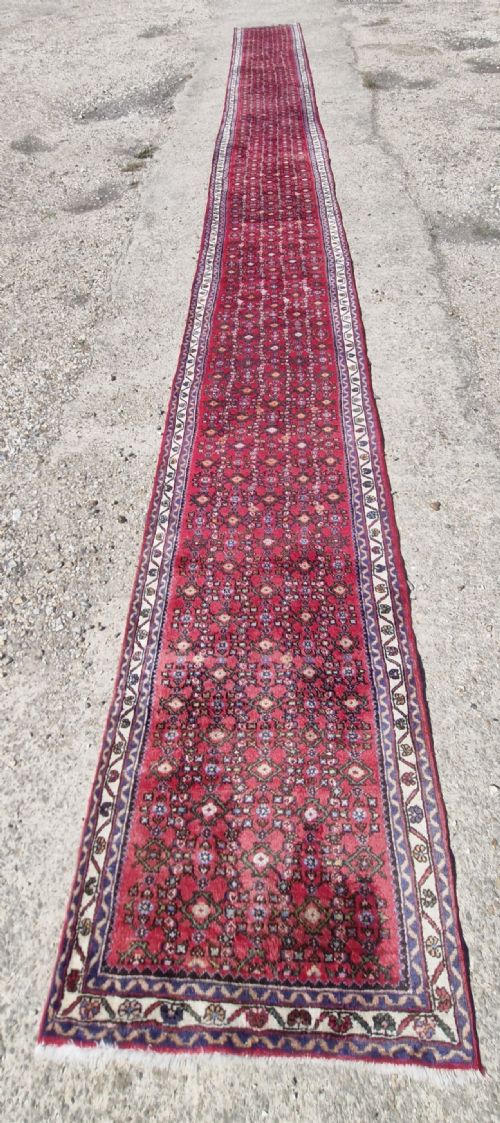
A crimson oriental carpet encompasses hand-knotted floor coverings and tribal textiles originating from Persia, Anatolia, and Central Asia. These textiles range from room-sized carpets and long runners down to smaller village rugs and utility bags.
The selection here draws primarily upon pieces produced between the mid-nineteenth century and the early decades of the twentieth century. Traditional workshops and nomadic tribes created these textiles for daily use or ceremonial display.
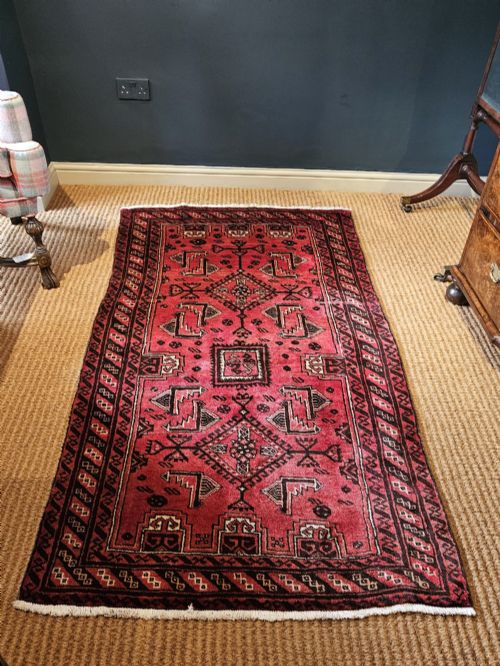
Persian city pieces sit alongside Turkmen tribal weaves and Anatolian village rugs on this page. Each regional group displays distinct geometric or floral layouts worked in deep red tones.
Materials and construction
Makers utilised wool, hand-spun wool, and pure wool as the primary pile material, occasionally incorporating cotton foundations and silk highlights. Natural dyes provided the characteristic deep reds and contrasting secondary hues found across these carpets.
The construction relies entirely on hand-knotting techniques performed on vertical or horizontal looms. This dense knotting method secured the wool to the warp and weft threads, producing textiles durable enough to withstand decades of foot traffic.
Nomadic weavers sometimes included small intentional errors in geometric borders to ward off the evil eye.
Variations in quality
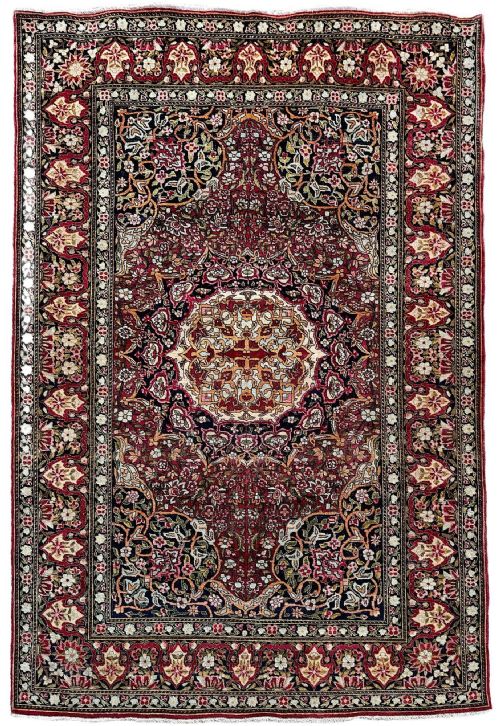
Quality rests upon the fineness of the knotting and the precision of the design execution. Tighter knots permit sharper detail within floral medallions or tribal guls.
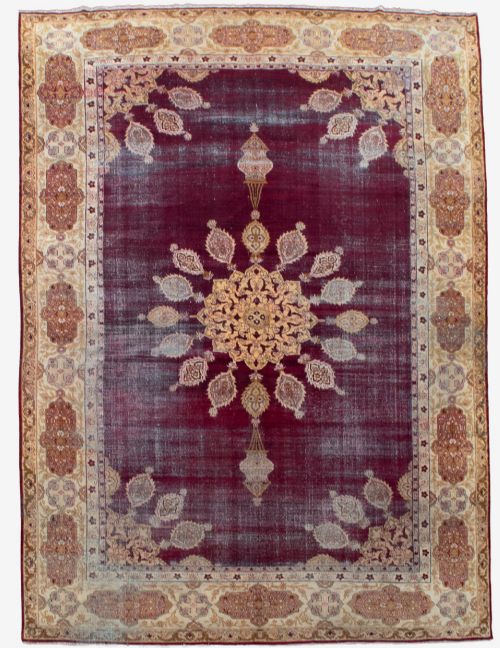
The depth and consistency of the natural dyes influence the visual success of the piece. Skilful dyeing creates rich tonal variations across the crimson field rather than a flat, uniform surface.
The Crimson Oriental Carpet Glossary
- Gul
- A repeating primary motif or medallion characteristic of Turkmen and Central Asian weaving traditions. These octagonal or gabled forms identify specific tribal groups.
- Warp
- The vertical threads stretched tightly on the loom that form the structural skeleton of the carpet. The knotted pile is tied around these stationary foundations.
- Weft
- The horizontal threads passed alternately over and under the warp threads after each row of knots. This process packs the knots down firmly.
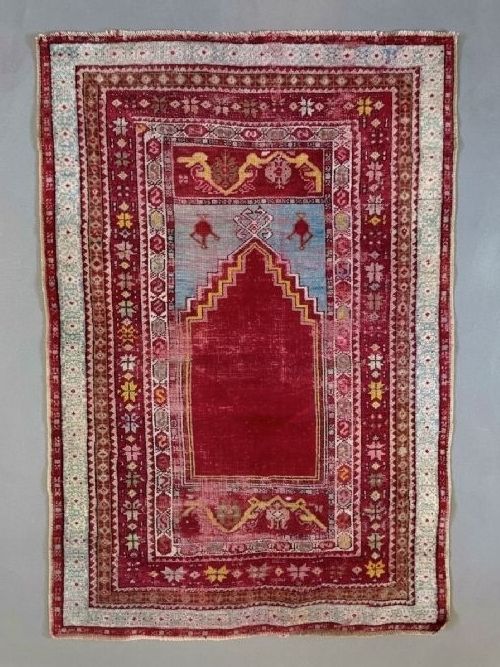
- Prayer rug
- A small rug featuring a mihrab or arch design indicating the direction of Mecca. Makers intended these textiles for daily devotional use.
- Runner
- A long, narrow carpet format designed for corridors, hallways, and staircases. These pieces balance room dimensions where standard rectangular rugs do not fit.
Crimson Oriental Carpet: Frequently Asked Questions
How do I clean an old carpet?
Gentle surface brushing and professional dusting remove embedded grit without straining wool fibres.
Water and harsh detergents damage natural dyes, so professional conservation remains essential for deeper maintenance.
Can I place these on heated floors?
Underfloor heating dries out natural wool and cotton foundations over extended periods. Placing a breathable thermal pad underneath helps protect the textile from direct heat.
How do I tell tribal from city rugs?
Nomadic and village pieces feature geometric patterns, memory-woven symbols, and thicker wool. City workshops produce precise floral curves and finer knotted structures.
Why do the colours vary slightly?
Natural dyebots produced subtle shifts in shade known as abrash across the wool pile. These tonal variations occur organically as dye batches change during the weaving process.