

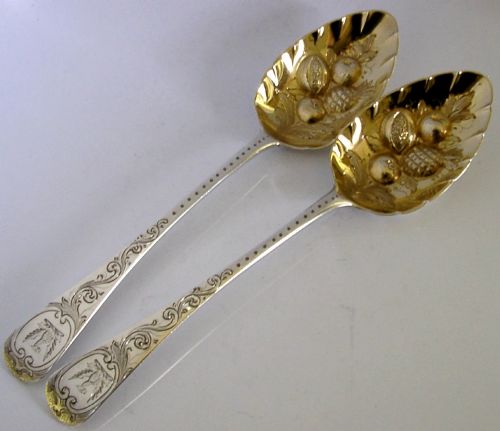


Crested Silver Flatware
These crested silver flatware pieces carry centuries of heraldry and dining history, offering an authentic touch of family lineage for your table.
Crested Silver Flatware
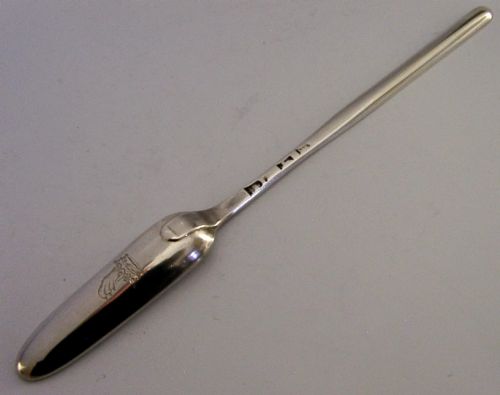
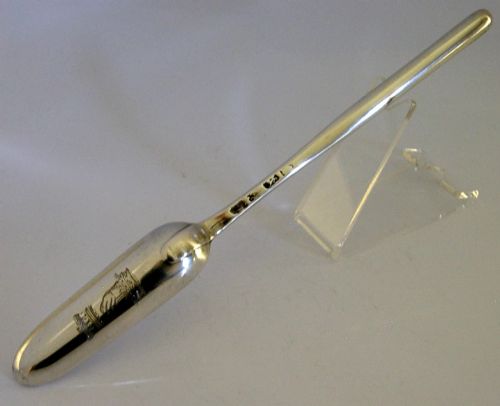
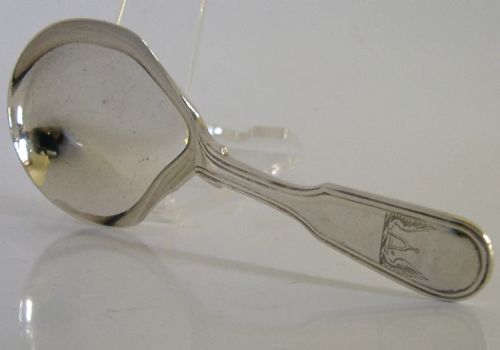
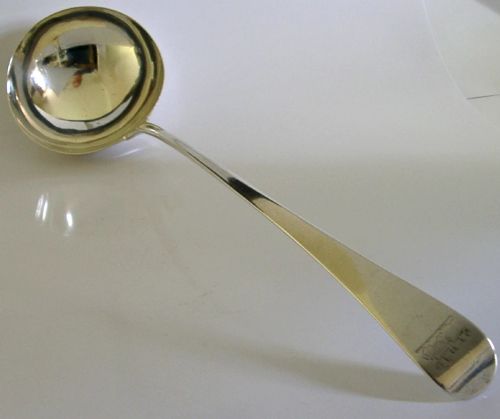
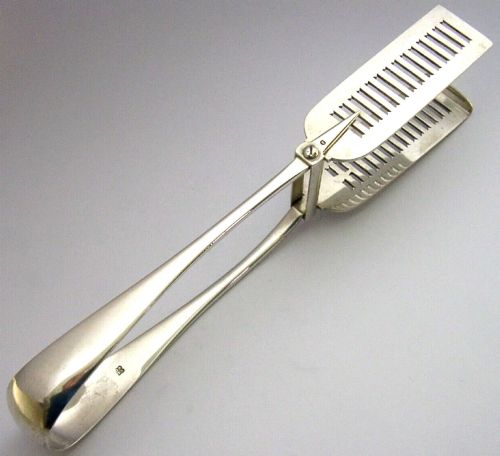
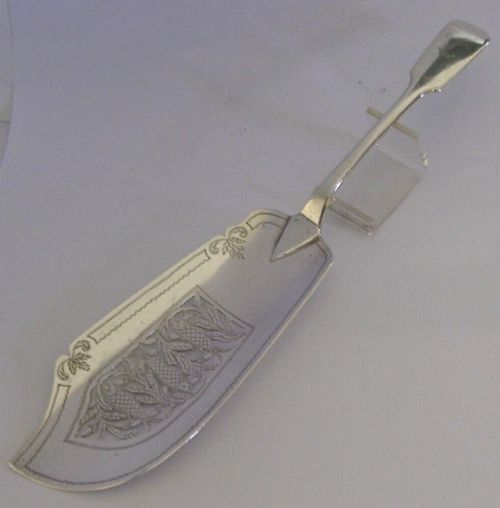
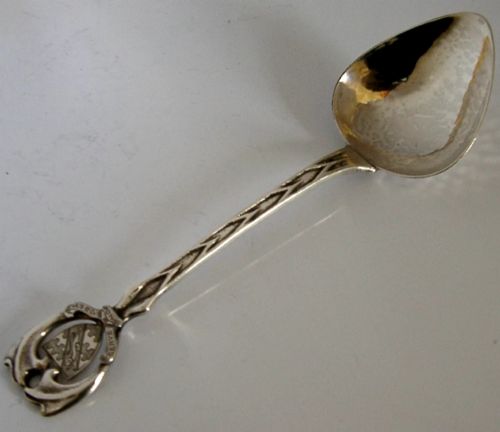
When you search for crested silver flatware, you encounter items designed for formal dining and personal service, ranging from large soup ladles to delicate dessert forks. The selection centres heavily on Georgian and Victorian periods, featuring utensils marked by engraved armorial bearings or family crests.
You will frequently meet serving spoons, fish servers, and serving tongs alongside table forks and tablespoons. These pieces originate from various eras including Queen Anne, George II, and the 1930s, often bearing specific regional marks such as Irish, Scottish, or York origins.
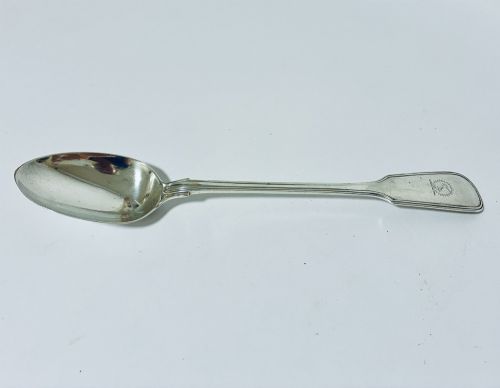
The forms vary from three-pronged dessert forks to heavy cannon davy ladles and fiddle pattern spoons. Each utensil displays a distinct crest, linking the silverware to specific historical families or livery companies like the Worshipful Company of Haberdashers.
Materials and construction
The primary material across these pieces is sterling silver, frequently shaped into traditional patterns like Old English or fiddle. Certain items incorporate gilt elements alongside the solid silver construction, adding contrast to the bowls or tines.
Silversmiths utilised hand-forged techniques to create durable cutlery and serving utensils, engraving family crests onto the handles by hand. Maker marks, town marks, and date letters are typically stamped directly into the metal to record the origin and year of creation.
Crested Silver Flatware Retail Price Guide 2026
Typical asking prices for crested silver flatware among the pieces listed under this phrase on Sellingantiques today, from the lower quarter to the upper quarter. They describe what is for sale here now, not the wider market.
A stag crest watches silently from the handle of a Queen Anne tablespoon, having outlived the dinner party it first attended.
Factors determining quality
Quality in these items rests on the crispness of the engraved armorial crest and the weight of the silver relative to the utensil type. Pieces with clear, deeply struck maker marks and town marks demonstrate superior craftsmanship.
Hester Bateman·Walker Family·Connell·E Coker·Michael Smith·R Grey·Wilkes Booth·BCN·J Ladyman
The Crested Silver Flatware Glossary
- Crest
- A heraldic design engraved onto the silver handle, representing a specific family or organisation. This motif often personalises the flatware and provides clues to its original owner.
- Fiddle pattern
- A nineteenth-century handle shape characterised by a raised shoulder near the terminal, resembling the outline of a fiddle. This style appears frequently in Victorian cutlery.
- Dognose
- An early eighteenth-century spoon style featuring a rounded terminal with a central upward ridge, also known as rat-tail pattern. Examples from the Queen Anne and early Georgian periods display this form.
- Armorial crest
- A full coat of arms or detailed heraldic emblem engraved onto the metal surface. These intricate designs indicate high-status commissions for prominent households.
- Private die
- A custom stamp commissioned by a family or institution to produce unique flatware patterns. Scottish and regional makers occasionally utilised these exclusive dies.
Crested Silver Flatware: Frequently Asked Questions
How do I identify the date of my silver?
Makers stamped date letters, town marks, and sterling hallmarks directly onto the metal surface of each utensil. These stamps correspond to official assay office records.
Comparing the style, such as Dognose or fiddle pattern, also helps narrow down the period of manufacture.
How were these utensils used originally?
These items served functional roles during formal meals, including ladling soup, serving fish, or handling portions with specialised tongs. Families displayed their crests to assert social standing.
Wealthy households commissioned complete sets or individual pieces bearing their specific heraldry for everyday and ceremonial dining.
Can I use antique silver flatware daily?
Sterling silver flatware remains robust enough for regular use provided you wash it gently by hand. Avoid harsh detergents and abrasive scourers to protect the engraved crests.
Storing pieces in appropriate anti-tarnish rolls or dry environments preserves the polished finish and the detailed armorial work.